
 Pregledaj u prostoru
 Podeli
 Podeli
 Detalji
 Vodič
Vodič

 Preuzmi sliku
 Slični predmeti
 Rendgenski snimak
 Automatska prezentacija
 Statistika
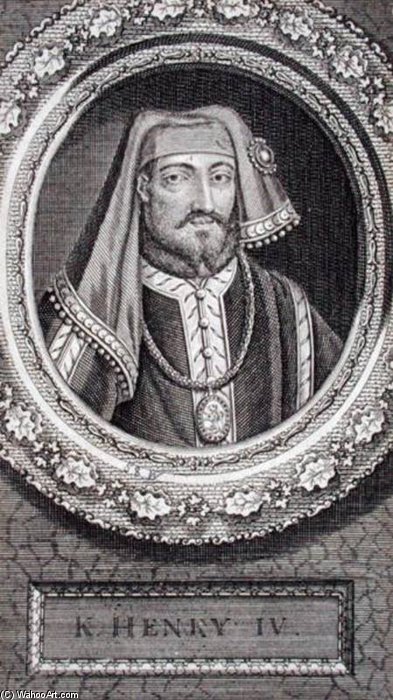
Henry Iv )

 Pročitaj više
Ručno rađena uljana reprodukcija
Ručno oslikano uljanim bojama na platnu u dimenzijama i okviru po vašem izboru, izrađeno po porudžbini od strane naših umetnika. ( Pređi na prodaju štampanih primeraka Pređi na prodaju digitalnih slika)




































Izaberite jednu od naših unapred definisanih veličina koje odgovaraju originalnim proporcijama umetničkog dela.

Unesite širinu i visinu koja vam je potrebna, kako bi se uklopili u vaš ram ili zid. Pošto je ovo ručno oslikano delo, umetnik može naslikati malo više prostora oko slike ili malo skratiti ivice za dimenzije drugačijeg oblika — izbor je na vama. Pre početka rada, poslaćemo vam digitalni prikaz radi potvrde. Slika prikazana na ovoj stranici ne predstavlja konačan rezultat — samo digitalni prikaz pokazuje stvarnu sliku.
Nakon narudžbine, tim OriginalUniqueArt.com će klijentu putem e-pošte poslati uputstva i dostaviti prikaz predloženog rešenja
Svetska isporuka () za 3/4 nedelje umesto uobičajenih 5 nedelja. (25 октобар). Bez kompromisa po pitanju kvaliteta.

Besplatna ekspresna dostava širom sveta

Visokokvalitetno laneno platno

Sveobuhvatno osiguranje transporta

Garancija povraćaja carine i uvoznih dažbina

Garancija vernosti boja i autentičnosti pri reprodukciji

Politika povraćaja u roku od 100 dana (samo u slučaju nedostataka)

Garancija povrata 100% novca

Popust pri većoj količini
 Opcija sa staklom dostupna je samo za dimenzije manje od 110 cm

Henry Iv )
Tehnika izrade reprodukcije
Veličina reprodukcije
-


Ukupna cena
дин 30932
Biografija umetnika
The Chronicler of British Art: The Life and Legacy of George Vertue
George Vertue (1684–1756) stands as a singular figure in the annals of English engraving and antiquarian scholarship, an artist whose meticulous observations and painstaking reproductions cemented his place as a pivotal contributor to the burgeoning aesthetic sensibilities of the Enlightenment. More than merely a craftsman adept at transferring images from canvas to plate, Vertue was a historian, a collector, and a fervent advocate for preserving Britain’s artistic heritage—a role that profoundly shaped our understanding of the era's visual culture. Born in London amidst the Catholic fervor of his family, Vertue’s early life instilled within him a deep appreciation for detail and accuracy, qualities that would become the very hallmarks of his artistic practice and intellectual pursuits.
His journey into the mastery of the burin began with an apprenticeship under Michael Vandergucht, a German engraver whose technical prowess provided Vertue with the foundational skills required to produce exceptional prints. However, it was his later association with Godfrey Kneller’s Academy of Painting that truly nurtured his artistic vision and fostered connections within London's intellectual elite. Through this connection, he worked closely with Thomas Gibson, absorbing stylistic sensibilities that emphasized a masterful handling of chiaroscuro and the ability to convey profound psychological depth in portraiture. This period of intense study allowed Vertue to transition from a skilled technician to a sophisticated artist capable of capturing the very essence of his subjects.
A Visionary of Antiquarianism and Documentation
Vertue’s passion for antiquarian research transcended his professional duties as an engraver. Driven by a profound desire to document the artistic achievements of Britain's past—particularly those predating the Elizabethan Renaissance—he embarked on a systematic endeavor to compile comprehensive notebooks filled with sketches, drawings, and detailed descriptions of artworks. These voluminous manuscripts, which now reside in the British Museum, constitute an unparalleled resource for historians studying British art. His tireless travels across England, often in the company of patrons like Edward Harley, the 2nd Earl of Oxford, allowed him to record architectural wonders and antiquities with a precision that remains vital to modern scholarship.
His professional prestige was further solidified by his appointment as the official engraver to the Society of Antiquaries in 1717. In this capacity, he produced much of the essential illustration for Vetusta Monumenta, a monumental series documenting ancient British monuments. His work during this era was not merely decorative but served a scientific purpose, bridging the gap between fine art and archaeological record. This dual identity as both an artist and a scholar allowed him to approach the printed page with a unique reverence for historical truth.
Mastery of the Plate and Historical Significance
The breadth of Vertue's output was staggering, encompassing a diverse range of techniques and subjects that reflected his multifaceted talents. He was a master of various mediums, including:
- Portrait Engraving: Producing approximately 500 portraits, most notably reproducing the works of Sir Godfrey Kneller, which helped disseminate the likenesses of the era's most influential figures.
- Mezzotint and Etching: Utilizing complex tonal methods to achieve rich textures and dramatic lighting in his prints.
- Architectural Documentation: Creating detailed antiquarian prints that captured the decaying grandeur of Britain's historical structures.
- Watercolor and Drawing: Maintaining a rigorous practice of sketching from life and from existing collections to ensure accuracy in his engravings.
Beyond his individual works, Vertue’s greatest achievement lies in his role as the foundational source for much of what we know about 18th-century British art. His meticulous notes provided the raw material for Horace Walpole's famous Anecdotes of Painting, ensuring that the lives and contributions of contemporary artists were not lost to time. Even as he received prestigious commissions, such as cataloging the royal collection for Frederick, Prince of Wales, his heart remained tethered to the preservation of history. When he passed away in 1756 and was laid to rest in Westminster Abbey, he left behind a legacy that was both a visual triumph of the engraver's art and an intellectual triumph of the historian's devotion.

George Vertue
1684 - 1756 , United Kingdom
Brzi pregled
- Full Name: George Vertue
- Nationality: English
- Date Of Birth: 1684
- Date Of Death: 1756
- Place Of Birth: London, United Kingdom
- Notable Artworks:
- William Croft Engraving
- Ben Jonson Engraving
- Queen Anne Engraving
- Artistic Movement Or Style: Portrait engraving
- Artists Who Influenced This Artist:
- Michael Vandergucht
- Thomas Gibson
- Artists Or Movements Influenced By This Artist: ['Horace Walpole']