
 Pregledaj u prostoru
 Pošalji
 Podeli
 Detalji o delu
 Vodič
Vodič

 Preuzmi
 Slični predmeti
 Rendgenski snimak
 Automatska prezentacija
 Pitanja i odgovori
 Statistika
Lord Grosvenor

- 99.0 x 83.0 cm


 Pročitaj više
Nabavite datoteku spremnu za štampu koja nudi znatno veći kvalitet od onlajn pregleda. Svaka digitalna slika koju nudimo potiče iz visokorezolucičnog master fajla iz naše baze — obično širine od 5.000 do 15.000 piksela — što vam omogućava štampu u velikom formatu, precizno kadriranje ili bezbrižnu reprodukciju najfinijih detalja.
Nijedan fajl ne napušta naš studio netaknut. Digitalni stručnjak vrši proveru boja u odnosu na originalno delo i koriguje ih po potrebi, a zatim unapređuje jasnoću i detalje pomoću profesionalnih alata za retuširanje — uvek ostajući veran umetnikovim potezima četkice i stilu. Rezultat je slika koja izgleda kao pravo delo, a ne kao sken sa filterom.
Proverite i odobrite pre završetka: naš stručnjak vam šalje sliku putem e-pošte u roku od 72 sata na pregled. Niste zadovoljni? Zatražite poboljšanja ili ispravke, ili tražite povraćaj novca ukoliko kvalitet ne ispunjava vaša očekivanja.
Ovo je kvalitet kojem poverenje ukazuju izdavači, dizajnerski studiji, galerije i štamparije.
Digitalna slika
Preuzmite datoteku visoke rezolucije za ličnu upotrebu, štampanje i kreativne projekte. ( Pređi na štampu Kupite ručno oslikano delo)
Uključeno uz svaku porudžbinu digitalne slike
Profesionalna digitalna isporuka, zagarantovana
Kada odaberete OriginalUniqueArt.com, ne dobijate samo sliku – vi primate profesionalno unapređeno digitalno umetničko delo, izrađeno sa najvećom preciznošću i uz garanciju zadovoljstva. Evo svega što automatski dolazi uz vašu porudžbinu:

Brza dostava putem e-pošte
Vaša digitalna slika visoke rezolucije biće vam poslata putem e-pošte u roku od 72 sata od poručivanja – spremna za trenutnu upotrebu.

Digitalna datoteka unapređena veštačkom inteligencijom
Vaše umetničko delo je profesionalno optimizovano primenom naprednih AI alata i ručne obrade, čime se osiguravaju maksimalni detalji, oštrina i preciznost boja.

Besplatna doživotna ponovna isporuka
Slučajno ste obrisali ili izgubili svoju datoteku? Ne brinite – poslaćemo vam je ponovo u bilo kom trenutku, potpuno besplatno.

Bez troškova uvoza – zauvek
Uživajte u svojim umetničkim delima trenutno, bez carine, akciza ili troškova dostave – digitalni download je uvek bez poreza.

Garancija preciznosti boja
Uz pomoć profesionalnih alata i upravljanja bojama, osiguravamo da vaša digitalna slika što vernije odražava originalne boje.

Garancija zadovoljstva u roku od 100 dana
Ako niste zadovoljni svojom digitalnom slikom, izvršićemo reviziju ili ćemo vam vratiti 100% novca u roku od 100 dana – bez ikakvih pitanja.

100% garancija povrata novca
Niste zadovoljni? Dobijte puni povraćaj novca u roku od 100 dana od prijema digitalne datoteke – bez suvišnih pitanja.

Popusti na velike porudžbine
Kupite 3 slike, uštedite 10% - Kupite 5 slika, uštedite 15% - Kupite 10+ slika, uštedite 20%. Odlično za kreativne projekte, galerije i agencije.
The Equestrian Vision of George Stubbs
George Stubbs' "Lord Grosvenor’s Arabian Stallion with a Groom," painted in 1765, isn’t merely a portrait; it’s a meticulously crafted tableau vivant—a snapshot of aristocratic leisure and the profound connection between man and beast. Stubbs, already recognized as the foremost painter of horses of his era, transcends simple representation, instead offering a deeply considered study of anatomy, movement, and psychological nuance. This work exemplifies his pioneering approach to animal painting, firmly rooted in scientific observation yet imbued with a distinctly Romantic sensibility.
The scene unfolds within a softly rendered English landscape—rolling hills bathed in the golden light of late afternoon. The composition is dominated by the magnificent Arabian stallion, poised and alert, its muscular form captured with astonishing accuracy. Stubbs’s anatomical knowledge, honed through years of dissecting horses (a practice considered radical at the time), is immediately apparent in the precise rendering of every muscle, tendon, and bone. Yet, this isn't a cold, clinical study; the horse radiates vitality, its ears pricked forward, nostrils flared, conveying an intense awareness of its surroundings.
A Masterclass in Technique – Light, Shadow, and Sabino Markings
Stubbs’s mastery lies not just in his anatomical precision but also in his masterful manipulation of light and shadow. He employs a low horizon line, drawing the viewer's eye upwards to the horse, emphasizing its imposing presence against the backdrop of the landscape. The warm tones of the chestnut stallion—rich browns, golds, and russets—are contrasted with the cooler greens and blues of the foliage, creating a dynamic interplay of color that adds depth and realism to the scene. Notably, Stubbs meticulously portrays the horse’s unique genetic Sabino markings – the broad blaze running down its forehead, the striking white stockings, and the delicate white spots adorning its belly and sides—demonstrating an almost obsessive attention to detail.
The groom, a figure of quiet dignity, stands in stark contrast to the stallion’s spirited energy. Dressed in a dark suit, he exudes a reassuring presence, his posture suggesting years of experience and a deep understanding of horses. This juxtaposition—the youthful exuberance of the horse and the seasoned calm of its handler—adds another layer of complexity to the composition, hinting at the symbiotic relationship between man and animal.
Historical Context & Romantic Ideals
Painted during the mid-18th century, “Lord Grosvenor’s Arabian Stallion with a Groom” reflects the prevailing artistic trends of the time. Stubbs' work aligns with the burgeoning Romantic movement, which emphasized emotion, individualism, and the sublime beauty of nature. Unlike the rigid formality of Neoclassical art, Stubbs’s painting embraces a more naturalistic approach, capturing the essence of the subject rather than adhering to idealized forms. The inclusion of the landscape—a carefully constructed vista that evokes a sense of tranquility and grandeur—further reinforces this Romantic sensibility.
The portrait itself was commissioned for Richard Grosvenor, 7th Baronet, and 1st Earl Grosvenor, a prominent figure in English society. Such commissions were not merely about depicting a horse; they represented a celebration of aristocratic status, wealth, and the connection to the land. The painting served as a visual testament to the family’s equestrian pursuits and their appreciation for fine horses.
A Timeless Appeal – Reproduction & Beyond
“Lord Grosvenor’s Arabian Stallion with a Groom” remains a captivating work of art, admired for its technical brilliance, emotional depth, and historical significance. Reproductions offer an accessible way to experience the beauty and artistry of this iconic painting, bringing its timeless appeal into any home or office space. When selecting a reproduction, consider the quality of materials and the artist’s interpretation – ensuring that it faithfully captures Stubbs' original vision while maintaining a high level of detail and vibrancy.
Pitanja i odgovori
Da li je "Lord Grosvenor" tipično za ono što je Džordž Stabs obično stvarao?
Učestale teme umetnika Džordž Stabs obuhvataju classical anatomy, romantic style, aristocratic patronage, equestrian art, animal studies, scientific accuracy, british landscape, rural life; delo "Lord Grosvenor" fokusira se na horse, equestrian, portraiture, groom, landscape, sabino, anatomy, 18th century.
Odakle dolaze posetioci dela „Lord Grosvenor”, autor Džordž Stabs?
Postoji Statistika stranica za „Lord Grosvenor“. Ona prikazuje mesečne posete ovom umetničkom delu i drugim delima ovog umetnika, uz detaljnu analizu po državama i jezicima.
U kojoj godini i u okviru kog umetničkog pravca je nastalo delo "Lord Grosvenor"?
Delo "Lord Grosvenor" nastalo je 1765. godine u okviru Romanticism pravca. Datum i umetnički pravac čine temelj ovog dela u istoriji umetnosti.
Biografija umetnika
Рани живот и образовање
Џорџ Стабс, прослављени енглески сликар, рођен је 25. августа 1724. године у Ливерпулу, Уједињеном Краљевству. Његов рани живот био је обележен оскудним записима о његовим активностима до тридесете пете године, а већина информација потиче из мемоара Озијаса Хамфрија, заснованих на разговорима са Стабсом 1794. године. Стабс је започео свој уметнички пут у петнаестој години, прво радећи под руководством оца, кожника или прерађивача коже. Касније се обратио Хамлету Винстанлију, сликару и граверу из Ланкашира, за кратку праксу. Овај кратки период му је омогућио да проучава збирку у Кнозли Холу.Уметнички развој и значајна дела
Стабсова страст за анатомијом довела га је 1744. године у Јорк, где је студирао под хирургом Чарлсом Аткинсоном у окружној болници у Јорку. Једно од његових најранијих сачуваних дела је серија илустрација за уџбеник Џона Буртона о акушерству, објављен 1751. године. Године 1756. Стабс је изнајмио фарму у Линколнширу и провео пуних осамнаест месеци дисекујући коње, уз помоћ своје ванбрачне супруге Мери Спенсер. Ово је довело до објављивања Анатомије коња 1766. године, а оригинални цртежи се сада чувају у Краљевској академији. Стабсов рад је ускоро препознат од стране водећих аристократских покровитеља, укључујући трећег војводу од Ричмонда, који је наручио три велике слике 1759. године. Ово је означило почетак његове успешне каријере, са радовима произведеним за неколико војвода и лордова, што је кулминирало куповином куће у Мерилебону, Лондону.Наслеђе и ремек-дела
Стабсово најпознатије дело, "Вистлджакет", слика галопирајућег коња наручена од другог маркиза од Рокингема, сада се налази у Националној галерији у Лондону. Ова слика и још две слике за Рокингема прекидају са конвенцијама, карактеришући се једноставним позадинама. "Вистлджакет", тржни коњ који се уздиже на задње ноге, демонстрира Стабсову неупоредиву вештину у хватању суштине коња.- "Вистлджакет", грциозни тршни коњ, показује изванредно познавање анатомије и динамике покрета.
- Стабсова серија слика на тему лава који напада коња представља ране примере романтичног покрета, демонстрирајући његов утицај на уметност 18. века.
Утицаји и историјски значај
Стабс је био пионир у реалистичном приказу животиња, посебно коњева. Његова посвећеност анатомији била је без преседана за његово време, а његови детаљни студији су револуционисали начин на који се животиње сликају. Иако је почео као ученик Хамлета Винстанлија, Стабс је брзо развио свој уникатни стил, комбинујући научну прецизност са уметничком лепотом. Његов рад је имао знатан утицај на касније генерације сликара животиња, укључујући Џошуа Рејнолдса. Стабс је био иноватор не само у техници већ и у начину приказивања коњева – често их је представљао као племените и моћне битије, а не само као радну снагу. Стабсово наслеђе као сликара коњева остаје неупоредиво, а његови радови настављају да инспиришу и одушевљавају љубитеље уметности широм света.- Погледајте Стабсове радове на https://OriginalUniqueArt.com/@/george_stubbs
- Истражите збирку Националне галерије у Лондону, која садржи Стабсова значајна дела, на /sr/art/show/art-8xyffg-sr/
- Сазнајте више о Стабсовом животу и раду на Википедији на https://en.wikipedia.org/wiki/george_stubbs
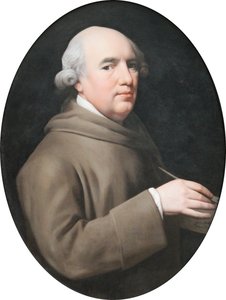
Džordž Stabs
1724 - 1806 , Ujedinjeno Kraljevstvo
Kratke informacije
- Artistic Movement Or Style: Romantizam, Konjarištvo
- Artists Or Movements Influenced By This Artist: ['Džošua Rejnolds']
- Artists Who Influenced This Artist: ['Hamlet Winstanley']
- Date Of Birth: 25. avgust 1724.
- Date Of Death: 10. jul 1806.
- Full Name: Džordž Stubbs
- Nationality: Britanac
- Notable Artworks:
- Whistlejacket
- Lav i konj
- Lav i tigar
- Place Of Birth: Liverpul, Ujedinjeno Kraljevstvo