
 Pregledaj u prostoru
 Pošalji
 Podeli
 Detalji o delu
 Vodič
Vodič

 Preuzmi
 Slični predmeti
 Rendgenski snimak
 Automatska prezentacija
 Pitanja i odgovori
 Statistika
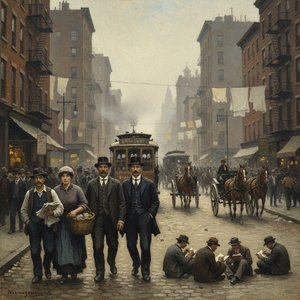
Noontime, St. Botolph Street, Boston


 Pročitaj više
Giclee štampa / Umetnički otisak
Giclée štampa ili print na platnu muzejskog kvaliteta uz brzu izradu i raznovrsne opcije završne obrade. ( Kupite ručno oslikano delo Pređi na digitalnu sliku)




P118B дин10

P118H дин10

P118W дин10

P438Z дин10

P508JH дин12

P508YH дин12

P805H дин10

P805Z дин10

P919BZ дин10

P919G дин10

P919XJ дин10

P959ZH дин10

P968JZ дин12

W106C дин8

W218G дин10

W218JH дин8

W218Y дин10

W307PJ дин10

W316G дин10

W316PJ дин8

W316Y дин10

W398PJ дин8

W4111J дин10

W500HY дин15

W500JH дин15

W692G дин12

W849H дин8

W940BG дин15

W953PJ дин8




Izaberite jednu od naših unapred definisanih veličina koje odgovaraju originalnim proporcijama umetničkog dela.

Unesite željenu širinu i visinu kako bi se štampa uklopila u vaš ram ili zid. Štampu je moguće samo iseći, ali nikada povećati iznad dimenzija originalne slike, stoga format sa drugačijim proporcijama uzrokuje gubitak dela slike. Pre početka štampe, poslaćemo vam digitalni prikaz radi potvrde. Slika prikazana na ovoj stranici ne predstavlja stvarni isrez — to pokazuje samo digitalni prikaz.
Dostava širom sveta () za 2 nedelje umesto uobičajenih 4/5 nedelja. (5 новембар)

Besplatna ekspresna dostava širom sveta

Visokokvalitetno laneno platno

Potpuno osiguranje transporta

Garancija povraćaja carine i uvoznih dažbina

Garancija vernosti boja

Politika povraćaja u roku od 100 dana (samo u slučaju nedostataka)

Garancija povrata 100% novca

Popust na više proizvoda
 Opcija sa staklom dostupna je samo za dimenzije manje od 110 cm

Noontime, St. Botolph Street, Boston
Giclee štampa / Umetnički otisak
Dimenzije reprodukcije
-


Ukupna cena
дин 8454
Noontime in Boston: A Study of Urban Life by George Benjamin Luks
George Benjamin Luks’s “Noontime, St. Botolph Street, Boston,” painted in 1923, isn't merely a depiction of a rainy afternoon; it’s a poignant snapshot of American urban life at the cusp of modernity. Housed within the Museum of Fine Arts, Boston, this oil on canvas offers a rare glimpse into the everyday rhythms and quiet dramas unfolding amidst the bustling streets of early 20th-century Boston. Luks, a key figure in the Ashcan School movement, rejected the idealized portrayals favored by the National Academy of Design, instead choosing to capture the gritty reality of working-class life with unflinching honesty and remarkable empathy.
The painting immediately draws the eye to its central figure – a man navigating the rain-slicked sidewalk, clutching an umbrella and a worn suitcase. His posture suggests both weariness and determination, hinting at a journey, perhaps a temporary escape or a return home. Around him, a carefully constructed tableau of ordinary individuals unfolds: a woman hurrying past with her own umbrella, a group pausing beneath awnings, and the subtle suggestion of activity in the background – a bench occupied by a solitary figure, a chair leaning against a building. These aren’t grand historical scenes or heroic narratives; they are fragments of human experience, rendered with remarkable detail and psychological insight.
A Masterclass in Realist Technique
Luks's distinctive style is immediately apparent in the painting’s bold brushstrokes and vibrant color palette. He masterfully employs a technique that blends elements of realism and impressionism, capturing not just the visual appearance of the scene but also its atmosphere—the dampness, the muted light filtering through the clouds, and the sense of movement inherent in a busy street. The use of loose, expressive brushwork creates a dynamic energy, contrasting with the carefully observed details of the figures and their surroundings. Note particularly how he uses color to evoke the feeling of rain – subtle blues, grays, and greens dominate, punctuated by the brighter tones of umbrellas and clothing.
The artist’s attention to light and shadow is equally impressive. The wet pavement reflects the diffused sunlight, creating a shimmering effect that adds depth and realism to the scene. Luks skillfully uses chiaroscuro – the contrast between light and dark – to sculpt the figures and define their forms, drawing the viewer's eye to key elements within the composition. The subtle play of light on the wet pavement is particularly evocative, suggesting both the discomfort of the rain and the beauty of its reflection.
Contextualizing a Moment in Time
“Noontime, St. Botolph Street, Boston” was created during a period of significant social and economic change in America. The early 20th century witnessed rapid industrialization, urbanization, and immigration, leading to the growth of densely populated cities like Boston and the emergence of new working-class communities. Luks’s painting reflects this reality, portraying the lives of ordinary people struggling to make a living in an increasingly complex world. The inclusion of the suitcase suggests themes of migration and displacement – common experiences for many immigrants arriving in America at the time.
Furthermore, understanding the context of Boston itself is crucial. St. Botolph Street was a vibrant, working-class neighborhood during this period, a microcosm of the larger urban landscape. The painting’s location within the city's historical fabric adds another layer of meaning to the scene, reminding us of the rich and often overlooked history of everyday life in America.
Symbolism and Emotional Resonance
Beyond its realistic depiction of urban life, “Noontime, St. Botolph Street, Boston” carries a subtle emotional resonance. The solitary figure with the suitcase embodies themes of loneliness, uncertainty, and the challenges of navigating an unfamiliar city. The rain itself can be interpreted as a symbol of cleansing or renewal, suggesting that even in difficult circumstances, there is always the possibility for hope. Luks’s ability to capture these nuanced emotions through his masterful technique and keen observation makes this painting a truly enduring work of art.
OriginalUniqueArt offers meticulously crafted hand-painted reproductions of “Noontime, St. Botolph Street, Boston,” allowing you to bring this captivating scene into your home or office. Each reproduction is created by skilled artists using archival quality materials, ensuring that the beauty and detail of Luks’s original work are faithfully preserved for generations to come.
Pitanja i odgovori
Od čega je izrađeno "Noontime, St. Botolph Street, Boston" i u kom stilu?
„Noontime, St. Botolph Street, Boston“ je urađeno u tehnici Oil On Canvas, u stilu Ashcan School.
Ko su autor i datum nastanka dela "Noontime, St. Botolph Street, Boston"?
Џорџ Лукс je napravio/la "Noontime, St. Botolph Street, Boston" u 1923. godini.
Kolika je zasićenost i intenzitet boja u delu „Noontime, St. Botolph Street, Boston”, autor Џорџ Лукс?
„Noontime, St. Botolph Street, Boston”, autor Џорџ Лукс je zabeležen sa Balanced Soft zasićenosti i Balanced intenzitetom.
Biografija umetnika
Живот исписан у бојама Америчког реализма
Џорџ Бенџамин Лукс, име синоним за енергију и неретко грубу истину ране америчке модерне епохе, био је много више од сликара; он је био хроничар свог времена. Рођен у Вилијамспорту, Пенсилванија, 1867. године, у породици имигрантских корена – отац пољски лекар, мајка немачка музичарка – Луксово детињство је неговало дубоко саосећање према борбама и тријумфима обичних људи. Та сензибилност би постала дефинишућа карактеристика његове уметничке визије. Његов рани живот није био конвенционалан; пре него што се посветио платну и четки, он и његов брат су ступали на сцене вадевила, развијајући вештину опажања и разумевања људског карактера која би им касније била непроцењива. То је био свет пролазних тренутака, преувеличаних гестова и сирових емоција – терен за хватање суштине живота самог. Ово доба му је усадило љубав према извођаштву и спектаклу, елементи суптилним нитима исплетени у динамичне композиције његових слика.Од европских студија до школе Ешкан
Луксово формално уметничко образовање започело је на Пенсилванијској академији финих уметности, али су његова каснија путовања у Европу заправо обликовала његову естетичку осетљивост. Уроњен у радове старих мајстора – посебно су му се допали Веласкез и Халс – апсорбујући њихово савладавање светлости, сенке и карактеризације. Међутим, он није само имитирао; он је синтетисао ове утицаје у нешто јединствено своје. По повратку у Америку, Лукс се запослио као новинарски илустратор, прво у Филаделфији, а затим у Њујорку. То искуство се показало кључним. Изложио га је прометним улицама, разноликој популацији и оштрим реалностима градског живота – темама које би доминирале његовим уметничким излазом годинама које следе. Успоставио је везу са кругом сродних уметника—Роберт Хенри, Џон Слоан, Вилијам Глекенс—који су делили одбацивање академских конвенција и жељу да описују свет онакав какав га виде, искрено и без претпретензија. Овај колективни дух родио је оно што је постала позната као школа Ешкан, покрет који је оспорио преовлађујуће уметничке норме и прославио лепоту у обичном.Заробљање пулса градског живота
Луксове слике карактеришу вигорозна четка, смеле композиције и неприкривено приказивање градског живота. Није се плашио да представи сиромаштво, тешкоће и друштвене неједнакости које су мучиле рану америчку модерну епоху. Његове теме су често црпљене из улица Њујорка – таксисти, улични извођачи, радници и обични људи који обављају своје свакодневне активности. The Cabby, на пример, је моћан приказ радног човека, чије лице носи трагове умора али зрачи тихом достојанствеством. Слично томе, Sulky Boy заробљава рањивост и интроспекцију младости са изузетном осетљивошћу. Луксова техника била је јединствена колико и његова тема. Користио је густу импасто технику, великодушно наносећи боју на платно, стварајући текстурирану површину која се чини да вибрира енергијом. Његова употреба боје била је често пригушена, одражавајући мрачне реалности градског живота, али проткана блицкама сјаја који су привукле пажњу гледаоца.Глас за непривилеговане и трајно наслеђе
Као члан “The Eight”, Лукс је играо кључну улогу у оспоравању утврђеног света уметности и отварању пута америчком модернизму. Независна изложба групе 1908. године била је преломни тренутак, изазвала контроверзу али такође привукла пажњу због њиховог иновативног приступа сликању. Лукс није био заинтересован само за документовање стварности; тражио је да пренесе његову емоционалну тежину, њену уграђену драму. Желео је да се његова слика осети подједнако као што се види. Осим својих уметничких достигнућа, Лукс је био и страствени заговорник америчке уметности и уметника. Предавао је на Лиги студената уметности, инспиришући генерације младих сликара да прихвате своје јединствене гласове и перспективе. Његов утицај се види у раду безбројних каснијих уметника који су покушали да заробе дух градског искуства. Џорџ Бенџамин Лукс умро је 1933. године, оставивши иза себе корпус дела који наставља да одјекује код гледалаца данас. Његове слике нису само историјски документи; они су моћна сведочења о људском стању, подсећања на борбе и тријумфе оних чије би приче иначе биле заборављене. Он остаје важна фигура у америчкој историји уметности, шампион реализма и глас за непривилеговане.- Уметнички покрет или стил: Школа Ешкан, Реализам
- Уметници или покрети које је овај уметник утицао: Амерички модернизам
- Уметници који су утицали на овог уметника: Веласкез, Халс, Мане
- Датум рођења: 1867.
- Датум смрти: 1933.
- Пуно име: Џорџ Бенџамин Лукс
- Националност: Американац
- Позната уметничка дела: The Cabby, Sulky Boy, Coal Mining Town
- Место рођења: Вилијамспорт, САД

Џорџ Лукс
1867 - 1933 , Сједињене Америчке Државе
Osnovne informacije
- Artistic Movement Or Style: Aškanska škola, Realizam
- Artists Or Movements Influenced By This Artist: ['Američki modernizam']
- Artists Who Influenced This Artist:
- Velaskez
- Hals
- Manet
- Date Of Birth: 1867
- Date Of Death: 1933
- Full Name: Džordž Benjamin Luks
- Nationality: Amerikanac
- Notable Artworks:
- Kabija
- Mrzovoljni dečak
- Place Of Birth: Vilijamsport, SAD
Povezani članci
The Ashcan School: Realism, Urban Life & the Democratization of American Art
Explore the revolutionary Ashcan School! Discover how artists like Henri & Sloan challenged tradition with gritty realism, capturing urban life in early 20th-century America. Learn about their impact on American art history.

Romantic Realism's Finest: 10 Masterpieces for Your Home | OriginalUniqueArt
Explore 10 defining masterpieces of Romantic Realism! Discover Courbet, Millet & Daumier's powerful paintings—capturing emotion and social realities. Find museum-quality reproductions for your home at OriginalUniqueArt.com.

Georges Braque: 25 Remek-dela Kubizma za Inspirisanje Vašeg Doma | OriginalUniqueArt
Istražite 25 remek-dela Georges Braquea, pionira kubizma. Otkrijte priče iza slika, tehnike i inspiraciju za dizajn enterijera. Reprodukcije vrhunskog kvaliteta dostupne na OriginalUniqueArt.com! Pronađite savršeno umetničko delo online.

25 Remek-dela Žorža Seurea: Putovanje kroz Svet Tačizma i Impresionističke Revolucije
Istražite 25 remek-dela Žorža Seurea i uronite u svet tačizma i impresionističke revolucije. Otkrijte priče iza slika, tehnike i inspiraciju ovog francuskog umetnika. Reprodukcije vrhunskog kvaliteta dostupne na OriginalUniqueArt.com!

Concrete Visions: Exploring the Urban Landscape in Painting – From Realism to Contemporary Art
Explore the evolution of cityscape painting from Realism to contemporary art with OriginalUniqueArt. Discover key artists & invest in timeless urban visions. Expert guidance, museum-quality reproductions.
