

 Pregledaj u prostoru
 Pošalji
 Podeli
 Detalji o delu

 Преузми
 Slični predmeti
 Rendgenski snimak
 Slajdovi
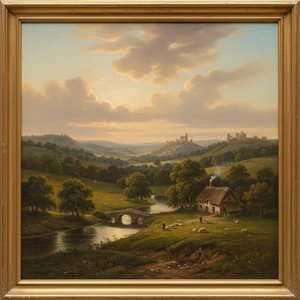
Landscape with a Ruined Tower
 Oil On Canvas
- WallArt
- Romantic Pastoral
 100.0 x 125.0 cm
 National Trust
 Pročitaj više
Ručno rađena uljana reprodukcija
Ručno oslikano uljanim bojama na platnu u dimenzijama i okviru po vašem izboru, izrađeno po porudžbini od strane naših umetnika. ( Kupi print Kupi digitalnu sliku)




P118B $10

P118H $10

P118W $10

P438Z $10

P508JH $12

P508YH $12

P805H $10

P805Z $10

P919BZ $10

P919G $10

P919XJ $10

P959ZH $10

P968JZ $12

W106C $8

W218G $10

W218JH $8

W218Y $10

W307PJ $10

W316G $10

W316PJ $8

W316Y $10

W398PJ $8

W4111J $10

W500HY $15

W500JH $15

W692G $12

W849H $8

W940BG $15

W953PJ $8




Izaberite jednu od naših unapred definisanih veličina koje odgovaraju originalnim proporcijama umetničkog dela.

Можете унети сопствене димензије како бисте прилагодили дело одређеном оквиру или простору. Ако одабрана величина не одговара пропорцијама оригинала, слика ће бити исечена или проширена додатним елементима који се ручно насликавају. Дигитални prikaz ће вам бити послат на одобрење пре почетка производње.
Имајте на уму да преглед на екрану не одражава стварно исецање или проширење. Само приказ (mockup) ће тачно приказати коначну композицију.
Иако су доступне прилагођене величине, препоручујемо да одаберете димензију из дефинисане листе како бисте сачували оригиналне пропорције.
Nakon narudžbine, tim OriginalUniqueArt.com će klijentu putem e-pošte poslati uputstva i dostaviti prikaz predloženog rešenja
Isporuka širom sveta () za 3/4 nedelje umesto uobičajenih 5 nedelja. (21 август). Bez kompromisa po pitanju kvaliteta.

Besplatna ekspresna dostava širom sveta

Visokokvalitetno laneno platno

Kompletno osiguranje transporta

Garancija povraćaja carine i uvoznih dažbina

Garancija vernosti boja

Politika povrata u roku od 60 dana (samo u slučaju nedostataka)

Garancija povrata novca od 100%

Popust pri grupnoj kupovini
 Opcija sa staklom dostupna je samo za dimenzije manje od 110 cm

Landscape with a Ruined Tower
Tehnika reprodukcije
Dimenzije reprodukcije
-


Konačna cena
$ 300
Opis umetničkog dela
George Barret the Elder’s “Landscape with a Ruined Tower”: A Vision of English Pastoral
“Landscape with a Ruined Tower,” painted circa 1762-1784 by George Barret the Elder, is more than just a depiction of a rural scene; it's a carefully constructed meditation on time, memory, and the fading grandeur of the English countryside. Barret, an Irish artist who established himself as a leading figure in London’s art world, masterfully captures a moment suspended between decay and enduring beauty, reflecting the philosophical currents of his era – particularly the influence of Edmund Burke's exploration of the sublime.
The painting immediately draws the eye to the imposing ruin itself: a weathered tower rising from a gently sloping hillside, partially obscured by a dense copse of trees. Its stones, rendered in muted ochres and browns, speak of centuries spent exposed to the elements, hinting at forgotten histories and lost power. The tower isn’t merely a structural element; it's a potent symbol – a visual representation of decline, yet simultaneously imbued with an undeniable sense of solemn dignity. This deliberate juxtaposition is central to Barret’s artistic vision.
A Painterly Echo of Burke’s Sublime
Barret’s approach to landscape painting was profoundly shaped by Edmund Burke's philosophical treatise, *A Philosophical Enquiry into the Origin of Our Ideas of the Sublime and Beautiful*. Burke argued that experiences of awe and terror – what he termed the “sublime” – could be found not just in dramatic events but also in the contemplation of vastness, decay, and solitude. Barret translates this philosophical concept onto canvas with remarkable skill.
Notice how the artist employs atmospheric perspective—the subtle blurring of distant elements to create a sense of depth and recession. The hazy blue sky, punctuated by wisps of cloud, contributes to the painting’s overall mood of melancholy and contemplation. The careful use of light and shadow further emphasizes the tower's weathered state, highlighting its vulnerability against the backdrop of the seemingly eternal landscape. This isn’t a vibrant celebration of nature; it’s an exploration of its quieter, more profound aspects.
Details of Technique and Composition
Barret was initially influenced by engravings of classical Italianate scenes, reworking them with his own distinctive style. The composition is carefully balanced, drawing the eye towards the tower while simultaneously establishing a sense of spaciousness. The placement of the trees, the gentle curve of the hillside, and the distant body of water all contribute to this harmonious arrangement.
The artist’s brushwork is remarkably controlled, particularly in rendering the textures of stone and foliage. He employs a delicate layering technique—thin glazes of paint applied over dry underlayers—to achieve a luminous quality that captures the subtle nuances of light and shadow. The details are meticulously observed, from the individual stones of the tower to the leaves rustling in the breeze. This attention to detail elevates the painting beyond mere representation, transforming it into a carefully considered work of art.
Symbolism and Emotional Resonance
Beyond its technical merits, “Landscape with a Ruined Tower” resonates deeply on an emotional level. The ruined tower evokes a sense of loss—the passing of time, the decline of empires, and the inevitable decay of all things. Yet, it also possesses a certain beauty in its weathered state, suggesting that even in ruin, there is still value to be found.
The painting invites us to contemplate our own mortality and the fleeting nature of existence. It’s a poignant reminder that beauty can be discovered not only in moments of triumph but also in the quiet contemplation of decay. It's a timeless image, speaking to universal themes of memory, loss, and the enduring power of the natural world – making it a compelling subject for collectors and interior designers seeking pieces with depth and emotional resonance.
Biografija umetnika
Џорџ Барет Старији: Живот и наслеђе
Рођен између 1728. и 1732. године у Либертивилу, Ирска, као син трговца тканином, Џорџ Барет није одмах кренуо путем сликарства. Након кратког периода учења за сајмакера, открива свој таленат за цртање и уписује се у Академију Роберта Веста у Даблину око 1747. године, уз подршку Краљевског друштва из Даблина. Већ тада показује изузетан дар, који га води до предавања цртања на истој академији. Кључно пријатељство са Едмундом Бурком, стечено током Бурковог студирања на Тринити колеџу у Даблину, постаће од суштинског значаја за његов каснији живот и каријеру.Рани развој и утицаји
Баретови рани радови често приказују класичне пејзаже и митолошке фигуре. Његово стваралаштво је снажно обележено филозофским списима Едмунда Бурка, посебно *Филозофским истраживањем о пореклу наших идеја узвишеног и лепог*, што је имало значајан утицај на његов приступ пејзажу. У почетку ради прерађујући гравуре класичних италијанских сцена, попут дела Клауда Лорена, демонстрирајући чврсту основу у утврђеним стиловима. Иако је сликао италијанске пејзаже, нема доказа да је икада посетио Италију. Ово указује на његову способност да створи убедљиве представе засноване на проучавању и машти, а не на директном опажању.Прелазак у Лондон и успон славе
Године 1762. Барет се преселио у Лондон у потрази за већим уметничким могућностима. Брзо је стекао признање као водећи пејзажни сликар свог времена, излажући радове на Друштву уметника Велике Британије и привлачећи патронажу познатих колекционара уметности. Кључни тренутак његове каријере долази 1768. године када је постао један од оснивача Краљевске академије, након што су га он и други чланови Друштва уметника напустили – овај чин представља преломну тачку у британској историји уметности.Уметнички стил и теме
Баретов стил се развијао од идеализованих италијанских пејзажа до реалистичнијих приказа енглеских и ирских сцена. Путовао је широм Енглеске, Велса, Шкотске и Ирске, примајући наруџбине и заробљавајући лепоту различитих пејзажа. Честе теме укључују идиличне призоре, живописну сеоску природу, водопаде (као што је његов чувени *Водопад Пауерсхаус*) и топографске репрезентације имања и поседа. Његови радови често садрже фигуре у пејзажу, додајући осећај размере и наратива.Каснији живот и патронажа
Барет је страдао од астме, што га је навело да се пресели у Вестборн Грин 1772. године ради здравља. Иако је зарађивао значајан приход, описују га као „немарног“ са новцем и повремено се суочавао са финансијским тешкоћама. Едмунд Бурк је остао верни пријатељ и помогао му финансијски и професионално. Године 1782. године, Бурк га је препоручио за место мајстора сликара у болници Челси, позицију коју је држао до своје смрти 1784. године.Наслеђе и историјски значај
Иако су његова супруга и деца остали сиромашни након његове смрти, Краљевска академија им је обезбедила малу пензију. Баретов рад представља значајан прелаз у британском пејзажном сликарству, крећући се од класичне имитације ка изразито националном стилу. Његови радови пружају драгоцене увиде у пејзаже и аристократски живот 18. века. Многа његова дела сада се чувају у познатим колекцијама, укључујући Националну галерију Ирске и Јел центар за британску уметност.
Džordž Baret Stariji
1732 - 1784 , Ирска
Osnovne informacije
- Artistic Movement Or Style: Romantizam
- Artists Or Movements Influenced By This Artist: Nema podataka
- Artists Who Influenced This Artist:
- Edmund Burke
- Claude Lorrain
- Date Of Birth: 1732.
- Date Of Death: 1784.
- Full Name: Džordž Barret Stariji
- Nationality: Irski
- Notable Artworks (List Of Titles):
- Vodopad Powerscourt
- Prizor Southwick Parka
- Place Of Birth (City And Country): Libertivil, Irska
Povezani članci

Georges Braque: 25 Remek-dela Kubizma za Inspirisanje Vašeg Doma | OriginalUniqueArt
Istražite 25 remek-dela Georges Braquea, pionira kubizma. Otkrijte priče iza slika, tehnike i inspiraciju za dizajn enterijera. Reprodukcije vrhunskog kvaliteta dostupne na OriginalUniqueArt.com! Pronađite savršeno umetničko delo online.
George Barret the Elder: Pioneering British Pastoral Painting & Landscape's Rise
Explore the life & art of George Barret Sr., a pioneer of British pastoral painting. Discover his influence on Romantic landscape art, patronage, and collecting tips from OriginalUniqueArt.

25 Remek-dela Žorža Seurea: Putovanje kroz Svet Tačizma i Impresionističke Revolucije
Istražite 25 remek-dela Žorža Seurea i uronite u svet tačizma i impresionističke revolucije. Otkrijte priče iza slika, tehnike i inspiraciju ovog francuskog umetnika. Reprodukcije vrhunskog kvaliteta dostupne na OriginalUniqueArt.com!

Idyllic Visions: Exploring the Pastoral Scene in Art History – From Arcadia to Modern Interpretations
Explore the captivating history of pastoral art from classical Arcadia to modern masterpieces. Discover key artists like Millet & Cole at OriginalUniqueArt. Find serene landscape paintings for your home.
Idyllic Visions: Exploring the Pastoral Tradition in Western Art – Themes, Techniques & Enduring Appeal
Explore the rich history of pastoral art from classical Arcadia to contemporary interpretations. Discover key artists, themes & collecting tips at OriginalUniqueArt.



