
 Pregledaj u prostoru
 Podeli
 Podeli
 Detalji
 Vodič
Vodič

 Preuzmi sliku
 Slični predmeti
 Rendgenski snimak
 Automatska prezentacija
 Statistika
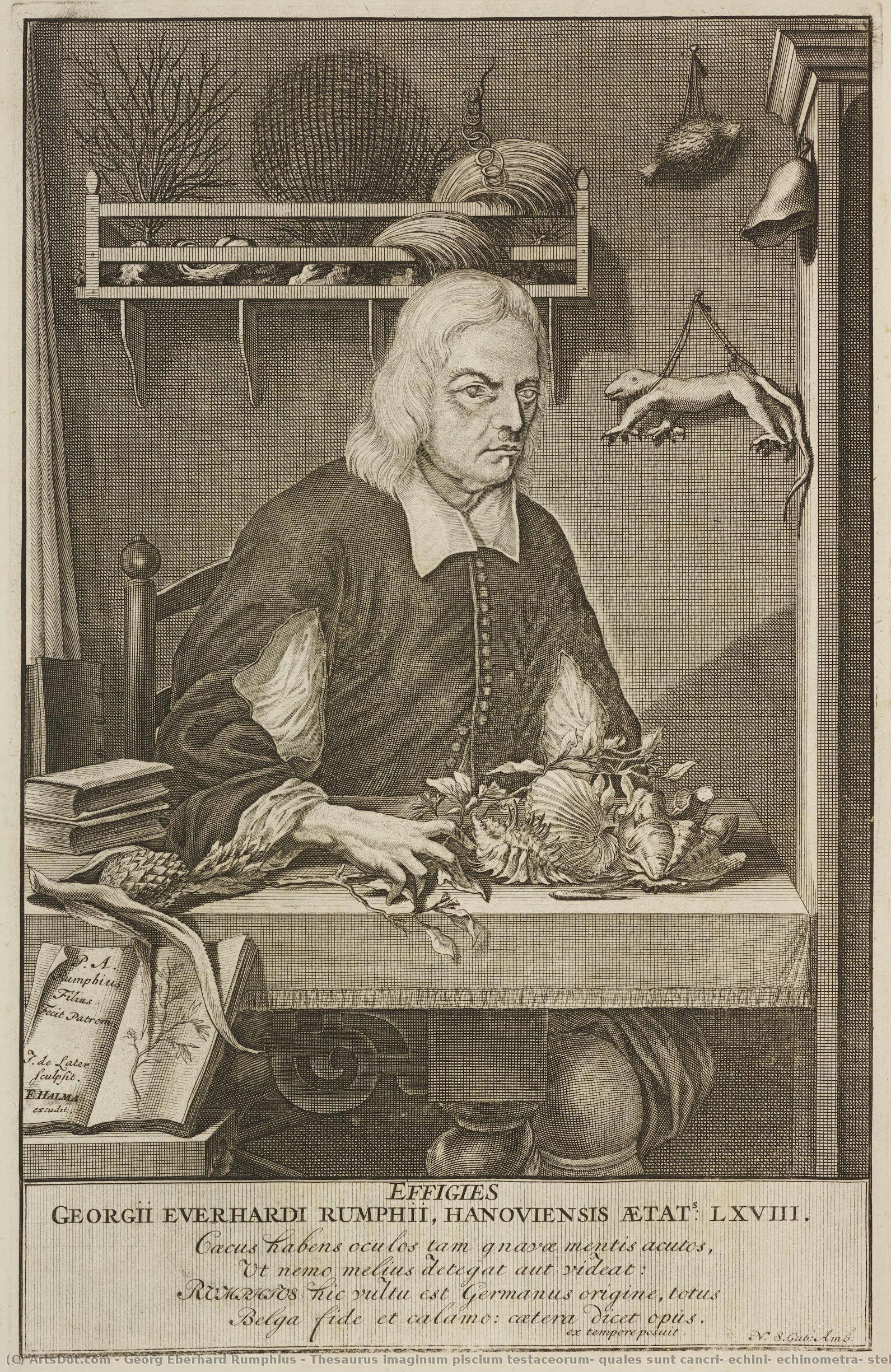
Thesaurus imaginum piscium testaceorum; quales sunt cancri, echini, echinometra, stellae marinae,


 Pročitaj više
Giclee štampa / Umetnički otisak
Giclée štampa ili print na platnu muzejskog kvaliteta uz brzu izradu i raznovrsne opcije završne obrade. ( Naručite ručno oslikano reprodukciju Pređi na prodaju digitalnih slika)




P118B $10

P118H $10

P118W $10

P438Z $10

P508JH $12

P508YH $12

P805H $10

P805Z $10

P919BZ $10

P919G $10

P919XJ $10

P959ZH $10

P968JZ $12

W106C $8

W218G $10

W218JH $8

W218Y $10

W307PJ $10

W316G $10

W316PJ $8

W316Y $10

W398PJ $8

W4111J $10

W500HY $15

W500JH $15

W692G $12

W849H $8

W940BG $15

W953PJ $8




Izaberite jednu od naših unapred definisanih veličina koje odgovaraju originalnim proporcijama umetničkog dela.

Možete uneti sopstvene dimenzije kako biste umetničko delo prilagodili specifičnom okviru ili prostoru. Ako odabrani format ne odgovara proporcijama originalne slike, mi ćemo ili iscrtati deo dela ili proširiti sliku pomoću ogledane ivice ili jednobojnog popunjavanja. Digitalni prikaz će vam biti poslat na odobrenje pre početka proizvodnje.
Imajte na umu da pregled na ekranu ne odražava stvarno iscrtavanje ili proširivanje. Samo će prikaz (mockup) precizno pokazati finalnu kompoziciju.
Iako su prilagođene dimenzije dostupne, preporučujemo da odaberete dimenziju sa unapred definisane liste kako biste očuvali originalne proporcije.
Dostava širom sveta () za 2 nedelje umesto uobičajenih 4/5 nedelja. (25 септембар)

Besplatna ekspresna dostava širom sveta

Visokokvalitetno laneno platno

Sveobuhvatno osiguranje transporta

Garancija povraćaja carine i uvoznih dažbina

Garancija vernosti boja i autentičnosti pri reprodukciji

Politika povraćaja u roku od 100 dana (samo u slučaju nedostataka)

Garancija povrata 100% novca

Popust pri većoj količini
 Opcija sa staklom dostupna je samo za dimenzije manje od 110 cm

Thesaurus imaginum piscium testaceorum; quales sunt cancri, echini, echinometra, stellae marinae,
Giclee štampa / Umetnički otisak
Veličina reprodukcije
-


Ukupna cena
$ 80
Biografija umetnika
Domenico Piola: The Architect of Genoese Ceilings
Domenico Piola, born in Genoa around 1627 and passing away in 1702, stands as a pivotal figure in the artistic landscape of his era – a true master of the Baroque period. More than simply a painter, he was the driving force behind the Piola family studio, a prolific workshop that dominated the decoration of ceilings throughout Genoa for nearly a century. His legacy isn’t defined by individual masterpieces hanging in grand museums, but rather by the sheer scale and enduring beauty of his contributions to countless churches and palaces across the city. Piola's influence extended beyond mere aesthetics; he was a meticulous planner, a skilled designer, and a shrewd manager, orchestrating a complex operation that produced an astonishing volume of decorative work.- Early Influences & Training: Piola’s artistic journey began under the tutelage of his older brother-in-law, Stefano Camogli, a respected Genoese painter. However, it was his connection to his even more accomplished brother, Pellegrino Piola, and the guidance of Pellegrino's teacher, Giovanni Domenico Cappellino – a prominent figure in the Roman Baroque – that truly shaped his style. Cappellino’s influence is particularly evident in Piola’s early works, characterized by a refined elegance and a masterful command of color and composition.
- The Rise of Casa Piola: Following Pellegrino's death, Domenico inherited the family studio, which quickly evolved into “Casa Piola.” This wasn’t merely a workshop; it was a fully integrated design and production center. The studio employed a team of skilled artisans – including Domenico’s brothers, Stefano Camogli, his sons, and even his sons-in-law – each contributing to the creation of elaborate ceiling decorations. This collaborative approach streamlined the process, allowing for the rapid execution of numerous commissions and establishing a distinctive style that became synonymous with the Piola name.
A Symphony of Color and Composition: The Style of Domenico Piola
Piola’s artistic signature is immediately recognizable – a vibrant, theatrical Baroque style infused with a distinctly Genoese sensibility. He wasn't interested in replicating existing styles; instead, he developed a unique approach that prioritized dynamism, illusionism, and an overwhelming sense of grandeur. His ceiling frescoes are not static images but rather immersive environments, designed to transport the viewer into a world of heightened emotion and spectacle.- Technique & Materials: Piola was renowned for his exceptional skill in *trompe-l'oeil* – creating the illusion of three-dimensional space on a flat surface. He employed a sophisticated understanding of perspective, light, and shadow to achieve this effect, often incorporating architectural elements, figures, and even landscapes that seemed to extend beyond the confines of the ceiling. His use of color was equally masterful, employing rich pigments and carefully calibrated harmonies to create dazzling visual effects.
- Thematic Elements: Piola’s decorations frequently featured allegorical scenes, religious narratives, and mythological subjects. He skillfully integrated these themes into the architectural context of each space, transforming churches and palaces into grand stages for divine stories and heroic tales. The *Palazzo Rosso* in Genoa is a prime example, where his depictions of the four seasons – Autumn, Winter, Spring, and Summer – are particularly celebrated for their dramatic intensity and meticulous detail.
Notable Works & Commissions
Piola’s prolific output resulted in an astonishing number of commissions throughout Genoa and beyond. While many of these works have been lost or damaged over the centuries, several remain as testaments to his skill and influence.- Palazzo Rosso (Genoa): His depictions of the four seasons within the Palazzo Rosso are arguably his most famous achievement. The dramatic intensity of Winter and Autumn, in particular, have been widely praised for their masterful use of color and composition.
- Churches throughout Genoa: Piola decorated numerous churches across the city, including the Duomo di San Lorenzo, the Chiesa di Santa Croce, and the Cappella di San Carlo Borromeo. His work in these spaces demonstrates his versatility and ability to adapt his style to different architectural contexts.
- Milan & Other Commissions: In 1684-85, Piola traveled to Milan, Piacenza, Bologna, and Asti, undertaking decorative projects for prominent patrons. These commissions further expanded his artistic repertoire and exposed him to new influences.
Legacy and Historical Significance
Domenico Piola’s impact on the art of Genoa is undeniable. He not only elevated the status of Genoese painting but also established a workshop that would shape the city's visual landscape for generations. His meticulous planning, innovative techniques, and collaborative approach revolutionized the process of ceiling decoration, transforming it from a craft-based activity into a sophisticated artistic endeavor. While his individual works may be less frequently exhibited than those of other Baroque masters, Piola’s legacy lives on in the countless ceilings that adorn the churches and palaces of Genoa – a vibrant testament to the genius of this remarkable artist. His work represents a crucial link between Italian Baroque painting and the development of decorative arts in Northern Europe, solidifying his place as a significant figure in European art history.
georg eberhard rumphius
1627 - 1702 , Germany
Brzi pregled
- Artistic Movement Or Style: Baroque
- Artists Or Movements Influenced By This Artist: ['Casa Piola Studio']
- Artists Who Influenced This Artist:
- Stefano Camogli
- Giovanni Domenico Cappellino
- Date Of Birth: 1627
- Date Of Death: 1702
- Full Name: Domenico Piola
- Nationality: Italian
- Notable Artworks:
- Communion of Clare of Montefalco
- Decoration Palazzo Rosso
- Place Of Birth: Genoa, Italy
Srodni članci
The Flourishing Canvas: A Historical & Artistic Exploration of Botanical Illustration
Explore the rich history of botanical illustration! Discover key artists like Havell & Barraband, learn about scientific accuracy & aesthetic beauty. Shop museum-quality reproductions at OriginalUniqueArt.

Nature’s Precision: The Art History and Scientific Elegance of Botanical Illustration
Explore the exquisite intersection of science and art in botanical illustration. Discover the history, technical mastery, and timeless beauty of scientific floral studies from Renaissance masters to modern collectors.
Nature's Precision: The Art and History of Botanical Illustration
Explore the profound intersection of science and beauty in botanical illustration. From ancient herbals to Renaissance masters, discover the history, technical mastery, and enduring elegance of nature's most precise artistic records.
The Flourishing Canvas: A Historical Journey Through Botanical Illustration
Explore the captivating history of botanical illustration! Discover renowned artists like Robert Havell & Mary Walcott, learn about techniques, and find museum-quality art at OriginalUniqueArt.com.

Victorian Botanical Painting: Science, Art & Aesthetic Sensibility
Explore the exquisite world of Victorian botanical art! Discover the science & artistry behind stunning floral illustrations by Gould, Muckley & more. Learn about collecting, value & investment at OriginalUniqueArt.