
 Pregledaj u prostoru
 Pošalji
 Podeli
 Detalji o delu
 Vodič
Vodič

 Preuzmi
 Slični predmeti
 Rendgenski snimak
 Automatska prezentacija
 Pitanja i odgovori
 Statistika
Quaratesi Polyptych: St Nicholas and Three Poor Maidens


 Pročitaj više
Giclee štampa / Umetnički otisak
Giclée štampa ili print na platnu muzejskog kvaliteta uz brzu izradu i raznovrsne opcije završne obrade. ( Kupite ručno oslikano delo Pređi na digitalnu sliku)




P118B дин10

P118H дин10

P118W дин10

P438Z дин10

P508JH дин12

P508YH дин12

P805H дин10

P805Z дин10

P919BZ дин10

P919G дин10

P919XJ дин10

P959ZH дин10

P968JZ дин12

W106C дин8

W218G дин10

W218JH дин8

W218Y дин10

W307PJ дин10

W316G дин10

W316PJ дин8

W316Y дин10

W398PJ дин8

W4111J дин10

W500HY дин15

W500JH дин15

W692G дин12

W849H дин8

W940BG дин15

W953PJ дин8




Izaberite jednu od naših unapred definisanih veličina koje odgovaraju originalnim proporcijama umetničkog dela.

Unesite željenu širinu i visinu kako bi se štampa uklopila u vaš ram ili zid. Štampu je moguće samo iseći, ali nikada povećati iznad dimenzija originalne slike, stoga format sa drugačijim proporcijama uzrokuje gubitak dela slike. Pre početka štampe, poslaćemo vam digitalni prikaz radi potvrde. Slika prikazana na ovoj stranici ne predstavlja stvarni isrez — to pokazuje samo digitalni prikaz.
Dostava širom sveta () za 2 nedelje umesto uobičajenih 4/5 nedelja. (5 новембар)

Besplatna ekspresna dostava širom sveta

Visokokvalitetno laneno platno

Potpuno osiguranje transporta

Garancija povraćaja carine i uvoznih dažbina

Garancija vernosti boja

Politika povraćaja u roku od 100 dana (samo u slučaju nedostataka)

Garancija povrata 100% novca

Popust na više proizvoda
 Opcija sa staklom dostupna je samo za dimenzije manje od 110 cm

Quaratesi Polyptych: St Nicholas and Three Poor Maidens
Giclee štampa / Umetnički otisak
Dimenzije reprodukcije
-


Ukupna cena
дин 8493
A Glimpse into the Heart of International Gothic
Gentile da Fabriano’s Quaratesi Polyptych: St Nicholas and Three Poor Maidens, painted in 1425, isn't merely a religious scene; it’s a vibrant tableau brimming with humanist ideals, exquisite detail, and the luminous grace that defined the International Gothic style. Born in Fabriano around 1370, Gentile emerged from a rich artistic milieu, absorbing the refined aesthetics of his time – a period where craftsmanship and narrative intertwined to create works of breathtaking beauty. This particular polyptych, commissioned for the Quaratesi chapel in Florence, offers a captivating window into the world of late medieval piety and the burgeoning influence of humanism on religious art. It’s a testament to Fabriano's mastery of color, texture, and composition, elements that continue to resonate with viewers centuries later.
The Narrative of Charity and Divine Grace
At first glance, the scene depicts a poignant encounter between St. Nicholas – the legendary gift-giver – and three impoverished women. The foreground is dominated by these figures, kneeling in humble devotion, one holding a small, richly colored object—perhaps a loaf of bread or a piece of cloth, symbolizing generosity and sustenance. Their gestures are imbued with quiet dignity, their faces reflecting a mixture of hope and gratitude. The background reveals a more complex scene: four individuals – including a man dressed in blue and a hat – suggest the presence of onlookers, perhaps witnesses to this act of charity. A simple chair sits in the middle ground, hinting at a moment of respite or reflection within this sacred space. The arrangement isn’t simply decorative; it establishes a clear hierarchy, guiding the viewer's eye through a carefully orchestrated narrative.
Further research reveals that this polyptych was part of a larger altarpiece, originally consisting of five panels. The central panel featured Our Lady enthroned with the Child, flanked by Saints Mary Magdalene and Nicholas. The other panels depicted St. John the Baptist, St. George, and the Pilgrims at the tomb of St. Nicholas – each contributing to a rich tapestry of biblical stories and devotional themes. This interconnectedness underscores Fabriano’s skill in creating complex visual narratives that engaged the viewer on multiple levels.
A Symphony of Color and Detail: The Technique of Gentile da Fabriano
Fabriano's genius lies not only in his storytelling but also in his unparalleled technical prowess. Painted in tempera on wood panels, the work showcases a remarkable attention to detail—from the intricate folds of the women’s garments to the delicate rendering of St. Nicholas’s beard and the shimmering quality of the objects they hold. The use of gold leaf adds an ethereal glow, elevating the scene to a realm of divine beauty. The artist masterfully employs *sfumato*, a technique that softens outlines and creates subtle gradations of light and shadow, lending depth and realism to the figures. Notice how he uses color not just for representation but also for emotional effect – the warm reds and yellows evoke feelings of warmth and generosity, while cooler blues and greens contribute to a sense of serenity.
A Window into a Renaissance World
The Quaratesi Polyptych is more than just a beautiful painting; it’s a valuable historical document. It reflects the growing influence of humanism on art, as evidenced by the realistic portrayal of the figures and their emotional expressions. Fabriano's work also demonstrates the continued importance of religious iconography in shaping people’s beliefs and values during this transformative period. The polyptych stands as a testament to his artistic vision and his ability to capture the essence of human experience within the framework of Christian faith. Reproductions, like those offered by OriginalUniqueArt.com, allow us to appreciate this masterpiece's beauty and complexity in a way that was never before possible, bringing its timeless message to a new generation.
Pitanja i odgovori
U kojoj godini i u okviru kog umetničkog pravca je nastalo delo "Quaratesi Polyptych: St Nicholas and Three Poor Maidens"?
Delo "Quaratesi Polyptych: St Nicholas and Three Poor Maidens" nastalo je 1425. godine u okviru International Gothic pravca. Datum i umetnički pravac čine temelj ovog dela u istoriji umetnosti.
Na koju fazu karijere umetnika Đentile Da Fabrijano odgovara datum 1425 za delo "Quaratesi Polyptych: St Nicholas and Three Poor Maidens"?
S obzirom na datum nastanka iz 1425. godine, delo "Quaratesi Polyptych: St Nicholas and Three Poor Maidens" pripada Mature Period periodu umetnika Đentile Da Fabrijano.
Da li je Đentile Da Fabrijano, autor dela "Quaratesi Polyptych: St Nicholas and Three Poor Maidens", poznat/a i pod drugim imenima?
Ostala imena zabeležena za Đentile Da Fabrijano, autora dela "Quaratesi Polyptych: St Nicholas and Three Poor Maidens", uključuju Đentile Di Nikolo Di Đovani Di Masio.
Biografija umetnika
Sjaj internacionalne gotike: Život i umetnost Đentile da Fabrijana
Đentile da Fabriano, ime koje je postalo sinonim za raskošnu gracioznost stila internacionalne gotike, proisteklo je iz umetničkog pejzaža Italije kasnog 14. veka. Rođen oko 1370. godine u pitomom gradu Fabrijanu, smeštenom u regiji Marche, njegov rani život ostaje delom obavijen misterijom. Znamo da je njegova majka preminula pre 1380. godine i da je njegov otac, Nikolo di Đovani Masi, do 1lık 1385. godine tražio utehu u manastiru – događaji koji su verovatno oblikovali formativne godine mladog Đentilea. Iako su detalji o njegovom početnom obrazovanju retki, iz njegovog najranijeg poznatog dela, Madona sa detetom (oko 1395–1400), koje se danas nalazi u Berlinu, jasno je da je upio rafinisanu estetiku kasnog gotičkog slikarstva prevladalog u severnoj Italiji. Ovo rano delo već nagoveštava delikatnu preciznost i elegantne forme koje će definisati njegov zreli stil.Venecijanski cvat i rastuća reputacija
Do otprilike 1405. godine, Đentile se utvrdio kao aktivni umetnik u Veneciji, živopisnom čvorištu trgovine i kulturne razmene. Ovde je preuzeo brojne porudžbine, poput panela za crkvu Santa Sofija – koji je nažalost izgubljen vremenom – i sarađivao sa istaknutim umetnicima poput Đakopa Belinija. Njegovo venecijansko razdoblje donelo mu je susret sa drugim uticajnim figurama, uključujući Pisanela i Mišelina da Bezoca, podstičući umetnički dijalog koji je obogatio njegov evoluirajući stil. Upravo u to vreme počeo je da gradi reputaciju zahvaljujući pedantnom detalju i sofisticiranoj upotrebi boje, karakteristikama koje će postati zaštitni znak njegovog rada. Freske naručene za Palatu Dožove, koje prikazuju pomorsku bitku, iako takođe izgubljene, pokazuju njegovu sposobnost da se uhvati u koštac sa velikim narativnim kompozicijama. Njegova putovanja i saradnje proširili su njegove umetničke horizonte, pripremajući ga za još veća dostignuća u godinama koje su dolazile.Remela vere i forme: Firenca i širi svet
Period između 1410. i 1412. godine obeležilo je stvaranje jednog od njegovih najslavnijih dela, Poliptika iz Valle Romite, koji se danas čuva u Pinacoteci di Brera. Ovaj složeni oltarski raspored prikazuje njegovo majstorstvo u kompoziciji, harmoniji boja i zamršeni detaljima. Ipak, tek je njegov prelazak u Firencu 1420. godine zaista učvrstio njegovo nasleđe. Po porudžbini bogatog trgovca Pale Strowzija, Đentile se upustio u ono što je nesumnjivo njegovo najikoničnije stvaralaštvo: Klanjanje magova (1423), koje danas krasi sale Galerije Ufici. Ovo remelo je primer internacionalne gotike u njenom vrhuncu – očaravajući prikaz raskošnih tkanina, dragocenog nakita i gracioznih figura raspoređenih u pedantno izrađenoj sceni. Ova slika nije samo religiozni prikaz; to je proslava bogatstva, moći i umetničke veštine. Đentilejeva upotreba zlatnog lista i živopisnih boja stvara svetlosnu luminescenciju iz drugog sveta, uvlačeći posmatrača u sveti narativ. Njegovo firentinsko razdoblje plodno je dalo i druga značajna dela, uključujući Oltarski raspored Posredovanja i Poliptik iz Quaratesija, od kojih svako demonstrira njegov neprestani razvoj tehnike i umetničke vizije.Trajni uticaj: Nasleđe i istorijski značaj
Đentile da Fabrijanov život je tragično prekinut; preminuo je pre 14. oktobra 1427. godine i sahranjen je ili u Rimu ili u Firenci – tačna lokacija njegovog konačnog počivališta ostaje neizvesna. Uprkos relativno kratkoj karijeri, njegov uticaj na italijansku umetnost bio je dubok. On je premostio jaz između tradicije kasne gotike i novonastale renesansne estetike, utičući na generaciju umetnika svojom rafiniranom tehnikom i elegantnim stilom. Njegov naglasak na detaljnom posmatranju, naturalističkom prikazu i sofisticiranim paletama boja otvorio je put inovacijama umetnika poput Mačasa i Fra Anđelika. Đentilejevo delo stoji kao svedočanstvo neprolazne moći lepote, zanatstva i umetničke vizije – sjajan primer internacionalne gotike u njenom najslavnijem izdanju.
Đentile Da Fabrijano
1370 - 1427 , Italija
Osnovne informacije
- Artistic Movement Or Style: Internacionalna gotika
- Artists Or Movements Influenced By This Artist: ['Pisci rane renesanse']
- Artists Who Influenced This Artist: ['Severnoitalijanska kasnogotička umetnost']
- Date Of Birth: oko 1370.
- Date Of Death: 1427.
- Full Name: Gentile da Fabriano
- Nationality: Italijan
- Notable Artworks:
- Obožavanje magova
- Poliptih Valle Romita
- Place Of Birth: Fabrijano, Italija
Povezani članci

Gothic Vibes: From Dark Shadows to Bold Modern Edge | The Ultimate Trend Forecast
Explore the evolution of Gothic vibes, from historical shadows to bold modern edge. Discover how dark aesthetics, noir interiors, and contemporary subcultures are redefining modern design through a high-impact, trend-focused lens.

Leonardo da Vinci: 25 Remek-dela Genija za Vaš Dom | OriginalUniqueArt
Istražite 25 remek-dela Leonarda da Vince, od Mona Lize do Poslednje večere. Otkrijte priče iza slika renesanse i inspiraciju za dekoraciju enterijera. Kvalitetne reprodukcije na OriginalUniqueArt.com!

Leonardo da Vinci: A Renaissance Master’s Synthesis of Art, Science & Human Observation – Reinterpreted for the Collector
Explore Leonardo da Vinci’s timeless masterpieces with OriginalUniqueArt. Discover insights into his art, science, and legacy – trusted expertise for discerning collectors seeking authentic reproductions & investment opportunities.
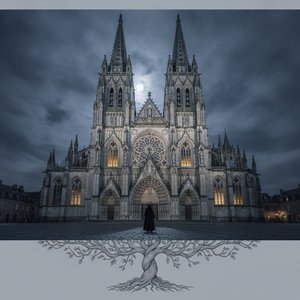
Shadows & Splendor: A Journey Through the Soul of Gothic Art and Architectural Grandeur
Embark on a profound journey through the spiritual intensity of Gothic art. Explore the architectural marvels, luminous stained glass, and sacred sculptures that define this era of grandeur and human devotion.

Beyond Borders: The Spiritual & Stylistic Innovations of International Gothic Art
Explore the exquisite beauty & spiritual depth of International Gothic art. Discover key artists like Simone Martini & Pol de Limbourg, its origins, symbolism, and lasting influence on European painting. Expert insights at OriginalUniqueArt.