
 Pregledaj u prostoru
 Pošalji
 Podeli
 Detalji o delu
 Vodič
Vodič

 Preuzmi
 Slični predmeti
 Rendgenski snimak
 Automatska prezentacija
 Q&A
Q&A Statistika
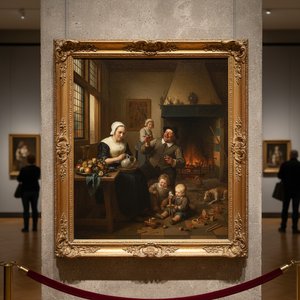
The Poultry Woman

- 61.0 x 45.0 cm


 Pročitaj više
Giclee štampa / Umetnički otisak
Giclée štampa ili print na platnu muzejskog kvaliteta uz brzu izradu i raznovrsne opcije završne obrade. ( Kupite ručno oslikano delo Pređi na digitalnu sliku)




P118B дин10

P118H дин10

P118W дин10

P438Z дин10

P508JH дин12

P508YH дин12

P805H дин10

P805Z дин10

P919BZ дин10

P919G дин10

P919XJ дин10

P959ZH дин10

P968JZ дин12

W106C дин8

W218G дин10

W218JH дин8

W218Y дин10

W307PJ дин10

W316G дин10

W316PJ дин8

W316Y дин10

W398PJ дин8

W4111J дин10

W500HY дин15

W500JH дин15

W692G дин12

W849H дин8

W940BG дин15

W953PJ дин8




Izaberite jednu od naših unapred definisanih veličina koje odgovaraju originalnim proporcijama umetničkog dela.

Unesite željenu širinu i visinu kako bi se štampa uklopila u vaš ram ili zid. Štampu je moguće samo iseći, ali nikada povećati iznad dimenzija originalne slike, stoga format sa drugačijim proporcijama uzrokuje gubitak dela slike. Pre početka štampe, poslaćemo vam digitalni prikaz radi potvrde. Slika prikazana na ovoj stranici ne predstavlja stvarni isrez — to pokazuje samo digitalni prikaz.
Dostava širom sveta () za 2 nedelje umesto uobičajenih 4/5 nedelja. (3 новембар)

Besplatna ekspresna dostava širom sveta

Visokokvalitetno laneno platno

Potpuno osiguranje transporta

Garancija povraćaja carine i uvoznih dažbina

Garancija vernosti boja

Politika povraćaja u roku od 100 dana (samo u slučaju nedostataka)

Garancija povrata 100% novca

Popust na više proizvoda
 Opcija sa staklom dostupna je samo za dimenzije manje od 110 cm

The Poultry Woman
Giclee štampa / Umetnički otisak
Dimenzije reprodukcije
-


Ukupna cena
дин 8366
A Moment Frozen in Time: The Story of *The Poultry Woman*
Gabriel Metsu’s *The Poultry Woman*, painted in 1662, isn't merely a depiction of a market scene; it’s a carefully constructed tableau brimming with quiet drama and subtle symbolism. Within the confines of a modest courtyard, bathed in the dramatic chiaroscuro characteristic of Dutch Golden Age painting, Metsu captures an intimate exchange between a nun offering fish, a woman presenting a bird – likely a chicken or duck – and two men engaged in conversation. The scene unfolds with remarkable realism, yet possesses an almost dreamlike quality, inviting viewers to contemplate the unspoken narratives woven into its composition. It’s a painting that whispers of prosperity, trade, and the delicate balance between human interaction and the natural world, all rendered with Metsu's signature meticulous detail and profound understanding of light and shadow.
- Historical Context: Painted during the height of the Dutch Golden Age, *The Poultry Woman* reflects a society experiencing unprecedented economic growth and artistic flourishing. Metsu’s work aligns with the broader trend of genre painting – scenes from everyday life – which gained prominence as a means of capturing the spirit of the era.
- Artist's Biography: Gabriel Metsu was an enigmatic figure, known for his eclectic style and relatively small body of work. His life remains somewhat shrouded in mystery, adding to the allure of his paintings. He worked primarily in Leiden and Amsterdam, developing a distinctive approach that blended realism with a subtle emotional depth.
The Language of Light and Shadow: Technique and Style
Metsu’s mastery lies not just in his ability to depict realistic figures and objects but also in his masterful manipulation of light and shadow – a technique known as chiaroscuro, deeply influenced by Rembrandt. Notice how the strong contrasts between light and dark sculpt the forms, creating a sense of volume and depth. The lighting isn't uniform; it highlights specific elements—the woman’s face, the bird she presents, the textures of clothing and feathers—drawing the viewer’s eye to key focal points. The painting is executed in oil on canvas with meticulous layering, building up texture and color through numerous thin glazes. This technique allows Metsu to achieve a remarkable level of detail, from the intricate folds of fabric to the individual strands of hair.
Key stylistic elements include:- Realism: Metsu’s commitment to accurate representation is evident in every detail, from the weathered faces of the figures to the realistic depiction of the poultry.
- Chiaroscuro: The dramatic use of light and shadow creates a sense of depth and atmosphere.
- Composition: The balanced composition draws the eye through the scene, guiding the viewer’s attention to the central interaction between the figures.
Symbolism and Interpretation: Unpacking the Scene
Beyond its surface realism, *The Poultry Woman* is rich in symbolic meaning. The offering of fish by the nun suggests charity and religious devotion, while the presentation of the bird represents abundance and prosperity – a common motif in Dutch art during this period. The two men conversing could symbolize commerce or social interaction, reflecting the bustling atmosphere of the market. Interestingly, Metsu often incorporated emblems from emblem books into his paintings, adding layers of meaning to his compositions. In *The Poultry Woman*, the bird itself might represent fertility and new beginnings, while the gesture of offering suggests a reciprocal exchange – a transaction not just of goods but also of goodwill.
A Timeless Masterpiece: Reproduction and Legacy
Gabriel Metsu’s *The Poultry Woman* remains one of the most captivating works of the Dutch Golden Age. Its intimate portrayal of everyday life, combined with its masterful technique and subtle symbolism, continues to resonate with viewers today. Reproductions offer a remarkable opportunity to bring this extraordinary painting into your home or office, allowing you to appreciate Metsu’s artistry and immerse yourself in the atmosphere of 17th-century Holland. Consider a high-quality print or canvas reproduction to capture the richness of color and detail that define this iconic masterpiece.
Pitanja i odgovori
Kakav osećaj izazivaju boje dela „The Poultry Woman”, autor Габријел Мецу?
U delu "The Poultry Woman", boje Earthy prate Nostalgic osećaj.
Da li je "The Poultry Woman" ostalo u domovini svog umetnika?
Ne – umetničko delo se nalazi u inostranstvu. Габријел Мецу je rođen/a u Недерланди, dok se originalno delo "The Poultry Woman" čuva u muzeju u Deutschland.
Koje su stvarne dimenzije dela „The Poultry Woman”, autor Габријел Мецу?
Dimenzije originalnog dela „The Poultry Woman”, autor Габријел Мецу su 61 x 45 cm.
Biografija umetnika
**život posvećen umetničkom istraživanju**
Gabrijel Metsu, holandski slikar iz Nizozemske, vodio je život obeležen umetničkim istraživanjem i inovacijama. Rođen 1629. godine, Metsuovo delo je oličilo duh holandskog zlatnog doba, perioda poznatog po svom obilnom umetničkom stvaralaštvu. Ova biografija istražuje život i dela ove enigmatične ličnosti, čiji doprinos svetu umetnosti i danas fascinira posmatrače.**rani život i uticaji**
Metsu je rođen 1629. godine kao sin Žaka Metsua, tapetera i slikara koji je prvobitno dolazio iz Hainauta. Ovakva eklektična pozadina verovatno je uticala na Gabrijelovo rano interesovanje za različite umetničke tehnike. Selidba porodice u Lejden, gde je Metsu odrastao, izložila ga je raznim kulturnim uticajima koji će oblikovati njegov talenat.**umetnička karijera**
Metsuova karijera bila je obeležena odbijanjem prihvatanja samo jednog stila ili tehnike, zbog čega je dobio naziv „veoma eklektični umetnik“. Njegov rad je obuhvatao istorijske slike, mrtvu prirodu, portrete i žanrovske scene. Zanimljivo je da je samo 14 od njegovih 133 dela precizno datirano, što ostavlja mnogo toga neotkrivenog o njegovom kreativnom procesu.- Uticaj Rembranta van Rijna na Metsuovo rano delo očigledan je, naročito u njegovoj upotrebi svetlosti i boje.
- Metsuovo preseljenje u Amsterdam 1655. godine označilo je značajnu promenu u njegovom stilu, sa većim naglaskom na unutrašnje enterijere i žanrovske prizore.
- Njegovo povezivanje sa umetničkom zajednicom odražava se kroz rad sa umetnicima kao što su Mihil van Mušer i Jost van Hel.
**istaknuta dela i nasleđe**
Metsuove slike često su prikazivale mlade žene, trgovačke scene i starce, crpeći inspiraciju iz popularnih simbola tog vremena. Istaknut primer je Prodavnica živine, koja demonstrira njegovu veštinu korišćenja simbolizma. Ključna dela:- Bolesno dete (oko 1664. godine), koje odražava Metsuovo divljenje Vermerovim radovima.
- Portret porodice Hinlopen, remek-delo koje spaja žanrovsko i portretno slikarstvo.
**muzeji i kolekcije**
Metsuova dela mogu se pronaći u različitim muzejima, uključujući Rijksmuseum u Amsterdamu. Za više informacija o njegovoj umetnosti i istraživanje drugih slikara holandskog zlatnog doba, posetite /sr/art/show/art-d3c627-sr/ za sveobuhvatan pregled. Zaključak: Život i umetnost Gabrijela Metsua svedočanstvo su inovativnog duha holandskog zlatnog doba. Njegov eklektični stil, iako ponekad enigmatičan, ostavio je neizbrisiv trag u svetu umetnosti. Dok nastavljamo da otkrivamo više o njegovom životu i delima, podsećani smo na duboki uticaj koji je imao na razvoj zapadne umetnosti.- Za dublje razumevanje holandskog zlatnog doba, pogledajte [https://en.wikipedia.org/wiki/dutch_golden_age_painting](https://en.wikipedia.org/wiki/dutch_golden_age_painting).
- Istražite više Metsuovih dela i dela njegovih savremenika na [https://OriginalUniqueArt.com/@/gabriel-metsu](https://OriginalUniqueArt.com/@/gabriel-metsu).
**reference:**
- The House of Orange-Nassau Historic Collection Trust (Hag, Holandija), [https://OriginalUniqueArt.com/@@/a@d3ccx5](https://AllPaintings_Store.com/@@/a@d3ccx5).
- Van Gogh muzej (Holandija) - utočište ljubitelja umetnosti, [https://OriginalUniqueArt.com/@@/a@d3c8x3](https://OriginalUniqueArt.com/@@/a@d3c8x3).
- Slikarstvo holandskog zlatnog doba, [https://en.wikipedia.org/wiki/dutch_golden_age_painting](https://en.wikipedia.org/wiki/dutch_golden_age_painting).

Габријел Мецу
1629 - 1667 , Недерланди
Osnovne informacije
- Artistic Movement Or Style: Zlatno doba holandske umetnosti
- Artists Or Movements Influenced By This Artist:
- Michiel van Musscher
- Joost van Geel
- Artists Who Influenced This Artist:
- Rembrandt van Rijn
- Johannes Vermeer
- Date Of Birth: 1629
- Date Of Death: 1667
- Full Name: Gabriel Metsu
- Nationality: Holanđanin
- Notable Artworks:
- Bolest deteta
- Prodavac živine
- Portret porodice Hinlopen
- Place Of Birth (City And Country): Leiden, Holandija
Povezani članci

Zlatno doba Holandske umetnosti: Top 10 remek dela za vaš dom
Otkrijte remek dela Holandskog zlatnog doba! Uronite u svet Rembrandta, Vermeera i drugih majstora. 10 ikoničnih slika koje su definisale umetnost. Inspiracija za vaš dom i kolekciju - ekskluzivne reprodukcije na OriginalUniqueArt.com!

Golden Light & Dutch Skies: The Timeless Magic of Dutch Golden Age Landscapes
Discover the breathtaking beauty of Dutch Golden Age landscapes. Explore the mastery of light, chiaroscuro, and 17th-century realism through an expert art history lens, celebrating the enduring legacy of the Dutch Masters for discerning collectors and art lovers.

Gabriel Metsu: Illuminating Dutch Daily Life with Exquisite Detail
Explore the captivating world of Gabriel Metsu, a leading Dutch Golden Age painter. Discover his exquisite genre scenes, masterful realism, and insightful social commentary. Learn about key works & his lasting legacy.

Illuminating Innovation: Exploring the Dutch Golden Age of Painting
Explore the Dutch Golden Age of painting with OriginalUniqueArt. Discover Rembrandt, Vermeer & other Masters. Learn about key characteristics, iconic artworks, and lasting influence. Expert insights for collectors & enthusiasts.
Genre Painting: A Window into Daily Life & Societal Values of the Dutch Golden Age
Explore the captivating world of Dutch Golden Age genre painting! Discover realistic depictions of daily life, masterful artists like Ostade & Metsu, and hidden symbolism. Learn about this influential art movement with OriginalUniqueArt.
