

 Pregledaj u prostoru
 Podeli
 Podeli
 Detalji
 Vodič
Vodič

 Preuzmi sliku
 Slični predmeti
 Rendgenski snimak
 Automatska prezentacija
 Statistika
Dead Cock
 Acrylic On Canvas
- WallArt
- Baroque
 57.0 x 40.0 cm
 Museo del Prado
 Pročitaj više
Ručno rađena uljana reprodukcija
Ručno oslikano uljanim bojama na platnu u dimenzijama i okviru po vašem izboru, izrađeno po porudžbini od strane naših umetnika. ( Pređi na prodaju štampanih primeraka Pređi na prodaju digitalnih slika)




P118B дин10

P118H дин10

P118W дин10

P438Z дин10

P508JH дин12

P508YH дин12

P805H дин10

P805Z дин10

P919BZ дин10

P919G дин10

P919XJ дин10

P959ZH дин10

P968JZ дин12

W106C дин8

W218G дин10

W218JH дин8

W218Y дин10

W307PJ дин10

W316G дин10

W316PJ дин8

W316Y дин10

W398PJ дин8

W4111J дин10

W500HY дин15

W500JH дин15

W692G дин12

W849H дин8

W940BG дин15

W953PJ дин8




Izaberite jednu od naših unapred definisanih veličina koje odgovaraju originalnim proporcijama umetničkog dela.

Unesite širinu i visinu koja vam je potrebna, kako bi se uklopili u vaš ram ili zid. Pošto je ovo ručno oslikano delo, umetnik može naslikati malo više prostora oko slike ili malo skratiti ivice za dimenzije drugačijeg oblika — izbor je na vama. Pre početka rada, poslaćemo vam digitalni prikaz radi potvrde. Slika prikazana na ovoj stranici ne predstavlja konačan rezultat — samo digitalni prikaz pokazuje stvarnu sliku.
Nakon narudžbine, tim OriginalUniqueArt.com će klijentu putem e-pošte poslati uputstva i dostaviti prikaz predloženog rešenja
Svetska isporuka () za 3/4 nedelje umesto uobičajenih 5 nedelja. (23 октобар). Bez kompromisa po pitanju kvaliteta.

Besplatna ekspresna dostava širom sveta

Visokokvalitetno laneno platno

Sveobuhvatno osiguranje transporta

Garancija povraćaja carine i uvoznih dažbina

Garancija vernosti boja i autentičnosti pri reprodukciji

Politika povraćaja u roku od 100 dana (samo u slučaju nedostataka)

Garancija povrata 100% novca

Popust pri većoj količini
 Opcija sa staklom dostupna je samo za dimenzije manje od 110 cm

Dead Cock
Tehnika izrade reprodukcije
Veličina reprodukcije
-


Ukupna cena
дин 30988
A Silent Testament: Gabriel Metsu’s “Dead Cock”
Gabriel Metsu's "Dead Cock," painted circa 1659-1660, is not merely a still life; it’s a profoundly unsettling meditation on mortality, vulnerability, and the fleeting nature of beauty. This small panel, measuring just 57 x 40 cm, housed within the Museo del Prado in Madrid, commands attention with its stark simplicity and unnerving realism. It depicts a recently deceased rooster, meticulously rendered with an almost clinical precision – feathers ruffled, skin subtly flushed, and feet delicately positioned on a simple wooden hook. Yet, it’s precisely this meticulous detail that elevates the painting beyond a straightforward depiction of death; Metsu forces us to confront the raw, unvarnished truth of decay.
Metsu's artistic trajectory is notoriously complex, defying easy categorization. He was a “highly eclectic artist,” as art historian Arnold Houbraken noted, moving seamlessly between history paintings, portraits, and genre scenes – often blending influences from various masters like Rembrandt and Jan Steen. This versatility is particularly evident in "Dead Cock," which draws upon elements of both Dutch Baroque realism and the more emotionally charged style of Flemish artists. The composition itself is deceptively straightforward: a single subject dominating the frame, bathed in a muted, almost somber light that emphasizes its vulnerability. The dark background serves to heighten the rooster’s presence, creating a dramatic contrast that underscores its stillness.
The Symbolism of Mortality and Loss
The symbolism embedded within “Dead Cock” is layered and open to interpretation. The rooster itself – traditionally associated with masculinity, vitality, and heraldry – becomes an emblem of loss and the inevitable decline of life. Its recent demise is palpable; the subtle discoloration of its skin hints at the swiftness of death, while the carefully arranged feathers suggest a deliberate attempt to preserve some semblance of dignity in the face of oblivion. The hook, a simple, utilitarian object, serves as a stark reminder of the rooster’s fate – suspended between life and death, a poignant symbol of suspension itself.
Furthermore, the painting's context within Metsu’s oeuvre—his penchant for depicting solitary women engaged in domestic activities—adds another layer of meaning. The rooster’s vulnerability mirrors the fragility of human existence, echoing themes often explored in his genre scenes. It’s a quiet lament on the transient beauty of life and the inevitability of decay, rendered with an almost unnerving stillness.
Technique and Artistic Nuances
Metsu's technical skill is undeniable. He masterfully employs chiaroscuro – the dramatic contrast between light and shadow – to sculpt the form of the rooster, creating a sense of three-dimensionality that belies its small scale. The meticulous rendering of feathers, with their individual textures and subtle variations in color, demonstrates an extraordinary level of detail and observation. The use of oil paint allows for a rich, luminous quality, capturing the delicate sheen of skin and the subtle reflections on the rooster’s plumage.
Notably, Metsu's work was often characterized by a deliberate lack of overt sentimentality. He avoided dramatic gestures or exaggerated expressions, instead opting for a quiet, understated realism that invites contemplation. This restraint is particularly evident in “Dead Cock,” where the painting’s power lies not in its emotional intensity but in its ability to evoke a profound sense of melancholy and reflection.
A Reproduction Worth Cherishing
OriginalUniqueArt offers meticulously hand-painted reproductions of Gabriel Metsu's "Dead Cock," capturing the essence of this haunting masterpiece. Each reproduction is created by skilled artists using archival-quality materials, ensuring that the colors and details faithfully replicate those of the original painting. Whether displayed in a formal gallery setting or incorporated into a personal collection, this reproduction provides a tangible connection to one of the most enigmatic figures of the Dutch Golden Age – a silent testament to the beauty and fragility of life.
Pitanja i odgovori
Kako se opisuje paleta dela „Dead Cock”, Габријел Мецу?
„Dead Cock”, Габријел Мецу koristi Earthy paletu boja. Ova paleta sažima opšti koloristički karakter dela.
Koju emociju prenosi delo Baroque pokreta "Dead Cock"?
Unutar pokreta Baroque, delo "Dead Cock" je zabeleženo sa Melancholic tonom.
Od čega je izrađeno "Dead Cock" i u kom stilu?
„Dead Cock”, Габријел Мецу spaja tehniku Acrylic On Canvas sa stilom Baroque. Tehnika i pravac opisuju način izrade i stil dela.
Biografija umetnika
**život posvećen umetničkom istraživanju**
Gabrijel Metsu, holandski slikar iz Nizozemske, vodio je život obeležen umetničkim istraživanjem i inovacijama. Rođen 1629. godine, Metsuovo delo je oličilo duh holandskog zlatnog doba, perioda poznatog po svom obilnom umetničkom stvaralaštvu. Ova biografija istražuje život i dela ove enigmatične ličnosti, čiji doprinos svetu umetnosti i danas fascinira posmatrače.**rani život i uticaji**
Metsu je rođen 1629. godine kao sin Žaka Metsua, tapetera i slikara koji je prvobitno dolazio iz Hainauta. Ovakva eklektična pozadina verovatno je uticala na Gabrijelovo rano interesovanje za različite umetničke tehnike. Selidba porodice u Lejden, gde je Metsu odrastao, izložila ga je raznim kulturnim uticajima koji će oblikovati njegov talenat.**umetnička karijera**
Metsuova karijera bila je obeležena odbijanjem prihvatanja samo jednog stila ili tehnike, zbog čega je dobio naziv „veoma eklektični umetnik“. Njegov rad je obuhvatao istorijske slike, mrtvu prirodu, portrete i žanrovske scene. Zanimljivo je da je samo 14 od njegovih 133 dela precizno datirano, što ostavlja mnogo toga neotkrivenog o njegovom kreativnom procesu.- Uticaj Rembranta van Rijna na Metsuovo rano delo očigledan je, naročito u njegovoj upotrebi svetlosti i boje.
- Metsuovo preseljenje u Amsterdam 1655. godine označilo je značajnu promenu u njegovom stilu, sa većim naglaskom na unutrašnje enterijere i žanrovske prizore.
- Njegovo povezivanje sa umetničkom zajednicom odražava se kroz rad sa umetnicima kao što su Mihil van Mušer i Jost van Hel.
**istaknuta dela i nasleđe**
Metsuove slike često su prikazivale mlade žene, trgovačke scene i starce, crpeći inspiraciju iz popularnih simbola tog vremena. Istaknut primer je Prodavnica živine, koja demonstrira njegovu veštinu korišćenja simbolizma. Ključna dela:- Bolesno dete (oko 1664. godine), koje odražava Metsuovo divljenje Vermerovim radovima.
- Portret porodice Hinlopen, remek-delo koje spaja žanrovsko i portretno slikarstvo.
**muzeji i kolekcije**
Metsuova dela mogu se pronaći u različitim muzejima, uključujući Rijksmuseum u Amsterdamu. Za više informacija o njegovoj umetnosti i istraživanje drugih slikara holandskog zlatnog doba, posetite /sr/art/show/art-d3c627-sr/ za sveobuhvatan pregled. Zaključak: Život i umetnost Gabrijela Metsua svedočanstvo su inovativnog duha holandskog zlatnog doba. Njegov eklektični stil, iako ponekad enigmatičan, ostavio je neizbrisiv trag u svetu umetnosti. Dok nastavljamo da otkrivamo više o njegovom životu i delima, podsećani smo na duboki uticaj koji je imao na razvoj zapadne umetnosti.- Za dublje razumevanje holandskog zlatnog doba, pogledajte [https://en.wikipedia.org/wiki/dutch_golden_age_painting](https://en.wikipedia.org/wiki/dutch_golden_age_painting).
- Istražite više Metsuovih dela i dela njegovih savremenika na [https://OriginalUniqueArt.com/@/gabriel-metsu](https://OriginalUniqueArt.com/@/gabriel-metsu).
**reference:**
- The House of Orange-Nassau Historic Collection Trust (Hag, Holandija), [https://OriginalUniqueArt.com/@@/a@d3ccx5](https://AllPaintings_Store.com/@@/a@d3ccx5).
- Van Gogh muzej (Holandija) - utočište ljubitelja umetnosti, [https://OriginalUniqueArt.com/@@/a@d3c8x3](https://OriginalUniqueArt.com/@@/a@d3c8x3).
- Slikarstvo holandskog zlatnog doba, [https://en.wikipedia.org/wiki/dutch_golden_age_painting](https://en.wikipedia.org/wiki/dutch_golden_age_painting).

Габријел Мецу
1629 - 1667 , Недерланди
Brzi pregled
- Artistic Movement Or Style: Zlatno doba holandske umetnosti
- Artists Or Movements Influenced By This Artist:
- Michiel van Musscher
- Joost van Geel
- Artists Who Influenced This Artist:
- Rembrandt van Rijn
- Johannes Vermeer
- Date Of Birth: 1629
- Date Of Death: 1667
- Full Name: Gabriel Metsu
- Nationality: Holanđanin
- Notable Artworks:
- Bolest deteta
- Prodavac živine
- Portret porodice Hinlopen
- Place Of Birth (City And Country): Leiden, Holandija
Srodni članci

Dante Gabriel Rossetti: 25 Remek-dela Pre-Raphaelita i Inspiracija za Vaš Dom
Istražite 25 remek-dela Dante Gabriel Rossettija, ikone Pre-Raphaelita! Otkrijte priče iza slika, simbolizam i inspiraciju za vaš dom. Kvalitetne reprodukcije na OriginalUniqueArt.com.

Zlatno doba Holandske umetnosti: Top 10 remek dela za vaš dom
Otkrijte remek dela Holandskog zlatnog doba! Uronite u svet Rembrandta, Vermeera i drugih majstora. 10 ikoničnih slika koje su definisale umetnost. Inspiracija za vaš dom i kolekciju - ekskluzivne reprodukcije na OriginalUniqueArt.com!

Gabriel Metsu: Illuminating Dutch Daily Life with Exquisite Detail
Explore the captivating world of Gabriel Metsu, a leading Dutch Golden Age painter. Discover his exquisite genre scenes, masterful realism, and insightful social commentary. Learn about key works & his lasting legacy.
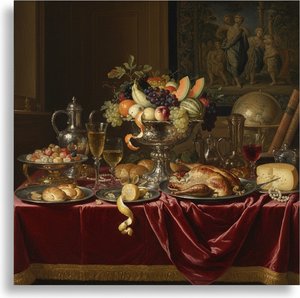
Abraham Hendricksz van Beyeren: Pioneering Dutch Still Life & the Banquet Tradition
Explore the captivating world of Dutch Golden Age still life with Abraham van Beyeren. Discover his innovative techniques, symbolic banquet scenes & lasting influence on art history. Learn about collecting these masterpieces.

Golden Light & Dutch Skies: The Timeless Magic of Dutch Golden Age Landscapes
Discover the breathtaking beauty of Dutch Golden Age landscapes. Explore the mastery of light, chiaroscuro, and 17th-century realism through an expert art history lens, celebrating the enduring legacy of the Dutch Masters for discerning collectors and art lovers.
