
 Pregledaj u prostoru
 Pošalji
 Podeli
 Detalji o delu

 Преузми
 Slični predmeti
 Rendgenski snimak
 Slajdovi
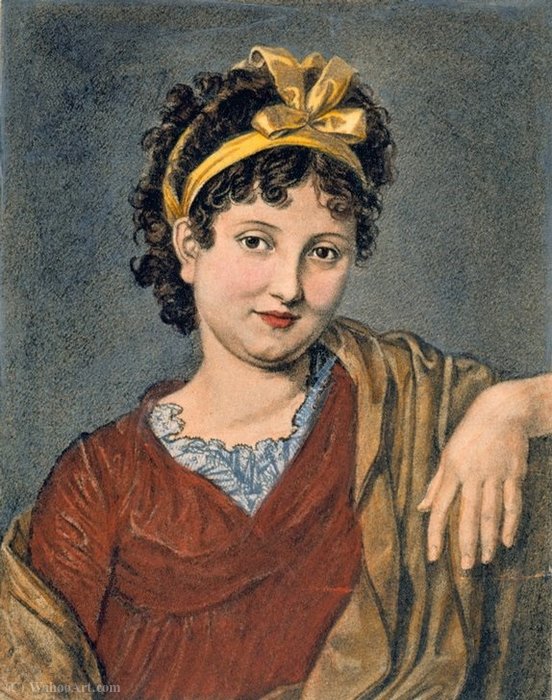
Portrait
 Pročitaj više
Kupite digitalnu sliku visoke rezolucije i poboljšanog kvaliteta, koja je znatno superiornija od onoga što vidite u online prikazu.
Svaka datoteka je pedantno pripremljena od strane naših stručnjaka koristeći napredne alate i profesionalnu ručnu retušu. Osiguravamo da svaka slika ima izuzetnu oštrinu, preciznu reprodukciju boja i fine detalje.
Konačna datoteka se dostavlja putem e-pošte u roku od 72 sata, optimizovana za neposrednu upotrebu u profesionalnim, izdavačkim i štamparskim okruženjima. To je isti kvalitet kojem veruju vrhunski studiji dizajna, izdavači i galerije.
Digitalna slika
Preuzmite datoteku visoke rezolucije za ličnu upotrebu, štampanje i kreativne projekte. ( Kupi print Kupi ručno naslikanu sliku)
Uključeno uz svaku porudžbinu digitalne slike
Profesionalna digitalna isporuka, zagarantovana
Kada odaberete OriginalUniqueArt.com, ne dobijate samo sliku – vi primate profesionalno unapređeno digitalno umetničko delo, izrađeno sa najvećom preciznošću i uz garanciju zadovoljstva. Evo svega što automatski dolazi uz vašu porudžbinu:

Brza dostava putem e-pošte
Vaša digitalna slika visoke rezolucije biće vam poslata putem e-pošte u roku od 72 sata od poručivanja – spremna za trenutnu upotrebu.

Digitalna datoteka unapređena veštačkom inteligencijom
Vaše umetničko delo je profesionalno optimizovano korišćenjem naprednih AI alata i ručne obrade, čime se osiguravaju maksimalni detalji, oštrina i preciznost boja.

Besplatna ponovna isporuka doživotno
Slučajno ste obrisali ili izgubili svoju datoteku? Ne brinite – poslaćemo vam je ponovo u bilo kom trenutku, potpuno besplatno.

Bez troškova uvoza – zauvek
Uživajte u svojim umetničkim delima trenutno, bez carine, dažbina ili troškova dostave – digitalni download je uvek bez poreza.

Garancija vernosti boja
Uz pomoć profesionalnih alata i upravljanja bojama, osiguravamo da vaša digitalna slika što vernije odražava originalne boje.

Garancija zadovoljstva u roku od 60 dana
Ako niste zadovoljni svojom digitalnom slikom, revidirat ćemo je ili vratiti 100% novca u roku od 60 dana – bez ikakvih pitanja.

100% garancija povrata novca
Niste zadovoljni? Obezbedite pun povrat novca u roku od 60 dana od trenutka kada ste primili svoju digitalnu datoteku – bez suvišnih pitanja.

Popusti na velike porudžbine
Kupite 3 slike, uštedite 10% - Kupite 5 slika, uštedite 15% - Kupite 10+ slika, uštedite 20%. Odlično za kreativne projekte, galerije i agencije.
Biografija umetnika
George Morland: A Life Painted in Shadow and Light
Born in London on June 26, 1763 (or possibly May 26th, according to his own account), George Morland’s life was a turbulent tapestry woven with threads of prodigious talent, dissolute living, and ultimately, premature death. His early years were marked by an apprenticeship under his father, Henry Morland, a painter who dabbled in portraiture, fantasy scenes, restoration work, and even forgery – a profession that undoubtedly shaped young George’s understanding of the art market and its potential for deception. This familial legacy instilled within him both a remarkable artistic skill and a somewhat dubious moral compass.
Morland's career began with an astonishing output, producing hundreds of works despite a lifestyle characterized by excessive drinking, gambling debts, and frequent periods of imprisonment. He specialized in small-scale genre scenes, primarily depicting rural life – not the idealized pastoralism of his contemporaries, but rather the gritty realities of taverns, stables, and market squares. These weren’t grand landscapes or heroic narratives; instead, he captured fleeting moments of everyday existence: a group of dogs huddled together for warmth, a drunken brawl in a public house, a horse-drawn cart struggling through muddy lanes. His subjects were largely drawn from the lower classes – stable boys, laborers, and itinerant merchants – offering a rare glimpse into the lives of those often overlooked by the art world.
While his technical skill is undeniable—Morland possessed a remarkable ability to capture light and tone with a spirited, almost frenetic brushstroke—his work is frequently uneven in quality. Some pieces are remarkably vibrant and full of life, while others feel hastily executed. However, it’s precisely this inconsistency that contributes to the enduring fascination with Morland's oeuvre. His paintings became immensely popular during his lifetime, fueled by a network of dealers and printmakers who exploited his prolific output. Numerous prints were produced after his work, some even created by his brother-in-law, William Ward, further amplifying his fame – and contributing to the problem of forgery.
The Influence of John Raphael Smith and the Print Trade
George Morland’s success was inextricably linked to the burgeoning print trade. He collaborated extensively with John Raphael Smith (1752–1812), a prominent engraver and publisher, who recognized Morland's talent and established a lucrative partnership. Smith acted as Morland’s agent, overseeing the production of prints based on his paintings – often without Morland’s direct involvement or compensation. This arrangement significantly boosted Morland’s income but also raised questions about authorship and artistic control.
The print trade played a crucial role in disseminating Morland's work to a wider audience, transforming his small-scale genre scenes into affordable commodities. These prints were incredibly popular, particularly among the middle classes who could not afford the original paintings. The demand for Morland’s images fueled a wave of imitation and forgery, further complicating the issue of authenticity and contributing to the artist's somewhat tarnished reputation.
Furthermore, Smith’s influence extended beyond simply producing prints; he also introduced Morland to the world of theatrical scenery design. This experience likely informed Morland’s depictions of crowded interiors and dynamic group compositions, elements that are evident in his later works.
A Complex Legacy: Talent and Scandal
George Morland's life was marked by a profound contradiction between his artistic talent and his personal conduct. He was a gifted painter who captured the essence of everyday life with remarkable immediacy, yet he lived a life of extravagance and irresponsibility, accumulating significant debts and facing repeated imprisonment. This duality has fueled ongoing debate about Morland’s legacy – is he primarily remembered as a brilliant artist or as a cautionary tale of excess?
Contemporary critics often viewed Morland's lifestyle with disapproval, associating his dissolute behavior with the decline of artistic standards. However, later scholars have recognized the significance of Morland’s work in documenting the realities of rural life and offering a sympathetic portrayal of marginalized communities. His paintings provide valuable insights into the social and economic conditions of 18th-century England.
The artist died suddenly on October 29, 1804, at the age of forty-one, leaving behind a vast body of work that continues to fascinate and intrigue art historians today. His premature death, shrouded in speculation about illness and possibly poisoning, only added to the mystique surrounding his life and career.
Morland’s Influence and Artistic Connections
Despite the controversies surrounding his personal life, George Morland exerted a subtle but discernible influence on other artists of his time. His dynamic compositions, particularly those featuring groups of figures, resonated with painters like Thomas Girtin, who incorporated similar elements into his own works. The connection between Morland and Girtin is further evidenced by the collaboration on *The Earth Stopper*, an etching that showcases a shared interest in capturing fleeting moments of everyday life.
Furthermore, Morland’s work served as a model for printmakers, who sought to emulate his distinctive style and technique. The popularity of his prints contributed to the development of the genre of topographical prints, which depicted scenes of English landscapes and towns. The legacy of George Morland is therefore intertwined with that of the print trade itself, demonstrating how an artist’s work can transcend its original medium and exert a lasting impact on the broader art world.
Morland's paintings remain valuable examples of British genre painting, offering a unique window into the social and cultural landscape of early 19th-century England. His distinctive style and evocative imagery continue to captivate viewers today, solidifying his place as one of the most intriguing and enduring figures in British art history.

friedrich bury
1763 - 1823

