
 Pregledaj u prostoru
 Pošalji
 Podeli
 Detalji o delu

 Преузми
 Slični predmeti
 Rendgenski snimak
 Slajdovi
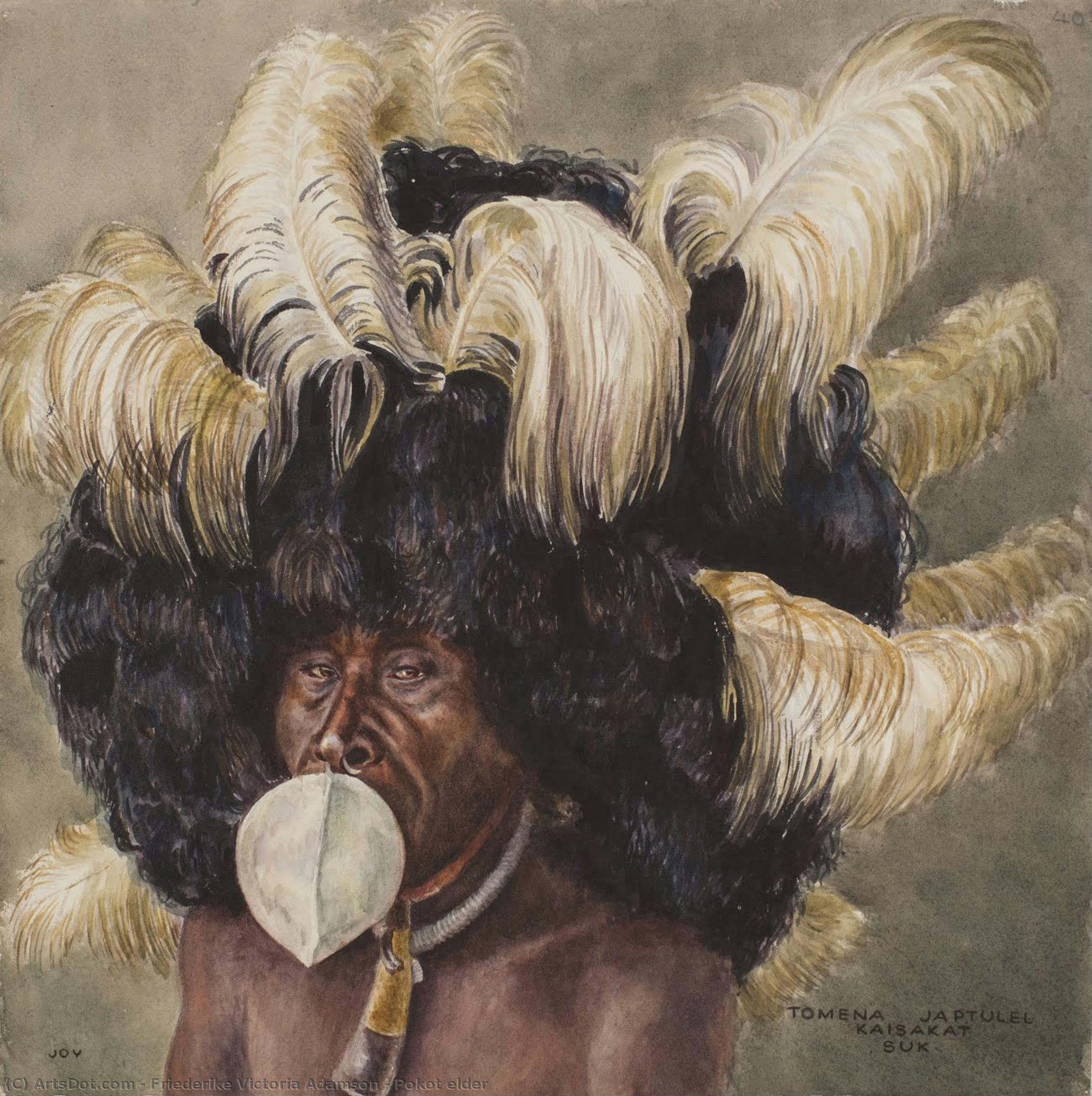
Pokot elder

 Pročitaj više
Giclee štampa / Umetnički otisak
Giclée štampa ili print na platnu muzejskog kvaliteta uz brzu proizvodnju i fleksibilne opcije završne obrade. ( Kupi ručno naslikanu sliku Kupi digitalnu sliku)




































Izaberite jednu od naših unapred definisanih veličina koje odgovaraju originalnim proporcijama umetničkog dela.

Možete uneti sopstvene dimenzije kako biste umetničko delo prilagodili specifičnom okviru ili prostoru. Ako odabrani format ne odgovara proporcijama originalne slike, mi ćemo ili iscrtati deo dela ili proširiti sliku pomoću ogledane ivice ili jednobojnog popunjavanja. Digitalni prikaz će vam biti poslat na odobrenje pre početka proizvodnje.
Imajte na umu da pregled na ekranu ne odražava stvarno iscrtavanje ili proširivanje. Samo će prikaz (mockup) precizno pokazati finalnu kompoziciju.
Iako su prilagođene dimenzije dostupne, preporučujemo da odaberete dimenziju sa unapred definisane liste kako biste očuvali originalne proporcije.
Dostava širom sveta () za 2 nedelje umesto uobičajenih 4/5 nedelja. (16 август)

Besplatna ekspresna dostava širom sveta

Visokokvalitetno laneno platno

Kompletno osiguranje transporta

Garancija povraćaja carine i uvoznih dažbina

Garancija vernosti boja

Politika povrata u roku od 60 dana (samo u slučaju nedostataka)

Garancija povrata novca od 100%

Popust pri grupnoj kupovini
 Opcija sa staklom dostupna je samo za dimenzije manje od 110 cm

Pokot elder
Giclee štampa / Umetnički otisak
Dimenzije reprodukcije
-


Konačna cena
$ 80
Biografija umetnika
Friederike Victoria Adamson: A Life Bridging Worlds
Born Friederike Victoria Gessner in Troppau, Austria-Hungary (now Opava, Czech Republic) in 1910, Joy Adamson’s life was a remarkable tapestry woven from threads of naturalism, artistic passion, and a profound connection to the animal kingdom. Her journey began amidst the backdrop of post-war Europe, shaped by a childhood marked by her parents' divorce and a subsequent move to Vienna. It was during this period that she discovered a deep appreciation for art, particularly sculpting, laying the foundation for her later career as an illustrator and artist. However, it wasn’t until her relocation to Kenya in 1937 that her destiny truly began to unfold – a land of vibrant wildlife and untamed beauty that would forever alter the course of her life and leave an indelible mark on conservation history.
Initially drawn to the country by her husband, Peter Bally, a botanist who encouraged her artistic pursuits, Joy quickly found herself captivated by Kenya’s diverse fauna. She began documenting this world through sketches and paintings, capturing the essence of African wildlife with a keen eye for detail and an intuitive understanding of animal behavior. These early works weren't merely representations; they were imbued with a sense of respect and admiration for the creatures she depicted. It was during this time that she met George Adamson, then a senior wildlife warden, forging a partnership that would ultimately lead to one of the most extraordinary stories in conservation history.
The Birth of Elsa: A Pioneering Story
Joy and George’s life took an unprecedented turn in 1956 when they discovered a lioness cub abandoned by her mother. Recognizing the animal's vulnerability, they defied conventional wisdom and decided to raise her as their own. This act of compassion, documented in Joy Adamson’s seminal book, *Born Free*, captivated the world and shattered long-held beliefs about the impossibility of rehabilitating wild animals. Elsa, the lioness cub who became a global icon, wasn't just a subject of art; she was the embodiment of their shared vision – a testament to the potential for coexistence between humans and wildlife.
The story’s success extended beyond the printed page, culminating in an Academy Award-winning film adaptation in 1966. This cinematic portrayal further amplified the message of *Born Free*, raising awareness about conservation issues and inspiring a generation to embrace responsible stewardship of the natural world. The film's enduring popularity cemented Joy Adamson’s legacy as a champion for wildlife, demonstrating the power of storytelling to effect positive change.
Artistic Style & Cultural Influences
Joy Adamson’s artistic style was deeply rooted in her experiences and observations of African life. Her paintings are characterized by a remarkable realism, capturing the textures of fur, feathers, and skin with meticulous detail. She skillfully employed muted earth tones – ochres, browns, and greens – to evoke the landscapes she so intimately knew. However, it wasn’t simply technical proficiency that defined her work; there was an underlying sense of empathy and respect for the animals she portrayed.
Her art also reflected a deep engagement with tribal cultures. Adamson spent considerable time among various Kenyan tribes – the Luo, Borana, and Pokot – documenting their traditions, customs, and attire. These encounters profoundly influenced her artistic perspective, leading her to incorporate elements of tribal dress and symbolism into her portraits. Her paintings weren’t just representations of individuals; they were celebrations of cultural heritage, offering a window into the rich diversity of Kenyan society. The "Luo Woman," “Borana Chief,” and “Pokot elder” pieces exemplify this fusion of wildlife portraiture and ethnographic detail.
Legacy & Recognition
Joy Adamson’s contributions extended far beyond her literary and artistic achievements. In 1977, she was awarded the Austrian Cross of Honour for Science and Art, a testament to her dedication to conservation and her ability to bridge cultural divides. Her work served as a catalyst for increased awareness about wildlife protection and inspired numerous conservation initiatives worldwide.
Even after Elsa’s death in 1961, Joy and George Adamson continued their efforts to rehabilitate orphaned animals, establishing the Kora National Reserve as a sanctuary for lions and other big cats. Their pioneering work laid the groundwork for modern wildlife rehabilitation programs, demonstrating that even the most challenging of creatures could be given a second chance at life. Joy Adamson died in January 1980, leaving behind a legacy of compassion, courage, and unwavering commitment to the preservation of Africa’s wild heritage. Her story continues to resonate today, reminding us of the profound interconnectedness between humanity and the natural world.

friederike victoria adamson
1910 - 1980 , Croatia
Osnovne informacije
- Artistic Movement Or Style: Tribal art style
- Date Of Birth: January 20, 1910
- Date Of Death: January 3, 1980
- Full Name: Friederike Victoria Adamson
- Nationality: Austrian
- Notable Artworks:
- Luo Woman
- Borana Chief
- Pokot elder
- Place Of Birth: Troppau, Austria-Hungary

