
 Pregledaj u prostoru
 Pošalji
 Podeli
 Detalji o delu
 Vodič
Vodič

 Preuzmi
 Slični predmeti
 Rendgenski snimak
 Automatska prezentacija
 Pitanja i odgovori
 Statistika
Desk and Sidechair


 Pročitaj više
Giclee štampa / Umetnički otisak
Giclée štampa ili print na platnu muzejskog kvaliteta uz brzu izradu i raznovrsne opcije završne obrade. ( Kupite ručno oslikano delo Pređi na digitalnu sliku)




P118B дин10

P118H дин10

P118W дин10

P438Z дин10

P508JH дин12

P508YH дин12

P805H дин10

P805Z дин10

P919BZ дин10

P919G дин10

P919XJ дин10

P959ZH дин10

P968JZ дин12

W106C дин8

W218G дин10

W218JH дин8

W218Y дин10

W307PJ дин10

W316G дин10

W316PJ дин8

W316Y дин10

W398PJ дин8

W4111J дин10

W500HY дин15

W500JH дин15

W692G дин12

W849H дин8

W940BG дин15

W953PJ дин8




Izaberite jednu od naših unapred definisanih veličina koje odgovaraju originalnim proporcijama umetničkog dela.

Unesite željenu širinu i visinu kako bi se štampa uklopila u vaš ram ili zid. Štampu je moguće samo iseći, ali nikada povećati iznad dimenzija originalne slike, stoga format sa drugačijim proporcijama uzrokuje gubitak dela slike. Pre početka štampe, poslaćemo vam digitalni prikaz radi potvrde. Slika prikazana na ovoj stranici ne predstavlja stvarni isrez — to pokazuje samo digitalni prikaz.
Dostava širom sveta () za 2 nedelje umesto uobičajenih 4/5 nedelja. (5 новембар)

Besplatna ekspresna dostava širom sveta

Visokokvalitetno laneno platno

Potpuno osiguranje transporta

Garancija povraćaja carine i uvoznih dažbina

Garancija vernosti boja

Politika povraćaja u roku od 100 dana (samo u slučaju nedostataka)

Garancija povrata 100% novca

Popust na više proizvoda
 Opcija sa staklom dostupna je samo za dimenzije manje od 110 cm

Desk and Sidechair
Giclee štampa / Umetnički otisak
Dimenzije reprodukcije
-


Ukupna cena
дин 8493
Frederick W. Harer’s ‘Desk and Sidechair’: A Testament to Arts & Crafts Elegance
The image before us – “Desk and Sidechair” by Frederick William Harer – isn't merely a depiction of furniture; it’s a carefully constructed narrative of early 20th-century American artistry. Crafted in the early 1930s, during a pivotal moment for modernist design, this rectilinear desk and accompanying side chair offer a tangible connection to the New Hope group of artists, a collective that sought to infuse everyday objects with beauty and purpose. Harer’s work, largely defined by his exceptional skill as a framemaker, reveals a deep understanding of form, texture, and the subtle power of decorative embellishment – qualities that elevated his furniture beyond simple functionality.
- The Maker's Hand: Frederick W. Harer’s journey began in Blossburg, Pennsylvania, learning the fundamentals of woodworking from his father. This foundational knowledge is evident in the desk’s solid construction and the chair’s robust design.
- Innovative Framing Techniques: Harer’s fame stemmed primarily from his intricately designed frames, often adorned with stenciled and incised ornamentation alongside unique punched designs within gilded surfaces. These techniques were clearly applied to the furniture as well.
- Geometric Harmony: The desk and chair are characterized by a restrained elegance – a hallmark of the Arts & Crafts movement. Notice the recurring geometric motifs: the zigzag, herringbone, and chevron patterns, not just decorative elements but deliberate choices reflecting a desire for order and balance.
A Window into the New Hope Movement
This piece emerged during a fascinating period in American art history – September 1933, to be precise. Harer’s furniture was showcased at an exhibition organized by the loosely affiliated “Independents,” a group of New Hope modernist artists who were challenging traditional artistic conventions and seeking to integrate art into everyday life. This event marked a significant moment for Harer, solidifying his reputation as a designer pushing boundaries within the established aesthetic landscape. The influence of figures like Thomas Anschutz and William Merritt Chase, whom Harer studied under, is subtly present in the piece’s formal qualities.
The rectilinear style, favored by the New Hope group, represented a rejection of Victorian excess and an embrace of simplicity and functionality. It was a deliberate move towards a more honest and direct expression of form – a philosophy deeply rooted in the Arts & Crafts movement's emphasis on craftsmanship and natural materials.
Technique and Materials: A Gilded Reflection
Harer’s mastery lay not just in his design sense but also in his technical prowess. The desk and chair are constructed from wood, likely maple or oak, a common choice for furniture makers of the era. However, it's the meticulous application of gold leaf – a signature element of Harer’s work – that truly elevates this piece. The gilded frame surfaces, extending onto the desk and chair, create a shimmering effect, adding depth and richness to the composition. This technique, combined with incised detailing, demonstrates a remarkable level of skill and patience.
Symbolism and Emotional Impact
"Desk and Sidechair" evokes a sense of quiet contemplation and timeless elegance. The piece speaks to an era where craftsmanship was valued above mass production, and beauty was found in the details. It’s a reminder of a slower pace of life, inviting us to appreciate the simple pleasures of work and reflection. This reproduction offers a chance to own a tangible link to this remarkable artist and his contribution to American design – a piece that will undoubtedly become a cherished addition to any discerning collection or interior space.
Pitanja i odgovori
Da li je delo "Desk and Sidechair" autora Frendrik Vilijam Harer u javnom vlasništvu i zašto?
„Desk and Sidechair”, autor Frendrik Vilijam Harer je u u javnom vlasništvu – autorska prava su istekla. Autorska prava traju od smrti umetnika, koja se dogodila 1949.
Koji emocionalni ton prati stil Arts and Crafts u delu "Desk and Sidechair"?
U okviru pokreta Arts and Crafts, delo "Desk and Sidechair" je prikazano sa Nostalgic tonom.
Da li su boje dela „Desk and Sidechair”, autor Frendrik Vilijam Harer živopisne ili prigušene?
„Desk and Sidechair”, autor Frendrik Vilijam Harer je zabeležen sa Balanced Soft zasićenosti i Balanced intenzitetom.
Biografija umetnika
život posvećen umetnosti i zanatu
Frendrik Vilijam Harer, američki slikar, skulptor i umetnik grafike, ostavio je neizbrisiv trag u svetu umetnosti zahvaljujući svojoj izuzetnoj veštini pozlatiča i krojača okvira. Rođen u Blosburgu, u Pensilvaniji, 15. novembra 1879. godine, Harerov život bio je pravi svedočanstvo njegove nepokolebljive posvećenosti zanatu i umetničkom stvaralaštvu.rani život i obrazovanje
Njegovo rano upoznavanje sa svetom stolarstva, pod vođstvom oca, uspešnog proizvođača nameštaja, postavilo je temelje za njegov budući put. Nakon očeve smrti, Harer je nasledio njegov alat, koji će kasnije postati presudan deo njegovog umetničkog putovanja. Svoje formalno obrazovanje sticao je u Školi za industrijske umetnosti u Pensilvaniji i Akademiji lepih umetnosti u Pensilvaniji (1900–1903. i 1908–1910.), gde je radio pod mentorstvom čuvenih umetnika, Tomasa Anšutza i Vilijama Merita Čejza.estetski uticaji i izložbe
Harerova ekstenzivna putovanja, naročito posete Španiji i Zapadnim Indijima, značajno su oblikovala njegovu estetsku viziju. Ova eklektična mešavina stilova jasno se ogleda u njegovim delima, koja su bila izložena u Nacionalnoj akademiji dizajna i Akademiji lepih umetnosti u Pensilvaniji. Njegovi okviri nisu samo podigli vrednost slika pensilvanijskih impresionista, već su inspirisali i novu generaciju umešnika u izradi okvira, među kojima su bili Frensis A. Kol i Kulen Jits.nasleđe i uticaj
Harerova smrt, 27. aprila 1949. godine u Uhlerstownu, označila je kraj jedne ere, ali njegovo nasleđe živi kroz njegova dela. Za ljubitelje umetnosti i kolekcionare, prisustvo Harerovog okvira na pensilvanijskoj impresionističkoj slici predstavlja dragoceno i značajno proširenje svake kolekcije.- pogledajte dela koja je stvorio Frendrik Vilijam Harer na https://OriginalUniqueArt.com/@/frederick-william-harer
- istražite Akademiju lepih umetnosti u Pensilvaniji i njene istaknute umetnike na https://OriginalUniqueArt.com/@@/a@d3b26f
- saznajte više o umetnosti uokvirivanja i njenom značaju u svetu umetnosti na https://OriginalUniqueArt.com/@@/9avdsj-painting-process--looking-over-the-artist’s-shoulder-–-2/2
- otkrijte svet umetnosti uz vrhunski izrađene reprodukcije i printove na platnu kompanije OriginalUniqueArt.
reference:
- Frendrik Harer - wikipedia, https://en.wikipedia.org/wiki/frederick_harer
- Eli Vilner (1988). "The art of the frame": izložba fokusirana na američke okvire pokreta Arts & Crafts, 1870–1920.
- Vilijam Adair (1995). "The frame in America, 1860–1960": izložba održana u zgradi Federalnog rezervisane komisije, Vašington, D.C.

Frendrik Vilijam Harer
1879 - 1949 , Sjedinjene Američke Države
Osnovne informacije
- Artistic Movement Or Style: Arts & Crafts, Pozlatič/Okvirar
- Artists Or Movements Influenced By This Artist:
- Fransis A. Kol
- Kulen Jits
- Artists Who Influenced This Artist:
- Tomas Anšuc
- Vilijam Merit Čejs
- Date Of Birth: 1879
- Date Of Death: 1949
- Full Name: Frendrik Vilijam Harer
- Nationality: Amerikanc
- Notable Artworks:
- Biro i bočna stolica
- Knole House
- Place Of Birth: Blosburg, Sjedinjene Američke Države
Povezani članci

The Frame as Argument: An Expert Guide to Selecting the Perfect Frame for Your Art
Master the art of presentation with our expert guide on choosing the perfect frame. Learn how to enhance your artwork's value, complement your interior design, and ensure long-term preservation through professional framing techniques for collectors and enthusiasts alike.

Umetnička rama kao integralni deo vizuelnog identiteta: vodič za profesionalce
Profesionalni vodič za izbor umetničkih okvira! Saveti dekoratera o stilovima, boji, budžetu i integraciji slike u enterijer. Kreirajte vizuelno savršen prostor uz OriginalUniqueArt.

Beyond the Canvas: Framing as a Catalyst for Value & Aesthetic Impact in Luxury Art Reproduction
Discover how expert framing elevates your art investment & interior design. Explore museum-quality options, bespoke sizing, and preservation techniques for discerning collectors. Enhance value & aesthetic impact with OriginalUniqueArt.
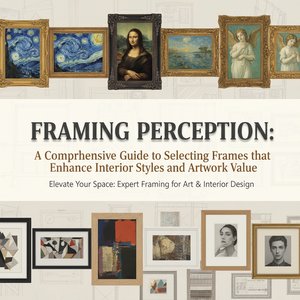
Framing Perception: A Comprehensive Guide to Selecting Frames that Enhance Interior Styles and Artwork Value
Elevate your space with expert art framing guidance! Discover how to choose frames that enhance artwork & interior design, protect valuable pieces, and create stunning displays. Trusted advice for designers & collectors.

OriginalUniqueArt.com F.A.Q.: Akril protiv drvenih okvira – Vodič kolekcionara za bezvremensku eleganciju
OriginalUniqueArt.com vodič za kolekcionare: detaljan uporedni pregled akrilnih i drvenih okvira. Saveti stručnjaka za očuvanje, vrednovanje i stilski savršen izbor okvira za vaše umetničko blago. Pronađite idealan okvir uz OriginalUniqueArt.com!