
 Pregledaj u prostoru
 Pošalji
 Podeli
 Detalji o delu
 Vodič
Vodič

 Preuzmi
 Slični predmeti
 Rendgenski snimak
 Automatska prezentacija
 Pitanja i odgovori
 Statistika
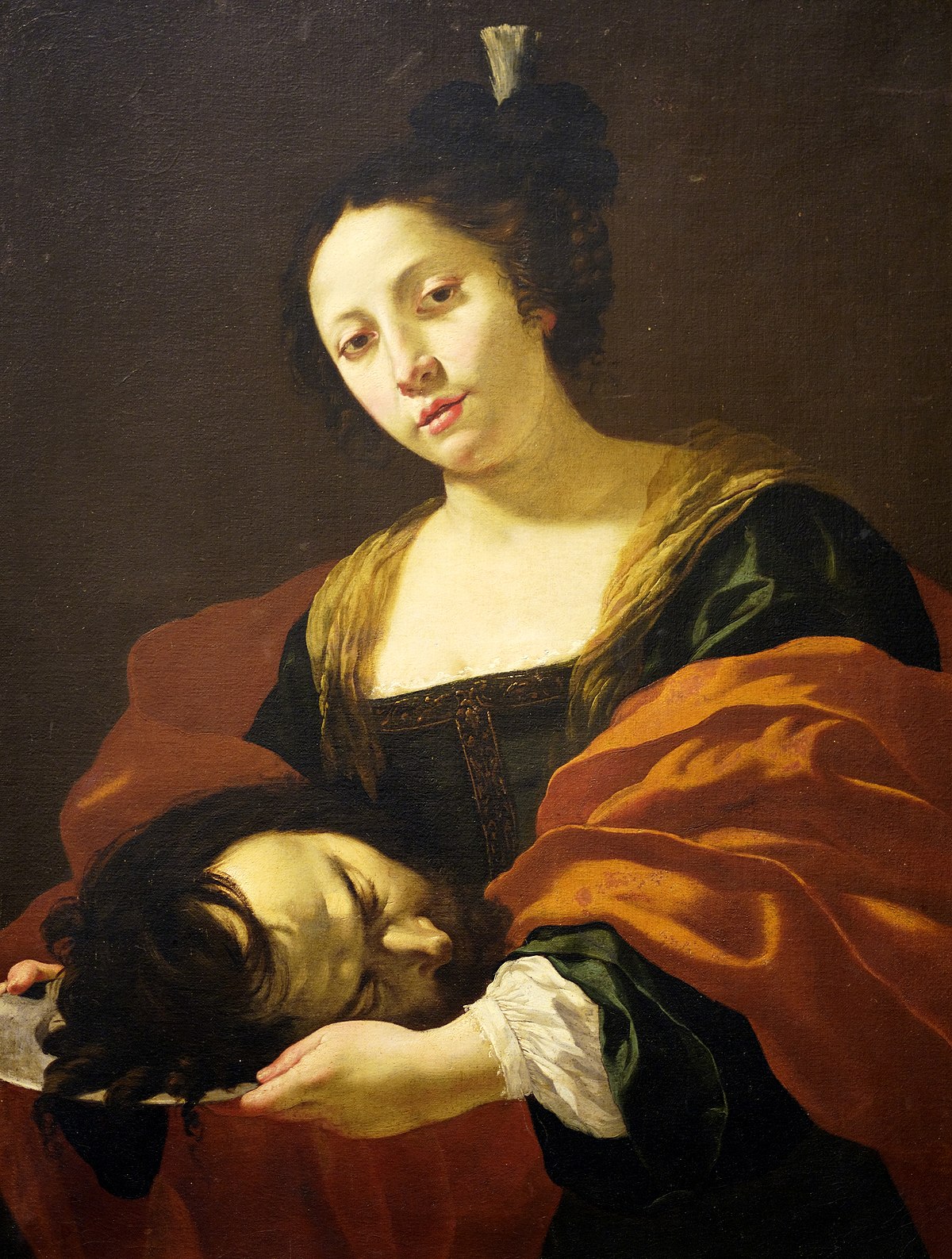
Salome

- 92.0 x 114.0 cm


 Pročitaj više
Giclee štampa / Umetnički otisak
Giclée štampa ili print na platnu muzejskog kvaliteta uz brzu izradu i raznovrsne opcije završne obrade. ( Kupite ručno oslikano delo Pređi na digitalnu sliku)




P118B дин10

P118H дин10

P118W дин10

P438Z дин10

P508JH дин12

P508YH дин12

P805H дин10

P805Z дин10

P919BZ дин10

P919G дин10

P919XJ дин10

P959ZH дин10

P968JZ дин12

W106C дин8

W218G дин10

W218JH дин8

W218Y дин10

W307PJ дин10

W316G дин10

W316PJ дин8

W316Y дин10

W398PJ дин8

W4111J дин10

W500HY дин15

W500JH дин15

W692G дин12

W849H дин8

W940BG дин15

W953PJ дин8




Izaberite jednu od naših unapred definisanih veličina koje odgovaraju originalnim proporcijama umetničkog dela.

Unesite željenu širinu i visinu kako bi se štampa uklopila u vaš ram ili zid. Štampu je moguće samo iseći, ali nikada povećati iznad dimenzija originalne slike, stoga format sa drugačijim proporcijama uzrokuje gubitak dela slike. Pre početka štampe, poslaćemo vam digitalni prikaz radi potvrde. Slika prikazana na ovoj stranici ne predstavlja stvarni isrez — to pokazuje samo digitalni prikaz.
Dostava širom sveta () za 2 nedelje umesto uobičajenih 4/5 nedelja. (10 новембар)

Besplatna ekspresna dostava širom sveta

Visokokvalitetno laneno platno

Potpuno osiguranje transporta

Garancija povraćaja carine i uvoznih dažbina

Garancija vernosti boja

Politika povraćaja u roku od 100 dana (samo u slučaju nedostataka)

Garancija povrata 100% novca

Popust na više proizvoda
 Opcija sa staklom dostupna je samo za dimenzije manje od 110 cm

Salome
Giclee štampa / Umetnički otisak
Dimenzije reprodukcije
-


Ukupna cena
дин 8500
The Enigmatic Dance: Unveiling Franz Ritter von Stuck’s “Salome”
Franz Ritter von Stuck's 1906 painting, "Salome," is not merely a depiction of a biblical episode; it’s a profoundly unsettling and intensely symbolic exploration of desire, power, and the dark undercurrents of human nature. Emerging from the fertile ground of German Symbolism, Stuck masterfully blends classical precision with the dreamlike logic of the subconscious, creating an image that continues to captivate and disturb over a century later. The painting’s immediate impact lies in its dramatic composition – a carefully orchestrated tableau of figures poised on the precipice of violence and obsession. The scene unfolds within a shadowy, almost claustrophobic space, dominated by a towering, ornate architecture suggesting both opulence and impending doom. This isn't a straightforward narrative; it’s an atmosphere saturated with tension, inviting viewers to contemplate the motivations and fates of those involved.
A Symphony of Contrasts: Style, Technique, and Materiality
Stuck’s artistic style is immediately recognizable as a potent blend of Symbolism and Art Nouveau influences. The painting showcases his signature use of rich, jewel-toned colors – deep reds, emerald greens, and shimmering golds – applied with meticulous detail to create an opulent yet unsettling effect. His brushwork is deliberately expressive, employing visible strokes that contribute to the overall sense of drama and movement. Notice particularly the way he renders the textures: the velvet drapery, the polished surfaces of the architecture, and even the glistening skin of Salome herself – all are rendered with a tactile quality that draws the viewer into the scene. The painting was executed in oil on canvas, a medium that allowed Stuck to achieve both luminous color saturation and remarkable textural detail. The use of chiaroscuro—the dramatic contrast between light and shadow—further intensifies the emotional impact, highlighting key figures and obscuring others in an atmosphere of mystery and foreboding.
The Narrative Unfolds: Biblical Context and Symbolism
At its core, “Salome” depicts a pivotal moment from the New Testament – the fulfillment of Herodias’s vengeful plot against John the Baptist. However, Stuck doesn't offer a simple retelling of the story; instead, he delves into the psychological complexities of the characters and imbues the scene with layers of symbolic meaning. Salome herself is not portrayed as a seductive temptress but rather as a figure caught in a web of manipulation and driven by a primal desire for power. The presence of the dark servant, clutching John’s severed head on a platter, introduces an element of grotesque horror – a stark reminder of the brutal consequences of unchecked ambition. The architecture—a blend of Romanesque and Byzantine styles—suggests both grandeur and decay, mirroring the moral corruption at the heart of the narrative. The star-studded night sky serves as a backdrop to this drama, hinting at a realm beyond earthly concerns and perhaps suggesting a connection between life and death.
A “Prince of Art”: Stuck’s Legacy and Artistic Significance
Franz Ritter von Stuck was more than just an artist; he was a cultural phenomenon. Nicknamed the "Prince of Art" during his lifetime, he bridged the gap between academic tradition and the burgeoning currents of modernism. His work explored themes of sin, beauty, and the subconscious with a boldness and emotional intensity that resonated deeply with audiences at the turn of the 20th century. Villa Stuck, his own architectural masterpiece in Munich, stands as a testament to his artistic vision—a lavishly decorated space filled with sculptures, paintings, and intricate details reflecting his fascination with mythology, symbolism, and the darker aspects of human experience. “Salome” is arguably one of his most enduring works, demonstrating his mastery of dramatic composition, evocative color palettes, and profound psychological insight. It remains a powerful and unsettling image that continues to provoke discussion and inspire interpretation.
Pitanja i odgovori
Kako se umetnički pravac i epoha susreću u delu „Salome”, autor Франц Фон Штук?
„Salome“ pripada pravcu German Symbolism, a njen autor je stvarao u periodu 19. vek.
Da li je "Salome" jedno od najpopularnijih dela umetnika Франц Фон Штук?
Nivo popularnosti zabeležen za „Salome”, autor Франц Фон Штук iznosi Recognized.
Kako je izgrađena koloristička kompozicija dela „Salome”, autor Франц Фон Штук?
Analiza boja dela „Salome”, autor Франц Фон Штук beleži Gentle kontrast i Softly Mixed Palette harmoniju.
Biografija umetnika
Живот и рани године Франца фон Штука
Франц Ритер фон Штук, име синоним за емотивну снагу немачког симболизма, изникao је из руралних предела Баварије 1863. године да би постао један од најутицајнијих уметника своје генерације. Рођен у Тетенвеису, првобитно предодређен за живот сличан оцу као шумар, мали Франц је показао неоспорну уметничку склоност која ће неповратнo променити његов пут. Та рана способност га је одвела у Минхен, прво у Школу примењених уметности 1878., а затим на Академију финих уметности од 1882-1884. године, где је подлегао чару митолошких сцена Арнолда Беклина – обликујућег утицаја који ће дубоко обликовати његову уметничку визију. Штук није био само уметник; он је био културна појава, “Принц уметности” како су га звали током његовог живота, повезујући традицију академизма из 19. века са надолазећим струјањима модернизма.Успон симболистичког мајстора
Штуков успон до истакнутости био је изузетно брз. Пробој је стигао 1889. године уз Чувара раја, изложену у Минхенској стакленој палати, одмах добивши критичко признање и златну медаљу. Ова слика није била само демонстрација техничке вештине; она је објавила нови уметнички глас – који је спојио класичну прецизност са митолошком тематиком и подструјом симболистичке мистерије. Брзо је постао централна фигура у оспоравању утврђених норми, суоснивач Минхенске сецесије 1892. године заједно са истомишљеним уметницима одлучним да се ослободе конзервативних ограничења и заговарају модерну уметност. Овај чин уметничке побуне коинцидирао је са његовим истраживањем скулптуре, дебитујући уз Атлету, демонстрирајући импресивну свестраност. Међутим, Грех (1893) је заиста учврстио његов углед као мајстора симболистичког сликарства, очаравши публику својом драматичном интензивношћу и психолошком дубином. Ово раздобље обележило је пуноцветање Штуковог јединственог стила – моћну комбинацију сензуалности, класичне форме и симболичког резонанса.Теме и утицаји: Свет жеље и мита
Уметнички универзум Франца фон Штука насељен је повратним мотивима који откривају његово дубоко ангажовање са ванвременским темама. Митологија је служила као константан извор инспирације, црпећи из грчких, римских и библијских наратива које је пресликао са посебним личним шармом. То нису били само поновни приповедања; то су била истраживања људског стања филтрирана кроз призму древних прича. Једнако присутан је био његов фасцинација сензуалношћу и femme fatale, моћно отелотворена у његовим бројним приказима Саломе – фигуре која представља жељу, опасност и морални двосмисао. Те слике нису биле само о физичкој лепоти; оне су се дубоко бавиле психолошком комплексношћу женске моћи и њеном потенцијалу за чар и уништење. Под тим је лежала дубока поштовања према класичној уметности, евидентна у његовој педантској техници, анатомској тачности и композиционој строгости. Осим Беклина, Штук је признавао утицаје Прерафаелита и Густава Мороа, али он није био само имитатор; он је синтетисао те утицаје у нешто јединствено своје, дубоко утичући на касније генерације уметника.Наслеђе и утицај: Наставник и витез
Године 1895., Франц фон Штук је преузео још једну кључну улогу – онај учитеља на Минхенској академији. Постао је веома поштован инструктор, не само предајући техничке вештине, већ и подстичући своје ученике да истражују своје индивидуалне уметничке визије. Међу онима који су имали користи од његовог вођства били су познати ликови као што су Паул Клее, Ханс Пурман и Јозеф Алберс, демонстрирајући ширину његовог утицаја. Његова посвећеност уметности била је додатно призната 1905. године када је био уздигнут на витеза, постајући “Ритер фон Штук” – сведочење његовог растућег угледа и доприноса немачкој култури. Наставио је да прима признања широм Европе, учвршћујући свој положај као један од водећих уметника свог времена. Његова вила Штук у Минхену, сада музеј, стоји као трајан споменик његовом животу и раду, нудећи непроцењиве увиде у његову уметничку визију и културну средину касног 19. и ране 20. вековне Немачке. Његово наслеђе траје не само кроз његова сликања и скулптуре, већ и кроз безброј уметника које је инспирисао, обезбеђујући да дух Франца фон Штука настави да одјекује у свету уметности данас.Главна дела и трајно значење
- Пролеће (1886): Живахан приказ који показује његово рану мајсторство боје и композиције.
- Дисхармонија (1893): Немирни портрет који отелотворује емоционалне муке кроз жену која свира виолину.
- Салома (разне верзије): Можда његово најпознатије дело, које приказује библијску причу са изразитом сензуалношћу и психолошком дубином.
- Атлета (1892): Снажна скулптура која демонстрира његову вештину у тродимензионалном облику.

Франц Фон Штук
1863 - 1928 , Немачка
Osnovne informacije
- Artistic Movement Or Style: Simbolizam, Art nuvo
- Artists Or Movements Influenced By This Artist: ['Paul Klee']
- Artists Who Influenced This Artist: ['Arnold Böcklin']
- Date Of Birth: 23. februar 1863.
- Date Of Death: 30. avgust 1928.
- Full Name: Franz Ritter von Stuck
- Nationality: Nemac
- Notable Artworks:
- Čuvar rajskih vrata
- Saloma
- Greh
- Atletičar
- Place Of Birth: Tettenweis, Nemačka
Povezani članci

25 Remek-dela Džona Konstebla: Lepota Engleske na Platnu | OriginalUniqueArt
Uronite u svet Džona Konstebla! Otkrijte 25 remek-dela engleskog pejzaža, romantizma i seoske idile. Kupite reprodukcije slika vrhunskog kvaliteta za dekoraciju enterijera na OriginalUniqueArt.com.

25 Remek-dela Džona Singera Sargenta: Portreti Elegancije i Svetlosti | OriginalUniqueArt
Uronite u svet Džona Singera Sargenta! Otkrijte 25 remek-dela impresionizma i realizma, od portreta Madame X do fascinantnih akvarela. Inspiracija za dekoraciju enterijera & luksuzne reprodukcije slika na OriginalUniqueArt.com.

The Gleaming Geometry of Desire: Exploring Art Deco's Enduring Influence on Visual Culture
Explore the captivating world of Art Deco! Discover its history, key characteristics, enduring influence on design & collecting with expert insights from OriginalUniqueArt.com.
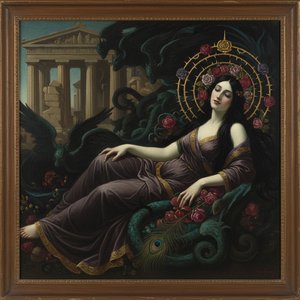
Franz von Stuck: Symbolism, Decadence & the Pursuit of Ideal Beauty
Explore the captivating world of Franz von Stuck, a leading Symbolist painter. Discover his mythological masterpieces, decadent themes, & investment potential. Expert analysis for discerning collectors.

The Gilded Age Reimagined: Exploring the Aesthetic Principles & Enduring Legacy of Art Deco
Explore the captivating world of Art Deco! Discover its origins, defining features, cultural impact & enduring legacy. Expert insights for collectors and design enthusiasts. Shop handmade reproductions at OriginalUniqueArt.