

 Pregledaj u prostoru
 Podeli
 Podeli
 Detalji
 Vodič
Vodič

 Preuzmi sliku
 Slični predmeti
 Rendgenski snimak
 Automatska prezentacija
 Statistika
Inferno
 Oil On Canvas
- WallArt
- German Symbolism
 1908
1908 129.0 x 210.0 cm
 Metropolitan Museum of Art
 Pročitaj više
Ručno rađena uljana reprodukcija
Ručno oslikano uljanim bojama na platnu u dimenzijama i okviru po vašem izboru, izrađeno po porudžbini od strane naših umetnika. ( Pređi na prodaju štampanih primeraka Pređi na prodaju digitalnih slika)




P118B дин10

P118H дин10

P118W дин10

P438Z дин10

P508JH дин12

P508YH дин12

P805H дин10

P805Z дин10

P919BZ дин10

P919G дин10

P919XJ дин10

P959ZH дин10

P968JZ дин12

W106C дин8

W218G дин10

W218JH дин8

W218Y дин10

W307PJ дин10

W316G дин10

W316PJ дин8

W316Y дин10

W398PJ дин8

W4111J дин10

W500HY дин15

W500JH дин15

W692G дин12

W849H дин8

W940BG дин15

W953PJ дин8




Izaberite jednu od naših unapred definisanih veličina koje odgovaraju originalnim proporcijama umetničkog dela.

Unesite širinu i visinu koja vam je potrebna, kako bi se uklopili u vaš ram ili zid. Pošto je ovo ručno oslikano delo, umetnik može naslikati malo više prostora oko slike ili malo skratiti ivice za dimenzije drugačijeg oblika — izbor je na vama. Pre početka rada, poslaćemo vam digitalni prikaz radi potvrde. Slika prikazana na ovoj stranici ne predstavlja konačan rezultat — samo digitalni prikaz pokazuje stvarnu sliku.
Nakon narudžbine, tim OriginalUniqueArt.com će klijentu putem e-pošte poslati uputstva i dostaviti prikaz predloženog rešenja
Svetska isporuka () za 3/4 nedelje umesto uobičajenih 5 nedelja. (25 октобар). Bez kompromisa po pitanju kvaliteta.

Besplatna ekspresna dostava širom sveta

Visokokvalitetno laneno platno

Sveobuhvatno osiguranje transporta

Garancija povraćaja carine i uvoznih dažbina

Garancija vernosti boja i autentičnosti pri reprodukciji

Politika povraćaja u roku od 100 dana (samo u slučaju nedostataka)

Garancija povrata 100% novca

Popust pri većoj količini
 Opcija sa staklom dostupna je samo za dimenzije manje od 110 cm

Inferno
Tehnika izrade reprodukcije
Veličina reprodukcije
-


Ukupna cena
дин 30932
The Genesis of Darkness: Inferno and Dante’s Vision
Franz Ritter von Stuck's "Inferno," painted in 1908, isn’t merely a depiction of hell; it’s a visceral plunge into the darkest recesses of the human psyche. Born from the fertile ground of German Symbolism, this monumental oil on canvas transcends simple illustration, becoming a profound meditation on sin, guilt, and the inescapable consequences of moral transgression. Stuck, deeply influenced by the haunting imagery of Auguste Rodin's "The Gates of Hell," particularly the figure of The Thinker – a potent symbol of intellectual torment – crafted an artwork that resonates with both classical precision and unsettling modernity. The painting’s title directly references Dante Alighieri’s epic poem “Inferno,” serving as a visual embodiment of its core themes, but Stuck's interpretation diverges significantly from the medieval text, injecting a jarring dissonance into the traditional symbols of the underworld.
A Symphony of Discord: Style and Technique
Stuck’s masterful technique is immediately striking. He abandons the typically somber, muted palette associated with depictions of hell, instead employing a vibrant, almost hallucinatory range of colors – searing reds, sickly yellows, and bruised purples – that create an atmosphere of intense unease. The figures themselves are rendered in a deliberately stylized manner, their poses exaggerated and distorted to amplify the drama and psychological impact. This departure from academic realism is characteristic of Symbolism, prioritizing emotional expression over photographic accuracy. Notice how the musculature of the damned writhes with agony, not through anatomical correctness but through an almost sculptural intensity. The composition itself is dynamic, drawing the viewer’s eye relentlessly through a chaotic landscape of torment, punctuated by moments of stark clarity and unsettling detail.
- Color Palette: A jarring blend of vibrant reds, yellows, and purples creates a sense of unease and psychological intensity.
- Stylization: Figures are deliberately exaggerated and distorted to heighten the emotional impact.
- Composition: Dynamic and chaotic, guiding the viewer through a landscape of torment.
Decoding the Descent: Symbolism and Allegory
“Inferno” is rich in symbolic imagery, drawing heavily from Dante’s poem but also incorporating elements of Rodin's influence. The snake represents temptation, the demon embodies corruption, and the flaming pit signifies eternal damnation. However, Stuck doesn’t simply replicate these traditional symbols; he imbues them with a distinctly modern sensibility. The central figure, often interpreted as a representation of humanity itself, is caught in a moment of profound despair, mirroring The Thinker's contemplation. The inclusion of a book suggests the loss of knowledge and virtue, while the upward gaze hints at a desperate yearning for redemption – a hope that remains tragically elusive within this realm of eternal suffering. The overall effect is not one of simple horror but of a deeply unsettling exploration of human fallibility.
A Legacy of Vision: Context and Impact
“Inferno” debuted at an exhibition of contemporary German art in 1909, immediately generating considerable controversy and critical acclaim. Critics lauded its “sovereign brutality,” recognizing Stuck’s willingness to confront the darker aspects of the human condition – a boldness that solidified his reputation as a visionary artist. The painting's powerful imagery resonated with audiences grappling with anxieties about modernity, industrialization, and the perceived decline of traditional values. It stands as a testament to Stuck’s ability to translate complex philosophical ideas into a visually arresting and emotionally resonant work of art, cementing his place as a pivotal figure in the transition from Symbolism to Expressionism. Today, reproductions of “Inferno” continue to captivate viewers with their raw intensity and enduring exploration of the human soul.
Pitanja i odgovori
Kojom tehnikom i stilom se odlikuje „Inferno”, Франц Фон Штук?
„Inferno”, Франц Фон Штук spaja tehniku Oil On Canvas sa stilom German Symbolism. Tehnika i pravac opisuju način izrade i stil dela.
Kolika je luminansa dela „Inferno”, Франц Фон Штук?
Luminansa zabeležena za „Inferno”, Франц Фон Штук iznosi Dark.
U kojim godinama je Франц Фон Штук stvorio/la "Inferno"?
Франц Фон Штук je kreirao/la "Inferno" u uzrastu od 45 godina. Umetnik je rođen/a 1863, a datum stvaranja dela je 1908.
Biografija umetnika
Живот и рани године Франца фон Штука
Франц Ритер фон Штук, име синоним за емотивну снагу немачког симболизма, изникao је из руралних предела Баварије 1863. године да би постао један од најутицајнијих уметника своје генерације. Рођен у Тетенвеису, првобитно предодређен за живот сличан оцу као шумар, мали Франц је показао неоспорну уметничку склоност која ће неповратнo променити његов пут. Та рана способност га је одвела у Минхен, прво у Школу примењених уметности 1878., а затим на Академију финих уметности од 1882-1884. године, где је подлегао чару митолошких сцена Арнолда Беклина – обликујућег утицаја који ће дубоко обликовати његову уметничку визију. Штук није био само уметник; он је био културна појава, “Принц уметности” како су га звали током његовог живота, повезујући традицију академизма из 19. века са надолазећим струјањима модернизма.Успон симболистичког мајстора
Штуков успон до истакнутости био је изузетно брз. Пробој је стигао 1889. године уз Чувара раја, изложену у Минхенској стакленој палати, одмах добивши критичко признање и златну медаљу. Ова слика није била само демонстрација техничке вештине; она је објавила нови уметнички глас – који је спојио класичну прецизност са митолошком тематиком и подструјом симболистичке мистерије. Брзо је постао централна фигура у оспоравању утврђених норми, суоснивач Минхенске сецесије 1892. године заједно са истомишљеним уметницима одлучним да се ослободе конзервативних ограничења и заговарају модерну уметност. Овај чин уметничке побуне коинцидирао је са његовим истраживањем скулптуре, дебитујући уз Атлету, демонстрирајући импресивну свестраност. Међутим, Грех (1893) је заиста учврстио његов углед као мајстора симболистичког сликарства, очаравши публику својом драматичном интензивношћу и психолошком дубином. Ово раздобље обележило је пуноцветање Штуковог јединственог стила – моћну комбинацију сензуалности, класичне форме и симболичког резонанса.Теме и утицаји: Свет жеље и мита
Уметнички универзум Франца фон Штука насељен је повратним мотивима који откривају његово дубоко ангажовање са ванвременским темама. Митологија је служила као константан извор инспирације, црпећи из грчких, римских и библијских наратива које је пресликао са посебним личним шармом. То нису били само поновни приповедања; то су била истраживања људског стања филтрирана кроз призму древних прича. Једнако присутан је био његов фасцинација сензуалношћу и femme fatale, моћно отелотворена у његовим бројним приказима Саломе – фигуре која представља жељу, опасност и морални двосмисао. Те слике нису биле само о физичкој лепоти; оне су се дубоко бавиле психолошком комплексношћу женске моћи и њеном потенцијалу за чар и уништење. Под тим је лежала дубока поштовања према класичној уметности, евидентна у његовој педантској техници, анатомској тачности и композиционој строгости. Осим Беклина, Штук је признавао утицаје Прерафаелита и Густава Мороа, али он није био само имитатор; он је синтетисао те утицаје у нешто јединствено своје, дубоко утичући на касније генерације уметника.Наслеђе и утицај: Наставник и витез
Године 1895., Франц фон Штук је преузео још једну кључну улогу – онај учитеља на Минхенској академији. Постао је веома поштован инструктор, не само предајући техничке вештине, већ и подстичући своје ученике да истражују своје индивидуалне уметничке визије. Међу онима који су имали користи од његовог вођства били су познати ликови као што су Паул Клее, Ханс Пурман и Јозеф Алберс, демонстрирајући ширину његовог утицаја. Његова посвећеност уметности била је додатно призната 1905. године када је био уздигнут на витеза, постајући “Ритер фон Штук” – сведочење његовог растућег угледа и доприноса немачкој култури. Наставио је да прима признања широм Европе, учвршћујући свој положај као један од водећих уметника свог времена. Његова вила Штук у Минхену, сада музеј, стоји као трајан споменик његовом животу и раду, нудећи непроцењиве увиде у његову уметничку визију и културну средину касног 19. и ране 20. вековне Немачке. Његово наслеђе траје не само кроз његова сликања и скулптуре, већ и кроз безброј уметника које је инспирисао, обезбеђујући да дух Франца фон Штука настави да одјекује у свету уметности данас.Главна дела и трајно значење
- Пролеће (1886): Живахан приказ који показује његово рану мајсторство боје и композиције.
- Дисхармонија (1893): Немирни портрет који отелотворује емоционалне муке кроз жену која свира виолину.
- Салома (разне верзије): Можда његово најпознатије дело, које приказује библијску причу са изразитом сензуалношћу и психолошком дубином.
- Атлета (1892): Снажна скулптура која демонстрира његову вештину у тродимензионалном облику.

Франц Фон Штук
1863 - 1928 , Немачка
Brzi pregled
- Artistic Movement Or Style: Simbolizam, Art nuvo
- Artists Or Movements Influenced By This Artist: ['Paul Klee']
- Artists Who Influenced This Artist: ['Arnold Böcklin']
- Date Of Birth: 23. februar 1863.
- Date Of Death: 30. avgust 1928.
- Full Name: Franz Ritter von Stuck
- Nationality: Nemac
- Notable Artworks:
- Čuvar rajskih vrata
- Saloma
- Greh
- Atletičar
- Place Of Birth: Tettenweis, Nemačka
Srodni članci

The Enduring Legacy of Oil on Canvas: Technique, History & Aesthetic Impact
Explore the rich history & techniques of oil painting – from Renaissance masters to Impressionism. Discover pigments, layering methods, and why this timeless medium endures. Expert insights for artists & art enthusiasts.
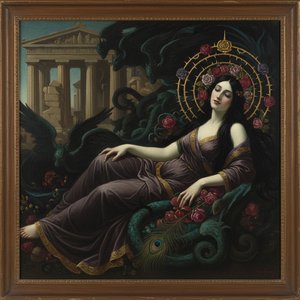
Franz von Stuck: Symbolism, Decadence & the Pursuit of Ideal Beauty
Explore the captivating world of Franz von Stuck, a leading Symbolist painter. Discover his mythological masterpieces, decadent themes, & investment potential. Expert analysis for discerning collectors.

The Enduring Power of Painting: A Historical & Contemporary Exploration of Form and Emotion
Explore the rich history & enduring techniques of oil painting with OriginalUniqueArt. Discover masterpieces, learn about art collecting, and find authentic handmade reproductions crafted by skilled artists.

Dante Gabriel Rossetti: 25 Remek-dela Pre-Raphaelita i Inspiracija za Vaš Dom
Istražite 25 remek-dela Dante Gabriel Rossettija, ikone Pre-Raphaelita! Otkrijte priče iza slika, simbolizam i inspiraciju za vaš dom. Kvalitetne reprodukcije na OriginalUniqueArt.com.

Oil on Canvas: A Historical & Technical Exploration of a Timeless Artistic Medium
Explore the rich history & enduring techniques of oil painting on canvas. Discover the science behind its longevity, conservation practices, and contemporary relevance. Expert insights for art enthusiasts.