
 Pregledaj u prostoru
 Pošalji
 Podeli
 Detalji o delu

 Преузми
 Slični predmeti
 Rendgenski snimak
 Slajdovi
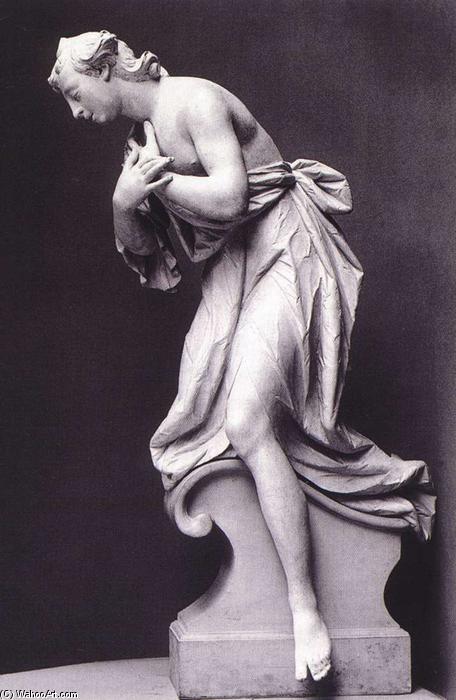
Adoring Angel


 Pročitaj više
Giclee štampa / Umetnički otisak
Giclée štampa ili print na platnu muzejskog kvaliteta uz brzu proizvodnju i fleksibilne opcije završne obrade. ( Kupi ručno naslikanu sliku Kupi digitalnu sliku)




































Izaberite jednu od naših unapred definisanih veličina koje odgovaraju originalnim proporcijama umetničkog dela.

Možete uneti sopstvene dimenzije kako biste umetničko delo prilagodili specifičnom okviru ili prostoru. Ako odabrani format ne odgovara proporcijama originalne slike, mi ćemo ili iscrtati deo dela ili proširiti sliku pomoću ogledane ivice ili jednobojnog popunjavanja. Digitalni prikaz će vam biti poslat na odobrenje pre početka proizvodnje.
Imajte na umu da pregled na ekranu ne odražava stvarno iscrtavanje ili proširivanje. Samo će prikaz (mockup) precizno pokazati finalnu kompoziciju.
Iako su prilagođene dimenzije dostupne, preporučujemo da odaberete dimenziju sa unapred definisane liste kako biste očuvali originalne proporcije.
Dostava širom sveta () za 2 nedelje umesto uobičajenih 4/5 nedelja. (21 август)

Besplatna ekspresna dostava širom sveta

Visokokvalitetno laneno platno

Kompletno osiguranje transporta

Garancija povraćaja carine i uvoznih dažbina

Garancija vernosti boja

Politika povrata u roku od 60 dana (samo u slučaju nedostataka)

Garancija povrata novca od 100%

Popust pri grupnoj kupovini
 Opcija sa staklom dostupna je samo za dimenzije manje od 110 cm

Adoring Angel
Giclee štampa / Umetnički otisak
Dimenzije reprodukcije
-


Konačna cena
$ 80
Biografija umetnika
The Master of Bavarian Rococo
In the heart of eighteenth-century Bavaria, a period defined by the exuberant grace of the Rococo, the name Franz Ignaz Günther emerged as a beacon of sculptural brilliance. Born in 1725 in Altmannstein, Germany, Günther’s journey into the world of fine art began not in an academy, but within the humble, aromatic confines of his father's carpenter and cabinetmaker workshop. This early immersion in the tactile reality of wood and grain provided him with a foundational mastery over his medium that would later allow him to breathe life into seemingly static timber. His formative years were shaped by the rhythmic precision of craftsmanship, a skill set that would eventually evolve into a profound artistic language capable of expressing the most delicate spiritual ecstasies.
The trajectory of his talent led him from the local workshops of Altmannstein to the prestigious studios of Munich, where between 1743 and 1750, he studied under the renowned court sculptor Johann Baptist Straub. This mentorship was pivotal, connecting Günther to the lineage of great German sculptors and refining his ability to manipulate form and light. His Wanderjahre—the essential period of wandering and learning—further expanded his artistic horizons as he traveled through Salzburg, Olmütz, Vienna, and Mannheim. In each city, he absorbed the nuances of the European Rococo style, studying under masters like Paul Egell. By the time he reached the Vienna Academy of Fine Arts in 1753, Günther was no longer merely a skilled carver but a rising virtuoso, a fact cemented when he won the academy's annual students' competition.
Elegance in Wood and Spirit
Returning to Munich in 1754, Günther established his own workshop, which became a crucible for some of the most breathtaking religious sculptures of the era. His work is characterized by an unparalleled ability to capture movement and emotion through elongated proportions and the intricate, angular arrangement of drapery. To gaze upon a Günther sculpture is to witness a dance of light and shadow; his figures often possess an ecstatic quality, where the heavy folds of carved wood seem to flutter with a life of their and divine inspiration. While much of his work was carved from wood and subsequently polychromed by skilled artisans, the structural soul of each piece remained his singular achievement.
His contributions to sacred spaces are perhaps his most enduring legacy. Throughout Bavaria, his altars and statues transformed churches into celestial theaters. Notable works include:
- The Church of the Holy Cross in Altmannstein, where his roots and artistry converged in a profound display of local devotion.
- The High Altar of Neustift Abbey Church in Freising, a testament to his ability to command large-scale ecclesiastical spaces.
- The Pietàs of Weyarn and Nenningen, works that showcase his mastery of the profound sorrow and tender grace central to the Baroque and Rococo traditions.
Beyond the church walls, Günther’s influence reached even the highest echelons of society and art production. His large porcelain crucifix, commissioned for the Munich Residenz, remains a marvel of technical complexity, with its pattern still honored by the Nymphenburg Porcelain Manufactory today. This ability to translate his sculptural vision into different media underscores his versatility and the lasting impact of his aesthetic. Even centuries later, the reverence for his skill is reflected in the profound respect shown to his legacy, such as when a wooden crucifix in his style was presented as a gift to Pope Benedict XVI. Franz Ignaz Günther remains not just a sculptor of wood, but a sculptor of the Bavarian soul, leaving behind a trail of grace that continues to captivate the modern eye.
franz ignaz günther
1725 - 1775 , Germany
Osnovne informacije
- Artistic Movement Or Style: Bavarian Rococo
- Artists Who Influenced This Artist:
- Johann Baptist Straub
- Paul Egell
- Date Of Birth: November 22, 1725
- Date Of Death: June 26, 1775
- Full Name: Franz Ignaz Günther
- Nationality: German
- Notable Artworks:
- Chronos
- Pietà
- Place Of Birth: Altmannstein, Germany

