

 Pregledaj u prostoru
 Podeli
 Podeli
 Detalji
 Vodič
Vodič

 Preuzmi sliku
 Slični predmeti
 Rendgenski snimak
 Automatska prezentacija
 Statistika
The Cloth Shop
 Oil On Copper
- WallArt
- Dutch Golden Age
 1660
1660- Early Modern
 55.0 x 43.0 cm
 Kunsthistorisches Museum
 Pročitaj više
Giclee štampa / Umetnički otisak
Giclée štampa ili print na platnu muzejskog kvaliteta uz brzu izradu i raznovrsne opcije završne obrade. ( Naručite ručno oslikano reprodukciju Pređi na prodaju digitalnih slika)




P118B дин10

P118H дин10

P118W дин10

P438Z дин10

P508JH дин12

P508YH дин12

P805H дин10

P805Z дин10

P919BZ дин10

P919G дин10

P919XJ дин10

P959ZH дин10

P968JZ дин12

W106C дин8

W218G дин10

W218JH дин8

W218Y дин10

W307PJ дин10

W316G дин10

W316PJ дин8

W316Y дин10

W398PJ дин8

W4111J дин10

W500HY дин15

W500JH дин15

W692G дин12

W849H дин8

W940BG дин15

W953PJ дин8




Izaberite jednu od naših unapred definisanih veličina koje odgovaraju originalnim proporcijama umetničkog dela.

Unesite širinu i visinu koja vam je potrebna, kako bi se uklopili u vaš ram ili na vaš zid. Štampa se može samo iseći, nikada ne može biti veća od originalne slike, stoga format sa drugačijim proporcijama gubi deo slike. Poslaćemo vam digitalni prikaz radi potvrde pre nego što započnemo štampu. Slika prikazana na ovoj stranici ne pokazuje stvarni rez — to pokazuje samo digitalni prikaz.
Dostava širom sveta () za 2 nedelje umesto uobičajenih 4/5 nedelja. (27 октобар)

Besplatna ekspresna dostava širom sveta

Visokokvalitetno laneno platno

Sveobuhvatno osiguranje transporta

Garancija povraćaja carine i uvoznih dažbina

Garancija vernosti boja i autentičnosti pri reprodukciji

Politika povraćaja u roku od 100 dana (samo u slučaju nedostataka)

Garancija povrata 100% novca

Popust pri većoj količini
 Opcija sa staklom dostupna je samo za dimenzije manje od 110 cm

The Cloth Shop
Giclee štampa / Umetnički otisak
Veličina reprodukcije
-


Ukupna cena
дин 8249
A Masterpiece of Meticulous Detail
In the quiet, luminous world of the Dutch Golden Age, few artists captured the intimate textures of life with as much reverence as Frans van Mieris the Elder. His 1660 masterpiece, The Cloth Shop, is not merely a depiction of commerce; it is a breathtaking window into the soul of seventeenth-century Leiden. Executed on a gilt copper panel—a surface that allows for an almost supernatural level of precision—the painting serves as a pinnacle of the fijnschilder movement. This "fine painter" technique, characterized by incredibly smooth brushwork and microscopic detail, transforms a simple retail setting into a shimmering, tactile experience where every thread of fabric and every glint of light feels tangibly real.
The scene unfolds within a room that breathes with a warm, atmospheric glow. A large chandelier hangs suspended from the ceiling, acting as the primary source of illumination that dances across the polished surfaces of the shop. As the eye wanders through the composition, one is struck by the artist's masterful use of chiaroscuro. The dramatic interplay between deep, velvety shadows and brilliant highlights does more than just create depth; it sculpts the figures, lending them a monumental presence within their modest surroundings. For the discerning collector or interior designer, this play of light offers a sophisticated focal point that can imbue any space with a sense of historical grandeur and quiet drama.
Symbolism and the Social Fabric
Beyond its technical brilliance, The Cloth Shop is a complex narrative tableau rich with social commentary and subtle psychological tension. At the heart of the composition, an elderly gentleman, draped in opulent, heavy robes, engages with a younger man. The positioning of these figures is far from accidental; the elevation of the elder figure subtly reinforces the rigid social hierarchies of the era. Yet, Van Mieris introduces a layer of human intimacy that transcends mere transaction. A subtle, almost fleeting gesture—the gentleman’s hand brushing near his companion—hints at an unspoken connection, perhaps even a touch of eroticism or hidden desire, tucked away within the mundane act of inspecting fabric bolts.
The very subject matter—the cloth itself—serves as a powerful metaphor. The bolts of silk, satin, and wool displayed on the shelves are not just commodities; they represent wealth, status, and the interconnectedness of the Dutch Republic's global trade. To gaze upon this painting is to witness the intersection of private emotion and public prosperity. The meticulous rendering of these textiles invites the viewer to reach out and touch the canvas, making the artwork an immersive sensory experience that bridges the gap between the seventeenth century and the modern day.
An Eternal Inspiration for the Modern Interior
For those looking to curate a collection or design a room of distinction, a high-quality reproduction of The Cloth Shop offers much more than mere decoration. It brings with it an aura of intellectual depth and classical elegance. The painting’s warm palette and rich textures harmonize beautifully with both traditional period furnishings and contemporary minimalist settings, providing a sophisticated anchor for a well-curated interior. It is a piece that rewards repeated viewing, revealing new details—the glint of a brass fixture, the soft fold of a sleeve, or the quiet intensity in a subject's gaze—each time the light hits it differently.
Owning a reproduction of such a significant work allows one to celebrate the legacy of the Dutch masters. It is an invitation to surround oneself with the beauty of the fijnschilder tradition, bringing a sense of history, storytelling, and unparalleled craftsmanship into the home. Whether placed in a sunlit study or a moody dining room, this artwork remains a timeless testament to the power of art to capture the fleeting, beautiful moments of human existence.
Pitanja i odgovori
U kojoj periodu karijere umetnika Frans Van Mieris pripada delo "The Cloth Shop"?
"The Cloth Shop" predstavlja Mature Period umetnika Frans Van Mieris.
Koja je dominantna boja dela „The Cloth Shop”, Frans Van Mieris?
Black (#0c0406) je dominantna boja dela „The Cloth Shop”, Frans Van Mieris.
Koje mesto zauzima „The Cloth Shop”, Frans Van Mieris u istoriji umetnosti?
„The Cloth Shop”, Frans Van Mieris pripada pravcu Dutch Golden Age, unutar perioda Early Modern. Zajedno, oni delu daju njegovo mesto u istoriji umetnosti.
Biografija umetnika
Život uronjen u detalje: Svet Fransa van Mierisa starijeg
Frans van Mieris stariji, ime koje je postalo sinonim za pedantnu preciznost i profinjenu umetničku veštinu, zauzima značajno mesto u periodu holandskog zlatnog doba. Rođen u Lejdenu 1635. godine, njegov životni put skrenuo je sa porodičnog zanata zlatara — veštine kojom se bavio njegov otac, Jan Bastiaensz van Mieris — ka očaravajućem svetu slikarstva. Ova rana sklonost crtanju postavila je temelje za karijeru koja će definisati stil „fijnschilder“ i ponuditi intiman uvid u holandsko društvo 17. veka. Njegovo početno obrazovanje pod mentorstvom Abrahaama Toorenvlieta, praćeno ključnim poukama cenjenog Gerita Doua, postavilo je čvrst temelj na kojem je izgradio svoj prepoznatljiv umetnički glas. Ove formativne godine u njemu su usadile ne samo tehničku sposobnost, već i duboko poštovanje prema narativnoj nijansi i moći suptilnog zapažanja.Uspon „fijnschildera”
Van Mieris je brzo postao slavljen kao majstor *fijnschilder* stila — holandskog termina koji označava „finu slikarstvo”. Ova tehnika karakterisala je gotovo opsesivna pažnja posvećena detaljima, glatki i ispolirani potezi četkicom, kao i preference ka manjim platnima. Ne radilo se samo o puko reprodukovanju stvarnosti; reč je bilo o uzdizanju realnosti kroz mukotrpnu preciznost. Površine u njegovim slikama kao da trepere od života – sjaj satena, delikatna tekstura baršuna, bljesak metala – sve je prikazano sa zapanjujućom tačnošću. On nije samo slikao prostoriju; on je ponovo stvarao samu atmosferu unutar nje, pozivajući posmatrače u scene domaćinstva i izobilja. Njegova tematika se često vrtela oko života bogataša: elegantni skupovi, raskošni enterijeri, portreti koji su beležili ne samo fizičku sličnost, već i karakter. Ponavljajući se motivi poput doručka sa ostrigama, doktora koji posećuju pacijente i žena posleženih svakodnevnim poslovima, pružali su prozore u običaje i društvene rituale viših slojeva društva. Iako je u početku bio pod snažnim uticajem stila Gerita Doua, Van Mieris je postepeno razvio sopstveni jedinstveni pristup. Odmaknuo se od preterane količine detalja ka većem naglasku na interakciju između figura i narativa koji se odvijaju unutar njegovih kompozicija. Kasnija dela ponekad pokazuju tamnije tonalne kvalitete u poređenju sa svetlijim paletama njegovih ranijih slika, što odražava rastuću zrelost i umetničko istraživanje.Značajna dela i trajno nasleđe
Nekoliko ključnih dela stoje kao svedočanstva Van Mierisove veštine i evoluirajućeg stila. Poseta doktora (1657), smatra se jednim od njegovih najranijih datiranih i najvažnijih dela, prikazuje njegov rastući nezavisni stil od Douovog uticaja. Ova slika je majstorski prikaz tihe napetosti medicinskog pregleda, izveden sa neverovatnim nivoom realizma. Njegov Samoportret sa citarom je podjednacije upečatljiv, demonstrirajući njegovu sposobnost da prikaže raskošnu odeću dok istovremeno prenosi osećaj ličnosti i introspekcije. Portret umetnikove žene, Kunere van der Cock, predstavlja vrhunac njegovog portretstva, ističući i tehničku veštinu i razumevanje *chiaroscuro* tehnike — dramatičnog igre svetlosti i senke. Pored žanrovskih scena i portreta, Van Mieris se usudio i u alegorijske slike, poput onih koje prikazuju poroke kao što su pijenje, pušenje i kockanje, pokazujući širinu svojih umetničkih mogućnosti. Uticaj Fransa van Mierisa protezao se daleko izvan njegovog vlastitog životnog veka. Njegov uticaj odjekivao je unutar njegove porodice; njegov sin Viljem van Mieris (1662–1747) i unuk Frans van Mieris mlađi (1689–1763) obojica su postali uspešni žanrovski slikari, nastavljajući umetničku tradiciju. Popularnost njegovog stila pokrenula je i brojne imitatore, najpre svega A. D. Snaphaana, koji je radio u Lajpcigu i uživao pokroviteljstvo dvora Anhalt-Desau.Trajni doprinos holandskoj umetnosti
Frans van Mieris igrao je ključnu ulogu u oblikovanju pokreta *fijnschilder* unutar slikarstva holandskog zlatnog doba. Njegova posvećenost pedantnom detalju, realistički prikazi svakodnevnog života i visokog društva, kao i tehnička briljantnost, značajno su doprineli eri koja je već bila poznata po svojoj umetničkoj inovativnosti. Uživao je pokroviteljstvo istaknutih ličnosti, uključujući arciđuka Leopolda i Kozima III de Medičija, što je dokaz međunarodnog priznanja njegovog talenta. Čak i danas, njegova dela nastavljaju da očaravaju publiku svojom izvrsnom izradom i uvidom u kulturu 17. veka. Krađa jednog samoportreta iz Umetničke galerije Novog Južnog Velsa u Sidneju služi kao dirljiv podsetnik na neprolaznu vrednost i privlačnost njegove umetnosti — nasleđe koje nastavlja da inspiriše i intrigira kolekcionare i ljubitelje umetnosti podjednako. Njegove slike nisu samo istorijski artefakti; one su prozori u prošlo doba, pažljivo izrađeni i prožeti vanvremenskom lepotom.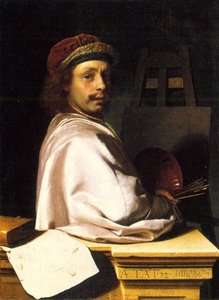
Frans Van Mieris
1635 - 1681 , Holandija
Brzi pregled
- Artistic Movement Or Style: Fijnschilder, žanrovska slikarstvo
- Artists Or Movements Influenced By This Artist:
- Viljem van Mieris
- Frans van Mieris mlađi
- A. D. Snapan
- Artists Who Influenced This Artist:
- Gerit Du
- Abraham van den Tempel
- Date Of Birth: 1635
- Date Of Death: 1681
- Full Name: Frans van Mieris stariji
- Nationality: Holandski
- Notable Artworks:
- Poseta lekaru
- Autoportret sa citarom
- Muzičko društvo
- Duet
- Place Of Birth: Lejden, Holandija
Srodni članci

Golden Light & Dutch Skies: The Timeless Magic of Dutch Golden Age Landscapes
Discover the breathtaking beauty of Dutch Golden Age landscapes. Explore the mastery of light, chiaroscuro, and 17th-century realism through an expert art history lens, celebrating the enduring legacy of the Dutch Masters for discerning collectors and art lovers.

Rembrandt van Rijn: 25 Majstorstava Svetla i Senke za Vaš Dom | OriginalUniqueArt
Uronite u svet Rembrandta van Rijna! Otkrijte 25 najlepših dela holandskog majstora – portrete, istorijske scene i biblijska platna. Kvalitetne reprodukcije slika za dekoraciju enterijera dostupne na OriginalUniqueArt.com.
Adriaen van Ostade: A Master of Dutch Genre Painting & Social Commentary
Explore the life & work of Adriaen van Ostade, a leading Dutch Golden Age painter. Discover his realistic genre scenes, social commentary, and lasting influence on art history. Learn more at OriginalUniqueArt.
Genre Painting: A Window into Daily Life & Societal Values of the Dutch Golden Age
Explore the captivating world of Dutch Golden Age genre painting! Discover realistic depictions of daily life, masterful artists like Ostade & Metsu, and hidden symbolism. Learn about this influential art movement with OriginalUniqueArt.

Zlatno doba Holandske umetnosti: Top 10 remek dela za vaš dom
Otkrijte remek dela Holandskog zlatnog doba! Uronite u svet Rembrandta, Vermeera i drugih majstora. 10 ikoničnih slika koje su definisale umetnost. Inspiracija za vaš dom i kolekciju - ekskluzivne reprodukcije na OriginalUniqueArt.com!