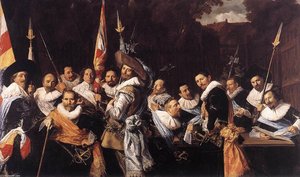
Pregledaj u prostoru
 Podeli
 Podeli
 Detalji
 Vodič
Vodič

 Preuzmi sliku
 Slični predmeti
 Rendgenski snimak
 Automatska prezentacija
 Statistika
Paulus Verschuur
 Oil On Canvas
- WallArt
- Baroque
 1643
1643 119.0 x 94.0 cm
 Metropolitan Museum of Art
 Pročitaj više
Giclee štampa / Umetnički otisak
Giclée štampa ili print na platnu muzejskog kvaliteta uz brzu izradu i raznovrsne opcije završne obrade. ( Naručite ručno oslikano reprodukciju Pređi na prodaju digitalnih slika)




P118B дин10

P118H дин10

P118W дин10

P438Z дин10

P508JH дин12

P508YH дин12

P805H дин10

P805Z дин10

P919BZ дин10

P919G дин10

P919XJ дин10

P959ZH дин10

P968JZ дин12

W106C дин8

W218G дин10

W218JH дин8

W218Y дин10

W307PJ дин10

W316G дин10

W316PJ дин8

W316Y дин10

W398PJ дин8

W4111J дин10

W500HY дин15

W500JH дин15

W692G дин12

W849H дин8

W940BG дин15

W953PJ дин8




Izaberite jednu od naših unapred definisanih veličina koje odgovaraju originalnim proporcijama umetničkog dela.

Možete uneti sopstvene dimenzije kako biste umetničko delo prilagodili specifičnom okviru ili prostoru. Ako odabrani format ne odgovara proporcijama originalne slike, mi ćemo ili iscrtati deo dela ili proširiti sliku pomoću ogledane ivice ili jednobojnog popunjavanja. Digitalni prikaz će vam biti poslat na odobrenje pre početka proizvodnje.
Imajte na umu da pregled na ekranu ne odražava stvarno iscrtavanje ili proširivanje. Samo će prikaz (mockup) precizno pokazati finalnu kompoziciju.
Iako su prilagođene dimenzije dostupne, preporučujemo da odaberete dimenziju sa unapred definisane liste kako biste očuvali originalne proporcije.
Dostava širom sveta () za 2 nedelje umesto uobičajenih 4/5 nedelja. (10 октобар)

Besplatna ekspresna dostava širom sveta

Visokokvalitetno laneno platno

Sveobuhvatno osiguranje transporta

Garancija povraćaja carine i uvoznih dažbina

Garancija vernosti boja i autentičnosti pri reprodukciji

Politika povraćaja u roku od 100 dana (samo u slučaju nedostataka)

Garancija povrata 100% novca

Popust pri većoj količini
 Opcija sa staklom dostupna je samo za dimenzije manje od 110 cm

Paulus Verschuur
Giclee štampa / Umetnički otisak
Veličina reprodukcije
-


Ukupna cena
дин 8087
A Portrait of Dignified Authority: Paulus Verschuur by Frans Hals
Frans Hals’s “Paulus Verschuur,” painted in 1643, is more than simply a portrait; it's a meticulously crafted study in Dutch Golden Age formality and understated power. The painting captures the likeness of Paulus Verschuur, a prominent Rotterdam mayor and director of the Dutch East India Company, offering a glimpse into the social standing and civic responsibility of a man at the heart of his city’s bustling commercial world. Hals masterfully employs his signature loose brushwork to create an image that is both strikingly realistic and imbued with a palpable sense of character – a testament to his revolutionary approach to portraiture.
The composition centers on Verschuur's face, rendered with remarkable detail despite the artist’s characteristic disregard for rigid precision. His gaze, direct and unwavering, engages the viewer immediately, conveying an air of quiet confidence and authority. The lighting, a dramatic chiaroscuro technique, sculpts his features, highlighting the strong lines of his face and emphasizing the subtle textures of his clothing. Hals skillfully uses light to draw attention to key elements – the meticulously rendered lace collar, a clear indicator of wealth and social status in 17th-century Holland, and the gesture of his hand resting lightly on his hip, suggesting both control and a certain relaxed dignity.
The Language of Form: Technique and Style
Hals’s distinctive style is immediately recognizable. He eschews the smooth, polished surfaces favored by many of his contemporaries, opting instead for a vibrant, almost impasto-like application of paint. The brushstrokes are visible, energetic, and full of life – a deliberate choice that imbues the portrait with a sense of immediacy and movement. This technique, combined with Hals’s masterful use of color, creates an illusion of depth and texture, particularly evident in the folds of his dark coat and cloak. The layering of thin glazes of oil paint builds up rich colors and subtle gradations, contributing to the painting's luminous quality.
Furthermore, Hals utilizes a carefully considered perspective – a single-point perspective that draws the viewer’s eye directly to Verschuur’s face. Geometric shapes—rectangles defining his clothing, circles for his eyes and nose, ovals for his head—are employed with precision, yet they never feel rigid or artificial. The background, rendered in muted grey-brown tones, serves as a neutral backdrop, allowing the subject to command attention without distraction. The overall effect is one of controlled elegance and understated sophistication – hallmarks of Hals’s artistic vision.
Symbolism and Context: A Window into 17th-Century Rotterdam
Beyond its technical brilliance, “Paulus Verschuur” offers a fascinating window into the social and cultural context of 17th-century Rotterdam. The portrait reflects the city's prominence as a major center for trade and commerce during the Dutch Golden Age. The hat worn by Verschuur is not merely an accessory; it’s a clear symbol of his elevated social standing, signifying membership in the merchant elite. The lace collar, another prominent detail, further reinforces this status, demonstrating wealth and refinement – attributes highly valued within the city's hierarchical society.
The fact that Verschuur was a director of the Dutch East India Company adds another layer of significance to the portrait. This powerful trading organization played a crucial role in shaping Rotterdam’s prosperity and influence during this period, highlighting the subject’s involvement in one of the most dynamic economic ventures of its time. The painting, therefore, serves as both a personal commemoration and a reflection of the city's thriving commercial landscape.
A Timeless Masterpiece: Reproduction and Legacy
“Paulus Verschuur” remains a captivating example of Dutch Golden Age portraiture, admired for its technical skill, psychological depth, and evocative atmosphere. Today, high-quality reproductions offer art lovers the opportunity to experience Hals’s masterpiece firsthand, bringing this remarkable image into homes and galleries worldwide. Whether displayed as a statement piece or incorporated into interior design schemes, a reproduction of “Paulus Verschuur” serves as a powerful reminder of the enduring legacy of Frans Hals and his profound contribution to the history of art.
Useful Links:
- Frans Hals Paulus Verschuur 1643 Oil Painting Reproduction
- Paulus Verschuur - Wikipedia
- Frans Hals Museum
Additional Research:
- Paulus Verschuur in *Dutch Paintings in the Metropolitan Museum of Art*, by Walter A. Liedtke, Metropolitan Museum of Art, 2007
- 1643, Frans Hals, Paulus Verschuur -- Metropolitan Museum of Art (New York)
Pitanja i odgovori
Koji umetnik se pripisuje delu "Paulus Verschuur"?
Umetnik koji stoji iza dela "Paulus Verschuur" je Frans Hals. Delo je katalogizovano pod imenom umetnika Frans Hals.
Kolika je zasićenost boja u delu „Paulus Verschuur”, Frans Hals?
Paleta dela "Paulus Verschuur" ima Muted zasićenost.
Koliko ljudi posmatra "Paulus Verschuur"?
Postoji Statistika stranica za „Paulus Verschuur“. Ona prikazuje mesečne posete ovom umetničkom delu i drugim delima ovog umetnika, uz detaljnu analizu po državama i jezicima.
U kom muzeju se čuva originalni "Paulus Verschuur"?
Originalno delo "Paulus Verschuur" možete videti u muzeju Metropolitan Museum of Art, New York, United States of America.
Koliko je godina imao/la Frans Hals u vreme kada je nastalo delo "Paulus Verschuur"?
Frans Hals je imao/la 63 godina kada je kreirao/la "Paulus Verschuur" u 1643. Godina je izračunata na osnovu godine rođenja umetnika, 1580.
Da li „Paulus Verschuur”, Frans Hals koristi jake kontraste ili nežne harmonije?
Analiza boja dela „Paulus Verschuur”, Frans Hals beleži Serene kontrast i Strong Color Unity harmoniju.
Kada je "Paulus Verschuur" nastalo?
Datum nastanka dela „Paulus Verschuur”, Frans Hals je 1643.
Biografija umetnika
Франс Халс I: Живот у боји
Франс Халс I, рођен око 1580. године у Антверпену, Белгија, био је холандски сликар чије име и данас одјекује као симбол Златног века холандског сликарства. Иако су детаљи његовог раног живота обложени тајном, Халс се уздигао до статуса једног од најзначајнијих уметника свог времена, прослављен захваљујући иновативним портретима и жанровским сценама. Његов живот био је путопис кроз прелазе, политичке турбуленције и тражење новог израза у свету уметности.
Почеци и формирање стила
Мало се зна о Халсовим раним годинама. Претпоставља се да је прве уметничке лекције добио у Антверпену, тадашњем центру сликарства. Међутим, због религиозних и политичких немира, његова породица се преселила у Харлем, где је 1610. године постао члан Цеха Светог Луке, формално обележивши почетак своје професионалне каријере. Управо у Харлему Халс почиње да развија свој препознатљив стил, који је био радикално другачији од конвенција тог времена.
Револуционарни приступ портретима и жанру
Халса је карактерисао изузетно свеж и спонтан стил. За разлику од многих савременика који су тежили прецизним детаљима, Халс је користио растресити и експресивни потез четком. Ова техника је његовим сликама дала осећај непосредности и виталности, осликавајући личност и карактер модела на начин који је био револуционаран за то време. Његови портрети нису били само ликови; они су били психолошке студије, продор у душу човека. Халс је мајсторски приказивао тренутке – смех, разговор или размишљање – хватајући есенцију живота у свом пуном сјају.
- Његови портрети нису били само ликови; они су били психолошке студије.
- Одликовао се приказивањем пролазних тренутака – смеха, разговора или размишљања.
- Халсова употреба светлости и сенке додавала је дубину и драму његовим композицијама.
Најзначајнија дела и трајан утицај
Иако је Халс створио широк спектар радова, најпознатији је по портретима. Међу његовим најславнијим сликама су: Смејући се каваљер (1624) – квинтeсенцијални пример његове способности да ухвати карактер и покрет, Мале Бабе (око 1633-1635) – импресиван портрет старије жене који показује Халсову вештину приказивања старости и личности, као и Портрети регената Дома за старе у Харлему (1664) - демонстрирајући његово мајсторство групног портретисања. Поред тога, стварао је убедљиве жанровске сцене – призоре из свакодневног живота – које су нудиле увид у холандско друштво.
Утицаји и наслеђе
Одређивање Халсових директних утицаја је изазован задатак, јер је развио веома индивидуалан стил. Међутим, вероватно је био упознат са радовима старијих фламанских сликара попут Питера Бругела Старијег. Његов иновативни приступ портретисању снажно је утицао на касније генерације уметника.
- Утицао је на уметнике као што су Адриаен Броувер и Јоханес Вермер.
- Нагласак на приказивању личности отворио је пут интимнијим и психолошким портретима.
- Каснији уметници, укључујући импресионисте, дивили су се његовом растреситом потезу четком и фокусу на светлу.
Историјски значај
Франс Халс I одиграо је кључну улогу у обликовању холандског сликарства током Златног века. Његов рад одражава растућу просперитет и индивидуализам Холандије у то време. Окренуо се ка природнијем и експресивнијем стилу, остављајући трајан спомен на светској уметности. Данас су његове слике веома тражене и могу се пронаћи у водећим музејима широм света, укључујући Франс Халс Музеј у Харлему, који поседује највећу збирку његовог рада. Његови доприноси настављају да инспиришу уметнике и одушевљавају публику вековима касније.

Frans Hals
1580 - 1585 , Belgija
Brzi pregled
- Artistic Movement Or Style: Zlatno doba Holandije
- Artists Or Movements Influenced By This Artist: ['Adriaen Brouwer']
- Date Of Birth: oko 1580.
- Date Of Death: 1666.
- Full Name: Frans Hals I
- Nationality: Holanđanin
- Notable Artworks (List Of Titles):
- Smejući se kavaler
- Malle Babbe
- Place Of Birth (City And Country): Antwerp, Belgija
Srodni članci

Golden Age Reflections: Dutch Baroque Painting & Cultural Innovation
Explore the Dutch Golden Age of painting! Discover key artists like Vermeer & ter Borch, their innovative techniques, and the rich cultural context behind these Baroque masterpieces. Learn about collecting & appreciating this iconic art period.

Frans Hals I: Innovation, Intimacy & the Dutch Golden Age Portrait
Explore the revolutionary portraiture of Frans Hals I, a master of the Dutch Golden Age. Discover his innovative techniques, captivating character studies & lasting impact on art history. Learn more at OriginalUniqueArt.

Dutch Baroque Masters: 10 Paintings That Shaped an Era | OriginalUniqueArt
Journey through the Golden Age with our guide to the Top 10 Dutch Baroque masterpieces! Explore iconic paintings by Rembrandt, Vermeer & Frans Hals. Find museum-quality art reproductions and elevate your home decor at OriginalUniqueArt.com.

Zlatno doba Holandske umetnosti: Top 10 remek dela za vaš dom
Otkrijte remek dela Holandskog zlatnog doba! Uronite u svet Rembrandta, Vermeera i drugih majstora. 10 ikoničnih slika koje su definisale umetnost. Inspiracija za vaš dom i kolekciju - ekskluzivne reprodukcije na OriginalUniqueArt.com!

Golden Light & Dutch Skies: The Timeless Magic of Dutch Golden Age Landscapes
Discover the breathtaking beauty of Dutch Golden Age landscapes. Explore the mastery of light, chiaroscuro, and 17th-century realism through an expert art history lens, celebrating the enduring legacy of the Dutch Masters for discerning collectors and art lovers.