
 Pregledaj u prostoru
 Pošalji
 Podeli
 Detalji o delu
 Vodič
Vodič

 Preuzmi
 Slični predmeti
 Rendgenski snimak
 Automatska prezentacija
 Pitanja i odgovori
 Statistika
Triumph of Venus

- 103.0 x 87.0 cm


 Pročitaj više
Giclee štampa / Umetnički otisak
Giclée štampa ili print na platnu muzejskog kvaliteta uz brzu izradu i raznovrsne opcije završne obrade. ( Kupite ručno oslikano delo Pređi na digitalnu sliku)




P118B дин10

P118H дин10

P118W дин10

P438Z дин10

P508JH дин12

P508YH дин12

P805H дин10

P805Z дин10

P919BZ дин10

P919G дин10

P919XJ дин10

P959ZH дин10

P968JZ дин12

W106C дин8

W218G дин10

W218JH дин8

W218Y дин10

W307PJ дин10

W316G дин10

W316PJ дин8

W316Y дин10

W398PJ дин8

W4111J дин10

W500HY дин15

W500JH дин15

W692G дин12

W849H дин8

W940BG дин15

W953PJ дин8




Izaberite jednu od naših unapred definisanih veličina koje odgovaraju originalnim proporcijama umetničkog dela.

Unesite željenu širinu i visinu kako bi se štampa uklopila u vaš ram ili zid. Štampu je moguće samo iseći, ali nikada povećati iznad dimenzija originalne slike, stoga format sa drugačijim proporcijama uzrokuje gubitak dela slike. Pre početka štampe, poslaćemo vam digitalni prikaz radi potvrde. Slika prikazana na ovoj stranici ne predstavlja stvarni isrez — to pokazuje samo digitalni prikaz.
Dostava širom sveta () za 2 nedelje umesto uobičajenih 4/5 nedelja. (8 новембар)

Besplatna ekspresna dostava širom sveta

Visokokvalitetno laneno platno

Potpuno osiguranje transporta

Garancija povraćaja carine i uvoznih dažbina

Garancija vernosti boja

Politika povraćaja u roku od 100 dana (samo u slučaju nedostataka)

Garancija povrata 100% novca

Popust na više proizvoda
 Opcija sa staklom dostupna je samo za dimenzije manje od 110 cm

Triumph of Venus
Giclee štampa / Umetnički otisak
Dimenzije reprodukcije
-


Ukupna cena
дин 8485
A Celebration of Venus: François Boucher’s Triumph Revisited
François Boucher (1703-1770) stands as a cornerstone of Rococo art, embodying its opulent aesthetic and masterful manipulation of light and color. His painting “The Triumph of Venus,” completed around 1740, exemplifies this artistic movement's fascination with mythology, sensual beauty, and aristocratic patronage—a testament to Boucher’s enduring legacy within the French Baroque tradition. This stunning depiction captures a pivotal moment in classical legend: Venus, goddess of love and fertility, emerges from the sea alongside Zephyr and Pomona, symbolizing rebirth and the promise of springtime.The Rococo Vision: Elegance and Illusion
Boucher's contribution to the Rococo style is undeniable. Unlike the grandeur of Baroque art—characterized by dramatic contrasts and monumental scale—Rococo prioritized delicacy and refinement. Boucher skillfully employs pastel hues – soft pinks, creams, and pale blues – creating an atmosphere of ethereal beauty that diffuses across the canvas. The artist’s technique relies heavily on *glazing*, layering thin translucent washes of color over a preparatory underpainting to achieve luminous effects and subtle tonal variations. This meticulous approach lends itself perfectly to capturing the fleeting emotions and sensual textures inherent in his subject matter.Mythological Narrative: Venus Ascendant
The composition is meticulously crafted, reflecting the conventions of mythological painting prevalent during Boucher’s time. Venus dominates the left side of the canvas, positioned centrally amidst a tranquil seascape. Her serene gaze directs our attention upwards, emphasizing her divine status and conveying an aura of regal composure. Surrounding her are Zephyr, god of the west wind, and Pomona, goddess of fruit trees—symbols of fecundity and renewal. The children adorning Venus’s robes – representing innocence and youthful vitality – further reinforce this thematic core. Note the careful attention to detail in portraying the drapery; Boucher utilizes folds and pleats with remarkable precision to create an illusion of volume and movement, enhancing the overall visual impact.Historical Context: Patronage and Artistic Influence
“The Triumph of Venus” was commissioned by Carl Gustaf Tessin, a Swedish diplomat and art collector who sought to adorn his palace in Stockholm. Boucher’s work reflects the tastes of the aristocratic elite during Louis XV's reign—a period marked by lavish celebrations of royal power and an obsession with idealized beauty. Importantly, this painting served as inspiration for Jean-Honoré Fragonard’s “The Birth of Venus,” demonstrating Boucher’s considerable influence on subsequent generations of artists. The piece exemplifies the Rococo’s preoccupation with capturing fleeting moments of pleasure and emotion—a stylistic hallmark that continues to resonate with audiences today.Emotional Resonance: Beauty and Tranquility
Ultimately, "The Triumph of Venus" transcends mere visual representation; it evokes a profound sense of tranquility and wonder. Boucher's masterful use of color and light creates an immersive experience for the viewer, transporting them into a realm of idealized beauty and sensual delight. The painting’s delicate composition and serene subject matter speak to the Rococo’s core values—a celebration of pleasure, grace, and artistic virtuosity—solidifying Boucher’s place as one of the most beloved figures in French art history.Pitanja i odgovori
Kako se kontrast i harmonija spajaju u delu "Triumph of Venus"?
Analiza boja dela „Triumph of Venus”, autor Франсоа Буше beleži Statement kontrast i Balanced Harmony harmoniju.
Koja veličina i orijentacija se preporučuju za štampu dela „Triumph of Venus”, autor Франсоа Буше?
Za "Triumph of Venus", preporučena dimenzija štampe je Large i Portrait orijentacija.
Kolika je luminancija dela „Triumph of Venus”, autor Франсоа Буше?
Boje dela "Triumph of Venus" pokazuju luminancu od Bright Balance.
Biografija umetnika
Франсоа Буше: Живот у ери Рокока
Франсоа Буше (1703-1770) био је кључна фигура француске уметности 18. века, познат као један од најславнијих сликара доба Рокока. Његово дело оличава елеганцију, сензуалност и игриви дух који су дефинисали овај утицајан стил. Буше није био само сликар; он је био симбол епохе, човек чије су радове обожавали краљеви, аристократија и цело друштво зажеђено лепотом и раскошем.
Рани живот и образовање
Рођен 29. септембра 1703. године у Паризу, Франсоа Буше је свој уметнички пут започео под вођством оца Жана Бушеа, који је такође био сликар. Већ са седамнаест година, привукао је пажњу Франсоа Лемоина, што га је одвело на кратку али значајну праксу у његовом атељеу. Даље је усавршавао своје вештине код гравера Жан-Франсоа Карса пре него што је постигао важан успех: освојио је престижну Гран При де Ром 1720. године. Ова награда му је отворила врата ка студијама у Риму, где је упознао класичне мајсторе и развио свој лични стил.
Успон славе и уметнички развој
Бушеов боравак у Италији, након победе на Гран Прију, био је преломан. По повратку у Француску, примљен је у Академију Краљевске сликарства и скулптуре 1731. године. Његово *morceau de réception*, “Риналдо и Армида” (1734), одмах га је успоставио као мајстора Рококо стила. У овом периоду се у потпуности развио његов уметнички глас, карактеристичан по деликатној четкици, пастелним палетама и нагласку на митолошким и пасторалним темама. Његова способност да споји класичну елеганцију са игривом грациозношћу била је без преседана.
Кључна дела и теме
Бушеов опус је изузетно разнолик, обухватајући митологију, портрете, жанр сцене и декоративну уметност. Међу његовим најпознатијим делима су:
- “Доручак” (1739): Шармантан приказ породичног живота са супругом и децом. Ово дело је било значајно по томе што је Буше представио своју породицу као моделе, показујући вештину жанр сликарства.
- “Тријумф Венере” (1740-1751): Серија слика која демонстрира Бушеову мајсторску интерпретацију митолошких наратива.
- Бројни портрети Мадам де Помпадур, утицајне љубавнице краља Луја XV, што је учврстило његов положај на двору. Ови портрети су били више од само физичких репрезентација; они су били симбол моћи и лепоте.
- Пејзажи као што је “Залазак Сунца”, који показују лиричну и идиличну визију природе.
Поновљени мотиви у Бушеовом раду укључују љубав, лепоту, слободно време и идеализован свет митологије. Његове слике често изазивају осећај игривог еротизма и рафиниране елеганције.
Утицај и наслеђе
Бушеов утицај се протезао далеко изван сликања. Дизајнирао је костиме и декорације за позориште, креирао гобелене за радионице Бове и сарађивао са Gobelins Manufactory. Његово именовање за *Premier Peintre du Roi* 1765. године потврдило је његов статус као водећег уметника француског Рокока. Касније су критичари доводили у питање очиту површност Рококо уметности, али Бушеов утицај на касније генерације остаје неоспоран. Инспирисао је уметнике као што је Жан-Оноре Фрагонар и значајно допринео развоју Неокласицизма кроз своје ученике.
Историјски значај
Франсоа Бушеов рад пружа драгоцен увид у укусе и вредности француског друштва 18. века. Његове слике одражавају аристократску културу ере, карактеристичну по луксузу, рафинираности и потрази за задовољством. Он остаје значајна фигура у историји уметности, слављена због своје техничке вештине, уметничке иновације и трајног доприноса Рококо стилу.

Франсоа Буше
1703 - 1770 , Француска
Osnovne informacije
- Datum Rođenja: 29. septembar 1703.
- Datum Smrti: 1770.
- Mesto Rođenja: Pariz, Francuska
- Nacionalnost: Francuz
- Puno Ime: François Boucher
- Umetnici Koji Su Uticali:
- François Lemoyne
- Jean-François Cars
- Umetnici Pod Uticajem: ['Jean-Honoré Fragonard']
- Umetnički Pokret: Rokoko
- Značajna Dela:
- Rinaldo i Armida
- Doručak
- Portreti Pompadur
Povezani članci

The Allure of Elegance in Art: A Historical & Aesthetic Exploration of Refinement & Grace
Explore the exquisite world of Rococo art! Discover its history, masters (Watteau, Boucher & more), and defining elegance. Expert insights for collectors seeking museum-quality reproductions & custom portraits.
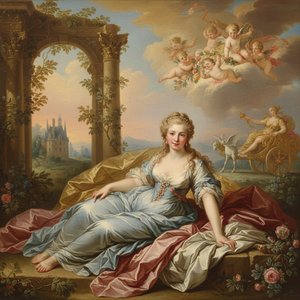
François Boucher: Rococo Master of Myth, Sensuality, and the French Court
Explore the captivating world of François Boucher, master of Rococo painting! Discover his iconic works, aristocratic patronage, and lasting influence on French art history. Learn more at OriginalUniqueArt.

The Rococo Aesthetic: Opulence, Rebellion & the Pursuit of Pleasure in 18th-Century Art
Explore the opulent world of Rococo art! Discover its origins, key artists like Watteau & Boucher, and lasting influence on design. Expert insights for collectors & enthusiasts.
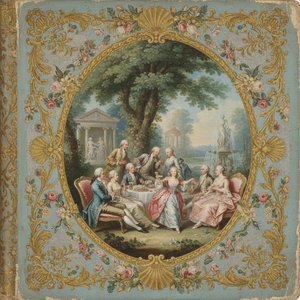
The Rococo Style: Aristocratic Leisure & the Pursuit of Delight in 18th-Century Art
Explore the opulent world of Rococo art! Discover Watteau, Boucher & Nattier's masterpieces. Expert insights for collectors seeking museum-quality reproductions and custom portraits at OriginalUniqueArt.

Rokoko: 10 Remek Dela Koja Su Definisala Eleganciju i Ukus
Otkrijte 10 remek dela koja su definisala rokoko umetnost! Uronite u svet Boucher-a, Watteau-a i Fragonarda. Istorija, stil i inspiracija za vaš dom. Kvalitetne reprodukcije i kuratorski odabiri na OriginalUniqueArt.com!
