
 Pregledaj u prostoru
 Pošalji
 Podeli
 Detalji o delu
 Vodič
Vodič

 Preuzmi
 Slični predmeti
 Rendgenski snimak
 Automatska prezentacija
 Statistika
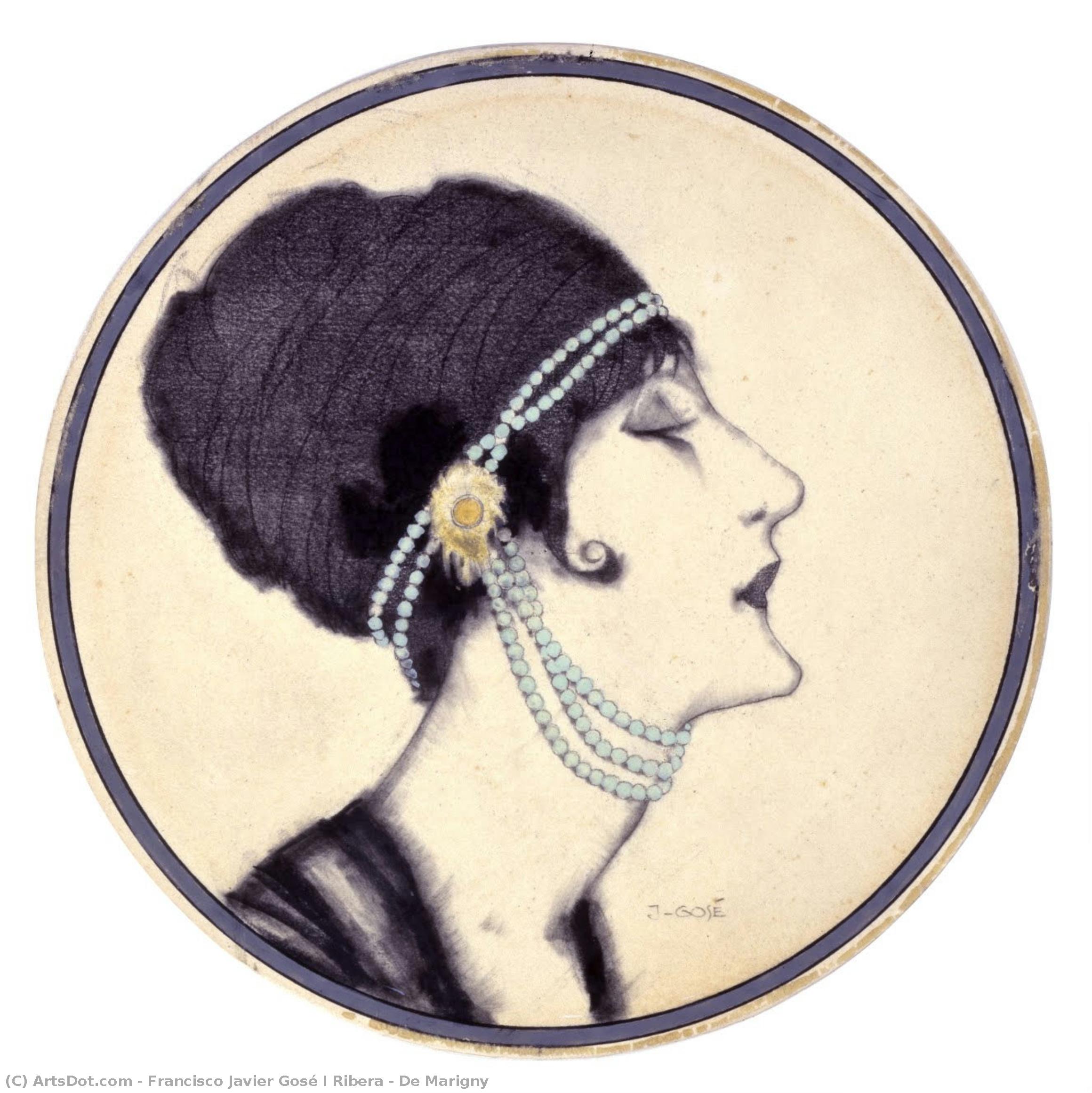
De Marigny


 Pročitaj više
Ručno rađena uljana reprodukcija
Ručno oslikano uljanim bojama na platnu u dimenzijama i okviru po vašem izboru, izrađeno po porudžbini od strane naših umetnika. ( Pređi na štampu Pređi na digitalnu sliku)




































Izaberite jednu od naših unapred definisanih veličina koje odgovaraju originalnim proporcijama umetničkog dela.

Unesite potrebnu širinu i visinu kako bi se slika uklopila u vaš ram ili zid. Pošto je ovo ručno oslikano delo, umetnik može za dimenzije drugačijeg oblika naslikati malo više prostora oko slike ili malo skratiti ivice — izbor je na vama. Pre početka rada, poslaćemo vam digitalni prikaz radi potvrde. Slika prikazana na ovoj stranici ne predstavlja konačan rezultat — samo digitalni prikaz pokazuje stvarnu sliku.
Nakon narudžbine, tim OriginalUniqueArt.com će klijentu putem e-pošte poslati uputstva i dostaviti prikaz predloženog rešenja
Svetska isporuka () za 3/4 nedelje umesto uobičajenih 5 nedelja. (28 октобар). Bez kompromisa po pitanju kvaliteta.

Besplatna ekspresna dostava širom sveta

Visokokvalitetno laneno platno

Potpuno osiguranje transporta

Garancija povraćaja carine i uvoznih dažbina

Garancija vernosti boja

Politika povraćaja u roku od 100 dana (samo u slučaju nedostataka)

Garancija povrata 100% novca

Popust na više proizvoda
 Opcija sa staklom dostupna je samo za dimenzije manje od 110 cm

De Marigny
Tehnika reprodukcije
Dimenzije reprodukcije
-


Ukupna cena
дин 30998
Biografija umetnika
The Visionary Lines of Francisco Javier Gosé i Ribera
In the vibrant, shifting landscape of early twentieth-century Europe, few artists captured the pulse of modernity with as much wit and elegance as Francisco Javier Gosé i Ribera. Born in 1876 in the historic Spanish city of Alcalá de Henares, Gosé emerged not merely as a painter, but as a visual chronicler of an era caught between the flowing, organic grace of Art Nouveau and the sharp, geometric sophistication of Art Deco. His life, though tragically brief, was a whirlwind of intellectual pursuit and artistic experimentation that bridged the gap between Spanish tradition and Parisian avant-garde.
Gosé’s artistic foundation was laid in Barcelona, a city then breathing the air of Catalan Modernisme. At the Escola de la Llotja, he studied under the influential Josep Luís Pellicer, whose teachings emphasized the profound connection between decorative arts and architectural structure. This early immersion in design would become the heartbeat of Gosé’s later work. As he navigated the bohemian circles of Barcelona, particularly the legendary Els Quatre Gats—a sanctuary for icons like Picasso—he absorbed the rebellious spirit of the era, learning to use the line not just to depict form, but to convey social commentary and cultural movement.
A Parisian Odyssey and the Art of Satire
The year 1900 marked a transformative departure for the young artist when he relocated to Paris, the undisputed epicenter of the art world. It was in this cosmopolitan atmosphere that Gosé truly found his voice as an illustrator and satirist. He became a vital contributor to the most prestigious satirical publications of the day, including Le Rer and L’Assiette au Beurre. These platforms demanded a unique mastery of caricature—an ability to distill complex social hierarchies and political tensions into single, biting images. His work during this period was characterized by a remarkable precision, where every stroke served to highlight the nuances of fashion, class, and the burgeoning urban identity.
Beyond the boundaries of pure illustration, Gosé’s intellect sought deeper expressions of the human condition. He was a man of multifaceted talents, venturing into literary realms to explore themes of psychology and philosophy. This intellectual depth allowed his visual art to transcend mere decoration; his drawings often possessed an underlying tension, reflecting the psychological complexities of the modern subject. His ability to weave together the aesthetic beauty of fashion illustration with the sharp edge of social critique made him a singular figure in the European press.
Legacy and Artistic Significance
The historical significance of Francisco Javier Gosé i Ribera lies in his role as a stylistic bridge. He possessed the rare ability to synthesize the ornamental flourishes of the late nineteenth century with the streamlined, industrial aesthetic that would define the coming decades. His legacy is preserved through several key artistic contributions:
- Mastery of Style: The seamless integration of Art Nouveau curves with the structured elegance of Art Deco.
- Visual Storytelling: A profound contribution to the golden age of European satirical illustration, using art as a tool for social observation.
- Cultural Synthesis: Bringing the spirit of Spanish identity into the heart of the French avant-garde movement.
- Fashion and Form: Capturing the ephemeral beauty of early 20th-century fashion through a lens of sophisticated graphic design.
Though his life ended in 1915, leaving much of his potential unfulfilled, the impact of Gosé’s vision remains etched in the history of modern graphic art. He remains a celebrated figure for those who seek to understand the transition from the romanticism of the past to the bold, unapologetic modernity of the twentieth century.

Francisco Javier Gosé I Ribera
1876 - 1915 , Spain
Osnovne informacije
- Artistic Movement Or Style: Art Nouveau & Art Deco
- Artists Or Movements Influenced By This Artist: ['Expressionism']
- Artists Who Influenced This Artist: ['José Luis Pellicer']
- Date Of Birth: 1876
- Date Of Death: 1915
- Full Name: Francisco Javier Gosé i Ribera
- Nationality: Spanish
- Notable Artworks:
- Noctámbulos / Conversación
- Arianne
- Idilio / Italiana
- Place Of Birth: Alcalá de Henares, Spain