

 Pregledaj u prostoru
 Podeli
 Podeli
 Detalji
 Vodič
Vodič

 Preuzmi sliku
 Slični predmeti
 Rendgenski snimak
 Automatska prezentacija
 Statistika
A Farmyard
 Mannerism
 1681
1681 254.0 x 346.0 cm
 National Trust
 Pročitaj više
Ručno rađena uljana reprodukcija
Ručno oslikano uljanim bojama na platnu u dimenzijama i okviru po vašem izboru, izrađeno po porudžbini od strane naših umetnika. ( Pređi na prodaju štampanih primeraka Pređi na prodaju digitalnih slika)




































Izaberite jednu od naših unapred definisanih veličina koje odgovaraju originalnim proporcijama umetničkog dela.

Unesite širinu i visinu koja vam je potrebna, kako bi se uklopili u vaš ram ili zid. Pošto je ovo ručno oslikano delo, umetnik može naslikati malo više prostora oko slike ili malo skratiti ivice za dimenzije drugačijeg oblika — izbor je na vama. Pre početka rada, poslaćemo vam digitalni prikaz radi potvrde. Slika prikazana na ovoj stranici ne predstavlja konačan rezultat — samo digitalni prikaz pokazuje stvarnu sliku.
Nakon narudžbine, tim OriginalUniqueArt.com će klijentu putem e-pošte poslati uputstva i dostaviti prikaz predloženog rešenja
Svetska isporuka () za 3/4 nedelje umesto uobičajenih 5 nedelja. (23 октобар). Bez kompromisa po pitanju kvaliteta.

Besplatna ekspresna dostava širom sveta

Visokokvalitetno laneno platno

Sveobuhvatno osiguranje transporta

Garancija povraćaja carine i uvoznih dažbina

Garancija vernosti boja i autentičnosti pri reprodukciji

Politika povraćaja u roku od 100 dana (samo u slučaju nedostataka)

Garancija povrata 100% novca

Popust pri većoj količini
 Opcija sa staklom dostupna je samo za dimenzije manje od 110 cm

A Farmyard
Tehnika izrade reprodukcije
Veličina reprodukcije
-


Ukupna cena
дин 30988
Biografija umetnika
The Pioneer of the English Wild: The Life and Legacy of Francis Barlow
In the vibrant, often turbulent landscape of 17th-century England, few figures possessed the versatility and observational prowess of Francis Barlow. Born in Lincolnshire around 1626, Barlow emerged as a polymath of the visual arts—a painter, etcher, illustrator, and satirist whose work bridged the gap between scientific naturalism and popular storytelling. Often revered as the "Father of British Sporting Painting," his influence stretched far beyond the mere depiction of animals; he captured the very soul of the English countryside and the shifting political tides of his era. Though history occasionally overlooked his immense contributions, Barlow’s ability to infuse anatomical precision with narrative drama established a foundation for generations of British artists, most notably the legendary George Stubbs.
Barlow's artistic journey was marked by an extraordinary breadth of subject matter. He was not merely a chronicler of nature but a master of many disciplines, ranging from natural history and hunting scenes to political caricature and decorative design. His early career saw him making significant strides in book illustration, most notably through his twelve-plate work for Edward Benlowe's Theophila in 1652. This period of intense productivity showcased his skill as a printmaker, a talent that would later lead to collaborations with esteemed engravers like Wenceslaus Hollar. Whether he was etching woodcuts for Aesop’s Fables or painting the delicate textures of a bird's plumage, Barlow possessed an "exactness in the portrayal of birds, fishes, and animals" that earned him profound respect among his contemporaries.
A Visionary of Narrative and Satire
Beyond the tranquil scenes of wildlife, Barlow holds a unique place in the annals of art history as one of the world's first professional cartoonists. In 1682, he produced A True Narrative of the Horrid Hellish Popish Plot, a work that stands as a landmark in the evolution of sequential art. By utilizing illustrated sequences paired with text and—most revolutionary for his time—the use of speech balloons to allow characters to communicate, Barlow pioneered a technique that would eventually become the bedrock of modern comics. This satirical edge allowed him to navigate the complex sociopolitical atmosphere of Restoration England, using his pen to comment on the scandals and conspiracies that gripped the nation.
His work often functioned on multiple levels, offering both literal beauty and deep symbolic resonance. While a viewer might be captivated by the technical mastery of a hunting scene or the serene atmosphere of a farmyard, Barlow frequently embedded rich metaphors within his compositions. These subtle layers allowed his art to speak to the English populace's moods and political anxieties. His ability to blend the scientific observation of a naturalist with the biting wit of a satirist made him a singular voice in an age of profound transition.
The Final Chapter and Enduring Influence
Despite his prolific output and the high regard in which he was held by peers, Barlow’s later years were shadowed by hardship. The very versatility that defined his career did not shield him from financial instability; historical records, including those by Joseph Strutt, suggest that he died in 1704 in much-needed poverty. It is a poignant irony that an artist who so vividly captured the abundance of life and the excitement of the hunt should conclude his journey in such indigent circumstances.
Yet, the legacy of Francis Barlow remains undiminished by the struggles of his final days. His contributions to British art are foundational, leaving behind a trail of innovation that can be seen in:
- The Birth of Sporting Art: Establishing the tradition of depicting hunting, fishing, and wildlife with anatomical accuracy and atmospheric depth.
- Printmaking Excellence: Elevating the status of book illustration and etching through detailed, high-quality engravings.
- Sequential Storytelling: Laying the early groundwork for the comic strip through his innovative use of speech balloons and narrative panels.
- Natural History Illustration: Providing a vital visual record of fauna that influenced both the scientific and artistic communities of the 17th and 18th centuries.
Today, when we look upon works such as Three Hares or his evocative animal studies, we see more than just historical artifacts; we see the eyes of a man who truly understood the wildness of the world and the complexity of the human spirit.
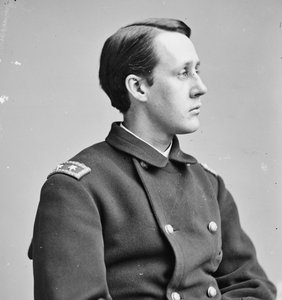
Francis Barlow
1624 - 1704 , United Kingdom
Brzi pregled
- Full Name: Francis Barlow
- Nationality: English
- Date Of Birth: 1624
- Date Of Death: 1704
- Place Of Birth: Lincoln, United Kingdom
- Notable Artworks:
- Three Hares
- A Farmyard
- A Cassowary
- Theophila illustrations
- Artistic Movement Or Style: Natural history, hunting, and satire
- Artists Who Influenced This Artist: ['William Sheppard']
- Artists Or Movements Influenced By This Artist:
- George Stubbs
- British sporting painting
Srodni članci
Životinjski svet u umetnosti: Simbolika, istorijski uticaj i savremene interpretacije
Istražite bogatu simboliku životinja u umetnosti kroz istoriju! Otkrijte primere dela slavnih umetnika i savremene interpretacije. Kvalitetne reprodukcije i konsultacije za vaš dom.

From Selfie to Studio Masterpiece: Transform Your Photos into Stunning AI-Driven Anime Art with OriginalUniqueArt
Step into the spotlight with OriginalUniqueArt's AI-driven transformation. Turn your photos into stunning, hand-painted anime oil masterpieces. Experience the perfect fusion of cutting-edge technology and museum-grade craftsmanship to create a timeless pop-culture legacy for your home.

Beyond the Screen: Transforming Personal Memories into Timeless AI-Driven Anime Masterpieces
Experience the magic of digital metamorphosis. Transform your cherished photos into stunning, hand-painted anime masterpieces using our proprietary AI technology and professional artists. Elevate your personal story with a timeless, high-quality oil painting on canvas.

The Enduring Legacy of Oil on Canvas: Technique, History & Aesthetic Impact
Explore the rich history & techniques of oil painting – from Renaissance masters to Impressionism. Discover pigments, layering methods, and why this timeless medium endures. Expert insights for artists & art enthusiasts.
Beastly Brushstrokes: A Historical Journey Through Animal Painting & Aesthetic Movements
Explore the rich history of animal painting across cultures & movements. Discover iconic artists, symbolism, collecting trends & expert art consultation at OriginalUniqueArt.com.