Meni

() ·

A painting made for you, by hand

Bacchanal

Ručno rađena uljana reprodukcija

Ručno oslikano uljanim bojama na platnu u dimenzijama i okviru po vašem izboru, izrađeno po porudžbini od strane naših umetnika. ( Pređi na štampu Pređi na digitalnu sliku)

Opis predmeta

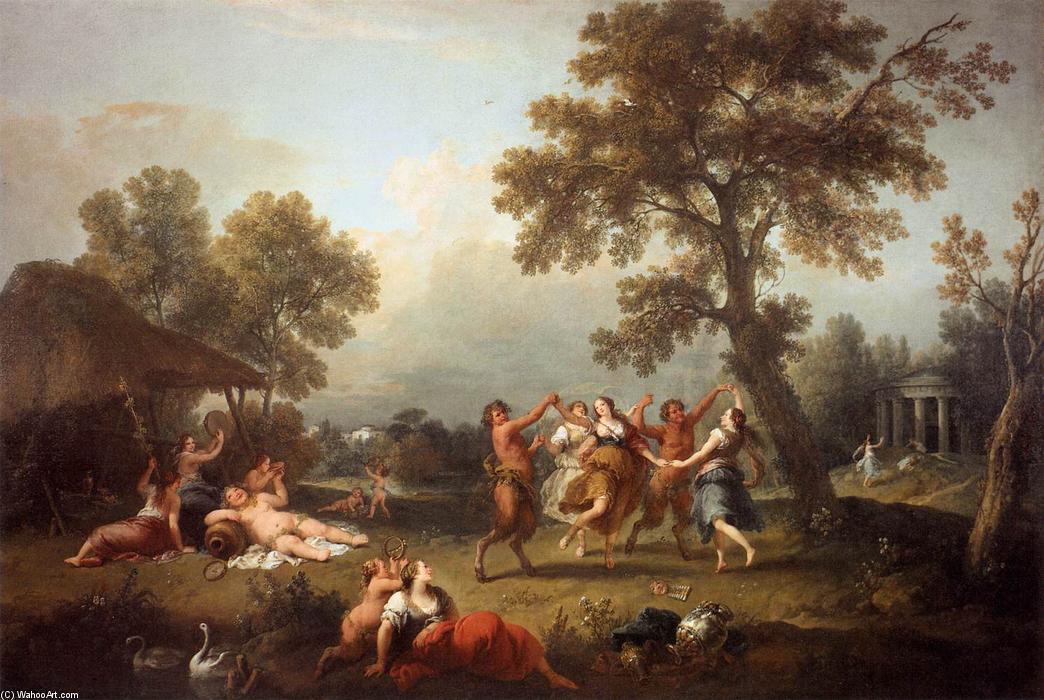
Experience the joyous Rococo elegance of Francesco Zuccarelli’s Bacchanal, a vibrant oil masterpiece capturing an idyllic pastoral celebration that invites you to bring timeless Venetian charm into your private collection.

Biografija umetnika

Istražite idilične pejzaže Francesco Zuccarellija (1702-1788), italijanskog majstora rokokoa poznatog po svojim arkadskim scenama i venecijanskom šarmu.

from ·

Chapter 1

How large should it be?

Slide to change the size; the picture on the left shows the frame at its real width. The proportions of the original are kept.

Standardne dimenzije
po meri
CM
INCH

Izaberite jednu od naših unapred definisanih veličina koje odgovaraju originalnim proporcijama umetničkog dela.

širina
visina

Unesite potrebnu širinu i visinu kako bi se slika uklopila u vaš ram ili zid. Pošto je ovo ručno oslikano delo, umetnik može za dimenzije drugačijeg oblika naslikati malo više prostora oko slike ili malo skratiti ivice — izbor je na vama. Pre početka rada, poslaćemo vam digitalni prikaz radi potvrde. Slika prikazana na ovoj stranici ne predstavlja konačan rezultat — samo digitalni prikaz pokazuje stvarnu sliku.

Chapter 2

How should it arrive?

Choose the edges of the stretched canvas

Choose your frame

Corner sample of the WhiteWrap canvas edge finish, stretched on masivno drvo bars
White дин1
Corner sample of the BlurSideWrap canvas edge finish, stretched on masivno drvo bars
Blurside дин1
Corner sample of the ExtendedWrap canvas edge finish, stretched on masivno drvo bars
Extended дин1
Corner sample of the P118B picture frame: oblikovani polistiren, 5 cm wide and 3 cm thick
P118B дин10
Corner sample of the P118H picture frame: oblikovani polistiren, 5 cm wide and 3 cm thick
P118H дин10
Corner sample of the P118W picture frame: oblikovani polistiren, 5 cm wide and 3 cm thick
P118W дин10
Corner sample of the P438Z picture frame: oblikovani polistiren, 5.5 cm wide and 3.5 cm thick
P438Z дин10
Corner sample of the P508JH picture frame: oblikovani polistiren, 7 cm wide and 3.5 cm thick
P508JH дин12
Corner sample of the P508YH picture frame: oblikovani polistiren, 7 cm wide and 3.5 cm thick
P508YH дин12
Corner sample of the P805H picture frame: oblikovani polistiren, 5 cm wide and 3.5 cm thick
P805H дин10
Corner sample of the P805Z picture frame: oblikovani polistiren, 5 cm wide and 3.5 cm thick
P805Z дин10
Corner sample of the P919BZ picture frame: oblikovani polistiren, 7 cm wide and 3.5 cm thick
P919BZ дин10
Corner sample of the P919G picture frame: oblikovani polistiren, 7 cm wide and 3.5 cm thick
P919G дин10
Corner sample of the P919XJ picture frame: oblikovani polistiren, 7 cm wide and 3.5 cm thick
P919XJ дин10
Corner sample of the P959ZH picture frame: oblikovani polistiren, 5 cm wide and 3 cm thick
P959ZH дин10
Corner sample of the P968JZ picture frame: oblikovani polistiren, 6 cm wide and 4 cm thick
P968JZ дин12
Corner sample of the W106C picture frame: masivno drvo, 5 cm wide and 3 cm thick
W106C дин8
Corner sample of the W218G picture frame: masivno drvo, 5 cm wide and 3 cm thick
W218G дин10
Corner sample of the W218JH picture frame: masivno drvo, 5 cm wide and 3 cm thick
W218JH дин8
Corner sample of the W218Y picture frame: masivno drvo, 5 cm wide and 3 cm thick
W218Y дин10
Corner sample of the W307PJ picture frame: masivno drvo, 6 cm wide and 3 cm thick
W307PJ дин10
Corner sample of the W316G picture frame: masivno drvo, 6 cm wide and 3 cm thick
W316G дин10
Corner sample of the W316PJ picture frame: masivno drvo, 6 cm wide and 3 cm thick
W316PJ дин8
Corner sample of the W316Y picture frame: masivno drvo, 6 cm wide and 3 cm thick
W316Y дин10
Corner sample of the W398PJ picture frame: masivno drvo, 5 cm wide and 3 cm thick
W398PJ дин8
Corner sample of the W4111J picture frame: masivno drvo, 6.5 cm wide and 3.5 cm thick
W4111J дин10
Corner sample of the W500HY picture frame: masivno drvo, 7 cm wide and 5 cm thick
W500HY дин15
Corner sample of the W500JH picture frame: masivno drvo, 7 cm wide and 5 cm thick
W500JH дин15
Corner sample of the W692G picture frame: masivno drvo, 8 cm wide and 4 cm thick
W692G дин12
Corner sample of the W849H picture frame: masivno drvo, 5 cm wide and 3 cm thick
W849H дин8
Corner sample of the W940BG picture frame: masivno drvo, 7.5 cm wide and 4.5 cm thick
W940BG дин15
Corner sample of the W953PJ picture frame: masivno drvo, 6 cm wide and 3.5 cm thick
W953PJ дин8
Corner sample of the H24-GOLD picture frame: rezbarano drvo sa gessoom, 10 cm wide and 6 cm thick
H24-GOLD дин30
Corner sample of the H24-SILVER picture frame: rezbarano drvo sa gessoom, 10 cm wide and 6 cm thick
H24-SILVER дин30
Corner sample of the H36-GOLD picture frame: rezbarano drvo sa gessoom, 15 cm wide and 6.5 cm thick
H36-GOLD дин45
Corner sample of the H36-SILVER picture frame: rezbarano drvo sa gessoom, 15 cm wide and 6.5 cm thick
H36-SILVER дин45

Moulding: . Overall size with the frame: .

Chapter 3

Who paints it, and should anything change?

Examples of what can be changed: Replace face with customer photo; Add pet (e.g., replace cat with dog); Include hidden message in background; Change background landscape or elements.
After order, OriginalUniqueArt.com team will email client for instructions and provide a mockup preview

Svetska isporuka () za 3/4 nedelje umesto uobičajenih 5 nedelja. (30 октобар). Bez kompromisa po pitanju kvaliteta.

Chapter 4

The finishing touches

A nameplate, as in a museum?

Detalji gravirane bronze ploče

This elegant plaque features the artist's name and the title of the artwork, finely engraved for a timeless presentation.

It is made from bronze with a refined, elegant finish. The text is precisely laser-engraved for a sharp and permanent result. Measuring 9x2 cm, the plaque is compact yet easy to read. It's built to be durable and scratch-resistant, offering a professional, museum-quality look. Mounting is simple thanks to the included adhesive backing.

Detalji prozirne akrilne pločice

The plaque includes essential engraved details such as the artist's name, the title of the artwork, the date it was created, the type of media used-like oil on canvas or watercolor-a brief description of the piece, and a QR code that links to the complete artwork information.

It is crafted from clear acrylic, offering a sleek, modern appearance. The text is UV-engraved in black to ensure strong visual contrast. With a size of 10x15 cm, it ensures optimal readability. It comes equipped with two metal hooks for secure wall mounting. The plaque is designed to be weather-resistant, making it suitable for various environments, and it includes interactive features that work seamlessly with smartphone scanning.

Detalji crne akrilne pločice

This elegant plaque includes engraved information such as the artist's name, the title of the artwork, the date it was created, the type of media used (like oil on canvas or watercolor), a short description of the artwork, and a QR code for quick access to more information.

The plaque itself is made from refined black acrylic with a premium finish. The text is laser-engraved in white for high contrast and readability. Its size is 10x15 cm, designed to be easy to read. It comes with two metal hooks for professional mounting. The design is sleek and fits any interior style. It is also weather-resistant and durable, with built-in digital integration for mobile compatibility.

A protective varnish?

When do you need it?

Chapter 5

Your painting, as you ordered it

Bacchanal

Tehnika reprodukcije

Dimenzije reprodukcije

-

Vrhunski maestri umetnosti

Više detalja, prefinjenosti i dodatnog vremena za izradu

-

Okvir za reprodukciju

-

-

Za umetnička dela ili reprodukcije čija je bilo koja strana veća od 105 cm (približno 41 inč), okvir će biti isporučen u obliku rastavljenog seta za sklapanje. Ovaj metod osigurava bezbednu dostavu i sprečava oštećenja tokom transporta.

Potrebna je profesionalna montaža – ovo nije proizvod namenjen samostalnoj izradi.
Set mora sastaviti i platno zategnuti iskusni profesionalni ramitelj, koristeći drveni lepak (nije uključen u set), hvataljku za zatezanje platna i stege kako bi se održao prav ugao okvira dok se lepak suši. Nepravilno sklapanje ili neravnomerno zategnuto platno mogu trajno oštetiti umetničko delo, što nije pokriveno našom garancijom.

  • Sve šipke od masivnog drveta su uključene, precizno isečene po veličini.

  • Montira se pomoću priloženih šrafova, uz dodatno korišćenje lepka za drvo za spojeve u uglovima, koji nije uključen u set i koji vaš čuvar okvira mora obezbediti.

  • Potreban je profesionalni alat koji nije uključen u set: klešta za zatezanje platna (zatezač) i stege za održavanje pravih uglova letvica tokom sušenja lepka.

Važno:
Za spojeve u uglovima neophodan je lepak za drvo, šipke se moraju pričvrstiti stezgama dok lepak potpuno ne osuši, a za zatezanje platna na sklopljenom ramu potrebne su hvataljke za zatezanje platna. Nijedan od ovih alata nije uključen u komplet. Pre naručivanja ove veličine, molimo Vas da unapred obezbedite iskusnog profesionalca za ramačenje.

Kratki opis natpisa

-

-

Zaštitni lak

Sjajni lak (pojačava intenzitet boja, štiti od svetlosti i vlage)

-

Personalizujte svoje umetničko delo

Primeri mogućnosti izmene: Zamena lica fotografijom kupca; Dodavanje ljubimca (npr. zamena mačke psom); Uključivanje skrivene poruke u pozadini; Promena pejzaža ili elemenata pozadine.

-

Hitna dostava

Svetska isporuka () za 3/4 nedelje umesto uobičajenih 5 nedelja. (30 октобар). Bez kompromisa po pitanju kvaliteta.

-

Brza dostava

Dostava širom sveta () u roku od 5 nedelja. (6 новембар).

Uključeno u cenu

Ukupna cena

дин 31059

Ukupna cena дин 31059

Opcija sa staklom dostupna je samo za dimenzije manje od 110 cm

Included with every order

  • Besplatna ekspresna dostava širom sveta
  • Visokokvalitetno laneno platno
  • Potpuno osiguranje transporta
  • Garancija povraćaja carine i uvoznih dažbina
  • Garancija vernosti boja
  • Politika povraćaja u roku od 100 dana (samo u slučaju nedostataka)
  • Garancija povrata 100% novca
  • Popust na više proizvoda

Francesco Zuccarelli’s Bacchanal: A Symphony of Pastoral Elegance

The Bacchanal by Francesco Zuccarelli stands as an emblem of the Rococo artistic movement, capturing not merely a scene but an entire ethos—one steeped in aristocratic indulgence and idealized beauty. Painted circa 1740-50, this oil on canvas masterpiece resides within the Gallerie dell’Accademia in Venice, Italy, offering visitors a glimpse into a period defined by opulent interiors and refined sensibilities. Zuccarelli's skill lies not just in depicting figures engaged in joyous revelry but in crafting an immersive experience that transports the viewer to a realm of pastoral serenity infused with vibrant color and masterful composition.

Composition and Style: Balancing Chaos and Harmony

Zuccarelli’s approach distinguishes itself from the more dramatic Baroque tradition, prioritizing balance and grace over theatrical grandeur. The painting depicts a lively bacchanal—a celebration honoring Dionysus, the Greek god of wine and ecstasy—yet it avoids overwhelming visual sensation. A central group of figures dominates the canvas, their postures dynamic yet carefully arranged around a prominent architectural element: a classical structure reminiscent of Roman temples, subtly anchoring the scene in antiquity. The artist employs meticulous detailing to portray each participant’s attire and expression, conveying both physicality and emotion with remarkable precision. Notice how Zuccarelli utilizes light and shadow to sculpt forms, creating depth and enhancing the sense of movement—a hallmark of Rococo aesthetics.

Color Palette and Technique: Embracing Pastel Radiance

The color palette is dominated by earthy tones – ochre, umber, Sienna – providing a grounding counterpoint to the splashes of vibrant hues adorning the figures’ clothing. Crimson reds, emerald greens, and sapphire blues punctuate the scene, symbolizing fertility, vitality, and divine inspiration. Zuccarelli's technique showcases exceptional brushwork, layering pigments with subtle gradations to achieve luminous surfaces that shimmer with reflected light. The artist skillfully blends colors on canvas, creating a velvety texture that contributes to the painting’s overall impression of luxurious softness. This meticulous attention to detail underscores Zuccarelli’s dedication to capturing not just what is seen but also how it feels—a testament to the transformative power of art.

Historical Context: Venetian Aristocracy and Artistic Patronage

The Bacchanal reflects the cultural landscape of Venice during the mid-18th century, a city ruled by an aristocratic elite deeply invested in artistic patronage. Zuccarelli’s work exemplifies the Rococo style's fascination with idealized landscapes and mythological narratives—themes favored by Venetian noble families eager to express their status and sophistication. The painting aligns perfectly with broader European trends toward decorative art and emotional expression, signaling a shift away from Baroque solemnity towards a celebration of sensual pleasure and imaginative vision.

Symbolism: Dionysian Ecstasy and Pastoral Tranquility

Beyond its visual splendor, Bacchanal is laden with symbolic significance. The bacchanalia itself represents the unrestrained pursuit of joy and indulgence—a deliberate rejection of Puritan morality—while simultaneously evoking images of Arcadia, the mythical pastoral paradise inhabited by shepherds and nymphs. The figures’ gestures convey a profound connection to nature and divine inspiration, mirroring the Rococo preoccupation with themes of beauty, harmony, and sensual experience. Zuccarelli's masterful depiction captures not only the outward spectacle of celebration but also its inner resonance—a reminder that art can transcend mere representation to communicate deeper truths about human emotion and spiritual aspiration.

Legacy: Rediscovering Zuccarelli’s Vision

Francesco Zuccarelli’s reputation waned in the early 19th century, yet his work has experienced a resurgence of interest in recent decades, displayed prominently in museums worldwide. Bacchanal stands as a cornerstone of Rococo art history—a testament to Zuccarelli's artistic genius and his ability to distill the essence of an era into a single unforgettable image. Its enduring appeal lies in its exquisite beauty, balanced composition, and profound exploration of human emotion, continuing to inspire artists and collectors alike.

Pitanja i odgovori

Ko je autor dela "Bacchanal" i u kom umetničkom pravcu?

Frančesko Zukareli je kreirao/la "Bacchanal" u okviru Rococo Period pokreta.

Koje mesto zauzima „Bacchanal”, autor Frančesko Zukareli u istoriji umetnosti?

Istorijski gledano, "Bacchanal" je Rococo Period delo šire ere Early Modern.

Koliko je godina imao/la Frančesko Zukareli u vreme nastanka dela "Bacchanal"?

Frančesko Zukareli je imao/la 38 godina kada je kreirao/la "Bacchanal" u 1740. Godina je izračunata na osnovu godine rođenja umetnika, 1702.

More about this painting

Pregledaj u prostoru AR pregled Pređi na štampu Pređi na digitalnu sliku Pošalji
Detalji o delu Vodič Dodaj u omiljene Preuzmi Slični predmeti Rendgenski snimak Automatska prezentacija Q&A Statistika

In numbers

  • 1740the year it was painted
  • 29frames to choose from
  • standard sizes, in its own proportions
  • 5weeks to paint and deliver it
Frančesko Zukareli

Frančesko Zukareli

1702 - 1788, Italija

Quick facts about Frančesko Zukareli

  • Artistic Movement Or Style: Roko, Barok
  • Artists Who Influenced This Artist:
    • Paolo Anesi
    • Claude Lorrain
    • Andrea del Sarto
  • Date Of Birth: 15. avgust 1702.
  • Date Of Death: 30. decembar 1788.
  • Full Name: Giacomo Francesco Zuccarelli
  • Nationality: Italijan
  • Notable Artworks:
    • Capriccio sa San Giorgio Maggiore
    • Klasični pejzaž
    • Pejzaž sa devojkama pored reke
    • Bokal
  • Place Of Birth (City And Country): Pitigliano, Italija

Biografija umetnika

Frančesko Zukareli: Život utkan u pejzaž

  • Rođen: Pitigliano, Italija (1702)
  • Preminuo: 1788
  • Pokret: Kasnobarok / Rokoko

Đakomo Frančesko Zukareli, koji je najpoznatiji ostao pod imenom Frančesko Zukareli, bio je ključni italijanski umetnik čije su ime proslavili idilični pejzaži i arkadski prizori. Rođen u Pitigliu, u Toskani, 1702. godine, on se usred sredine 1ms-og veka istakao kao najznačajniji pejzažni slikar Venecije. Njegovo delo je duboko odjeknulo širom Evrope, a posebno u Engleskoj, gde je proveo značajne periode pod kraljevskim pokroviteljstvom.

Rani razvoj i rimski uticaji

  • Učenik: Zukareli je započeo svoj umetnički put kao šegrt Đovanija Marije Morandija i Pjetra Nelija u Rimu, u početku se fokusirajući na portretnu slikarstvo.
  • Gravure i freske: Od 1728. do 1731. godine, posvetio se uglavnom graviranju propadajućih freski Đovanija da San Đovana i Andrea del Sarta, pokazujući oštro oko za detalje i klasične uticaje.
  • Vođstvo Paola Anezija: Luidži Lanči je primetio da je Paolo Anezi odigrao presudnu ulogu u usmeravanju Zukarelija ka pejzažnoj slikarstvu, oblikujući njegov umetnički pravac.

Njegova rana dela otkrivaju uticaj rimskog klasicizma i rastuće interesovanje za dočaravanje lepote italijanske ruralne sredine.

Venecijanski period i uspon ka slavi

  • Dolazak u Veneciju: Oko 1732. godine, Zukareli se preselio u Veneciju, iskoristivši priliku koja se otvorila u oblasti pejzažne slike.
  • <Prepoznatljiv stil: Razvio je jedinstven stil koji karakteriše nežna paleta, vazdušne kompozicije i figure oživljene svetlucavim tonalitetima — što je predstavljalo odstupanje od tipičnih venecijanskih boja njegovih prethodnika.

  • <Pokroviteljstvo i saradnje: Zukareli je brzo stekao naklonost uticajnih ličnosti poput maršala Šulenburga, Džozefa Smita (britanskog konula) i Frančeska Algarotija. Često je sarađivao sa umetnicima kao što su Antonio Vizentini i Bernando Belo. Značajne saradnje uključuju stvaranje serija neo-paladijanske arhitekture i set karata sa temom Starog zaveta sa ručno obojenim scenama.
  • <Članstvo u Kraljevskoj akademiji: Godine 1768, postao je osnivač Kraljevske akademije umetnosti u Londonu, čime je učvrstio svoju reputaciju na međunarodnoj sceni.

Ovaj period označava Zukarelijev uspon ka vrhuncu slave, dok su njegovi pejzaži očaravali publiku širom Evrope, utemeljivši ga kao vodeću figuru pokreta Rokoko.

Kasne godine, opadanje i obnovljeno priznanje

  • <Kritički recepcija: Uprkos početnom priznanju, Zukarelijeva reputacija je oslabila početkom 19. veka kako je naturalizam dobijao na značaju. Kritičari poput Tarnera nudili su umerene pohvale, priznajući lepotu njegovih figura, ali preispitujući njegov opšti stil.
  • <Analiza Mihaela Leveja: Istoričar umetnosti Mihael Levej kasnije je pripisao široku popularnost Zukarelija dekorativnoj prirodi njegovog rada, naročito među engleskom publikom.
  • <Moderna reevaluacija: Od 1990-ih, italijanski naučnici predvode obnovljeno apreciiranje Zukarelijevog doprinosa, ističući njegov značaj u pejzažnoj slikarstvu i izlažući njegova dela na brojnim izložbama.

Danas je Frančesko Zukareli priznat kao majstor perioda Rokoka, slavljen zbog svojih idiličnih pejzaža koji evociraju osećaj spokoja i klasične lepote. Njegovo nasleđe nastavlja da inspiriše umetnike i očarava publiku širom sveta.

Osnovne informacije

  • Location: Gallerie Accademia, Venice
  • Notable elements or techniques: Detailed depiction of a bacchanal scene.
  • Year: 1740-50
  • Subject or theme: Festive gathering honoring Bacchus
  • Medium: Oil on canvas
  • Artistic style: Elegant and exuberant Rococo

Kviz o umetnosti

Svako pitanje ima samo jedan tačan odgovor.

Pitanje 1:
What artistic movement is Francesco Zuccarelli’s ‘Bacchanal’ primarily associated with?
Pitanje 2:
Where is the original painting of ‘Bacchanal’ currently housed?
Pitanje 3:
What prominent feature characterizes the composition of ‘Bacchanal’, contributing to its dynamic atmosphere?
Pitanje 4:
The painting depicts a scene honoring which Roman deity?
Pitanje 5:
What is the dominant color palette used in ‘Bacchanal’, reflecting the stylistic conventions of the Rococo period?

































