
 Pregledaj u prostoru
 Pošalji
 Podeli
 Detalji o delu
 Vodič
Vodič

 Preuzmi
 Slični predmeti
 Rendgenski snimak
 Automatska prezentacija
 Pitanja i odgovori
 Statistika
Портрет жене

- 46.0 x 45.0 cm


 Pročitaj više
Giclee štampa / Umetnički otisak
Giclée štampa ili print na platnu muzejskog kvaliteta uz brzu izradu i raznovrsne opcije završne obrade. ( Kupite ručno oslikano delo Pređi na digitalnu sliku)




P118B дин10

P118H дин10

P118W дин10

P438Z дин10

P508JH дин12

P508YH дин12

P805H дин10

P805Z дин10

P919BZ дин10

P919G дин10

P919XJ дин10

P959ZH дин10

P968JZ дин12

W106C дин8

W218G дин10

W218JH дин8

W218Y дин10

W307PJ дин10

W316G дин10

W316PJ дин8

W316Y дин10

W398PJ дин8

W4111J дин10

W500HY дин15

W500JH дин15

W692G дин12

W849H дин8

W940BG дин15

W953PJ дин8




Izaberite jednu od naših unapred definisanih veličina koje odgovaraju originalnim proporcijama umetničkog dela.

Unesite željenu širinu i visinu kako bi se štampa uklopila u vaš ram ili zid. Štampu je moguće samo iseći, ali nikada povećati iznad dimenzija originalne slike, stoga format sa drugačijim proporcijama uzrokuje gubitak dela slike. Pre početka štampe, poslaćemo vam digitalni prikaz radi potvrde. Slika prikazana na ovoj stranici ne predstavlja stvarni isrez — to pokazuje samo digitalni prikaz.
Dostava širom sveta () za 2 nedelje umesto uobičajenih 4/5 nedelja. (9 новембар)

Besplatna ekspresna dostava širom sveta

Visokokvalitetno laneno platno

Potpuno osiguranje transporta

Garancija povraćaja carine i uvoznih dažbina

Garancija vernosti boja

Politika povraćaja u roku od 100 dana (samo u slučaju nedostataka)

Garancija povrata 100% novca

Popust na više proizvoda
 Opcija sa staklom dostupna je samo za dimenzije manje od 110 cm

Портрет жене
Giclee štampa / Umetnički otisak
Dimenzije reprodukcije
-


Ukupna cena
дин 8485
Francesco Laurana: A Delicate Balance Between Gothic Tradition and Renaissance Innovation
Francesco Laurana, born in Vrana around 1430 and tragically lost to history in 1494, represents a pivotal figure within the burgeoning artistic landscape of Early Netherlandish painting. Often categorized as an innovator bridging the gap between the solemn grandeur of Gothic art and the humanist optimism of the Renaissance, Laurana’s oeuvre defies simple categorization—he embodies a masterful synthesis of stylistic influences that profoundly impacted his contemporaries. His life story is inextricably linked to the turbulent artistic climate of his time – a period characterized by intense rivalry between Italian masters like Michelangelo and Leonardo da Vinci and their northern counterparts, and crucially, by a gradual shift in artistic priorities driven by intellectual currents reshaping European thought. Laurana’s formative years were spent primarily in Mainz and Cologne, where he honed his skills under the tutelage of Master Mathis Nithart – an experience that instilled within him a deep appreciation for the enduring legacy of German art traditions. These traditions emphasized meticulous detail, spiritual contemplation, and a profound reverence for religious iconography—elements which would subsequently permeate Laurana’s own artistic endeavors. Unlike many of his peers who embraced the bold experimentation championed by Florentine artists, Laurana maintained a steadfast commitment to established conventions, skillfully adapting them to express new ideas and emotions. This careful balance between stylistic heritage and innovative vision is particularly evident in works like “Bust of a Woman,” a piece that exemplifies Laurana’s distinctive approach.The Sculpture's Form and Technique: A Study in Marble Elegance
“Bust of a Woman” (circa 1470), executed in Carrara marble, showcases Laurana’s exceptional craftsmanship and technical prowess. The sculpture’s surface is remarkably smooth, achieved through painstaking polishing—a technique indicative of the meticulous attention to detail prevalent during the Renaissance. Laurana skillfully employed drapery folds to create a sense of movement and volume, capturing the subtle contours of the woman's face with astonishing accuracy. The artist’s mastery extends beyond mere replication; he imbues the marble form with palpable emotion, conveying serenity and grace through nuanced expressions. The use of chiaroscuro—the dramatic interplay between light and shadow—further enhances the sculpture’s visual impact, emphasizing the contours of the face and highlighting the delicate texture of the fabric.Historical Context: Reflections of Humanism in Northern Europe
Laurana's work emerged during a period of significant intellectual transformation across Europe – the humanist movement championed by figures like Erasmus and Pico della Mirandola was gaining momentum, challenging medieval dogma and advocating for a renewed focus on human reason and observation. While Italian artists were exploring ambitious narratives and dramatic compositions, Laurana’s sculptures served as a counterpoint, reflecting a more restrained aesthetic rooted in Christian piety. Nevertheless, the influence of humanist ideals is discernible in Laurana's portrayal of the female figure—a deliberate departure from traditional depictions that often emphasized idealized beauty and subservience. The sculpture speaks to the broader cultural shift toward valuing human dignity and intellect, mirroring the burgeoning interest in classical art and philosophy.Symbolism: Beauty as Spiritual Reflection
The woman depicted in “Bust of a Woman” embodies several symbolic resonances. Her serene gaze suggests contemplation and inner peace—qualities considered paramount virtues during the Renaissance. The necklace adorning her neck symbolizes piety and devotion, reflecting the pervasive religious fervor of the era. Laurana’s meticulous rendering of facial features underscores the importance of human beauty as an expression of divine grace – a concept central to humanist thought. Furthermore, the marble material itself carries symbolic significance—representing permanence and incorruptibility, mirroring the aspiration for spiritual transcendence.Emotional Impact: Capturing Transient Beauty
Ultimately, “Bust of a Woman” transcends mere visual representation; it evokes profound emotional resonance. The sculpture’s stillness conveys an aura of tranquility and dignity—a testament to Laurana's ability to capture fleeting moments of beauty while simultaneously conveying timeless spiritual truths. Viewing this masterpiece inspires contemplation on themes of grace, serenity, and the enduring power of art to illuminate the human condition. Its exquisite craftsmanship and evocative symbolism continue to captivate audiences today, securing Laurana’s place as a cornerstone of Early Netherlandish sculpture and a poignant reminder of the harmonious fusion between Gothic tradition and Renaissance innovation.Pitanja i odgovori
U kojoj fazi karijere Francesco Laurana se nalazi delo "Портрет жене", s obzirom na datum njegovog nastanka?
"Портрет жене", nastalo 1470. godine, pripada Mature Period u karijeri umetnika Francesco Laurana.
Koje su stvarne dimenzije dela „Портрет жене”, autor Francesco Laurana?
„Портрет жене“ u svom izvornom obliku ima dimenzije 46 x 45 cm. Originalne dimenzije su koristan pokazatelj pri odabiru veličine reprodukcije.
Koji umetnički pravac pripada delu "Портрет жене"?
„Портрет жене”, autor Francesco Laurana pripada pravcu Early Netherlandish Renaissance. Ovaj pravac pruža stilski kontekst dela.
Povezani članci

Bronze Sculptures That Defined Art History | OriginalUniqueArt
Journey through art history with our Top 10 bronze sculptures! Explore masterpieces by Rodin, Michelangelo & more. Discover stories behind iconic statues and find museum-quality reproductions for your home decor at OriginalUniqueArt.com.

The Enduring Form: Exploring Themes & Techniques in Sculpture Across Historical Periods
Explore the rich history of sculpture from ancient masterpieces to contemporary innovations. Discover key techniques, influential artists & investment potential for discerning art collectors.

Timeless Elegance: A Complete Guide to the Sublime Beauty and Artistry of Marble Sculpture
Discover the sublime beauty of marble art through an expert exploration of Renaissance and Neoclassical masterpieces. From the delicate textures of Carpeaux to the grandeur of Sansovino, immerse yourself in a guide to timeless elegance and sculptural perfection.

The Enduring Form: Sculpture Across History, Technique & Emotional Resonance
Explore the rich history of sculpture with OriginalUniqueArt. Discover key techniques, influential artists & investment potential for discerning collectors. Expert insights into valuing and collecting timeless masterpieces.
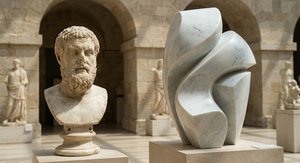
The Enduring Allure of Marble in Art History: From Classical Sculpture to Modern Abstraction
Explore the captivating history of marble sculpture from ancient Greece to modern art. Discover renowned artists like Canova & Michelangelo, carving techniques, and investment insights at OriginalUniqueArt.
