Early Renaissance · 1442
The Annunciation (Фра Анђелико, 1442)
Фра Анђелико (1395–1455) je napravio The Annunciation. Datirano je iz 1442. Pripada pokretu Early Renaissance. Izrađeno je u Fresco. Čuva se u muzeju Samostan San Marko u mestu Firenca, Italija. Dimenzije su 230 × 321 cm.
- 1442
- Fresco
- 230 × 321 cm
- Samostan San Marko, Firenca

 Ručno oslikano uljanim bojama
 Pošalji
 Podeli
 Informativni list


 Preuzmi
 Slični predmeti
 Automatska prezentacija
 Pitanja i odgovori

 Statistika
The Annunciation, ukratko
- Naslov
- The Annunciation
- Umetnik
- Фра Анђелико (1395–1455)
- Rođen/a u
- Vicchio, Италија
- Datum
- 1442
- Tehnika
- Fresco
- Dimenzije
- 230 × 321 cm
- Gde se može videti
- Samostan San Marko, Firenca, Italija
- Pokret
- Early Renaissance
- Period
- Renaissance
- Tema
- annunciation, mary, gabriel, angel, fresco, medieval
Šta prikazuje The Annunciation?
A Moment of Divine Revelation: Fra Angelico’s “The Annunciation”
Fra Angelico's "The Annunciation," painted in 1442, is more than just a depiction of a pivotal biblical event; it’s an immersion into a realm of serene spirituality and exquisite detail. This fresco, housed within the walls of a Dominican monastery (though its exact location has shifted over time), captures the profound moment when the Archangel Gabriel announces to Mary that she will conceive and bear the son of God. The painting immediately draws the viewer in with its carefully orchestrated composition – a sense of quiet grandeur achieved through the strategic placement of arches, benches, and the central figures themselves.
The scene unfolds within a room bathed in a soft, diffused light, characteristic of Fra Angelico’s signature style. Earth tones dominate the palette—ochres, siennas, and umbers—creating an aged, almost timeless quality that speaks to the enduring nature of faith. This deliberate use of color isn't merely decorative; it evokes the atmosphere of a monastic setting, reflecting the contemplative life of the Dominican order. Notice how the artist masterfully employs *sfumato*, a technique borrowed from Leonardo da Vinci, softening edges and creating an ethereal haze that contributes to the overall sense of otherworldly beauty.
The Dance of Figures: Composition and Symbolism
At the heart of the composition are Mary and Gabriel. Mary, kneeling in humble reverence, gazes upwards with a mixture of surprise and acceptance. Her posture is graceful yet grounded, embodying both vulnerability and strength. The angel, rendered with delicate wings outstretched, presents the news with an air of solemnity and divine authority. The subtle shift in their gestures—Mary’s downward tilt of her head versus Gabriel's raised hand—creates a dynamic interplay between them, illustrating the exchange of this momentous revelation.
Beyond the central figures, details abound that enrich the narrative. The two benches flanking the scene aren’t merely architectural elements; they represent the earthly realm and the setting for this divine encounter. The presence of a third figure, partially obscured within the architecture – often interpreted as John the Baptist or even an attendant – adds to the sense of a sacred space unfolding before our eyes. The lilies held by Gabriel are a potent symbol of purity and virginity, directly referencing Mary’s role in salvation history.
A Masterclass in Early Renaissance Technique
Fra Angelico's skill as a painter is immediately apparent in the meticulous detail of "The Annunciation." He was renowned for his painstaking preparation – often sketching numerous studies before committing to fresco. This dedication is evident in the rendering of Mary’s garments, the folds of her veil, and the intricate details of Gabriel’s wings. The artist's use of *tempera* on gesso—a technique common at the time—allowed for layering colors and achieving remarkable luminosity.
- Layered Fresco Technique: Fra Angelico employed a meticulous process, starting with a rough ground (gesso) and building up layers of color to create depth and vibrancy.
- Sfumato Effect: The subtle blurring of lines and edges, particularly around the figures’ faces, contributes to the painting's ethereal quality.
- Symbolic Color Palette: The earth tones evoke a sense of monastic austerity and spiritual contemplation.
Emotional Resonance and Timeless Beauty
"The Annunciation" transcends its biblical subject matter, offering a profound meditation on faith, humility, and divine grace. It’s a painting that invites quiet reflection, prompting viewers to consider the transformative power of belief. Fra Angelico's ability to capture such intense emotion with such understated elegance is what secures this work’s place as one of the most beloved and enduring images of the Early Renaissance. OriginalUniqueArt offers exceptional reproductions of this masterpiece, allowing you to bring its serene beauty into your home or office – a testament to the timeless artistry of Fra Angelico.
U kom muzeju se nalazi The Annunciation?
Samostan San Marko
Firenca, Italija
Манастир Сан Марко: Усамљена оаза вере и уметности У самом срцу Флоренце, скривен од буке градске вреве, лежи Манастир Сан Марко – место где се дух Ренесансе испреплиће са дубоком религиозном преданошћу. Ово није само збирка ремек-дела; то је имерзивно путовање назад у петнаести век, позив да се замисли наслеђе Фра Анђелика и Ђиролама Савонароле у зидинама предивне, добро очуване доминаканске обитељи. Основан првобитно као манастир Валомброзијана у тринаестом веку, Сан Марко је трансформацију у живи центар хуманистичке мисли и уметничке иновације започео под покровитељством Козима де Медичија – пресудни тренутак који је обезбедио долазак реформисаног Доминиканског реда и увео еру неупоредиве креативности.


Slike visoke rezolucije za The Annunciation

Фра Анђелико, The Annunciation (1442), Samostan San Marko. Javno dobro.
Odgovori na pitanja o The Annunciation
U kom muzeju se čuva originalni "The Annunciation"?
Originalno delo „The Annunciation”, autor Фра Анђелико čuva se u muzeju Samostan San Marko, Firenca, Italija. Reprodukcija omogućava da se ovo umetničko delo izloži u vašem domu.
U kojoj godini je nastalo "The Annunciation"?
„The Annunciation“ potiče iz 1442. Ovaj datum smešta delo u okviru karijere umetnika Фра Анђелико i same ere.
Kojom tehnikom je izrađeno "The Annunciation"?
Tehnika dela „The Annunciation”, autor Фра Анђелико je Fresco. Reprodukcije imaju za cilj da dočaraju izgled ove tehnike.
Kolikih je dimenzija originalnog dela "The Annunciation"?
„The Annunciation“ u svom izvornom obliku ima dimenzije 230 x 321 cm. Originalne dimenzije su koristan pokazatelj pri odabiru veličine reprodukcije.
Koje su teme prikazane u delu „The Annunciation”, autor Фра Анђелико?
„The Annunciation”, autor Фра Анђелико prikazuje: annunciation, mary, gabriel, angel, fresco, medieval, spirituality, tuscan.
Da li je delo „The Annunciation”, autor Фра Анђелико u javnom vlasništvu?
„The Annunciation”, autor Фра Анђелико pripada u javnom vlasništvu – autorska prava su istekla. Ovaj status određuje način na koji se slika dela može reprodukovati.
Ko je autor dela "The Annunciation"?
Delo "The Annunciation" je kreirao/la Фра Анђелико. Informacije na ovoj stranici opisuju originalno delo umetnika Фра Анђелико.
Koji umetnički pravac pripada delu "The Annunciation"?
„The Annunciation”, autor Фра Анђелико pripada pravcu Early Renaissance. Ovaj pravac pruža stilski kontekst dela.
U kojoj periodi karijere umetnika Фра Анђелико pripada delo "The Annunciation"?
U okviru karijere umetnika Фра Анђелико, delo "The Annunciation" pripada periodu Early Renaissance, što omogućava poređenje sa drugim radovima ovog autora.
O umetniku, Фра Анђелико
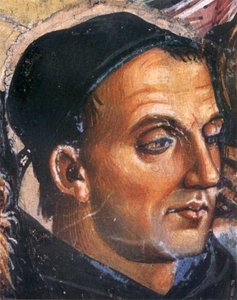
1395–1455, Италија
Фра Анђелико
Frane Đelo: Anđeoski Čar i Duhovna Dubina Rane Renesanse Rođen kao Gvido di Pietro oko 1395. godine u mirnim brdima Toskane, blizu Firence, Frane Đelo (poznat i kao Fra Giovanni da Fiesole) ostavio je neizbrisiv trag na svetskoj umetnosti. Iako su detalji iz njegovog ranog života obavijeni misterijom, jasno je da je obrazovanje koje je primio pripremilo tlo za život posvećenosti i kreativnosti. Ključni trenutak u njegovom životu nastupio je kada je ušao u dominikanski red u Fiesoleu, usvajajući ime Fra (Brata) Anđeo – nadimak koji je ubrzo postao sinonim za nebesku lepotu i duboku posvećenost koja su prožimala njegovo stvaralaštvo.
Takođe i Фра Анђелико
 Јављање (Благовести)1430
 Madonna with the Child, Saints and Crucifixion
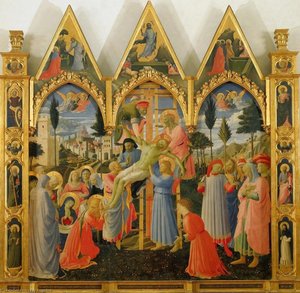 Depozicija
 Poslednji sud1431
Eseji o delu The Annunciation
 Divine Beauty: The 25 Most Iconic Masterpieces by Fra AngelicoJourney through the divine beauty of Fra Angelico's finest works. Explore 25 iconic Renaissance masterpieces, from ethereal frescoes to sac…
 The Enduring Legacy of Fresco: Technique, History & Artistic ExpressionExplore the rich history & enduring artistry of fresco painting. Discover techniques from Giotto to Michelangelo, conservation efforts, & m…
 Sacred Narratives: Decoding the Iconography and Artistry of the AnnunciationExplore the profound symbolism and mastery behind Renaissance Annunciation paintings. Discover the secrets of these sacred masterpieces now.