
 Pregledaj u prostoru

 Pošalji
 Podeli
 Detalji o delu
 Vodič


 Preuzmi
 Slični predmeti
 Rendgenski snimak
 Automatska prezentacija
 Pitanja i odgovori
 Statistika
Forest Landscape

- 111.0 x 99.0cm


 Pročitaj više
Giclee štampa / Umetnički otisak
Giclée štampa ili print na platnu muzejskog kvaliteta uz brzu izradu i raznovrsne opcije završne obrade. ( Kupite ručno oslikano delo Pređi na digitalnu sliku)




































Izaberite jednu od naših unapred definisanih veličina koje odgovaraju originalnim proporcijama umetničkog dela.

Unesite željenu širinu i visinu kako bi se štampa uklopila u vaš ram ili zid. Štampu je moguće samo iseći, ali nikada povećati iznad dimenzija originalne slike, stoga format sa drugačijim proporcijama uzrokuje gubitak dela slike. Pre početka štampe, poslaćemo vam digitalni prikaz radi potvrde. Slika prikazana na ovoj stranici ne predstavlja stvarni isrez — to pokazuje samo digitalni prikaz.
Dostava širom sveta () za 2 nedelje umesto uobičajenih 4/5 nedelja. (19 новембар)

Besplatna ekspresna dostava širom sveta

Visokokvalitetno laneno platno

Potpuno osiguranje transporta

Garancija povraćaja carine i uvoznih dažbina

Garancija vernosti boja

Politika povraćaja u roku od 100 dana (samo u slučaju nedostataka)

Garancija povrata 100% novca

Popust na više proizvoda
 Opcija sa staklom dostupna je samo za dimenzije manje od 110 cm

Forest Landscape
Giclee štampa / Umetnički otisak
Dimenzije reprodukcije
-


Ukupna cena
дин 8476
Biografija umetnika
Teaching Career in Weimar
In 1871, Theodor Hagen arrived at the Weimar Saxon-Grand Ducal Art School. He had been summoned to take over the teaching of landscape painting, stepping into the position left by Max Schmidt. His presence at the school was initially a temporary arrangement, but by 1874, he had secured a permanent appointment. He spent many years within these walls, shaping how others approached the natural world through paint.
The administrative side of the school eventually took hold of his schedule. From 1876 to 1881, Theodor Hagen served as the head of the art department. This period required a different kind of focus, one centered on the management of the institution rather than the immediate observation of light and shadow. The duties of leadership grew heavy, and he eventually found himself weary of the administrative responsibilities that came with the role.
He chose to step away from the desk and the formal oversight of the department. He returned to the simple, direct work of teaching, focusing his energy back on the practice of painting. This shift allowed him to move away from the complexities of school management and return to the studio and the classroom, where his primary interest lay.
Artistic Style and Movements
The brushwork reveals a shift away from the rigid structures of his early training toward the open air. He found a sense of purpose in the plein-air methods used by the French Barbizon School, moving his easel into the elements to catch the shifting atmosphere. This approach allowed for a more direct engagement with the natural world, focusing on how light and colour interact in a specific moment. His canvases often capture the way light settles upon the surface of the water or filters through a heavy sky.
Much of his focus remained on the coast. He spent significant time painting the harbor and the North Sea, seeking to translate the movement of the tides and the weight of the maritime air onto the canvas. This interest in the immediate effects of light and atmosphere helped establish him as one of the founders of German Impressionism. Rather than seeking idealized landscapes, he looked for the subtle, unembellished truth of the scenery, often working closely with the changing weather to find the right tone for a scene.
Affiliations, Pupils and Death
His influence extended through the hands of those who sat in his classroom. Among his most notable students were Christian Rohlfs, Hanns Diehl, and Franz Bunke. These men learned under his guidance, carrying forward the lessons of landscape and light that he had refined through his own practice.
As his career progressed, he became part of the shifting circles of German art. He joined the Munich Secession in 1893 and later became a member of the Berlin Secession in 1902. These affiliations placed him at the center of the evolving artistic landscape in Germany during the turn of the century.
He spent his final years in Weimar. He died there on 12 February 1919. His presence in the city remains marked by a street named the Theodor-Hagen-Weg and his former home at Trierer Straße 36, which is preserved as a municipal monument.

Theodor Hagen
1842 - 1919 , Germany
Osnovne informacije
- Artistic Movement Or Style: Impressionism
- Artists Or Movements Influenced By This Artist:
- Christian Rohlfs
- Hanns Diehl
- Franz Bunke
- Artists Who Influenced This Artist:
- Oswald Achenbach
- Barbizon School
- Full Name: Theodor Joseph Hagen
- Nationality: German
- Place Of Birth: Düsseldorf, Germany
- Date Of Birth: 1842
- Date Of Death: 1919
Povezani članci

Masterpieces of Munich: Top 25 Artworks in the Bavarian State Painting Collections
Explore 25 iconic masterpieces from Munich's Bavarian State Painting Collections. Discover timeless art on OriginalUniqueArt.com.

Masterpieces of Munich: Top 25 Artworks in the Bavarian State Painting Collections
Explore 25 iconic masterpieces from Munich's Bavarian State Painting Collections. Discover timeless art on OriginalUniqueArt.com.
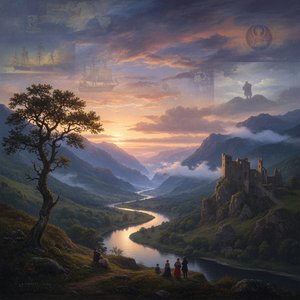
Glavna dela koja su definisala Romantični pejzaž: 10 remek-dela za vaš dom
Otkrijte 10 remek-dela romantičnog pejzažnog slikarstva! Uronite u svet Claude Lorraina, Caspara David Friedricha i Turnera. Ispričane priče umetnosti, inspiracija za dekoraciju doma. Kvalitetne reprodukcije na OriginalUniqueArt.com – istražite celu kolekciju online!

Golden Splendor: The Top 25 Masterpieces by Gustav Klimt
Immerse yourself in the golden splendor of Gustav Klimt. Explore 25 iconic masterpieces from the Vienna Secession, featuring breathtaking Art Nouveau textures and symbolism. Find inspiration for museum-quality art reproductions and decor. Discover all masterpieces on OriginalUniqueArt.com.
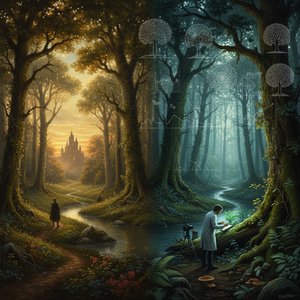
The Enchanted Canopy: Exploring Forests in Art History – From Romantic Idealization to Ecological Consciousness
Explore the rich history of forests in art! Discover Romantic masterpieces by Friedrich & Monet, Symbolist depths, and contemporary visions. Find inspiration & quality reproductions at OriginalUniqueArt.