
 Pregledaj u prostoru
 Pošalji
 Podeli
 Detalji o delu

 Преузми
 Slični predmeti
 Rendgenski snimak
 Slajdovi
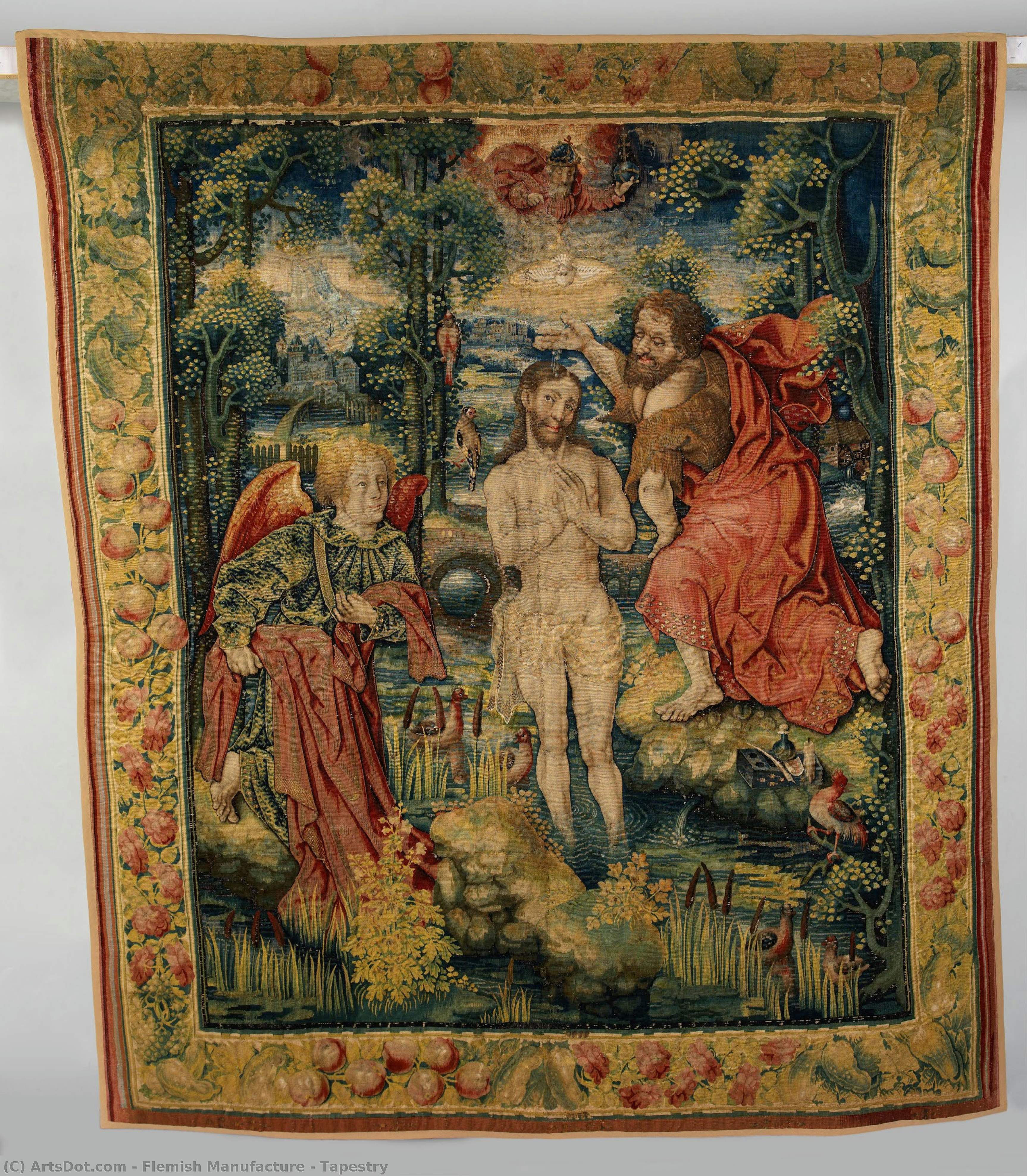
Tapestry

 Pročitaj više
Kupite digitalnu sliku visoke rezolucije i poboljšanog kvaliteta, koja je znatno superiornija od onoga što vidite u online prikazu.
Svaka datoteka je pedantno pripremljena od strane naših stručnjaka koristeći napredne alate i profesionalnu ručnu retušu. Osiguravamo da svaka slika ima izuzetnu oštrinu, preciznu reprodukciju boja i fine detalje.
Konačna datoteka se dostavlja putem e-pošte u roku od 72 sata, optimizovana za neposrednu upotrebu u profesionalnim, izdavačkim i štamparskim okruženjima. To je isti kvalitet kojem veruju vrhunski studiji dizajna, izdavači i galerije.
Digitalna slika
Preuzmite datoteku visoke rezolucije za ličnu upotrebu, štampanje i kreativne projekte. ( Kupi print Kupi ručno naslikanu sliku)
Uključeno uz svaku porudžbinu digitalne slike
Profesionalna digitalna isporuka, zagarantovana
Kada odaberete OriginalUniqueArt.com, ne dobijate samo sliku – vi primate profesionalno unapređeno digitalno umetničko delo, izrađeno sa najvećom preciznošću i uz garanciju zadovoljstva. Evo svega što automatski dolazi uz vašu porudžbinu:

Brza dostava putem e-pošte
Vaša digitalna slika visoke rezolucije biće vam poslata putem e-pošte u roku od 72 sata od poručivanja – spremna za trenutnu upotrebu.

Digitalna datoteka unapređena veštačkom inteligencijom
Vaše umetničko delo je profesionalno optimizovano korišćenjem naprednih AI alata i ručne obrade, čime se osiguravaju maksimalni detalji, oštrina i preciznost boja.

Besplatna ponovna isporuka doživotno
Slučajno ste obrisali ili izgubili svoju datoteku? Ne brinite – poslaćemo vam je ponovo u bilo kom trenutku, potpuno besplatno.

Bez troškova uvoza – zauvek
Uživajte u svojim umetničkim delima trenutno, bez carine, dažbina ili troškova dostave – digitalni download je uvek bez poreza.

Garancija vernosti boja
Uz pomoć profesionalnih alata i upravljanja bojama, osiguravamo da vaša digitalna slika što vernije odražava originalne boje.

Garancija zadovoljstva u roku od 60 dana
Ako niste zadovoljni svojom digitalnom slikom, revidirat ćemo je ili vratiti 100% novca u roku od 60 dana – bez ikakvih pitanja.

100% garancija povrata novca
Niste zadovoljni? Obezbedite pun povrat novca u roku od 60 dana od trenutka kada ste primili svoju digitalnu datoteku – bez suvišnih pitanja.

Popusti na velike porudžbine
Kupite 3 slike, uštedite 10% - Kupite 5 slika, uštedite 15% - Kupite 10+ slika, uštedite 20%. Odlično za kreativne projekte, galerije i agencije.
Biografija umetnika
The Enigmatic World of Flemish Manufacture Tapestries
The term “Flemish Manufacture” doesn’t denote a single artist, but rather a collective—a vibrant ecosystem of workshops and artisans flourishing primarily in Flanders (modern-day Belgium) during the 16th and 17th centuries. These were not merely weavers; they were skilled storytellers translating complex designs into breathtaking tapestries that adorned the palaces and homes of European nobility. To understand Flemish Manufacture is to delve into a world where artistry, commerce, and political power intertwined seamlessly. The workshops themselves operated as highly organized enterprises, employing designers—often from Italy or France—who created cartoons (full-scale painted designs), while master weavers oversaw the intricate process of bringing these visions to life on the loom.A Legacy Rooted in Medieval Tradition
The roots of Flemish tapestry production stretch back to the medieval period, with Arras and Tournai establishing themselves as prominent weaving centers. However, it was during the Renaissance that Flanders truly ascended to become *the* epicenter of luxury textile creation. The region’s strategic location—a crossroads of trade routes—facilitated access to both raw materials (wool, silk, and precious metals) and a diverse clientele eager for opulent displays of wealth and status. The decline of Italian workshops in the 15th century further propelled Flanders into prominence, as skilled artisans migrated north seeking patronage and stability. The demand was insatiable; tapestries weren’t simply decorative objects—they were portable expressions of power, used to fill vast spaces, insulate stone walls, and commemorate significant events. The influence of Italian Renaissance painting is particularly evident in the subject matter and compositional complexity of many Flemish tapestries, with mythological scenes, historical narratives, and allegorical representations becoming increasingly popular.Technique and Materials: A Symphony of Skill
Creating a Flemish tapestry was an extraordinarily labor-intensive process. The cartoons were laid beneath the loom, serving as guides for the weavers who worked from the back, meticulously knotting colored wools onto the warp threads. This technique—known as the *haute lisse* or high-warp weaving—allowed for incredible detail and nuanced shading. The palette was rich and varied, achieved through the skillful dyeing of wool with natural pigments derived from plants, insects, and minerals. Silk and even gold and silver threads were often incorporated to add luminosity and texture. The most accomplished weavers could create effects that mimicked painting, employing techniques like *verdure* (dense foliage) and *grisaille* (monochrome shading). The sheer scale of many tapestries—some measuring several stories high—testifies to the extraordinary patience and collaborative spirit of these workshops.Themes and Symbolism: Narratives Woven in Wool
Flemish Manufacture tapestries covered a vast range of themes, reflecting the tastes and preoccupations of their patrons. Mythological subjects, drawn from classical literature and Ovid’s *Metamorphoses*, were particularly popular, offering opportunities for allegorical interpretations and displays of artistic virtuosity. Historical tapestries—commemorating battles, royal marriages, or religious events—served as powerful statements of political legitimacy and dynastic pride. The Story of Constantine, for example, was a recurring motif, celebrating the Roman emperor’s conversion to Christianity. Allegorical scenes, often featuring personifications of virtues, vices, or the seasons, conveyed complex moral messages and philosophical ideas. Beyond the overt narratives, tapestries were also imbued with subtle symbolism—flowers, animals, and architectural elements all carried specific meanings that would have been understood by contemporary viewers.Historical Significance and Enduring Appeal
The workshops of Flanders dominated the tapestry market for over two centuries, shaping artistic trends and influencing weaving traditions across Europe. While production declined in the 18th century with changing tastes and the rise of other decorative arts, the legacy of Flemish Manufacture endures. Today, these tapestries are prized as masterpieces of textile art, offering invaluable insights into the cultural, political, and aesthetic values of the Renaissance and Baroque periods. They represent not only exceptional craftsmanship but also a unique form of storytelling—a vibrant tapestry woven with threads of history, mythology, and human ambition. The enduring appeal lies in their ability to transport us back in time, allowing us to glimpse the world through the eyes of those who commissioned and cherished these magnificent works of art.
Kratke činjenice
- Artistic Movement Or Style: Tapestry
- Date Of Death: Living
- Full Name: Flemish Manufacture
- Nationality: Flemish
- Notable Artworks: ['Tapestry']

