

 Pregledaj u prostoru
 Podeli
 Podeli
 Detalji
 Vodič
Vodič

 Preuzmi sliku
 Slični predmeti
 Rendgenski snimak
 Automatska prezentacija
 Statistika
Triptych


 Pročitaj više
Giclee štampa / Umetnički otisak
Giclée štampa ili print na platnu muzejskog kvaliteta uz brzu izradu i raznovrsne opcije završne obrade. ( Naručite ručno oslikano reprodukciju Pređi na prodaju digitalnih slika)




P118B дин10

P118H дин10

P118W дин10

P438Z дин10

P508JH дин12

P508YH дин12

P805H дин10

P805Z дин10

P919BZ дин10

P919G дин10

P919XJ дин10

P959ZH дин10

P968JZ дин12

W106C дин8

W218G дин10

W218JH дин8

W218Y дин10

W307PJ дин10

W316G дин10

W316PJ дин8

W316Y дин10

W398PJ дин8

W4111J дин10

W500HY дин15

W500JH дин15

W692G дин12

W849H дин8

W940BG дин15

W953PJ дин8




Izaberite jednu od naših unapred definisanih veličina koje odgovaraju originalnim proporcijama umetničkog dela.

Unesite širinu i visinu koja vam je potrebna, kako bi se uklopili u vaš ram ili na vaš zid. Štampa se može samo iseći, nikada ne može biti veća od originalne slike, stoga format sa drugačijim proporcijama gubi deo slike. Poslaćemo vam digitalni prikaz radi potvrde pre nego što započnemo štampu. Slika prikazana na ovoj stranici ne pokazuje stvarni rez — to pokazuje samo digitalni prikaz.
Dostava širom sveta () za 2 nedelje umesto uobičajenih 4/5 nedelja. (27 октобар)

Besplatna ekspresna dostava širom sveta

Visokokvalitetno laneno platno

Sveobuhvatno osiguranje transporta

Garancija povraćaja carine i uvoznih dažbina

Garancija vernosti boja i autentičnosti pri reprodukciji

Politika povraćaja u roku od 100 dana (samo u slučaju nedostataka)

Garancija povrata 100% novca

Popust pri većoj količini
 Opcija sa staklom dostupna je samo za dimenzije manje od 110 cm

Triptych
Giclee štampa / Umetnički otisak
Veličina reprodukcije
-


Ukupna cena
дин 8249
A Vision in Tempera: Exploring Fra Filippo Lippi's Triptych
To stand before a work like this Triptych by Fra Filippo Lippi is to step directly into the luminous heart of the Early Renaissance. Dating from 1437, this piece transcends mere decoration; it is a profound meditation on faith, humanity, and divine mystery, rendered with an exquisite delicacy that speaks volumes of its creator's genius. The very structure—the three distinct yet harmoniously connected panels—invites the viewer into a narrative journey, guiding the eye from one sacred moment to the next.
Lippi, a master whose life was as complex as his art, captured the burgeoning spirit of humanism within deeply religious iconography. His ability to imbue monumental subjects with such palpable tenderness is what makes this triptych so enduringly captivating. The meticulous application of tempera paint allows for a jewel-like vibrancy in the colors, while the underlying structure speaks to an emerging mastery of perspective, giving weight and believable depth to every figure.
Composition and Sacred Narrative
The genius of the composition lies in its tripartite division, each panel serving as a self-contained yet related devotional scene. In the central focus, we encounter the Madonna and Child, a timeless tableau where Mary’s serene blue cloak speaks of purity, cradling the vibrant life symbolized by the infant Jesus robed in red. Flanking this core mystery are supporting figures—on the left, perhaps a bishop or cardinal holding scripture, grounding the scene in scholarly tradition; and on the right, another saintly figure contemplating sacred texts.
The architectural elements visible in the background, reminiscent of grand Gothic cathedrals, serve not only as setting but as symbolic anchors to the enduring Church. These scenes are richly framed by elaborate gold borders, which do more than simply adorn; they elevate the depicted moments to an almost ethereal plane of opulence and sanctity.
Technique and Material Brilliance
The choice of tempera medium is crucial to appreciating this artwork's technical brilliance. This egg-based paint allowed Lippi unparalleled control, enabling him to achieve those breathtakingly fine details—the folds in the drapery, the delicate rendering of halos, the subtle expressions on the faces.
When considering a reproduction of such a piece for your home or collection, understanding this technique is key. The luminosity achieved by tempera is unlike oil paint; it possesses a matte, jewel-toned richness that speaks to centuries of careful craftsmanship. It is a testament to the artist's hand, where every brushstroke feels deliberate and imbued with purpose.
Symbolism and Emotional Resonance
Beyond the narrative, the triptych pulses with deep symbolism. The interplay between the rich blues, the passionate reds, and the solemn greens creates a visual vocabulary of divinity, humanity, and sacrifice. It is an artwork that does not merely depict holiness; it evokes the *feeling* of reverence. For the modern collector or designer, this piece offers more than just aesthetic beauty; it offers a focal point for contemplation—a quiet corner imbued with historical weight and spiritual depth.
To bring such a masterpiece into your space is to invite a dialogue between Renaissance artistry and contemporary life. It suggests an appreciation for enduring narratives, meticulous skill, and the profound beauty found at the intersection of art and faith.
Pitanja i odgovori
U koji pokret i u koje doba je smešteno delo „Triptych”, Филипо Липи?
U delu „Triptych”, Филипо Липи, umetnički pravac Early Renaissance susreće eru Renesansa.
U kojoj je tehnici izvedeno delo „Triptych”, Филипо Липи?
Tehnika dela „Triptych”, Филипо Липи je Tempera. Reprodukcije imaju za cilj da dočaraju izgled ove tehnike.
Mogu li da gledam "Triptych" kao prezentaciju preko celog ekrana?
Diaporama dela "Triptych" možete pogledati na stranici Diaporama tog umetničkog dela.
Biografija umetnika
Флорентински побуњеник: Живот и уметност Филипа Липија
Филип ди Томазо Липи, познат као Фра Филип Липи, био је фигура благословљена уметничким генијем, али и засенчена животом испуњеним скандалима и неконвенционалним изборима. Рођен у Фиренци 1406. године у породици месара, његове ране године обележио је губитак; осироћео је у узрасту од две године и поверено му је старање тетке Моне Лапаче. Тај аранжман га је на крају, са осам година, довео у кармелитски манастир – пут који ће обликовати не само његов уметнички развој, већ и дефинисати сложеност његовог карактера. У тим затвореним зидинама млади Филип је започео своје формално образовање и, што је још важније, открио своју страст према сликању. Утицај те средине је опипљив у многим његовим делима; деликатна равнотежа између духовне преданости и све људскије сензибилности.Од монашких завета до уметничке иновације
Липијев улазак у кармелитски ред 1420. године није био само питање околности, већ је изгледа пробудио у њему врелу уметничку вољу. Заложио се са шеснаест година и заређен за свештеника око 1425. године, остајући у приорату до 1432. године. У том периоду историчар уметности Ђорђо Вазари бележи како је Липи био очаран пробојним фрескама Масаћа у капели Бранкачи – сусрет који се показао пресудним. Утицај Масаћовог реализма и иновативне употребе светлости јасно се види у раним делима Липија, као што је *Мадона из Тарквиније*, где се појављује новооткривени реализам. Међутим, Липи није био само имитатор; брзо је развио свој препознатљиви стил, карактеризован лиричном грациозношћу, деликатном бојеном палетом и суптилном емоционалном дубином која га је разликовала од савременика. Почео је да уноси религиозним сценама осећај интимности и људске повезаности, удаљавајући се од круте формалности раније побожне уметности.Мастер композиције и контроверзе
Липијева уметничка каријера је процветала у Фиренци, привлачећи поруџбине од истакнутих породица као што су Медичи. Дела попут *Благовести и седам светитеља* демонстрирају његову способност да ствара сложене композиције испуњене симболичким значењем и елегантним детаљима. *Крунисање Богородице*, завршено 1441. године за монахиње из Сант’Амбродђа, посебно је вредно пажње; садржи фигуру у појасу која се многи верују да је самопортрет Липија – смела тврдња уметничког идентитета у религиозном контексту. Али његов живот није био миран. Често се налазио умешан у финансијске тешкоће, правне спорове и оптужбе за фалсификат. Можда најизазиванија епизода укључивала је његово отмицу Лукреције Бути, монахиње из Прата, са којом се на крају оженио након година скандала и контроверзи. Тај чин, иако шокантан за то време, говори о Липијевом побуњеничком духу и његовој спремности да пркоси друштвеним нормама у потрази за личним срећом.Наслеђе и утицај
Упркос турбуленцији свог живота, Филип Липи је оставио неизбрисив траг на ренесансној уметности. Био је веома тражен сликар, а његова радионица постала је ледилиште будућих мајстора. Међу његовим најзначајнијим ученицима били су Сандро Ботичели и Франческо ди Песело (Песелино), обојица који ће постићи значајан успех у свом праву. Липијев утицај се види у лиричкој лепоти и емоционалној експресивности која карактерише много флорентинског сликања током касног Кватроћента. Он је премостио јаз између ране ренесансне реализма Масаћа и прочишћеније естетике Високе ренесансе, утирући пут новој генерацији уметника да истражи могућности људског облика и емоција. Његова способност да споји религиозну побожност са светским реализмом, заједно са његовим иновативним композицијама и изузетном техником, учврстила је његово место као једне од најважнијих и очаравајућих фигура италијанске ренесансе. Умро је у Сполету 1469. године, оставивши за собом наслеђе које наставља да инспирише дивљење вековима касније. *Његова уметност остаје сведочанство моћи човекове креативности и трајног шарму лепоте.*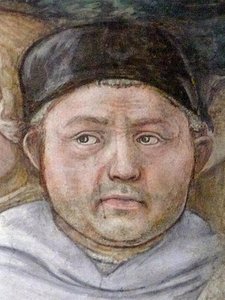
Филипо Липи
1406 - 1469 , Србија
Brzi pregled
- Artistic Movement Or Style: Rani renesans
- Artists Or Movements Influenced By This Artist: ['Sandro Botticelli']
- Artists Who Influenced This Artist: ['Masaccio']
- Date Of Birth: 1406
- Date Of Death: 1469
- Full Name: Filippo di Tommaso Lippi
- Nationality: Italijan
- Notable Artworks:
- Tarquinia Madonna
- Navještenje
- Krunisanje Djevice
- Place Of Birth (City And Country): Firenca, Italija
Srodni članci
Filippo Lippi: Bridging Renaissance Devotion & Artistic Innovation
Explore the life & revolutionary art of Filippo Lippi, a pivotal Renaissance painter. Discover his masterpieces, influence on Botticelli, and investment potential. Expert analysis at OriginalUniqueArt.
Rafaela Sanzio: 25 Remek-dela Renesansnog Majstora za Vaš Dom | OriginalUniqueArt
Uronite u svet Rafaela Sanzija! Otkrijte 25 remek-dela renesansnog umetnika, od Madona do fresaka Vatikana. Inspiracija za dekoraciju enterijera i kupovina reprodukcija slika visoke rezolucije na OriginalUniqueArt.com.

Filippino Lippi: Renaissance Innovation Bridging Faith & Humanism
Explore the captivating world of Filippino Lippi, a Renaissance master bridging faith & humanism through innovative art. Discover his key works, influences, and lasting legacy with OriginalUniqueArt.
Fra Anđeo: 25 Remek-dela Renesansnog Duha za Vaš Dom | OriginalUniqueArt
Uronite u svet Fra Anđela – 25 remek-dela renesansnog slikara. Otkrijte priče iza njegovih čuvenih fresaka i oltarskih slika, inspiracija za enterijer i duhovni mir. Kupite reprodukcije vrhunskog kvaliteta na OriginalUniqueArt.com!
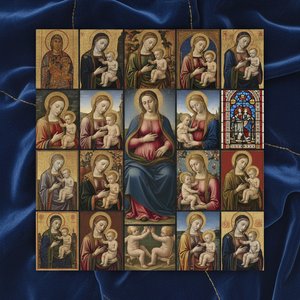
Divine Love: A Curated Guide to the Most Iconic Madonna and Child Masterpieces in Art History
Embark on a sophisticated journey through art history with our curated guide to the most iconic Madonna and Child masterpieces. Discover the profound beauty, theological depth, and enduring legacy of these sacred Renaissance treasures.


