

 Pregledaj u prostoru
 Pošalji
 Podeli
 Detalji o delu

 Преузми
 Slični predmeti
 Rendgenski snimak
 Slajdovi
Annunciation
 Oil On Canvas
- WallArt
- Early Renaissance
 1445
1445 175.0 x 183.0 cm
 San Lorenzo
 Pročitaj više
Giclee štampa / Umetnički otisak
Giclée štampa ili print na platnu muzejskog kvaliteta uz brzu proizvodnju i fleksibilne opcije završne obrade. ( Kupi ručno naslikanu sliku Kupi digitalnu sliku)




P118B $10

P118H $10

P118W $10

P438Z $10

P508JH $12

P508YH $12

P805H $10

P805Z $10

P919BZ $10

P919G $10

P919XJ $10

P959ZH $10

P968JZ $12

W106C $8

W218G $10

W218JH $8

W218Y $10

W307PJ $10

W316G $10

W316PJ $8

W316Y $10

W398PJ $8

W4111J $10

W500HY $15

W500JH $15

W692G $12

W849H $8

W940BG $15

W953PJ $8




Izaberite jednu od naših unapred definisanih veličina koje odgovaraju originalnim proporcijama umetničkog dela.

Možete uneti sopstvene dimenzije kako biste umetničko delo prilagodili specifičnom okviru ili prostoru. Ako odabrani format ne odgovara proporcijama originalne slike, mi ćemo ili iscrtati deo dela ili proširiti sliku pomoću ogledane ivice ili jednobojnog popunjavanja. Digitalni prikaz će vam biti poslat na odobrenje pre početka proizvodnje.
Imajte na umu da pregled na ekranu ne odražava stvarno iscrtavanje ili proširivanje. Samo će prikaz (mockup) precizno pokazati finalnu kompoziciju.
Iako su prilagođene dimenzije dostupne, preporučujemo da odaberete dimenziju sa unapred definisane liste kako biste očuvali originalne proporcije.
Dostava širom sveta () za 2 nedelje umesto uobičajenih 4/5 nedelja. (22 август)

Besplatna ekspresna dostava širom sveta

Visokokvalitetno laneno platno

Kompletno osiguranje transporta

Garancija povraćaja carine i uvoznih dažbina

Garancija vernosti boja

Politika povrata u roku od 60 dana (samo u slučaju nedostataka)

Garancija povrata novca od 100%

Popust pri grupnoj kupovini
 Opcija sa staklom dostupna je samo za dimenzije manje od 110 cm

Annunciation
Giclee štampa / Umetnički otisak
Dimenzije reprodukcije
-


Konačna cena
$ 80
Opis predmeta
The Annunciation: A Florentine Prayer in Paint
Filippo Lippi’s “Annunciation,” painted around 1445 during his formative years in Florence, is more than just a depiction of a pivotal biblical moment; it's a profound meditation on faith, grace, and the transformative power of divine revelation. This masterpiece, now housed within the National Gallery in London, offers a glimpse into the burgeoning Renaissance spirit – a time when artists were not merely replicating religious narratives but striving to imbue them with a deeply human sensibility. The painting’s enduring appeal lies not just in its technical brilliance, but also in its ability to evoke a sense of quiet reverence and profound emotional connection.
Lippi's early style is strikingly reminiscent of Masaccio, the revolutionary artist who had recently transformed the Florentine art scene with his groundbreaking use of perspective and realism. However, Lippi quickly developed his own distinctive voice, characterized by a lyrical quality and an exquisite attention to detail. The composition itself is carefully orchestrated: the figures are arranged in a shallow space, creating a sense of intimacy and immediacy. Gabriel, rendered with a dignified solemnity, kneels before Mary, his face tilted in earnest as he delivers the momentous news. The vibrant colors – rich blues, reds, and golds – contribute to the painting’s luminous quality, while the delicate brushwork suggests a mastery of tempera on wood, a technique favored by Lippi for its ability to achieve both brilliance and subtlety.
A Dialogue of Light and Shadow
The heart of the Annunciation lies in the interplay of light and shadow. God’s hand, depicted as a radiant golden form emerging from a cloud, casts a gentle illumination upon Mary's face, signifying her acceptance of God’s grace. This divine light contrasts sharply with the darker tones that envelop the surrounding figures, creating a sense of mystery and reverence. The use of *chiaroscuro*, a technique perfected by Renaissance artists, adds depth and drama to the scene, drawing the viewer’s eye towards the central figures and emphasizing their spiritual significance. Notice how Lippi uses subtle gradations of color to model the drapery, creating a sense of volume and texture that brings the figures to life.
Symbolism is woven throughout the painting with meticulous care. The dove, representing the Holy Spirit, ascends towards Mary’s womb, signifying the miraculous conception of Jesus. The book Gabriel holds represents divine revelation, while the lilies – a traditional symbol of purity – adorn Mary's robes. Even the architectural details—the simple, elegant arches and columns—contribute to the painting’s overall sense of harmony and spiritual elevation. The inclusion of the angel’s peacock feathers is particularly striking; the bird’s iridescent plumage symbolizes Gabriel’s heavenly status and his role as a messenger of God.
A Window into Renaissance Florence
“Annunciation” was originally commissioned for the Medici family, specifically intended to hang above a doorway in their grand villa. This context is crucial to understanding the painting's significance. The Medici were powerful patrons of the arts, and their commissions played a vital role in shaping the artistic landscape of Renaissance Florence. Lippi’s work reflects both the religious fervor of the time and the growing interest in classical antiquity that characterized the era. The composition echoes the traditional iconography of the Annunciation, but it also demonstrates Lippi's own innovative approach to depicting biblical narratives.
Beyond its artistic merits, “Annunciation” offers a poignant glimpse into the life of Filippo Lippi himself. A complex and often troubled figure—a Carmelite monk who later became an illegitimate father and a notorious forger—Lippi’s art reveals both his spiritual devotion and his worldly struggles. The painting serves as a testament to his extraordinary talent, but also as a reminder of the contradictions inherent in human nature. It is a work that invites contemplation not only on the mysteries of faith but also on the complexities of the human condition.
A Timeless Masterpiece
Today, “Annunciation” remains one of Lippi’s most celebrated works, admired for its exquisite beauty and profound spiritual depth. Its enduring appeal lies in its ability to transcend time and connect with viewers across generations. Whether viewed in person or reproduced as a high-quality print, this painting continues to inspire awe and wonder. It is a powerful reminder of the transformative power of art—its capacity to illuminate our souls and deepen our understanding of the world around us.
Biografija umetnika
Флорентински побуњеник: Живот и уметност Филипа Липија
Филип ди Томазо Липи, познат као Фра Филип Липи, био је фигура благословљена уметничким генијем, али и засенчена животом испуњеним скандалима и неконвенционалним изборима. Рођен у Фиренци 1406. године у породици месара, његове ране године обележио је губитак; осироћео је у узрасту од две године и поверено му је старање тетке Моне Лапаче. Тај аранжман га је на крају, са осам година, довео у кармелитски манастир – пут који ће обликовати не само његов уметнички развој, већ и дефинисати сложеност његовог карактера. У тим затвореним зидинама млади Филип је започео своје формално образовање и, што је још важније, открио своју страст према сликању. Утицај те средине је опипљив у многим његовим делима; деликатна равнотежа између духовне преданости и све људскије сензибилности.Од монашких завета до уметничке иновације
Липијев улазак у кармелитски ред 1420. године није био само питање околности, већ је изгледа пробудио у њему врелу уметничку вољу. Заложио се са шеснаест година и заређен за свештеника око 1425. године, остајући у приорату до 1432. године. У том периоду историчар уметности Ђорђо Вазари бележи како је Липи био очаран пробојним фрескама Масаћа у капели Бранкачи – сусрет који се показао пресудним. Утицај Масаћовог реализма и иновативне употребе светлости јасно се види у раним делима Липија, као што је *Мадона из Тарквиније*, где се појављује новооткривени реализам. Међутим, Липи није био само имитатор; брзо је развио свој препознатљиви стил, карактеризован лиричном грациозношћу, деликатном бојеном палетом и суптилном емоционалном дубином која га је разликовала од савременика. Почео је да уноси религиозним сценама осећај интимности и људске повезаности, удаљавајући се од круте формалности раније побожне уметности.Мастер композиције и контроверзе
Липијева уметничка каријера је процветала у Фиренци, привлачећи поруџбине од истакнутих породица као што су Медичи. Дела попут *Благовести и седам светитеља* демонстрирају његову способност да ствара сложене композиције испуњене симболичким значењем и елегантним детаљима. *Крунисање Богородице*, завршено 1441. године за монахиње из Сант’Амбродђа, посебно је вредно пажње; садржи фигуру у појасу која се многи верују да је самопортрет Липија – смела тврдња уметничког идентитета у религиозном контексту. Али његов живот није био миран. Често се налазио умешан у финансијске тешкоће, правне спорове и оптужбе за фалсификат. Можда најизазиванија епизода укључивала је његово отмицу Лукреције Бути, монахиње из Прата, са којом се на крају оженио након година скандала и контроверзи. Тај чин, иако шокантан за то време, говори о Липијевом побуњеничком духу и његовој спремности да пркоси друштвеним нормама у потрази за личним срећом.Наслеђе и утицај
Упркос турбуленцији свог живота, Филип Липи је оставио неизбрисив траг на ренесансној уметности. Био је веома тражен сликар, а његова радионица постала је ледилиште будућих мајстора. Међу његовим најзначајнијим ученицима били су Сандро Ботичели и Франческо ди Песело (Песелино), обојица који ће постићи значајан успех у свом праву. Липијев утицај се види у лиричкој лепоти и емоционалној експресивности која карактерише много флорентинског сликања током касног Кватроћента. Он је премостио јаз између ране ренесансне реализма Масаћа и прочишћеније естетике Високе ренесансе, утирући пут новој генерацији уметника да истражи могућности људског облика и емоција. Његова способност да споји религиозну побожност са светским реализмом, заједно са његовим иновативним композицијама и изузетном техником, учврстила је његово место као једне од најважнијих и очаравајућих фигура италијанске ренесансе. Умро је у Сполету 1469. године, оставивши за собом наслеђе које наставља да инспирише дивљење вековима касније. *Његова уметност остаје сведочанство моћи човекове креативности и трајног шарму лепоте.*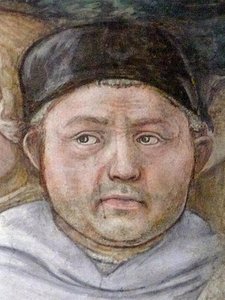
Филипо Липи
1406 - 1469 , Србија
Osnovne informacije
- Artistic Movement Or Style: Rani renesans
- Artists Or Movements Influenced By This Artist: ['Sandro Botticelli']
- Artists Who Influenced This Artist: ['Masaccio']
- Date Of Birth: 1406
- Date Of Death: 1469
- Full Name: Filippo di Tommaso Lippi
- Nationality: Italijan
- Notable Artworks:
- Tarquinia Madonna
- Navještenje
- Krunisanje Djevice
- Place Of Birth (City And Country): Firenca, Italija
Povezani članci

Dante Gabriel Rossetti: 25 Remek-dela Pre-Raphaelita i Inspiracija za Vaš Dom
Istražite 25 remek-dela Dante Gabriel Rossettija, ikone Pre-Raphaelita! Otkrijte priče iza slika, simbolizam i inspiraciju za vaš dom. Kvalitetne reprodukcije na OriginalUniqueArt.com.

Celestial Messengers: Angels in Painting – A Historical & Artistic Exploration
Explore the captivating history of angels in painting! Discover symbolism, iconic Renaissance & Byzantine masterpieces, and renowned artists. Expert insights for art lovers & collectors at OriginalUniqueArt.

Celestial Messengers: A Comprehensive Exploration of Angelic Representation in Art History
Explore the captivating history of angels in art! Discover symbolism, iconic Renaissance masterpieces & renowned artists. Expert insights for art lovers & collectors at OriginalUniqueArt.
Divine Messengers: A Curated Guide to the Iconography of Angel Gabriel in Art History
Explore the profound beauty of Angel Gabriel in art history. From Renaissance masterpieces to Baroque splendor, our expert guide delves into the sacred iconography and timeless techniques of these divine messengers for the discerning art enthusiast.
Fra Anđeo: 25 Remek-dela Renesansnog Duha za Vaš Dom | OriginalUniqueArt
Uronite u svet Fra Anđela – 25 remek-dela renesansnog slikara. Otkrijte priče iza njegovih čuvenih fresaka i oltarskih slika, inspiracija za enterijer i duhovni mir. Kupite reprodukcije vrhunskog kvaliteta na OriginalUniqueArt.com!



