Meni

() ·

A painting made for you, by hand

The Baluster

Ručno rađena uljana reprodukcija

Ručno oslikano uljanim bojama na platnu u dimenzijama i okviru po vašem izboru, izrađeno po porudžbini od strane naših umetnika. ( Pređi na štampu Pređi na digitalnu sliku)

Opis predmeta

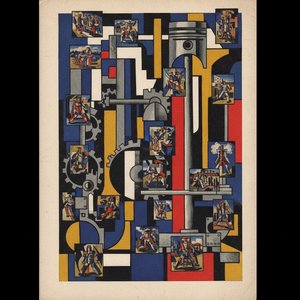
Fernand Léger's 'The Baluster' (1925) is a seminal Cubist painting featuring bold geometric forms, vibrant colors, and a dynamic composition—a masterpiece of modern art.

Biografija umetnika

Fernand Léger (1881-1955): Pionir kubizma i 'tubizma'! Otkrijte njegove jarke slike koje slavlјaju moderni život, mašine i čoveka – prethodnik pop arta koji je revolucionisao umetnost.

from ·

Chapter 1

How large should it be?

Slide to change the size; the picture on the left shows the frame at its real width. The proportions of the original are kept.

Standardne dimenzije
po meri
CM
INCH

Izaberite jednu od naših unapred definisanih veličina koje odgovaraju originalnim proporcijama umetničkog dela.

širina
visina

Unesite potrebnu širinu i visinu kako bi se slika uklopila u vaš ram ili zid. Pošto je ovo ručno oslikano delo, umetnik može za dimenzije drugačijeg oblika naslikati malo više prostora oko slike ili malo skratiti ivice — izbor je na vama. Pre početka rada, poslaćemo vam digitalni prikaz radi potvrde. Slika prikazana na ovoj stranici ne predstavlja konačan rezultat — samo digitalni prikaz pokazuje stvarnu sliku.

Chapter 2

How should it arrive?

Choose the edges of the stretched canvas

Choose your frame

Corner sample of the WhiteWrap canvas edge finish, stretched on masivno drvo bars
White дин1
Corner sample of the BlurSideWrap canvas edge finish, stretched on masivno drvo bars
Blurside дин1
Corner sample of the ExtendedWrap canvas edge finish, stretched on masivno drvo bars
Extended дин1
Corner sample of the P118B picture frame: oblikovani polistiren, 5 cm wide and 3 cm thick
P118B дин10
Corner sample of the P118H picture frame: oblikovani polistiren, 5 cm wide and 3 cm thick
P118H дин10
Corner sample of the P118W picture frame: oblikovani polistiren, 5 cm wide and 3 cm thick
P118W дин10
Corner sample of the P438Z picture frame: oblikovani polistiren, 5.5 cm wide and 3.5 cm thick
P438Z дин10
Corner sample of the P508JH picture frame: oblikovani polistiren, 7 cm wide and 3.5 cm thick
P508JH дин12
Corner sample of the P508YH picture frame: oblikovani polistiren, 7 cm wide and 3.5 cm thick
P508YH дин12
Corner sample of the P805H picture frame: oblikovani polistiren, 5 cm wide and 3.5 cm thick
P805H дин10
Corner sample of the P805Z picture frame: oblikovani polistiren, 5 cm wide and 3.5 cm thick
P805Z дин10
Corner sample of the P919BZ picture frame: oblikovani polistiren, 7 cm wide and 3.5 cm thick
P919BZ дин10
Corner sample of the P919G picture frame: oblikovani polistiren, 7 cm wide and 3.5 cm thick
P919G дин10
Corner sample of the P919XJ picture frame: oblikovani polistiren, 7 cm wide and 3.5 cm thick
P919XJ дин10
Corner sample of the P959ZH picture frame: oblikovani polistiren, 5 cm wide and 3 cm thick
P959ZH дин10
Corner sample of the P968JZ picture frame: oblikovani polistiren, 6 cm wide and 4 cm thick
P968JZ дин12
Corner sample of the W106C picture frame: masivno drvo, 5 cm wide and 3 cm thick
W106C дин8
Corner sample of the W218G picture frame: masivno drvo, 5 cm wide and 3 cm thick
W218G дин10
Corner sample of the W218JH picture frame: masivno drvo, 5 cm wide and 3 cm thick
W218JH дин8
Corner sample of the W218Y picture frame: masivno drvo, 5 cm wide and 3 cm thick
W218Y дин10
Corner sample of the W307PJ picture frame: masivno drvo, 6 cm wide and 3 cm thick
W307PJ дин10
Corner sample of the W316G picture frame: masivno drvo, 6 cm wide and 3 cm thick
W316G дин10
Corner sample of the W316PJ picture frame: masivno drvo, 6 cm wide and 3 cm thick
W316PJ дин8
Corner sample of the W316Y picture frame: masivno drvo, 6 cm wide and 3 cm thick
W316Y дин10
Corner sample of the W398PJ picture frame: masivno drvo, 5 cm wide and 3 cm thick
W398PJ дин8
Corner sample of the W4111J picture frame: masivno drvo, 6.5 cm wide and 3.5 cm thick
W4111J дин10
Corner sample of the W500HY picture frame: masivno drvo, 7 cm wide and 5 cm thick
W500HY дин15
Corner sample of the W500JH picture frame: masivno drvo, 7 cm wide and 5 cm thick
W500JH дин15
Corner sample of the W692G picture frame: masivno drvo, 8 cm wide and 4 cm thick
W692G дин12
Corner sample of the W849H picture frame: masivno drvo, 5 cm wide and 3 cm thick
W849H дин8
Corner sample of the W940BG picture frame: masivno drvo, 7.5 cm wide and 4.5 cm thick
W940BG дин15
Corner sample of the W953PJ picture frame: masivno drvo, 6 cm wide and 3.5 cm thick
W953PJ дин8
Corner sample of the H24-GOLD picture frame: rezbarano drvo sa gessoom, 10 cm wide and 6 cm thick
H24-GOLD дин30
Corner sample of the H24-SILVER picture frame: rezbarano drvo sa gessoom, 10 cm wide and 6 cm thick
H24-SILVER дин30
Corner sample of the H36-GOLD picture frame: rezbarano drvo sa gessoom, 15 cm wide and 6.5 cm thick
H36-GOLD дин45
Corner sample of the H36-SILVER picture frame: rezbarano drvo sa gessoom, 15 cm wide and 6.5 cm thick
H36-SILVER дин45

Moulding: . Overall size with the frame: .

Chapter 3

Who paints it, and should anything change?

Examples of what can be changed: Replace face with customer photo; Add pet (e.g., replace cat with dog); Include hidden message in background; Change background landscape or elements.
After order, OriginalUniqueArt.com team will email client for instructions and provide a mockup preview

Svetska isporuka () za 3/4 nedelje umesto uobičajenih 5 nedelja. (29 октобар). Bez kompromisa po pitanju kvaliteta.

Chapter 4

The finishing touches

A nameplate, as in a museum?

Detalji gravirane bronze ploče

This elegant plaque features the artist's name and the title of the artwork, finely engraved for a timeless presentation.

It is made from bronze with a refined, elegant finish. The text is precisely laser-engraved for a sharp and permanent result. Measuring 9x2 cm, the plaque is compact yet easy to read. It's built to be durable and scratch-resistant, offering a professional, museum-quality look. Mounting is simple thanks to the included adhesive backing.

Detalji prozirne akrilne pločice

The plaque includes essential engraved details such as the artist's name, the title of the artwork, the date it was created, the type of media used-like oil on canvas or watercolor-a brief description of the piece, and a QR code that links to the complete artwork information.

It is crafted from clear acrylic, offering a sleek, modern appearance. The text is UV-engraved in black to ensure strong visual contrast. With a size of 10x15 cm, it ensures optimal readability. It comes equipped with two metal hooks for secure wall mounting. The plaque is designed to be weather-resistant, making it suitable for various environments, and it includes interactive features that work seamlessly with smartphone scanning.

Detalji crne akrilne pločice

This elegant plaque includes engraved information such as the artist's name, the title of the artwork, the date it was created, the type of media used (like oil on canvas or watercolor), a short description of the artwork, and a QR code for quick access to more information.

The plaque itself is made from refined black acrylic with a premium finish. The text is laser-engraved in white for high contrast and readability. Its size is 10x15 cm, designed to be easy to read. It comes with two metal hooks for professional mounting. The design is sleek and fits any interior style. It is also weather-resistant and durable, with built-in digital integration for mobile compatibility.

A protective varnish?

When do you need it?

Chapter 5

Your painting, as you ordered it

The Baluster

Tehnika reprodukcije

Dimenzije reprodukcije

-

Vrhunski maestri umetnosti

Više detalja, prefinjenosti i dodatnog vremena za izradu

-

Okvir za reprodukciju

-

-

Za umetnička dela ili reprodukcije čija je bilo koja strana veća od 105 cm (približno 41 inč), okvir će biti isporučen u obliku rastavljenog seta za sklapanje. Ovaj metod osigurava bezbednu dostavu i sprečava oštećenja tokom transporta.

Potrebna je profesionalna montaža – ovo nije proizvod namenjen samostalnoj izradi.
Set mora sastaviti i platno zategnuti iskusni profesionalni ramitelj, koristeći drveni lepak (nije uključen u set), hvataljku za zatezanje platna i stege kako bi se održao prav ugao okvira dok se lepak suši. Nepravilno sklapanje ili neravnomerno zategnuto platno mogu trajno oštetiti umetničko delo, što nije pokriveno našom garancijom.

  • Sve šipke od masivnog drveta su uključene, precizno isečene po veličini.

  • Montira se pomoću priloženih šrafova, uz dodatno korišćenje lepka za drvo za spojeve u uglovima, koji nije uključen u set i koji vaš čuvar okvira mora obezbediti.

  • Potreban je profesionalni alat koji nije uključen u set: klešta za zatezanje platna (zatezač) i stege za održavanje pravih uglova letvica tokom sušenja lepka.

Važno:
Za spojeve u uglovima neophodan je lepak za drvo, šipke se moraju pričvrstiti stezgama dok lepak potpuno ne osuši, a za zatezanje platna na sklopljenom ramu potrebne su hvataljke za zatezanje platna. Nijedan od ovih alata nije uključen u komplet. Pre naručivanja ove veličine, molimo Vas da unapred obezbedite iskusnog profesionalca za ramačenje.

Kratki opis natpisa

-

-

Zaštitni lak

Sjajni lak (pojačava intenzitet boja, štiti od svetlosti i vlage)

-

Personalizujte svoje umetničko delo

Primeri mogućnosti izmene: Zamena lica fotografijom kupca; Dodavanje ljubimca (npr. zamena mačke psom); Uključivanje skrivene poruke u pozadini; Promena pejzaža ili elemenata pozadine.

-

Hitna dostava

Svetska isporuka () za 3/4 nedelje umesto uobičajenih 5 nedelja. (29 октобар). Bez kompromisa po pitanju kvaliteta.

-

Brza dostava

Dostava širom sveta () u roku od 5 nedelja. (5 новембар).

Uključeno u cenu

Ukupna cena

дин 31059

Ukupna cena дин 31059

Opcija sa staklom dostupna je samo za dimenzije manje od 110 cm

Included with every order

  • Besplatna ekspresna dostava širom sveta
  • Visokokvalitetno laneno platno
  • Potpuno osiguranje transporta
  • Garancija povraćaja carine i uvoznih dažbina
  • Garancija vernosti boja
  • Politika povraćaja u roku od 100 dana (samo u slučaju nedostataka)
  • Garancija povrata 100% novca
  • Popust na više proizvoda

Fernand Léger’s “The Baluster”: A Mechanical Dance of Form and Color

Fernand Léger's "The Baluster," painted in 1925, isn’t merely a depiction of an architectural element; it’s a vibrant manifesto of Cubism’s embrace of the modern world. This oil on canvas, currently residing within the esteemed collection of the Museum of Modern Art (MoMA) in New York City, pulsates with a dynamic energy born from the artist's unique synthesis of geometric abstraction and a fascination with industrial forms. Léger, a pivotal figure in the early 20th century’s artistic revolution, sought to translate the rhythms of the machine age – its angularity, its repetitive patterns, its sense of relentless motion – into a visual language that was both intellectually stimulating and emotionally resonant.

The painting immediately commands attention with its bold palette. A dominant blue background provides a striking contrast to the fiery reds, yellows, and oranges that dominate the central composition. This interplay of cool and warm tones isn’t simply decorative; it establishes a visual tension, mirroring the inherent dynamism within the artwork itself. Léger masterfully employs simplified geometric shapes – interlocking circles, rectangles, and stylized cylinders – to construct the balustrade, the very subject of the piece. These forms aren't rendered with meticulous detail but rather are presented in a deliberately abstracted manner, emphasizing their essential qualities over realistic representation.

The Roots of Cubism: Fragmentation and Multiple Perspectives

“The Baluster” firmly situates itself within the broader context of Cubism, a movement pioneered by Pablo Picasso and Georges Braque. Unlike earlier representational art that prioritized illusionistic depth and perspective, Cubism sought to dismantle traditional notions of space and representation. Léger’s approach, often referred to as “Tubism,” further developed this concept by reducing objects to their fundamental geometric components – cylinders, cones, and spheres – and presenting them from multiple viewpoints simultaneously. This fragmentation creates a sense of disorientation and invites the viewer to actively engage with the artwork, piecing together its meaning through observation.

The influence of Futurism is also palpable in Léger’s work. Like the Italian Futurist movement, which celebrated speed, technology, and dynamism, Léger sought to capture the essence of modern life – particularly the impact of industrialization on human experience. The painting's angular forms and sense of movement evoke the imagery of factories, trains, and other symbols of the machine age. However, unlike the often-aggressive aesthetic of Futurism, Léger’s approach is more restrained and contemplative, suggesting a nuanced understanding of both the promise and the potential anxieties associated with modernity.

Decoding the Symbolism: The Balustrade as Focal Point

The title itself – “The Baluster” – immediately draws our attention to the central element of the composition. Léger doesn’t simply depict a balustrade; he elevates it to a symbolic representation of stability, structure, and order within an increasingly chaotic world. The balustrade, traditionally associated with safety and protection, becomes a visual anchor amidst the swirling forms and vibrant colors. It represents a point of reference, a grounding element that provides a sense of equilibrium in the midst of dynamic energy.

Interestingly, Léger’s choice to depict a balustrade – a relatively mundane architectural feature – is itself significant. By focusing on an everyday object, he invites us to reconsider our perceptions of beauty and value. The painting suggests that even the most ordinary elements of our environment can be transformed into works of art through careful observation and creative interpretation.

A Legacy of Modernism: Léger’s Enduring Influence

“The Baluster” stands as a testament to Fernand Léger's innovative spirit and his profound impact on the development of modern art. His bold use of color, simplified forms, and exploration of industrial themes paved the way for subsequent generations of artists, including Pop Art pioneers like Andy Warhol. The painting’s enduring appeal lies in its ability to capture the energy and dynamism of the 20th century while simultaneously inviting viewers to contemplate the fundamental questions about perception, representation, and the relationship between art and life.

Reproductions of “The Baluster” continue to be highly sought after by collectors and interior designers alike. Its vibrant colors and dynamic composition make it a striking addition to any space, while its historical significance offers a glimpse into the artistic currents that shaped the modern world. A piece like this speaks volumes about the artist's vision and his place in art history.

Pitanja i odgovori

U kom delu doma bi se reprodukcija dela "The Baluster" lepo uklopila?

Preporučeni prostor za „The Baluster”, autor Фернан Леже je Living Room. Ovaj predlog se, naravno, može prilagoditi vašem enterijeru.

Koju emociju prenosi „The Baluster”, autor Фернан Леже?

„The Baluster“ je povezano sa Energetic osećajem. Emocionalni ton opisuje utisak koji delo ostavlja.

Kako mogu da nabavim digitalni prikaz dela „The Baluster”, autor Фернан Леже?

„The Baluster“ je dostupan kao preuzimanje digitalne slike visoke rezolucije, a možete ga kupiti direktno na njegovoj Digitalna slika u visokoj rezoluciji stranici.

More about this painting

Pregledaj u prostoru AR pregled Pređi na štampu Pređi na digitalnu sliku Pošalji
Detalji o delu Vodič Dodaj u omiljene Preuzmi Slični predmeti Rendgenski snimak Automatska prezentacija Q&A Statistika

In numbers

  • 1925the year it was painted
  • 29frames to choose from
  • standard sizes, in its own proportions
  • 5weeks to paint and deliver it
Фернан Леже

Фернан Леже

1881 - 1955, Француска

Quick facts about Фернан Леже

  • Artisti Ili Pokreti Pod Uticajem Ovog Umetnika: ['Pop Art']
  • Artisti Koji Su Uticali Na Njega: ['Pol Sezan']
  • Datum Rođenja: 4. februar 1881.
  • Datum Smrti: 17. avgust 1955.
  • Mesto Rođenja: Argantan, Francuska
  • Nacionalnost: Francuski
  • Puno Ime: Žozef Fernan Enri Leže
  • Umetnički Pokret Ili Stil: Kubizam, Tubizam
  • Značajna Dela:
    • Sedeća žena
    • Mašinski element
    • Velika parada
    • Grad

Biografija umetnika

Život Izkovan u Formi: Svet Fernana Legera

Fernan Leže, rođen kao Žozef Fernand Enri Leže 1881. godine usred ruralnih pejzaža Argantana, Normandije, zauzima ključno mesto u evoluciji moderne umetnosti. Njegovo putovanje od polja njegovog detinjstva do samog čela pariških avangardnih krugova svedoči o neprestanoj umetničkoj viziji i neumornom nastojanju da uhvati duh mašinskog doba. Za razliku od mnogih svojih savremenika koji su apstrakciju prihvatili kao povlačenje iz reprezentacije, Leže je tražio da *integriše* modernost – njen dinizam, mehaničke oblike, samu njenu esenciju – u novi vizuelni jezik koji je bio i moćno apstraktan i duboko ukorenjen u posmatranom svetu. Njegov raniji život, prožet fizičkom aktivnošću poljoprivrednog rada, pružio je pouzdano upoređivanje sa industrijalnom budućnosti koju je tako strastveno prikazivao. Prvo namenjen arhitekturi, Ležeova staza se preusmerila ka slikarstvu nakon što je stigao u Pariz oko 1900. godine, izdržavajući se crtačkim radom dok je usavršavao svoje umetničke veštine. Ovaj period je bio obeležen tradicionalnim akademskim obrazovanjem, ali tek nakon susreta sa revolucionarnim delima Pola Sezana počela je prava transformacija.

Rođenje ‘Tubizma’ i Section d'Or

Sezanova retrospektiva 1907. godine poslužila je kao katalizator, oslobodivši Legera od konvencionalne reprezentacije i gurajući ga ka geometrijskijem i strukturalnijem pristupu. Počeo je da razgrađuje oblike, analizira njihove osnovne strukture i ponovo ih gradi na platnu sa novim naglaskom na čvrstini i volumenu. Ova eksploracija ga je brzo dovela u orbitu kubizma, ali Leže nije bio zadovoljan samo replikacijom stilova Pikasa ili Braka. Umesto toga, razvio je svoj sopstveni distinktivan idiom – lični oblik kubizma koji su kritičari igrivo nazvali “tubizam”. Karakterizovan cilindričnim oblicima, spljoštenim ravninama i hrbrim kontrastima boja, tubizam je slavio mašinsku estetiku mnogo pre nego što je postala široko rasprostranjena. Bila je to umetnost rođena iz posmatranja procvetavajućeg industrijskog sveta, prepoznajući lepotu u njegovim funkcionalnim oblicima i mehaničkim ritmovima. U ovom periodu Leže je aktivno učestvovao u avangardnoj sceni, udruživši se sa umetnicima poput Žana Metzingera, Enrija Leforenija, Fransisa Pikabije i Marsela Dšona unutar Puteaux grupe, poznate i kao Section d'Or (Zlatni preseč). Grupa je istraživala matematičke principe harmonije i proporcije, nastojeći da u svoju umetnost ubrizga osećaj reda i racionalnosti. Njihove kolektivne istrage su pomerile granice umetničkog izraza, postavivši temelje za buduće razvoje u apstraktnoj umetnosti.

Rat, Mehanizacija i Nova Estetika

Izbijanje Prvog svetskog rata duboko je uticalo na Ležeov život i rad. Služba na frontu od 1914. do 1916. godine izložila ga je brutalnim realnostima moderne ratne tehnike – artiljerijskim udarima, vazdušnim borbama i dehumanizirajućim efektima mehanizovanog sukoba. Ovo iskustvo nije dovelo do razočaranja ili odbacivanja modernosti; naprotiv, učvrstilo je njegovu fascinaciju mašinama i njihovom snagom. Skice napravljene tokom služenja dokumentovale su strogotu lepote vojne tehnologije, transformišući instrumente uništenja u subjekte umetničkog razmatranja. Po povratku u civilni život, Ležeova estetika je doživela dalji evoluciju. Njegove slike su počele da odražavaju više pojednostavljenog, mehaničkog senzibiliteta, slaveći dinamičnost i efikasnost industrijskog sveta. *Vojnik sa puškom* (1916) ilustruje ovu promenu, prikazujući pojednostavljene oblike i hrabre boje koje evociraju osećaj mehaničke preciznosti. Ovo nije bila samo estetska izbira; bila je to filozofski stav – potvrda potencijala modernosti za napredak i obnovu, čak i u jeku razornih sukoba.

Nasleđe i Trajni Uticaj

U godinama nakon rata, Leže je nastavio da istražuje presek umetnosti i industrije, stvarajući dela koja su slavila moderan život jedinstvenom kombinacijom apstrakcije i figuracije. Njegova serija *Paysages animés* (Animirani pejzaži) iz 1921. godine prikazala je figure i životinje besprekorno integrisane u pojednostavljene kompozicije, briseći granice između organskih i neorganskih oblika. Eksperimentisao je takođe sa skulpturom i filmskom umetnošću, proširivši svoju umetničku praksu izvan okvira tradicionalnog slikarstva. Ležeov uticaj na buduće generacije umetnika je nedvojben. Njegovo hrbrim pojednostavljenje oblika, njegov prihvatanje industrijske slike i njegova slava popularne kulture najavili su pojavu Pop Art-a decenijama kasnije. Umetnici poput Roja Lihtenštajna i Endija Vorhola duguju jasan dug Legerovom pionirskom radu. On je prevazišao jaz između apstraktne umetnosti i figurativnog predstavljanja, pokazujući da je moguće kreirati dela koja su intelektualno rigorozna i vizuelno privlačna. Danas se Legerove slike nalaze u glavnim muzejima širom sveta, uključujući Musée d'Art et d'Histoire u Francuskoj i Musée National Fernand Léger, posvećen isključivo njegovom radu. On ostaje impozantna figura umetnosti 20. veka – vizionar koji se usudio da pronađe lepotu u mašinskom dobu i da je prevede na platno sa nezadrživim hrabrošću i originalnošću. Njegovo nasleđe nije samo kao slikara, već i kao proroka modernosti. Pravo je pionira čiji rad nastavlja da rezonuje sa publikom danas.

Osnovne informacije

  • Title: The Baluster
  • Movement: Cubism
  • Influences:
    • Picasso
    • Braque
  • Artistic style: Abstract, Mechanistic
  • Artist: Fernand Léger
  • Dimensions: 51 x 38 1/4"

Kviz o umetnosti

Svako pitanje ima samo jedan tačan odgovor.

Pitanje 1:
What artistic movement is most closely associated with Fernand Léger’s ‘The Baluster’?
Pitanje 2:
In ‘The Baluster’, what is the primary color of the background?
Pitanje 3:
Which of the following best describes Fernand Léger’s approach to Cubism?
Pitanje 4:
The title ‘The Baluster’ refers specifically to:
Pitanje 5:
Fernand Léger was born in which city?