Pregledaj u prostoru
 Pošalji
 Podeli
 Detalji o delu
 Vodič
Vodič

 Preuzmi
 Slični predmeti
 Rendgenski snimak
 Automatska prezentacija
 Pitanja i odgovori
 Statistika
Forest Stream


 Pročitaj više
Giclee štampa / Umetnički otisak
Giclée štampa ili print na platnu muzejskog kvaliteta uz brzu izradu i raznovrsne opcije završne obrade. ( Kupite ručno oslikano delo Pređi na digitalnu sliku)




P118B дин10

P118H дин10

P118W дин10

P438Z дин10

P508JH дин12

P508YH дин12

P805H дин10

P805Z дин10

P919BZ дин10

P919G дин10

P919XJ дин10

P959ZH дин10

P968JZ дин12

W106C дин8

W218G дин10

W218JH дин8

W218Y дин10

W307PJ дин10

W316G дин10

W316PJ дин8

W316Y дин10

W398PJ дин8

W4111J дин10

W500HY дин15

W500JH дин15

W692G дин12

W849H дин8

W940BG дин15

W953PJ дин8




Izaberite jednu od naših unapred definisanih veličina koje odgovaraju originalnim proporcijama umetničkog dela.

Unesite željenu širinu i visinu kako bi se štampa uklopila u vaš ram ili zid. Štampu je moguće samo iseći, ali nikada povećati iznad dimenzija originalne slike, stoga format sa drugačijim proporcijama uzrokuje gubitak dela slike. Pre početka štampe, poslaćemo vam digitalni prikaz radi potvrde. Slika prikazana na ovoj stranici ne predstavlja stvarni isrez — to pokazuje samo digitalni prikaz.
Dostava širom sveta () za 2 nedelje umesto uobičajenih 4/5 nedelja. (12 новембар)

Besplatna ekspresna dostava širom sveta

Visokokvalitetno laneno platno

Potpuno osiguranje transporta

Garancija povraćaja carine i uvoznih dažbina

Garancija vernosti boja

Politika povraćaja u roku od 100 dana (samo u slučaju nedostataka)

Garancija povrata 100% novca

Popust na više proizvoda
 Opcija sa staklom dostupna je samo za dimenzije manje od 110 cm

Forest Stream
Giclee štampa / Umetnički otisak
Dimenzije reprodukcije
-


Ukupna cena
дин 8497
Ferdinand Hodler's "Forest Stream": A Symphony of Symbolism and Light
Ferdinand Hodler’s “Forest Stream” is more than just a depiction of a Swiss landscape; it’s an immersion into the artist’s deeply felt contemplation of life, loss, and the enduring beauty of nature. Painted in 1916, this work exemplifies Hodler's pivotal role within the Symbolist movement, showcasing his ability to translate profound emotional states onto canvas through meticulously crafted brushstrokes and a carefully considered color palette. The scene unfolds with a quiet intensity – a rocky stream bed winding its way towards a distant mountain range beneath a softly clouded sky. It’s a landscape imbued with a sense of melancholy beauty, reflecting the artist's personal history marked by early tragedy.
Post-Impressionist Technique and Impasto Texture
- Brushwork: Hodler employs a distinctive technique characterized by short, broken strokes – a hallmark of Post-Impressionism. These lines aren’t merely descriptive; they actively build texture, creating a palpable surface that invites the viewer to almost feel the roughness of the rocks and the flow of the water.
- Impasto: The artist utilizes thick applications of paint, or impasto, particularly in areas like the foreground rocks and vegetation. This technique dramatically enhances the three-dimensionality of the scene, adding a dynamic energy that contrasts with the overall sense of stillness.
- Color Palette: Hodler’s color choices are both vibrant and subtly muted. Warm tones dominate – ochres, browns, and greens representing the earth and foliage – juxtaposed against cooler blues and grays in the sky and mountains. This contrast isn't jarring but rather creates a harmonious balance, reflecting the artist’s desire to capture not just what he saw, but how he *felt* about it.
Symbolic Resonance: Mortality and Nature’s Embrace
The painting’s symbolism is deeply rooted in Hodler's personal experiences. The stream itself can be interpreted as a metaphor for the passage of time, while the mountains represent enduring strength and resilience. Given Hodler’s early life marked by loss – the deaths of his father and brothers – the scene resonates with themes of mortality and acceptance. Nature becomes not just a subject but a source of solace and contemplation, offering a space for reflection on the ephemeral nature of existence. The diffused lighting further contributes to this mood, suggesting an overcast day that amplifies the sense of quiet introspection.
Art Nouveau Influences and Hodler’s Legacy
"Forest Stream at Champery," (as seen in a related work by Hodler) demonstrates his engagement with Art Nouveau aesthetics. The flowing lines, organic forms, and emphasis on decorative elements align with the movement's core principles. Hodler’s influence extends beyond Switzerland; his unique style paved the way for future generations of landscape artists who sought to capture not just visual reality but also emotional truth. His work continues to resonate today, offering a timeless meditation on beauty, loss, and the profound connection between humanity and the natural world.
Artist: Ferdinand Hodler Birth Year: 1853 Death Year: 1918Pitanja i odgovori
Pod kojim drugim imenima ili pseudonimima je poznat/a Фердинанд Ходлер?
Ostala imena zabeležena za Фердинанд Ходлер, autora dela "Forest Stream", uključuju Јоханес Ходлер, Фердинанд Јоханес Ходлер.
Koja je paleta boja u delu "Forest Stream"?
Paleta dela „Forest Stream”, autor Фердинанд Ходлер opisana je kao Earthy, što predstavlja sažet prikaz boja ovog umetničkog dela.
Iz kog je istorijskog perioda „Forest Stream”, autor Фердинанд Ходлер?
"Forest Stream" pripada periodu 19th Century.
Biografija umetnika
Arhitektura smrtnosti
Rođen u Bernu, u Švajcarskoj, 1853. godine, rani životni period koji je proživao Фердинанд Ходлер, bio je definisan tihim, upornim bolom. Pre nego što je ušao u pubertet, tuberkuloza koja je odnela njegovog oca i dva mlađa brata ostavila je prazninu u njegovom domu. Taj rani susret sa gubitkom postao je ponavljajući motiv u njegovom radu, senka koja će ga pratiti od skromnih početaka njegovog zanatstva pa sve do vrhovaca njegove profesionalne karijere. Svoje obezbeđivanje je započeo kao dekorativni slikar, pomažući očuhu u komercijalnim poslovima sa natpisima, što je bila praktična edukacija koja je u njemu usadila preciznu kontrolu linije i forme. Ovaj temelj zanatstva obezbedio je tehničku rigoroznost koja će kasnije podupreti njegova složenija filozofska istraživanja.
Njegov odlazak u Ženevu 1871. godine označio je odmak od komercijalnih zahteva njegove mladosti. U gradu je tražio dublji angažman sa umetnošću, pohađajući naučne predavanja i prepisujući dela majstora u lokalnom muzeju. Upravo je tu počeo da se udaljava od pedantnog realizma svojih ranih pejzaža i portreta. Više nije bio zadovoljan samim reprodukovanjem prizora Švajcarskih Alpa ili sličja modela; težio je da uhvati suštinske ritmove postojanja. Ovaj prelazak sa objektivnog na subjektivno na kraju će ga voditi ka razvoju potpuno sopstvenog vizuelnog jezika.
Logika paralelizma
Najznačajniji doprinos Hodlerovog rada evoluciji moderne slikarstva bio je njegovu teoriji paralelizma. To nije bila samo kompoziciona tehnika, već način posmatranja sveta kao niza međusobno povezanih, ritmičnih obrazaca. Primećivao je kako se oblici u prirodi—nagib planine, krivina ljudskog uda ili odraz u vodi—često ogledaju jedan u drugom u strukturiranoj, geometrijskoj harmoniji. Aranžiranjem figura i elemenata pejzaža u ovim repetitivnim, ritmičnim kadencama, pokušavao je da prikaže strukturni red koji je verovao da upravlja prirodnim svetom. Ovaj pristup omogućio mu je da premosti jaz između fizičke stvarnosti scene i emocionalnog stanja posmatrača.
Njegov rad je često zauzimao prostor između simbolizma i senzibiliteta koji je bio više strukturiran i moderan. U delima kao što je Noć, dovršenom 1890. godine, istraživao je teme odmora i smrtnosti kroz položene figure, što je bila tema koja je izazivala tadašnje prevaziđeno ukuse. Njegova sposobnost da spoji klasičnu formu sa modernim, gotovo strukturnim intenzitetom vidljiva je u delu Istina II (1897). Nije se oslanjao na haotične poteze četkicom svojih savremenika; umesto toga, koristio je promišljenu, često prigušenu paletu okra, braon i zelenih tonova kako bi stvorio osećaj trajnosti i težine. Njegova platna nisu bila samo prozori u scenu, već organizovana okruženja gde su ljudski duh i pejzaž bili povezani zajedničkom geometrijom.
Život u pejzažima
Švajcarski pejzaž ostao je konstantno prisutan u njegovom delu, posebno veličanstveni Alpi. Planine nije posmatrao samo kao topografske karakteristike, već kao duhovna bića. Njegovi prikazi Ajgera, Monha i Jungfraua, ili pogledi sa Dents du Midi, odražavaju želju da se veličina planina prevede u jezik emocionalnog odjeka. Često je koristio proces slojevitosti, nanoseći tanke slojeve boje preko debljeg impasta kako bi postigao specifičnu luminoznost, naročito u svojim kasnijim studijama svetlosti nad Ženevskim jezerom. Ova dela pokazuju majstorstvo u stvaranju atmosfere, hvatajući magličnu, eteričnu kvalitet svetlosti Alpa bez žrtvovanja strukturnog integriteta terena.
Do trenutka svoje smrti u Ženevi 1918. godine, Hodler se utvrdio kao centralna figura u švajcarskoj istoriji umetnosti. Njegov uticaj se može videti u razvoju ekspresionizma, jer je njegov naglasak na subjektivnoj emociji i ritmičkoj formi pružio temelj onima koji su želeli da se kreću izvan tradicionalnog predstavljanja. Ostao je slikar duboke psihološke dubine, koristeći alate svog zanata da se suoči sa fundamentalnim pitanjima života i smrti. Njegovo nasleđe nalazi se u načinu na koji je primoravao gledača da pogleda izvan površine sveta kako bi pronašao tihe, ponavljajuće obrasce koji ga drže na okupu.
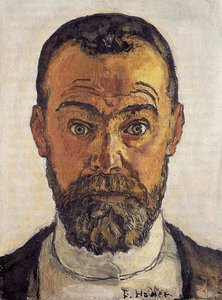
Фердинанд Ходлер
1853 - 1918 , Швајцарска
Osnovne informacije
- Artistic Movement Or Style: Simbolizam, Paralelizam, Realizam
- Artists Or Movements Influenced By This Artist: ['Ekspresionizam']
- Artists Who Influenced This Artist:
- Alexandre Calame
- Dürer
- Gustave Courbet
- Hans Holbein
- Titian
- Poussin
- Velázquez
- Barthélemy Menn
- Date Of Birth: 1853
- Date Of Death: 1918
- Full Name: Ferdinand Hodler
- Nationality: Švajcarska
- Notable Artworks:
- Noć
- Dan
- Istina II
- Poezija
- Place Of Birth: Bern, Švajcarska
Povezani članci
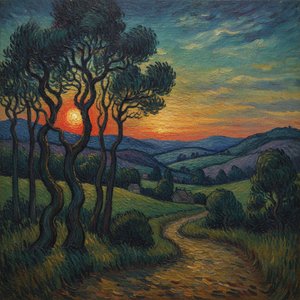
Beyond the Light: Capturing Raw Emotion and Subjective Vision in Post-Impressionist Landscapes
Explore the profound emotional depth of Post-Impressionist landscapes. Discover how masters like Van Gogh moved beyond light to capture raw human feeling through vibrant color and expressive texture in this expert art history retrospective.

Evocations of Place: A Historical Journey Through Landscape Art
Explore the rich history of landscape art with OriginalUniqueArt. Discover renowned artists, movements like Impressionism & Romanticism, and expert guidance for collecting timeless pieces. Find your perfect serene escape today!

Ferdinand Hodler: Symbolism, Parallelism & the Quest for Universal Harmony
Explore the captivating world of Ferdinand Hodler, Swiss Symbolist painter renowned for his evocative landscapes & pioneering 'parallelism'. Discover his life, key works, and lasting influence on art history. Own a hand-painted reproduction today!

Beyond Impressionism: The Emotional Depth and Vibrant Evolution of Post-Impressionist Landscapes
Explore the profound evolution of Post-Impressionist landscapes. From Van Gogh's emotional brushwork to Cézanne's structural mastery, discover how these visionaries redefined art history through color and form in this expert guide for fine art enthusiasts.

Paul Cézanne: 25 Remek-dela Revolucionarnog Umjetnika | OriginalUniqueArt
Istražite 25 remek-dela Paula Cézanna, revolucionarnog slikara impresionizma i postimpresionizma. Otkrijte priče iza ikoničnih pejzaža, portreta i mrtve prirode. Kupite luksuzne reprodukcije slika na OriginalUniqueArt.com!