Art Nouveau · 1900
Emotion (Фердинанд Ходлер, 1900)
Фердинанд Ходлер (1853–1918) je napravio Emotion. Datirano je iz 1900. Pripada pokretu Art Nouveau. Izrađeno je u Acrylic On Canvas. Čuva se u muzeju Kunsthistorisches Museum u mestu Beč, Austrija. Dimenzije su 115 × 70 cm.
- 1900
- Acrylic On Canvas
- 115 × 70 cm
- Kunsthistorisches Museum, Beč

 Pregledaj u prostoru

 Ručno oslikano uljanim bojama
 Pošalji
 Podeli
 Informativni list za štampu


 Preuzmi
 Slični predmeti
 Rendgenski snimak
 Automatska prezentacija
 Pitanja i odgovori

 Statistika
Emotion, ukratko
- Naslov
- Emotion
- Umetnik
- Фердинанд Ходлер (1853–1918)
- Mesto rođenja umetnika
- Берн, Швајцарска
- Datum
- 1900
- Tehnika
- Acrylic On Canvas
- Dimenzije
- 115 × 70 cm
- Gde se može videti
- Kunsthistorisches Museum, Beč, Austrija
- Pokret
- Art Nouveau
- Tema
- woman, landscape, emotion, flowers, mountains, symbolism
Šta prikazuje Emotion?
Emotion – A Study in Quiet Intensity
Ferdinand Hodler’s “Emotion,” painted in 1900, stands as a cornerstone of Swiss Art Nouveau and embodies the movement's preoccupation with psychological depth alongside exquisite formal beauty. This striking portrait captures a woman bathed in soft light, positioned amidst a serene mountainous landscape—a deliberate juxtaposition designed to amplify the painting’s contemplative spirit. Hodler meticulously crafted this piece using oil paints on canvas, employing a technique characterized by smooth blending and subtle tonal gradations that contribute significantly to its ethereal quality. The artist's masterful handling of color – predominantly blues and pinks – isn’t merely decorative; it serves as a conduit for conveying profound emotional resonance.- Subject Matter: The central figure is presented with understated grace, her gaze directed inward—a hallmark of Hodler’s approach to portraying human experience. Her hands gently resting on her neck symbolize vulnerability and introspection, inviting the viewer to contemplate themes of solitude and contemplation.
- Style & Technique: Hodler's Art Nouveau style prioritizes organic forms and flowing lines, mirroring the natural world he so admired. The brushstrokes are deliberately soft and diffused, creating an atmosphere of tranquility and conveying a sense of timelessness.
- Historical Context: Painted at the cusp of the 20th century, “Emotion” reflects the broader artistic currents of its time—a reaction against academic conventions and a fervent embrace of Symbolism’s expressive power. Hodler sought to capture not just outward appearance but inner feeling, aligning with the philosophical debates surrounding consciousness and emotion prevalent in European intellectual circles.
- Symbolism: The mountainous backdrop serves as more than mere scenery; it represents resilience and permanence—visual metaphors for confronting life's challenges with fortitude. Similarly, the scattered pink flowers symbolize beauty amidst simplicity and offer a subtle counterpoint to the woman’s contemplative posture.
Exploring Hodler’s Artistic Vision
Hodler’s preoccupation with capturing inner experience aligns closely with the broader Symbolist movement, which rejected realism in favor of exploring subconscious realms and conveying spiritual truths through evocative imagery. Unlike Impressionists who sought to depict fleeting moments of sensory perception, Hodler aimed for a deeper understanding of human psychology—a goal achieved through meticulous observation and masterful artistic execution. His work continues to inspire artists and collectors alike, demonstrating the enduring relevance of Symbolism’s expressive language.Reproductions & Interior Design Considerations
A high-quality reproduction of “Emotion” can bring a touch of Swiss Alpine elegance into any interior space. OriginalUniqueArt.com offers exceptional reproductions crafted with archival pigments and printed on premium canvas—preserving the painting's original luminosity and textural nuances. Consider framing it in a neutral palette to complement its muted tones, allowing the artwork’s subtle beauty to shine through as a focal point of contemplation.U kom muzeju se nalazi Emotion?
Kunsthistorisches Museum
Beč, Austrija
Istorija muzeja Kunsthistorisches Museum Kunsthistorisches Museum u Beču, u Austriji, proizašao je iz duboke želje da se ogromna, dragocena imovina porodice Habsburg dobije na viđenju javnosti. Po nalogu cara Franca Jozefa I, ova institucija osnovana je 1871. godine kako bi postala dom za ove carske umetničke kolekcije.


Slike visoke rezolucije za Emotion

Фердинанд Ходлер, Emotion (1900), Kunsthistorisches Museum. Javno dobro.
Odgovori na pitanja o Emotion
Gde se danas može videti delo „Emotion”, autor Фердинанд Ходлер?
Originalno delo "Emotion" možete videti u muzeju Kunsthistorisches Museum, Beč, Austrija.
Kada je nastalo delo „Emotion”, autor Фердинанд Ходлер?
Delo „Emotion”, autor Фердинанд Ходлер nastalo je 1900.
Kojom tehnikom je izrađeno "Emotion"?
Tehnika dela „Emotion”, autor Фердинанд Ходлер je Acrylic On Canvas. Reprodukcije imaju za cilj da dočaraju izgled ove tehnike.
Koje su stvarne dimenzije dela „Emotion”, autor Фердинанд Ходлер?
Dimenzije dela „Emotion”, autor Фердинанд Ходлер su 70 x 115 cm. Reprodukcije se mogu naručiti u drugim dimenzijama uz zadržavanje istih proporcija.
Šta prikazuje „Emotion”, autor Фердинанд Ходлер?
„Emotion”, autor Фердинанд Ходлер prikazuje: woman, landscape, emotion, flowers, mountains, symbolism, dress.
Da li je delo „Emotion”, autor Фердинанд Ходлер u javnom vlasništvu?
Što se tiče autorskih prava, delo "Emotion" je u javnom vlasništvu – autorska prava su istekla.
Kome se pripisuje delo "Emotion"?
Delo "Emotion" je kreirao/la Фердинанд Ходлер. Informacije na ovoj stranici opisuju originalno delo umetnika Фердинанд Ходлер.
Koji umetnički pravac obuhvata „Emotion”, autor Фердинанд Ходлер?
„Emotion“ je delo Art Nouveau pokreta. Ovaj pokret označava umetničku tradiciju kojoj je delo pripada.
U kojoj fazi stvaralaštva umetnika Фердинанд Ходлер se nalazi delo "Emotion"?
„Emotion“ pripada Mature u karijeri umetnika Фердинанд Ходлер. Ova klasifikacija povezuje delo sa razvojem samog umetnika.
O umetniku, Фердинанд Ходлер
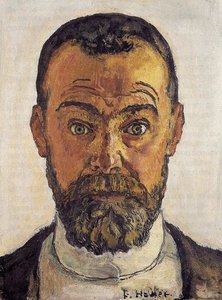
1853–1918, Швајцарска
Фердинанд Ходлер
Arhitektura smrtnosti Rođen u Bernu, u Švajcarskoj, 1853. godine, rani životni period koji je proživao Фердинанд Ходлер, bio je definisan tihim, upornim bolom. Pre nego što je ušao u pubertet, tuberkuloza koja je odnela njegovog oca i dva mlađa brata ostavila je prazninu u njegovom domu. Taj rani susret sa gubitkom postao je ponavljajući motiv u njegovom radu, senka koja će ga pratiti od skromnih početaka njegovog zanatstva pa sve do vrhovaca njegove profesionalne karijere.
O umetniku Фердинанд Ходлер Istaknuta dela umetnika Фердинанд Ходлер
Takođe i Фердинанд Ходлер
 Eiger, Monch and Jungfrau in Moonlight1908
 Woman in Ecstasy1911
 Sunset on Lake Geneva1915
 Study of two figures1897

Eseji o delu Emotion
 The Resonance of Boldness: Exploring Emotional Impact & Artistic ExpressionExplore the powerful world of Expressionism with OriginalUniqueArt. Discover key artists like Kirchner & Rothko, understand its emotional i…
 Mastering Parallelism: The Top 25 Essential Artworks by Ferdinand HodlerImmerse yourself in the rhythmic beauty of Ferdinand Hodler. Explore 25 iconic masterpieces of Swiss Symbolism and Parallelism. From emotiv…
 Neizbežni Platno: Preciznost Besprekorne Dizajn Integracije Umeća i Arhitekture za Harmonious EnterijereOtkrijte savršenu integraciju umetnosti i arhitekture za enterijere iz snova! Ekskluzivni vodiči, stručni saveti i vrhunske reprodukcije sl…