

 Pregledaj u prostoru
 Podeli
 Podeli
 Detalji
 Vodič
Vodič

 Preuzmi sliku
 Slični predmeti
 Rendgenski snimak
 Automatska prezentacija
 Statistika
Still Life


 Pročitaj više
Giclee štampa / Umetnički otisak
Giclée štampa ili print na platnu muzejskog kvaliteta uz brzu izradu i raznovrsne opcije završne obrade. ( Naručite ručno oslikano reprodukciju Pređi na prodaju digitalnih slika)




P118B дин10

P118H дин10

P118W дин10

P438Z дин10

P508JH дин12

P508YH дин12

P805H дин10

P805Z дин10

P919BZ дин10

P919G дин10

P919XJ дин10

P959ZH дин10

P968JZ дин12

W106C дин8

W218G дин10

W218JH дин8

W218Y дин10

W307PJ дин10

W316G дин10

W316PJ дин8

W316Y дин10

W398PJ дин8

W4111J дин10

W500HY дин15

W500JH дин15

W692G дин12

W849H дин8

W940BG дин15

W953PJ дин8




Izaberite jednu od naših unapred definisanih veličina koje odgovaraju originalnim proporcijama umetničkog dela.

Unesite širinu i visinu koja vam je potrebna, kako bi se uklopili u vaš ram ili na vaš zid. Štampa se može samo iseći, nikada ne može biti veća od originalne slike, stoga format sa drugačijim proporcijama gubi deo slike. Poslaćemo vam digitalni prikaz radi potvrde pre nego što započnemo štampu. Slika prikazana na ovoj stranici ne pokazuje stvarni rez — to pokazuje samo digitalni prikaz.
Dostava širom sveta () za 2 nedelje umesto uobičajenih 4/5 nedelja. (22 октобар)

Besplatna ekspresna dostava širom sveta

Visokokvalitetno laneno platno

Sveobuhvatno osiguranje transporta

Garancija povraćaja carine i uvoznih dažbina

Garancija vernosti boja i autentičnosti pri reprodukciji

Politika povraćaja u roku od 100 dana (samo u slučaju nedostataka)

Garancija povrata 100% novca

Popust pri većoj količini
 Opcija sa staklom dostupna je samo za dimenzije manje od 110 cm

Still Life
Giclee štampa / Umetnički otisak
Veličina reprodukcije
-


Ukupna cena
дин 8227
A Moment Frozen in Time: Ferdinand Guillaimin’s “Still Life”
Ferdinand Guillaimin's "Still Life," painted in 1872, isn’t merely a depiction of objects arranged on a table; it’s a carefully constructed tableau brimming with quiet observation and subtle symbolism. This work, rendered in the heart of the Impressionist movement, captures a fleeting moment of domestic tranquility – a scene both familiar and imbued with an understated elegance. The painting immediately draws the eye to the central arrangement: a vase overflowing with vibrant red and yellow flowers, their petals seemingly caught mid-bloom, radiating warmth against the cooler tones that dominate the rest of the composition. Beside them rests a worn book, its pages hinting at untold stories and intellectual pursuits, while a simple bowl holds what appears to be fruit – perhaps apples or pears – adding another layer of earthly abundance.
Guillaimin’s technique is distinctly Impressionistic, prioritizing capturing the *impression* of light and color rather than precise detail. Loose brushstrokes dance across the canvas, creating an atmospheric haze that softens the edges of each object. He masterfully employs broken color – applying small dabs of paint side-by-side to build up hues and create a shimmering effect, particularly noticeable in the reflections on the table’s surface. The dark background serves not as mere backdrop but as a crucial element, intensifying the luminosity of the floral arrangement and lending the scene a sense of intimacy and depth. The artist's focus is less on photographic realism and more on conveying the *feeling* of being present within this quiet space.
The Context of Parisian Impressionism
To fully appreciate “Still Life,” it’s essential to understand the artistic climate in which Guillaimin was working. The 1870s were a period of profound change and experimentation for French art, marked by the rise of Impressionism. Artists like Monet, Renoir, and Pissarro sought to break free from the rigid conventions of academic painting, embracing plein air (outdoor) painting and capturing the ephemeral qualities of light and atmosphere. Guillaimin’s work reflects this spirit of innovation, moving away from traditional subject matter and exploring new ways of representing the world around him.
Guillaimin's connection to Pissarro is particularly noteworthy. The artist spent a significant period painting alongside Pissarro in Pontoise, a suburb of Paris, where he found inspiration in the everyday life of the region. This proximity fostered a collaborative environment, allowing Guillaimin to refine his style and develop his unique approach to capturing light and color. The Impressionists were not simply interested in depicting what they *saw*; they were driven by a desire to express their subjective experience of the world.
Symbolism and the Language of Objects
Beyond its aesthetic qualities, “Still Life” is rich with symbolic meaning. The flowers themselves represent beauty, fragility, and the fleeting nature of life – themes frequently explored in Impressionist art. The book suggests knowledge, contemplation, and a connection to the past. The bowl of fruit symbolizes abundance, nourishment, and the pleasures of earthly existence. Even the dark background can be interpreted as representing mortality or the unknown.
Guillaimin’s use of these objects is deliberate and carefully considered, inviting the viewer to engage in a process of interpretation. He doesn't offer explicit explanations; instead, he presents a series of interconnected symbols that resonate with universal themes of beauty, life, and death. The arrangement feels deliberately balanced, creating a harmonious composition that evokes a sense of peace and serenity.
A Legacy of Delicate Beauty
Ferdinand Guillaimin’s “Still Life” stands as a testament to the power of observation and the enduring appeal of simple subjects rendered with exquisite sensitivity. It's a painting that rewards close attention, revealing layers of meaning and emotional depth with each viewing. Reproductions capture much of the original atmosphere, but nothing quite replicates the subtle nuances of light and color that define Guillaimin’s masterful technique.
Today, this work is celebrated for its evocative beauty and its contribution to the development of Impressionism. It remains a poignant reminder of the quiet moments of everyday life – a timeless meditation on beauty, mortality, and the enduring power of art.
Pitanja i odgovori
Kakve boje koristi "Still Life"?
„Still Life”, Фердинанд Гијомен koristi Earthy paletu boja. Ova paleta sažima opšti koloristički karakter dela.
Postoje li dela slična delu "Still Life"?
Stranica Slična dela za delo „Still Life”, Фердинанд Гијомен prikazuje srodna umetnička dela.
Ko je napravio "Still Life" i kada?
Autor dela "Still Life" je Фердинанд Гијомен, a delo je datirano sa 1872.
Biografija umetnika
Рани живот и каријера
Фердинанд Гијомен, француски импресионистички сликар и литограф, рођен је 16. фебруара 1841. године у Паризу. Његов уметнички пут започео је средином 19. века, у време када је импресионизам добијао замај у Француској. Гијомен није био рођен у свету богатог наслеђа и привилегија; његови рани дани били су обележени практичним занимањима – радио је као службеник, а касније и као трговац вином. Међутим, страст за сликањем никада није покинула, и упркос потешкоћама, упорно је похађао часове цртања и сликарства, тежећи да развије свој таленат.
Допринос импресионизму и карактеристике стила
Гијомен је био посвећен заробљавању пролазних тренутака светлости и боје у природи, што је била суштина импресионизма. Као активан члан ове групе, учествовао је на бројним изложбама, где је представио свој препознатљив стил. Његова дела често карактеришу сањаливи и нежни пејзажи који су одлично резоновали са духом импресионизма. Гијомен није тежио реалистичном приказу света; уместо тога, настојао је да пренесе осећање, атмосферу и утисак који га је свет оставио. Његова употреба живих боја и слободних потеза кистом додала је карактеристичну спонтаност његовим радовима.
Утицаји и асоцијације
Иако је Гијомен развио свој уникатни стил, био је под утицајем других значајних уметника. Посебно блиско пријатељство везало га је за Клода Монеа, са којим је често излагао и размењивао идеје. Утицаји су били видљиви и код других импресиониста, попут Винсента ван Гога и Пола Сезана. Гијомен није био ограничен само на импресионизам; његов стил је такође показивао елементе симболизма, покрета који се фокусирао на свет снова и мистике. Ово се манифестовало у његовој смелој употреби боја и емотивно наелектрисаним темама.
Наслеђе и признање
Фердинанд Гијомен је преминуо 26. јуна 1927. године, али његов допринос импресионизму остаје непроцењив. Његова дела се могу наћи у бројним музејима и колекцијама широм света, укључујући Mount Holyoke College Art Museum, институцију која је значајно допринела очувању његовог наслеђа. Гијомен није био само сликар; он је био визионар који је желео да пренесе лепоту и емоције света кроз своју уметност. Његова дела настављају да инспиришу и очаравају публику широм света, подсећајући нас на моћ светлости, боје и спонтаности.
- Garden in Janville in June – Једна од његових најпознатијих слика, која демонстрира његов таленат за заробљавање лепоте природе.
- River Scene – Слика која илуструје његову способност да пренесе атмосферу и осећање места.
- View of Puy de Dôme – Пејзаж који показује његов интерес за различите тематске области.
Истражите више Гијоменових дела и импресионистичког покрета на OriginalUniqueArt: Ferdinand Guillaumin | 3 artworks Impressionism art movement

Фердинанд Гијомен
1841 - 1927 , Francuska
Brzi pregled
- Artistic Movement Or Style: Impresionizam
- Artists Or Movements Influenced By This Artist: ['Claude Monet']
- Artists Who Influenced This Artist:
- Vincent van Gogh
- Paul Cézanne
- Camille Pissarro
- Date Of Birth: 16. februar 1841.
- Date Of Death: 26. jun 1927.
- Full Name: Jean Baptiste Armand Guillaumin
- Nationality: Francuski
- Notable Artworks:
- Bašta u Janvilu
- Prizor sa reke
- Pogled na Pij de Dom
- Place Of Birth: Pariz, Francuska
Srodni članci

Blossoms of Time: A Historical Journey Through Flower Painting
Explore the captivating history of flower painting! Discover Dutch masters, symbolic meanings, & botanical art. Expert insights & high-quality reproductions at OriginalUniqueArt.
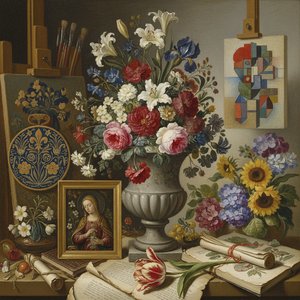
Blossoming Symbolism: A Historical Journey Through Flowers in Western Painting
Explore the rich history of flower symbolism in Western painting! Discover how artists from the Renaissance to Modernism used blossoms to convey meaning, emotion & beauty. Learn about iconic artworks and movements.

Impressionism's Masterpieces: 10 Paintings That Defined a Movement | OriginalUniqueArt
Journey through Impressionism's heart with 10 iconic paintings by Monet, Renoir & Degas. Explore light, color & the stories behind these masterpieces. Find museum-quality art reproductions and elevate your home decor on OriginalUniqueArt.com.

Silent Narratives: Exploring the Enduring Appeal of Still Life Painting Across Centuries
Explore the rich history of still life painting with OriginalUniqueArt. Discover Dutch Masters, decode vanitas symbolism & learn about collecting timeless art. Expert insights and museum-quality reproductions.

Paul Cézanne: 25 Remek-dela Revolucionarnog Umjetnika | OriginalUniqueArt
Istražite 25 remek-dela Paula Cézanna, revolucionarnog slikara impresionizma i postimpresionizma. Otkrijte priče iza ikoničnih pejzaža, portreta i mrtve prirode. Kupite luksuzne reprodukcije slika na OriginalUniqueArt.com!