
 Pregledaj u prostoru
 Pošalji
 Podeli
 Detalji o delu
 Vodič
Vodič

 Preuzmi
 Slični predmeti
 Rendgenski snimak
 Automatska prezentacija
 Q&A
Q&A Statistika
Still Life with Gladioli


 Pročitaj više
Giclee štampa / Umetnički otisak
Giclée štampa ili print na platnu muzejskog kvaliteta uz brzu izradu i raznovrsne opcije završne obrade. ( Kupite ručno oslikano delo Pređi na digitalnu sliku)




P118B дин10

P118H дин10

P118W дин10

P438Z дин10

P508JH дин12

P508YH дин12

P805H дин10

P805Z дин10

P919BZ дин10

P919G дин10

P919XJ дин10

P959ZH дин10

P968JZ дин12

W106C дин8

W218G дин10

W218JH дин8

W218Y дин10

W307PJ дин10

W316G дин10

W316PJ дин8

W316Y дин10

W398PJ дин8

W4111J дин10

W500HY дин15

W500JH дин15

W692G дин12

W849H дин8

W940BG дин15

W953PJ дин8




Izaberite jednu od naših unapred definisanih veličina koje odgovaraju originalnim proporcijama umetničkog dela.

Unesite željenu širinu i visinu kako bi se štampa uklopila u vaš ram ili zid. Štampu je moguće samo iseći, ali nikada povećati iznad dimenzija originalne slike, stoga format sa drugačijim proporcijama uzrokuje gubitak dela slike. Pre početka štampe, poslaćemo vam digitalni prikaz radi potvrde. Slika prikazana na ovoj stranici ne predstavlja stvarni isrez — to pokazuje samo digitalni prikaz.
Dostava širom sveta () za 2 nedelje umesto uobičajenih 4/5 nedelja. (1 новембар)

Besplatna ekspresna dostava širom sveta

Visokokvalitetno laneno platno

Potpuno osiguranje transporta

Garancija povraćaja carine i uvoznih dažbina

Garancija vernosti boja

Politika povraćaja u roku od 100 dana (samo u slučaju nedostataka)

Garancija povrata 100% novca

Popust na više proizvoda
 Opcija sa staklom dostupna je samo za dimenzije manje od 110 cm

Still Life with Gladioli
Giclee štampa / Umetnički otisak
Dimenzije reprodukcije
-


Ukupna cena
дин 8334
A Moment Frozen in Time: Exploring the Elegance of Vallotton’s Still Life
Félix Vallotton's "Still Life with Gladioli" (1924) isn’t merely a depiction of flowers and a book; it’s a carefully constructed tableau, a distilled essence of late 19th-century Parisian aesthetics. The painting immediately draws the eye into its intimate space – a small, shadowed room dominated by the vibrant hues of gladioli and the rich red of a draped cloth. Vallotton masterfully employs a muted palette, relying on subtle gradations of color and carefully placed highlights to create an atmosphere of quiet contemplation. The composition is deceptively simple: a vase overflowing with pink and crimson blossoms sits atop a table beside a book, yet within this apparent stillness lies a complex interplay of light, shadow, and implied narrative.
Vallotton’s style during this period – often categorized as Nabis or Post-Impressionist – is characterized by an almost photographic realism combined with a deliberate rejection of overt emotionalism. He wasn't interested in grand gestures or dramatic displays; instead, he sought to capture the fleeting beauty of everyday objects and moments with remarkable precision. His technique involved layering thin washes of paint, building up color gradually to achieve a velvety texture and a luminous quality. Notice how the light seems to emanate from an unseen source, bathing the scene in a soft, diffused glow – a hallmark of Vallotton’s approach.
The Fin de Siècle and the Intimate Interior
To understand "Still Life with Gladioli," it's crucial to situate it within the context of the *fin de siècle*—the late 19th century. This was a period of profound social, political, and artistic upheaval in Europe, marked by anxieties about modernity, rapid industrialization, and the decline of traditional values. Artists like Vallotton responded to these uncertainties by turning inward, exploring themes of domesticity, intimacy, and the ephemeral nature of beauty. The painting reflects this trend – a retreat from the external world into the quiet sanctuary of the home.
Vallotton’s fascination with interiors is evident in many of his works during this time, particularly the “Intimités” series. These paintings often depict scenes of domestic life—a couple sharing a meal, a woman reading, or a man and woman engaged in a charged exchange – presented without explicit narrative. The ambiguity invites viewers to project their own interpretations onto the scene, creating a deeply personal connection with the artwork. The inclusion of the book suggests a moment of respite, perhaps a shared intellectual pursuit or a private reflection.
Symbolism and the Language of Flowers
Beyond its formal qualities, "Still Life with Gladioli" is rich in symbolism. The gladioli themselves are potent emblems of remembrance and mourning – their vibrant color often associated with funerals and cemeteries. Their presence here could be interpreted as a subtle acknowledgment of mortality or perhaps a celebration of life’s fleeting beauty. The red cloth, draped over the table, adds to this sense of solemnity, while simultaneously hinting at luxury and indulgence. The muted tones throughout the painting create a feeling of melancholy, suggesting that even in moments of apparent tranquility, there is an underlying current of sadness or longing.
A Legacy of Quiet Elegance
Félix Vallotton’s “Still Life with Gladioli” stands as a testament to his remarkable ability to capture the essence of beauty and emotion within seemingly simple forms. It's a painting that rewards careful observation, inviting viewers to linger over its subtle details and contemplate its layered meanings. Reproductions of this work offer a chance to bring this moment of quiet elegance into your own space, serving as a reminder of the enduring power of art to evoke feeling and inspire reflection. The piece’s continued appeal lies in its ability to resonate with our deepest human experiences – our appreciation for beauty, our awareness of mortality, and our longing for connection.
Pitanja i odgovori
Da li je moguće pogledati "Still Life with Gladioli" u proširenoj stvarnosti?
„Still Life with Gladioli“ ima pregled proširene stvarnosti: na stranici AR prikaz možete videti umetničko delo u sopstvenom prostoru pomoću kompatibilnog uređaja.
Gde i kako se preporučuje postaviti „Still Life with Gladioli”, autor Феликс Валотон?
„Still Life with Gladioli“ je predloženo za Reflective, a preporučeni prostor je Living Room.
Koliko su intenzivne boje u delu „Still Life with Gladioli”, autor Феликс Валотон?
Boje u delu „Still Life with Gladioli”, autor Феликс Валотон imaju Balanced intenzitet.
Biografija umetnika
Живот на прелазу епоха: Феликс Валотон и крај века
Феликс Едуард Валотон, рођен у Лозани, Швајцарска 1865. године, био је уметник чији рад оличава сложен дух *фина де сијекла*. Кретао се путем између свог швајцарског порекла и живописне уметничке средине Париза, постајући кључна фигура у развоју модерне уметности. Његов рани живот, потопљен у конзервативне протестантске вредности породице – отац апотекар, касније произвођач чоколаде – пружио је оштар контраст боемском свету који ће прихватити као уметник. Иако је првобитно усмерен на класичне студије на Колеџу Кантонал, Валотонова страст за визуелним изразом довела га је у Париз 1882. године, где се уписао на Академију Жилијан. Ово није обележило само географску промену већ и дубоку трансформацију перспективе, уронивши га у срце уметничке иновације и интелектуалне ферментације. Његова академска обука пружила је чврсту основу у техници, али су му сусрети са новим авангардним круговима заправо запалили његову креативну трајекторију.Набисти и језик интимности
Валотонова уметничка еволуција преокренула се када је 1892. године постао повезан са *Ле Наби* – групом младих уметника укључујући Пјера Бонара, Едуарда Вилара и Мориса Денија. Иако га често сматрају неким спољашњим чланом групе, његова припадност се показала кључном за обликовање његовог карактеристичног стила. Набисти су покушали да уметности унесу духовни квалитет, истражујући симболизам и декоративну естетику. Валотон је апсорбовао ове утицаје, али их је филтрирао кроз своју јединствену осетљивост, карактерисану хладним одређењем и неустрашивом реалистичношћу. Ово се најмоћније изражава у његовом низу дрвореза, посебно *Интимите* (1898). Десет унутрашњих сцена су изузетне по свом психолошком интензитету, приказујући наелектрисане сусрете мушкараца и жена са узнемиравајућом искреношћу. Нису нарације о романси или страсти већ истраживања тензије, динамике моћи и скривених компликованости у кућном животу. Оштри контрасти црно-беле боје у његовим дрворезима – намерна махање јапанским *укијо-е* отисцима – повећавају осећај нелагодности и психолошке критике.Мастер дрвореза и нијанси сликарства
Валотонова вештина се протезала даље од царства сликања; широко је слављен као врхунски мајстор дрвореза, оживљавајући медиј својим иновативним техникама. Прихватио је једноставност и директност форме, користећи смеле линије и оштре контрасте да створи слике које су биле визуелно запањујуће и емотивно резонантно. Његове отиске нису били само илустрације већ независна уметничка дела, често сатиричне природе, коментаришући друштвене конвенције и политичка питања. Истовремено је Валотон наставио да развија свој сликарски стил, удаљавајући се од чистог академског приступа ка личном изразу. Вешто је балансирао реализам са суптилним симболичким нијансама, стварајући портрете, пејзаже и мртве природе који поседују загонетну квалитету. Његове касније слике демонстрирају рафинирану технику, карактерисану пажљиво модулираним бојама и прецизним рендерирањем облика. Често је сликао *пајзаже композе* (“компоноване пејзаже”), конструисане из сећања и посматрања, прожете осећајем тишине и меланхолије.Наслеђе и трајан утицај
Утицај Феликса Валотона одразио се током раног 20. века, утичући на различите уметнике као што су Едвард Мунх и Ернст Лудвиг Кирхнер. Његов неустрашиви поглед, истраживање психолошких тема и иновативна употреба техника штампања отвориле су пут новим уметничким изразима. Умро је у Паризу 1925. године, оставивши за собом корпус дела који наставља да очарава и изазива гледаоце данас. Његова уметност служи као елоквентан одраз анксиозности и противречности *фина де сијекла*, нудећи увид у свет на прагу дубоких промена. Валотоново наслеђе лежи не само у његовој техничкој бриљиантности, већ и у његовој способности да искрено, интелигентно и са трајним осећајем мистерије заухвати сложеност људског искуства. Остаје убедљива фигура – швајцарски уметник који је пронашао свој глас у Паризу, повезујући традицију и модерност, реализам и симболизам, остављајући неизбрисив траг на историји уметности.
Феликс Валотон
1865 - 1925 , Швајцарска
Osnovne informacije
- Artistic Movement Or Style: Postimpresionizam, Simbolizam
- Artists Or Movements Influenced By This Artist:
- Edvard Munch
- Aubrey Beardsley
- Ernst Kirchner
- Artists Who Influenced This Artist:
- Holbein
- Ingres
- Japanski drvorezi
- Date Of Birth: 28. decembar 1865.
- Date Of Death: 29. decembar 1925.
- Full Name: Félix Édouard Vallotton
- Nationality: Švajcarac/Francuz
- Notable Artworks:
- Intimnosti
- Bathers on a summer evening
- Moonlight
- Place Of Birth: Lausanne, Švajcarska
Povezani članci

Silent Narratives: Exploring the Enduring Appeal of Still Life Painting Across Centuries
Explore the rich history of still life painting with OriginalUniqueArt. Discover Dutch Masters, decode vanitas symbolism & learn about collecting timeless art. Expert insights and museum-quality reproductions.
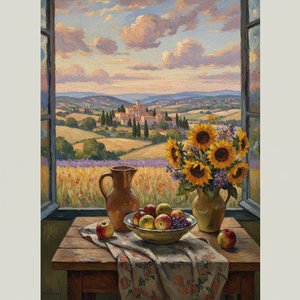
Bernard Cathelin: A Poetic Realist's Exploration of Still Life and the French Landscape
Explore the captivating world of Bernard Cathelin, a master of French Poetic Realism. Discover his stunning still lifes & landscapes, and learn about his legacy with OriginalUniqueArt.
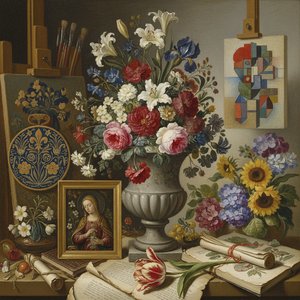
Blossoming Symbolism: A Historical Journey Through Flowers in Western Painting
Explore the rich history of flower symbolism in Western painting! Discover how artists from the Renaissance to Modernism used blossoms to convey meaning, emotion & beauty. Learn about iconic artworks and movements.
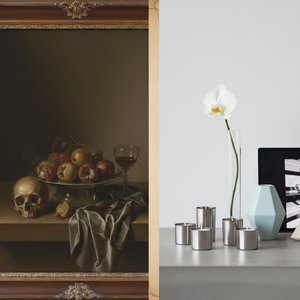
The Enduring Appeal of Still Life: A Historical & Contemporary Exploration
Explore the rich history & symbolism of still life painting with OriginalUniqueArt. Discover masterpieces from the Dutch Golden Age, learn about vanitas art, and find expert guidance for collecting timeless artworks.

Blossoms of Time: A Historical Journey Through Flower Painting
Explore the captivating history of flower painting! Discover Dutch masters, symbolic meanings, & botanical art. Expert insights & high-quality reproductions at OriginalUniqueArt.

