
 Pregledaj u prostoru
 Pošalji
 Podeli
 Detalji o delu

 Преузми
 Slični predmeti
 Rendgenski snimak
 Slajdovi
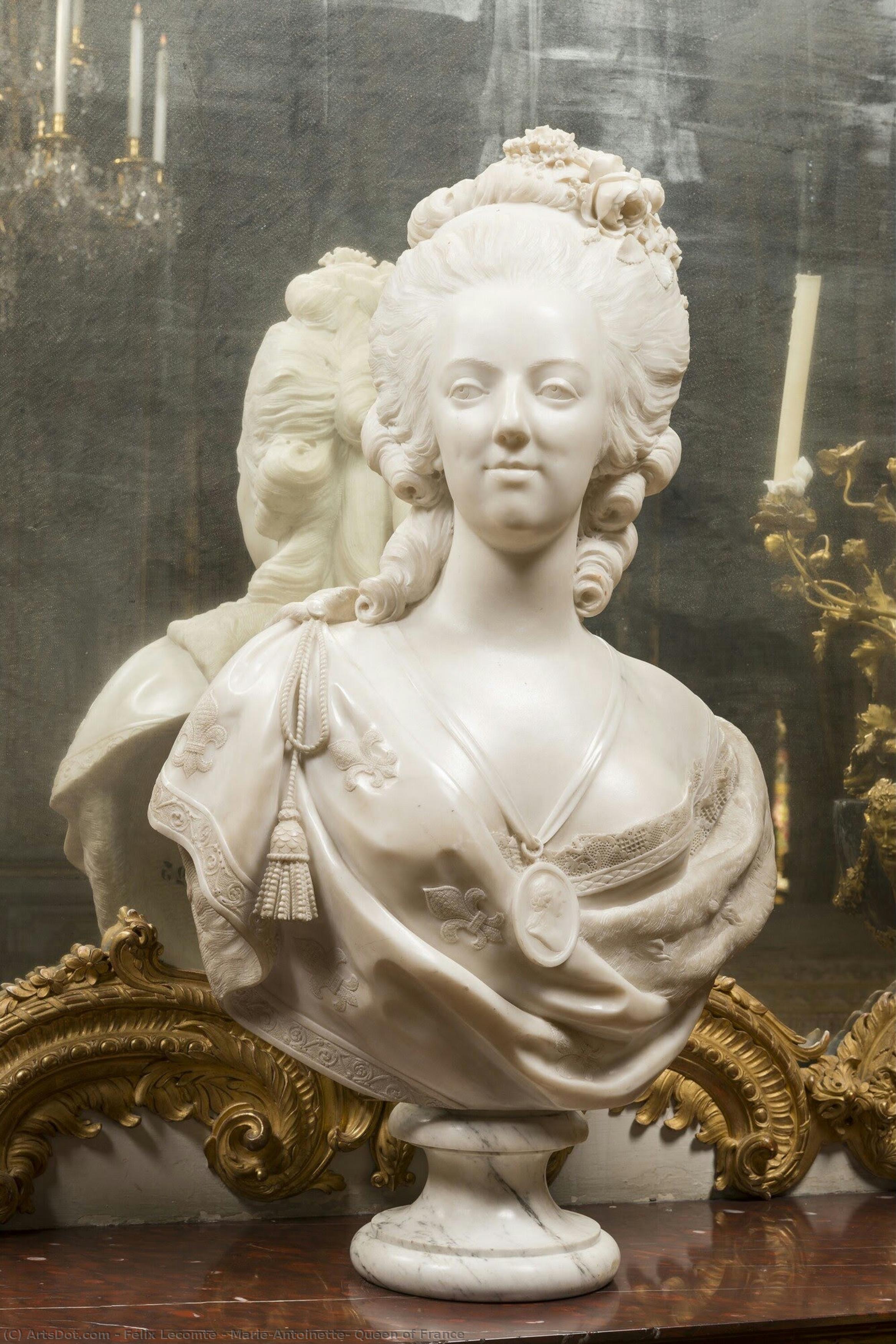
Марија Антонијата, Царица Француска
 Akril na platnu
- Umetnost za zidove
- Neoclassical Style
 1783
1783 84.0 x 48.0 cm
 Šato Versaj
 Pročitaj više
Giclee štampa / Umetnički otisak
Giclée štampa ili print na platnu muzejskog kvaliteta uz brzu proizvodnju i fleksibilne opcije završne obrade. ( Pređite na ručno oslikano umetničko delo Prebacite na sliku)




P118B $10

P118H $10

P118W $10

P438Z $10

P508JH $12

P508YH $12

P805H $10

P805Z $10

P919BZ $10

P919G $10

P919XJ $10

P959ZH $10

P968JZ $12

W106C $8

W218G $10

W218JH $8

W218Y $10

W307PJ $10

W316G $10

W316PJ $8

W316Y $10

W398PJ $8

W4111J $10

W500HY $15

W500JH $15

W692G $12

W849H $8

W940BG $15

W953PJ $8




Izaberite jednu od naših unapred definisanih veličina koje odgovaraju originalnim proporcijama umetničkog dela.

Možete uneti sopstvene dimenzije kako biste umetničko delo prilagodili specifičnom okviru ili prostoru. Ako odabrani format ne odgovara proporcijama originalne slike, mi ćemo ili iscrtati deo dela ili proširiti sliku pomoću ogledane ivice ili jednobojnog popunjavanja. Digitalni prikaz će vam biti poslat na odobrenje pre početka proizvodnje.
Imajte na umu da pregled na ekranu ne odražava stvarno iscrtavanje ili proširivanje. Samo će prikaz (mockup) precizno pokazati finalnu kompoziciju.
Iako su prilagođene dimenzije dostupne, preporučujemo da odaberete dimenziju sa unapred definisane liste kako biste očuvali originalne proporcije.
Dostava širom sveta () za 2 nedelje umesto uobičajenih 4/5 nedelja. (8 август)

Besplatna ekspresna dostava širom sveta

Visokokvalitetno laneno platno

Kompletno osiguranje transporta

Garancija povraćaja carine i uvoznih dažbina

Garancija vernosti boja

Politika povrata u roku od 60 dana (samo u slučaju nedostataka)

Garancija povrata novca od 100%

Popust pri grupnoj kupovini
 Opcija sa staklom dostupna je samo za dimenzije manje od 110 cm

Марија Антонијата, Царица Француска
Giclee štampa / Umetnički otisak
Dimenzije reprodukcije
-


Konačna cena
$ 80
Opis predmeta
Marie Antoinette: A Portrait of Regal Dignity
Félix Lecomte’s depiction of Marie Antoinette remains an enduring emblem of Rococo grandeur and aristocratic elegance—a testament to the sculptor's mastery in capturing not merely likeness but also the very essence of royal composure. Executed in 1783 during the height of Louis XVI’s reign, this monumental marble sculpture transcends mere representation; it embodies a carefully constructed narrative of power, piety, and feminine grace. The artwork was showcased at the Salon of that year, cementing Lecomte's reputation as one of the foremost artists of his era.- Subject Matter: The portrait portrays Marie Antoinette seated in regal splendor, embodying the idealized image of a queen—a figure revered for her beauty and piety.
- Style: Characteristic of the Rococo movement, Lecomte’s sculpture prioritizes ornamentation and curvilinear forms, reflecting the prevailing aesthetic sensibilities of the time. The drapery is voluminous and flowing, creating an atmosphere of luxurious softness.
- Technique: Lecomte skillfully employed Carrara marble—renowned for its purity and translucency—to achieve remarkable detail and luminosity. His meticulous carving ensures that every fold of fabric and embellishment on the royal mantle conveys a palpable sense of texture and depth.
Historical Context: Versailles and the Reign of Louis XVI
The sculpture’s genesis is inextricably linked to Versailles, the opulent palace complex serving as the epicenter of French aristocratic life under Louis XVI. At twenty-eight years old, Marie Antoinette was navigating the complexities of royal marriage and motherhood—a position fraught with political pressures and societal expectations. Lecomte's portrayal seeks to elevate her image beyond mere femininity, presenting her as a symbol of stability and divine grace amidst turbulent times. The Salon of 1783 coincided with growing discontent amongst the populace regarding Louis XVI’s rule and Marie Antoinette’s perceived extravagance—a context that underscores the sculpture’s significance as an aspirational reflection of royal authority.- Symbolism: The draped mantle adorned with fleur-de-lis—the emblem of French monarchy—represents royal legitimacy and divine right.
- Color Palette: Primarily white marble, Lecomte utilized subtle tonal variations to enhance the sculpture’s luminosity and create an illusion of depth.
- Composition: The sculptor skillfully positioned Marie Antoinette in a posture conveying serenity and dignity—a deliberate choice intended to convey confidence and composure.
Emotional Impact: A Window into Royal Idealism
Lecomte's masterpiece transcends the limitations of mere visual representation, inviting viewers to contemplate the idealized vision of monarchy prevalent during the Enlightenment. The sculpture’s serene countenance and graceful posture evoke a sense of timeless beauty—a reminder of a bygone era characterized by aristocratic splendor and unwavering faith. It serves as an enduring symbol of royal dignity and artistic excellence—a testament to Lecomte's ability to capture not just appearance but also the profound emotional resonance inherent in portraying a figure of immense cultural importance. The sculpture continues to inspire admiration for its technical prowess and its evocative portrayal of regal composure, cementing Félix Lecomte’s legacy as one of France’s most celebrated sculptors.Biografija umetnika
The Sculptor of Myth and Majesty
Félix Lecomte, a name that resonates with the quiet dignity of late 18th-century French artistry, stands as a profound figure in the evolution of European sculpture. Born in the vibrant heart of Paris in 1737, Lecomte’s life unfolded during an era of immense cultural transition, where the exuberant flourishes of the Rococo period began to yield to the disciplined, rational clarity of Neoclassicism. His journey was one of deep-rooted tradition and rigorous academic pursuit, shaped by a lineage of craftsmanship and a lifelong devotion to the classical ideals that sought to revive the grandeur of antiquity. Through his hands, cold marble and bronze were transformed into breathing narratives of myth, history, and human emotion.
The foundations of Lecomte’s mastery were laid through a unique blend of familial mentorship and institutional excellence. His early development was guided by the tutelage of his namesake and mentor, also Félix Lecomte, a connection that provided him with an intimate understanding of the sculptor's craft from a young age. This early immersion in the technical nuances of marble carving and anatomical precision prepared him for the rigors of the École des Beaux-Arts de Paris. It was here that his talent truly began to crystallize, leading to his most significant early triumph: winning the prestigious Prix de Rome in 1758. This scholarship served as a transformative gateway, transporting him to the eternal city of Rome, where the physical remnants of classical civilization acted as both his classroom and his greatest inspiration.
A Mastery of Form and Narrative
Lecomte’s body of work is characterized by an extraordinary versatility that allowed him to navigate between the intimate and the epic. While he was equally adept at capturing the delicate nuances of portraiture—rendering the likenesses of the era's nobility with a sensitive touch—he found his most profound expression in the dramatic reinterpretation of classical mythology. His sculptures often possess a theatrical vitality, where every sinew, fold of drapery, and expressive gesture is calculated to evoke a sense of movement and psychological depth. In works such as Oedipus et Phorbas, one can witness his ability to weave complex mythological tension into static stone, creating a sense of suspended animation that captivates the viewer.
The technical brilliance of Lecomte’s oeuvre lies in his meticulous attention to detail and his command over light and shadow. His approach to sculpture was not merely about replicating form, but about capturing the essence of the subject's spirit. This is evident in several key aspects of his technique:
- Anatomical Precision: A profound understanding of human musculature that lends a lifelike quality to his mythological figures.
- Textural Contrast: The ability to differentiate between the softness of skin, the weight of heavy fabrics, and the cold hardness of armor within a single composition.
- Dynamic Composition: The use of sweeping lines and dramatic poses to guide the eye through complex narrative scenes.
Legacy and Historical Significance
As the 18th century drew to a close, Lecomte’s role in the artistic landscape became increasingly pivotal. He acted as a vital bridge between two worlds, maintaining the decorative elegance of the previous century while embracing the emerging Neoclassical emphasis on order, reason, and moral gravity. His ability to synthesize these opposing aesthetics allowed his work to remain relevant during a period of intense political and social upheaval in France. By grounding his contemporary sensibilities in the timeless language of Greek and Roman myth, he contributed to a visual vocabulary that would influence generations of sculptors to follow.
Today, the legacy of Félix Lecomte is found in the enduring power of his compositions. He remains a testament to the era of the great masters, an artist who could command the monumental scale of history while never losing sight of the delicate human truth. His contributions to French sculpture helped define the aesthetic transition of his age, ensuring that the grandeur of the past would continue to inform the artistic innovations of the future.

félix lecomte
1737 - 1817 , France
Osnovne informacije
- Artistic Movement Or Style: Rococo
- Artists Or Movements Influenced By This Artist: ['Lecomte']
- Artists Who Influenced This Artist:
- Falconet
- Vassé
- Date Of Birth: January 16, 1737
- Date Of Death: November 18, 1817
- Full Name: Félix Lecomte
- Nationality: French
- Notable Artworks:
- Œdipe et Phorbas
- Marie Antoinette
- Place Of Birth: Paris, France
Povezani članci

Bronze Sculptures That Defined Art History | OriginalUniqueArt
Journey through art history with our Top 10 bronze sculptures! Explore masterpieces by Rodin, Michelangelo & more. Discover stories behind iconic statues and find museum-quality reproductions for your home decor at OriginalUniqueArt.com.

Bronze Age to Modern Masters: 10 Sculptures That Redefined Art | OriginalUniqueArt
Journey through art history with 10 legendary bronze sculptures – from Michelangelo's David to Rodin’s Thinker. Explore the stories, techniques & timeless beauty of these masterpieces. Find museum-quality reproductions & elevate your home decor on OriginalUniqueArt.com.

The Enduring Form: Exploring Themes & Techniques in Sculpture Across Historical Periods
Explore the rich history of sculpture from ancient masterpieces to contemporary innovations. Discover key techniques, influential artists & investment potential for discerning art collectors.
The Enduring Form: Sculpture Across History, Technique & Emotional Resonance
Explore the rich history of sculpture with OriginalUniqueArt. Discover key techniques, influential artists & investment potential for discerning collectors. Expert insights into valuing and collecting timeless masterpieces.

The Enduring Legacy of Bronze Sculpture: A Collector's Guide to Form & Cultural Significance
Explore the rich history & enduring appeal of bronze sculpture with expert insights for collectors at OriginalUniqueArt. Learn about casting techniques, iconic artists, and collecting tips to build a discerning art collection.


