

 Pregledaj u prostoru
 Pošalji
 Podeli
 Detalji o delu

 Преузми
 Slični predmeti
 Rendgenski snimak
 Slajdovi
 Statistika
Still-Life
 Oil On Panel
- WallArt
- Baroque
 1607
1607- Early Modern
 31.0 x 42.0 cm
 Metropolitan Museum of Art
 Pročitaj više
Ručno rađena uljana reprodukcija
Ručno oslikano uljanim bojama na platnu u dimenzijama i okviru po vašem izboru, izrađeno po porudžbini od strane naših umetnika. ( Pređi na štampu Pređi na digitalnu sliku)




P118B $10

P118H $10

P118W $10

P438Z $10

P508JH $12

P508YH $12

P805H $10

P805Z $10

P919BZ $10

P919G $10

P919XJ $10

P959ZH $10

P968JZ $12

W106C $8

W218G $10

W218JH $8

W218Y $10

W307PJ $10

W316G $10

W316PJ $8

W316Y $10

W398PJ $8

W4111J $10

W500HY $15

W500JH $15

W692G $12

W849H $8

W940BG $15

W953PJ $8




Izaberite jednu od naših unapred definisanih veličina koje odgovaraju originalnim proporcijama umetničkog dela.

Можете унети сопствене димензије како бисте прилагодили дело одређеном оквиру или простору. Ако одабрана величина не одговара пропорцијама оригинала, слика ће бити исечена или проширена додатним елементима који се ручно насликавају. Дигитални prikaz ће вам бити послат на одобрење пре почетка производње.
Имајте на уму да преглед на екрану не одражава стварно исецање или проширење. Само приказ (mockup) ће тачно приказати коначну композицију.
Иако су доступне прилагођене величине, препоручујемо да одаберете димензију из дефинисане листе како бисте сачували оригиналне пропорције.
Nakon narudžbine, tim OriginalUniqueArt.com će klijentu putem e-pošte poslati uputstva i dostaviti prikaz predloženog rešenja
Isporuka širom sveta () za 3/4 nedelje umesto uobičajenih 5 nedelja. (16 септембар). Bez kompromisa po pitanju kvaliteta.

Besplatna ekspresna dostava širom sveta

Visokokvalitetno laneno platno

Kompletno osiguranje transporta

Garancija povraćaja carine i uvoznih dažbina

Garancija vernosti boja

Politika povraćaja u roku od 100 dana (isključivo u slučaju nedostataka)

Garancija povrata novca od 100%

Popust pri grupnoj kupovini
 Opcija sa staklom dostupna je samo za dimenzije manje od 110 cm

Still-Life
Tehnika reprodukcije
Dimenzije reprodukcije
-


Konačna cena
$ 300
A Symphony of Stillness: The Luminous World of Fede Galizia
In the quiet corners of the early seventeenth century, amidst the burgeoning dramatic shifts of the Italian Baroque, a singular voice emerged from Milan to redefine the boundaries of the inanimate. Fede Galizia, a pioneer whose name resonates with both strength and delicacy, possessed an uncanny ability to breathe life into the silent subjects of her canvas. Her 1607 masterpiece, Still-Life, serves as a breathtaking testament to this mastery. At first glance, the viewer is greeted by a composition that feels both intimate and monumental. A central bowl, brimming with the soft, sun-kissed hues of peaches, acts as the heart of the work, anchored upon a table draped in a deep, somber cloth. This dark foundation does not merely provide support; it creates a stage of profound depth, allowing the vibrant colors of the fruit and the ethereal blue of scattered flowers to emerge with startling clarity.
The artistry of Galizia lies in her meticulous command over texture and light. As one gazes upon the arrangement, the eye is led on a sensory journey across the varied surfaces of the composition. There is the velvety skin of the peaches, the crisp, waxy sheen of apples ranging from verdant green to deep crimson, and the startlingly realistic detail of fruit that has been sliced open. These incisions reveal the succulent, pale flesh and tiny seeds within, a technique that invites the viewer to almost taste the sweetness and sense the moisture of the harvest. This level of naturalism, achieved through delicate oil glazes on panel, demonstrates a technical precision inherited from her father’s miniaturist tradition, yet infused with a new, Baroque vitality that captures the fleeting essence of life itself.
Symbolism and the Beauty of the Ephemeral
Beyond its surface beauty, Galizia’s work is steeped in the subtle language of the era. In the context of the early 1600s, a still life was rarely just a collection of objects; it was a meditation on existence. The presence of ripe fruit, at the very peak of its perfection, carries an inherent tension between abundance and decay. By depicting the fruit in such pristine detail—yet including elements like the cut apple—Galizia touches upon the vanitas tradition, reminding the observer of the transient nature of time and the inevitable passage of seasons. The scattered blue flowers add a layer of poetic grace, their delicate petals contrasting with the solid weight of the fruit, further emphasizing the balance between the enduring and the ephemeral.
For the modern collector or interior designer, this painting offers much more than historical significance; it provides an emotional anchor for a space. The composition’s balanced symmetry and its sophisticated use of chiaroscuro—the dramatic interplay of light and shadow—make it a versatile piece for high-end curation. Whether placed in a sunlit gallery or a moody, contemporary study, a reproduction of this work brings a sense of timeless elegance and intellectual depth. It is an invitation to slow down, to observe the extraordinary beauty found in the ordinary, and to surround oneself with a piece of history that celebrates the quiet, enduring splendor of the natural world.
Biografija umetnika
A Quiet Pioneer of Still Life
Fede Galizia (c. 1578 – c. 1630) stands as a remarkable figure in the Italian Renaissance, particularly celebrated for her contributions to the burgeoning genre of still life painting—a field where she bravely ventured into uncharted artistic territory. Born in Milan, likely around 1578, Galizia’s artistic journey began under the tutelage of her father, Nunzio Galizia, a skilled miniaturist who instilled in her a meticulous attention to detail and an appreciation for capturing naturalistic beauty. Even at the tender age of twelve, Galizia demonstrated considerable talent, earning recognition from Gian Paolo Lomazzo, a prominent painter and art theorist whose observations underscored the importance of familial artistic heritage.
Galizia’s early life was marked by immersion in the artistic traditions of her time. Her father's influence extended beyond mere instruction; it fostered within her an instinctive understanding of how to㜿translate observation into evocative visual representations. This dedication culminated in her ability to depict subjects with remarkable realism, notably incorporating intricate details like jewelry and clothing—a characteristic that quickly established her as a highly sought-after portrait painter amongst Milanese patrons. Frequently commissioned to portray both religious and secular themes, Galizia’s artistic versatility showcased her adaptability to diverse stylistic demands.
Mastery of Light and Form
As her career progressed, Galizia moved beyond the confines of portraiture to become a foundational architect of the still life genre. Her work represents a fascinating bridge between the structured precision of Mannerism and the dramatic, emotive light of the emerging Baroque period. In her celebrated compositions, such as her 1607 and 1610 works, she mastered the art of presenting vibrant fruit and delicate flowers against deep, dark backgrounds. This technique created a profound sense of depth and presence, allowing each element—a glistening grape, a textured peach, or a wilting petal—to emerge from the shadows with startling clarity.
Her ability to manipulate light was not merely a technical feat but a narrative tool. By focusing on the tactile qualities of her subjects, she invited viewers into a sensory experience that celebrated the ephemeral beauty of the natural world. This mastery is particularly evident in her ability to blend Mannerist precision with Baroque luminosity, creating works that feel both mathematically balanced and emotionally resonant.
Legacy and Historical Significance
The historical significance of Fede Galizia lies in her role as a trailblazer for female artists and a pioneer of a new way of seeing. While many of her contemporaries focused on grand historical or religious narratives, Galizia found profound meaning in the quiet, often overlooked details of everyday existence. Her 1596 rendition of Judith with the Head of Holofernes—now housed at the Ringling Museum of Art—serves as a testament to her command over dramatic composition and the intense psychological weight achievable through still life elements.
Through her meticulous craftsmanship, Galizia left an indelible mark on the Milanese art scene and the broader trajectory of European painting. Her contributions can be summarized by several key artistic milestones:
- Pioneering Still Life: She was one of the first Italian artists to elevate the depiction of inanimate objects to a high art form.
- Technical Versatility: Her transition from a skilled miniaturist and portraitist to a master of complex fruit and floral compositions.
- Stylistic Synthesis: The seamless integration of late Renaissance Mannerism with the burgeoning Baroque aesthetic.
- Cultural Impact: Establishing a lasting legacy for female painters within the rigorous artistic hierarchies of the 16th and 17th centuries.
Today, Galizia is remembered not just as a talented daughter of a miniaturist, but as a visionary who found the infinite within the infinitesimal, turning simple botanical subjects into enduring masterpieces of Italian art.

Fede Galizia
1578 - 1630 , Italy
Osnovne informacije
- Artistic Movement Or Style: Renaissance
- Artists Or Movements Influenced By This Artist: ['Angelica']
- Artists Who Influenced This Artist: ['Nunzio Galizia']
- Date Of Birth: Milan, Italy (c. 1578)
- Date Of Death: Milan, Italy (c. 1630)
- Full Name: Fede Galizia
- Nationality: Italian
- Notable Artworks:
- Judith and Holofernes
- Paolo Morigia
- Place Of Birth: Milan
Povezani članci

Barok Majstor dela: Top 10 Umjetničkih Remeka za Vaš Dom
Otkrijte 10 remek dela koja su definisala baroknu umetnost! Karavagio, Bernini i više – istražite priče iza ovih ikoničnih slika. Inspiracija za vaš dom? Pogledajte kolekciju na OriginalUniqueArt.com!
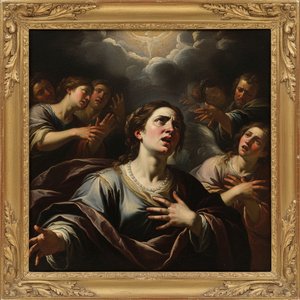
Chiaroscuro and Soul: A Definitive Guide to the Drama and Emotion of Italian Baroque Masterpieces
Embark on a sophisticated journey through Italian Baroque art. Discover the dramatic interplay of light and emotion in Caravaggio’s masterpieces and explore how to bring this timeless grandeur into your collection with expert art insights.

Барокна драма: Уношење величине и емоција у савремене ентеријере
Откријте барокну драму и унесите величину у ваш ентеријер! OriginalUniqueArt нуди ручно насликане репродукције, персонализоване портрете и стручне консултације за љубитеље класичне уметности. Потражите савршено дело већ данас!

Italian Baroque Unlocked: High-Drama Art That Hits Hard
Dive into the high-drama world of Italian Baroque art. Discover how chiaroscuro, intense emotion, and theatrical lighting redefined aesthetics. Explore the visceral power of the Counter-Reformation through a modern lens with expert insights from OriginalUniqueArt.com.

The Enduring Legacy of Oil on Canvas: Technique, History & Aesthetic Impact
Explore the rich history & techniques of oil painting – from Renaissance masters to Impressionism. Discover pigments, layering methods, and why this timeless medium endures. Expert insights for artists & art enthusiasts.