
 Pregledaj u prostoru
 Pošalji
 Podeli
 Detalji o delu
 Vodič
Vodič

 Preuzmi
 Slični predmeti
 Rendgenski snimak
 Automatska prezentacija
 Pitanja i odgovori
 Statistika
Beach at Low Tide

- 124.0 x 168.0 cm


 Pročitaj više
Giclee štampa / Umetnički otisak
Giclée štampa ili print na platnu muzejskog kvaliteta uz brzu izradu i raznovrsne opcije završne obrade. ( Kupite ručno oslikano delo Pređi na digitalnu sliku)




P118B дин10

P118H дин10

P118W дин10

P438Z дин10

P508JH дин12

P508YH дин12

P805H дин10

P805Z дин10

P919BZ дин10

P919G дин10

P919XJ дин10

P959ZH дин10

P968JZ дин12

W106C дин8

W218G дин10

W218JH дин8

W218Y дин10

W307PJ дин10

W316G дин10

W316PJ дин8

W316Y дин10

W398PJ дин8

W4111J дин10

W500HY дин15

W500JH дин15

W692G дин12

W849H дин8

W940BG дин15

W953PJ дин8




Izaberite jednu od naših unapred definisanih veličina koje odgovaraju originalnim proporcijama umetničkog dela.

Unesite željenu širinu i visinu kako bi se štampa uklopila u vaš ram ili zid. Štampu je moguće samo iseći, ali nikada povećati iznad dimenzija originalne slike, stoga format sa drugačijim proporcijama uzrokuje gubitak dela slike. Pre početka štampe, poslaćemo vam digitalni prikaz radi potvrde. Slika prikazana na ovoj stranici ne predstavlja stvarni isrez — to pokazuje samo digitalni prikaz.
Dostava širom sveta () za 2 nedelje umesto uobičajenih 4/5 nedelja. (9 новембар)

Besplatna ekspresna dostava širom sveta

Visokokvalitetno laneno platno

Potpuno osiguranje transporta

Garancija povraćaja carine i uvoznih dažbina

Garancija vernosti boja

Politika povraćaja u roku od 100 dana (samo u slučaju nedostataka)

Garancija povrata 100% novca

Popust na više proizvoda
 Opcija sa staklom dostupna je samo za dimenzije manje od 110 cm

Beach at Low Tide
Giclee štampa / Umetnički otisak
Dimenzije reprodukcije
-


Ukupna cena
дин 8485
A Bleak Beauty: Eugène Isabey’s “Beach at Low Tide”
Eugène Louis Gabriel Isabey's "Beach at Low Tide," painted in 1833, isn’t merely a depiction of a coastal scene; it’s a profound meditation on the relationship between humanity and the raw, unforgiving power of nature. This evocative work, rendered in muted browns, greys, and ochres, transports the viewer to a desolate stretch of coastline – a place where hardship and resilience intertwine with an almost palpable sense of melancholy. Isabey, a key figure in French Romanticism, masterfully captures the dramatic interplay of light and shadow, creating an atmosphere thick with both beauty and unease.
The painting’s composition immediately draws the eye to the horizontal expanse of the cliffs dominating the background, anchoring the scene while simultaneously emphasizing the vulnerability of the small fishing village nestled within. The figures – men mending nets, women tending to the catch, children observing with quiet contemplation – are not idealized heroes but ordinary people inextricably linked to this harsh environment. Their presence speaks volumes about a life lived in close proximity to the sea’s capricious moods, a testament to their enduring connection and acceptance of its demands.
Romanticism's Embrace of the Sublime
“Beach at Low Tide” firmly resides within the Romantic movement, a period characterized by an intense fascination with nature’s grandeur and emotional intensity. Isabey, deeply influenced by artists like J.M.W. Turner, skillfully employs loose brushwork and expressive color to convey not just what he sees but how he *feels* about it. The diffused light, the turbulent textures of the cliffs, and the subdued palette all contribute to a sense of drama and emotional depth – a hallmark of Romanticism’s pursuit of the “sublime,” that feeling of awe and terror inspired by confronting something vast and overwhelming.
The choice of a bleak, overcast day is deliberate. Rather than presenting a picturesque vista, Isabey focuses on the inherent beauty within adversity. The storm clouds gathering overhead, though not explicitly depicted, are subtly suggested through the muted tones and the overall atmosphere of foreboding. This isn’t a celebration of idyllic landscapes; it's an exploration of the human spirit’s capacity to endure in the face of challenging circumstances.
Technique and Materiality
Isabey’s technique is characterized by broad, confident brushstrokes applied with oil paint. The texture of the canvas itself becomes a crucial element, mirroring the ruggedness of the cliffs and the weathered faces of the fishermen. Notice how he uses layering to create depth – the distant cliffs recede into a hazy blue, while the foreground figures are rendered with greater detail and immediacy. This careful attention to materiality—the physicality of paint and surface—adds another layer of richness to the work.
The strategic placement of fish scattered across the beach is particularly noteworthy. They aren’t simply incidental details; they symbolize both the bounty of the sea and the precariousness of life for these coastal communities. The abundance could represent prosperity, but also hints at the potential for loss and hardship – a constant reminder of nature's unpredictable nature.
A Legacy of Maritime Romanticism
“Beach at Low Tide” stands as a powerful example of Isabey’s ability to capture the essence of coastal life. It resonates with viewers not just for its technical skill but also for its emotional honesty and profound understanding of human connection to the natural world. His work, alongside that of artists like Turner and Jongkind, helped establish marine landscapes as a significant genre within Romantic painting, influencing generations of artists who sought to capture the sublime beauty and inherent drama of the sea.
Today, reproductions of “Beach at Low Tide” offer a captivating glimpse into this pivotal moment in art history. Whether adorning a gallery wall or gracing an interior space, this evocative image continues to inspire contemplation on the enduring power of nature and the resilience of the human spirit.
Pitanja i odgovori
Pod kojim drugim imenima je Ežen Isabey poznat/a?
Ostala imena zabeležena za Ežen Isabey, autora dela "Beach at Low Tide", uključuju Eugène Louis Gabriel Isabey.
Koja su tehnika i dimenzije dela „Beach at Low Tide”, autor Ežen Isabey?
Tehnika dela „Beach at Low Tide”, autor Ežen Isabey je Oil On Canvas, a njegove dimenzije su 124 x 168 cm.
Ko je umetnik koji stoji iza dela "Beach at Low Tide"?
Delo "Beach at Low Tide" je kreirao/la Ežen Isabey. Informacije na ovoj stranici opisuju originalno delo umetnika Ežen Isabey.
Biografija umetnika
Ežen Luis Gabrijel Izabe: Romantičarski majstor morskih pejzaža
Ežen Luis Gabrijel Izabe (1803–1886) predstavlja ključnu figuru u francuskom romantičarskom slikarstvu, posebno poznatu po svojim zadivljujućim prikazima mora i obale. Rođen u porodici duboko utopljenoj u umetničku tradiciju – njegov otac, Žan-Batist Izabe, bio je slavni slikar omiljen od strane imperialnog dvora – Isabeyov rani život nagoveštavao je kreativnu sudbinu. Iako ga je prvobitno privlačila morska avanturistička putovanja, brzo je prepoznao da njegova prava vokacija leži u svetu umetnosti, podstaknut očevim insistiranjem da ne krene stazom konvencionalnijeg života. Ova odluka se pokazala transformativnom, usmeravajući ga ka intenzivnom proučavanju u Luvru i zajedničkim poduhvatima sa kolegom pejzažistom Zavierom Leprinsom u Onfleru, čime je uspostavljeno formativno partnerstvo koje će trajati sve do Leprinsove prerane smrti.- Rano obrazovanje i uticaji: Isabeyeva umetnička edukacija počela je pod očevim mentorstvom, gde je marljivo upijao stilske principe starih majstora poput Rembranta i Vermira. Luvr je služio kao ognjište za usavršavanje njegovih opservacionih veština i razvoj osećaja za tonalnu harmoniju – tehnike koja će postati karakteristična za njegovo delo.
- Onflur i saradnja: Njegova povezanost sa Leprinsom u Onfluru bila je neprocenjiva, podstičući zajedničku strast prema hvatanju dramske lepote bretonske obale. Zajedno su stvarali platna prepuna atmosferske perspektive i nijansiranih paleta boja, odražavajući rane istraživanja svetlosti i senke u tek nastalom impresionističkom pokretu.
- Izložbe u Salonu i priznanje: Isabe je svoj umetnički talenat predstavio na Salonu 1831. godine, stekavši početni prestiž za pejzaže koji prikazuju pomorsku kampanju u Maroku – putovanje koje je preduzeo sa Eženom Delakruom, čiji je uticaj prevazilazio puko društvo; Delakruino hrabro eksperimentisanje sa bojom i potezima četkice nesumnjivo je oblikovalo Isabeyov evoluirajući stil.
Kraljevski patronat i umetnička evolucija
Isabe je dostigao vrhunac slave tokom vladavine Luja Filipa (1830–1848), osiguravši prestižnu poziciju dvorskog slikara – što je simbolizovalo njegovo viteštvo u Legiji časti. Ovaj patronat omogućio mu je pristup uticajnim krugovima i podstakao njegovu umetničku ambiciju, što je rezultiralo monumentalnim platnima poput dela „Povratak Napoleona sa Elba“, koje slavi Napoleonov trijumfalni povratak iz izgnanstva na brodu Belle Poule. Tokom ovog perioda, Isabe je prihvatio ekspresivniji pristup, dajući prioritet dramatičnom osvetljenju i emotivnim kombinacijama boja – što je stilski obeležje koje ga izdvaja od ranijih romantičarskih slikara. Značajno je to što je proučavao Tarnerovo majstorstvo u rukovanju atmosferskim efektima, prepoznajući moć tonalne gradacije u prenošenju raspoloženja i veličanstvenosti.- Značajna dela: Među Isabeovim najslavnijim delima nalaze se „Stene u Sent Malu“, „Ribari na plaži“ i „Povratak Napoleona sa Elba“, gde svako od njih demonstrira njegov izuzetan sposobnost da prikaže suptilnosti morskih pejzaža sa izvanrednom preciznošću i emocionalnim odjekom.
- Podučavanje i mentorstvo: Prepoznajući važnost prenošenja umetničkog znanja, Isabe je osnovao studio u kojem je negovao talente ambicioznih umetnika – uključujući Ežena Budena, Johana Bartolda Jongkinda i Durand-Bragera – učvrstivši svoje nasleđe kao formativnog uticaja na naredne generacije slikara.
Nasleđe i istorijski značaj
Isabeov doprinos francuskoj romantičarskoj umetnosti prevazilazi puku stilsku inovaciju; on otelovljuje duh fascinacije prirodom i istraživanja psihološke dubine tog doba. Njegova platna služe kao prozori u prošli svet, beležeći ne samo vizuelni sjaj, već i emocionalne složenosti svojstvene ljudskom iskustvu – posebno anksioznost proizašlu iz promena i neizvesnosti. Isabejeva nepokolebljiva posvećenost svom zanatu i trajni uticaj na kolege umetnike učvrstili su njegovo mesto među svetlim zvezdama umetnosti 19. veka, osiguravajući da njegova evokativna prikazivanja mora i danas osvajaju publiku. On ostaje svedočanstvo transformativne moći umetničke strasti i neizbrisivog traga koji ostavljaju oni koji teže da uhvate uzvišenu lepotu prirodnog sveta.
Ežen Isabey
1803 - 1886 , Francuska
Osnovne informacije
- Artistic Movement Or Style: Romantizam
- Artists Or Movements Influenced By This Artist: ['Klod Žozef Vernet']
- Artists Who Influenced This Artist:
- Žan Ogust Dominik Ingres
- Žak-Nikola Ogustin Košen
- Date Of Birth: Pariz, Francuska (1803)
- Date Of Death: 1886
- Full Name: Ežen Luis Gabrijel Izabe
- Nationality: Francusko
- Notable Artworks:
- L'embarquement de l'Amiral Ruyter
- Stene u Sent Malu
- Ribari na plaži
- Place Of Birth: Pariz
Povezani članci

The Sublime and the Picturesque: Exploring Emotion & Nature in Romantic Landscape Painting
Explore the emotional power of Romantic landscape painting! Discover the sublime & picturesque traditions, key artists like Friedrich & Cole, and find your perfect artwork at OriginalUniqueArt.

Evocations of Place: A Historical Journey Through Landscape Art
Explore the rich history of landscape art with OriginalUniqueArt. Discover renowned artists, movements like Impressionism & Romanticism, and expert guidance for collecting timeless pieces. Find your perfect serene escape today!

25 Remek-dela Džona Konstebla: Lepota Engleske na Platnu | OriginalUniqueArt
Uronite u svet Džona Konstebla! Otkrijte 25 remek-dela engleskog pejzaža, romantizma i seoske idile. Kupite reprodukcije slika vrhunskog kvaliteta za dekoraciju enterijera na OriginalUniqueArt.com.
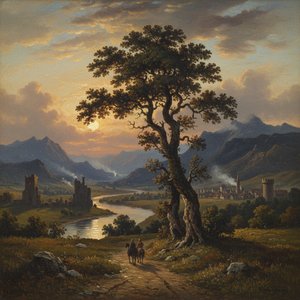
Paul Huet: Capturing the Essence of French Romanticism Through Light and Landscape
Explore the captivating world of Paul Huet (1803-1869), a master of French Romantic landscape painting. Discover his influence on Barbizon & Impressionism, and browse high-quality reproductions at OriginalUniqueArt.

Glavna dela koja su definisala Romantični pejzaž: 10 remek-dela za vaš dom
Otkrijte 10 remek-dela romantičnog pejzažnog slikarstva! Uronite u svet Claude Lorraina, Caspara David Friedricha i Turnera. Ispričane priče umetnosti, inspiracija za dekoraciju doma. Kvalitetne reprodukcije na OriginalUniqueArt.com – istražite celu kolekciju online!
