

 Pregledaj u prostoru
 Podeli
 Podeli
 Detalji
 Vodič
Vodič

 Preuzmi sliku
 Slični predmeti
 Rendgenski snimak
 Automatska prezentacija
 Statistika
Maternity


 Pročitaj više
Ručno rađena uljana reprodukcija
Ručno oslikano uljanim bojama na platnu u dimenzijama i okviru po vašem izboru, izrađeno po porudžbini od strane naših umetnika. ( Pređi na prodaju štampanih primeraka Pređi na prodaju digitalnih slika)




P118B дин10

P118H дин10

P118W дин10

P438Z дин10

P508JH дин12

P508YH дин12

P805H дин10

P805Z дин10

P919BZ дин10

P919G дин10

P919XJ дин10

P959ZH дин10

P968JZ дин12

W106C дин8

W218G дин10

W218JH дин8

W218Y дин10

W307PJ дин10

W316G дин10

W316PJ дин8

W316Y дин10

W398PJ дин8

W4111J дин10

W500HY дин15

W500JH дин15

W692G дин12

W849H дин8

W940BG дин15

W953PJ дин8




Izaberite jednu od naših unapred definisanih veličina koje odgovaraju originalnim proporcijama umetničkog dela.

Unesite širinu i visinu koja vam je potrebna, kako bi se uklopili u vaš ram ili zid. Pošto je ovo ručno oslikano delo, umetnik može naslikati malo više prostora oko slike ili malo skratiti ivice za dimenzije drugačijeg oblika — izbor je na vama. Pre početka rada, poslaćemo vam digitalni prikaz radi potvrde. Slika prikazana na ovoj stranici ne predstavlja konačan rezultat — samo digitalni prikaz pokazuje stvarnu sliku.
Nakon narudžbine, tim OriginalUniqueArt.com će klijentu putem e-pošte poslati uputstva i dostaviti prikaz predloženog rešenja
Svetska isporuka () za 3/4 nedelje umesto uobičajenih 5 nedelja. (26 октобар). Bez kompromisa po pitanju kvaliteta.

Besplatna ekspresna dostava širom sveta

Visokokvalitetno laneno platno

Sveobuhvatno osiguranje transporta

Garancija povraćaja carine i uvoznih dažbina

Garancija vernosti boja i autentičnosti pri reprodukciji

Politika povraćaja u roku od 100 dana (samo u slučaju nedostataka)

Garancija povrata 100% novca

Popust pri većoj količini
 Opcija sa staklom dostupna je samo za dimenzije manje od 110 cm

Maternity
Tehnika izrade reprodukcije
Veličina reprodukcije
-


Ukupna cena
дин 30932
A Portrait of Maternal Reverence: Eugène Carrière’s Maternity
Eugène Anatole Carrière stands apart from his contemporaries—Monet, Degas, Cézanne—not merely in stylistic preference but in a profound philosophical commitment to capturing the essence of human experience. Born in 1849 in Gournay-sur-Marne, France, he embarked on an artistic journey marked by unwavering dedication to exploring themes of spirituality and domestic tranquility. His formative years were shaped by exposure to Rubens’s luminous palette and the crucible of imprisonment in Dresden, experiences that instilled within him a sensitivity to light and color—though he would ultimately abandon them for a distinctive monochrome aesthetic. This singular approach cemented his reputation as “the painter of Breast-Feeding,” a genre he pursued with fervent conviction throughout his prolific career. ### The Monochrome Palette: A Symbol of Inner Light Carrière’s artistic signature is undeniably his masterful manipulation of color—or rather, the deliberate absence thereof. Rejecting the Impressionist obsession with capturing fleeting moments of visual sensation, he sought to distill emotion into its purest form: a subdued brown hue that permeated nearly all his canvases. This stylistic choice wasn't simply an aesthetic preference; it represented a deeply held belief in the primacy of inner contemplation and spiritual illumination. As Edmond de Goncourt eloquently observed during Carrière’s lifetime, “This Carrière really is the painter of Breast-Feeding.” He meticulously studied gestures and expressions, striving to convey not just what he saw but what he felt—a palpable resonance with the viewer's own emotional landscape. The monochromatic palette served as a conduit for conveying profound psychological depth, mirroring the stillness and serenity of domestic life. ### Maternity: A Study in Tender Gestures and Spiritual Resonance “Maternity,” completed in 1890, exemplifies Carrière’s artistic vision at its zenith. This evocative portrait depicts a woman cradling her infant child, bathed in soft light emanating from an unseen source—a deliberate allusion to divine grace and nurturing compassion. The composition is strikingly simple yet powerfully expressive: the woman's gaze directs upwards, suggesting contemplation of something beyond the immediate physical realm; her hands are outstretched, conveying warmth and protection. Two figures flank the central scene, adding depth and subtly hinting at the broader context of familial devotion. Véronique Milin Dumesnil, Carrière’s granddaughter, recounted that the models for Maternity were his wife and one of their seven children—Jean René or Leon—underscoring the artist's personal connection to the subject matter. ### Technique and Historical Context: Embracing Rubensian Influence Carrière’s technique is characterized by meticulous detail and painstaking layering of paint—a testament to his unwavering commitment to capturing nuanced textures and tonal variations. He achieved this remarkable effect through a process of gradual buildup, applying thin glazes over thicker underlayers to create an illusion of depth and luminosity despite the absence of color. This approach harkens back to Rubens’s masterful use of chiaroscuro—the dramatic interplay between light and shadow—a technique that Carrière adopted with unwavering fidelity. The painting emerged during a period marked by growing interest in Symbolism, a movement that sought to transcend mere representation and delve into realms of psychological and spiritual significance. Like many Symbolist artists, Carrière aimed to evoke emotion rather than depict reality objectively, inviting viewers to contemplate the profound mysteries of human existence. ### Legacy and Emotional Impact: A Timeless Expression of Maternal Love “Maternity” remains a captivating masterpiece—a testament to Carrière’s artistic genius and his unwavering belief in the transformative power of art. Its enduring appeal lies not only in its exquisite craftsmanship but also in its ability to resonate deeply with audiences across generations. The painting captures the essence of maternal tenderness, conveying a sense of serenity and spiritual contemplation that transcends time and culture. It serves as an inspiring reminder of the beauty and significance of familial bonds—a timeless expression of love, compassion, and faith.Pitanja i odgovori
Iz koje zemlju potiče Symbolist Art rad "Maternity"?
Delo u stilu Symbolist Art, "Maternity", delo je umetnika rođenog u Француска.
Koji je kolorits korišćen u delu „Maternity”, Ежен Анатоле Каријер?
„Maternity”, Ежен Анатоле Каријер koristi Earthy paletu boja. Ova paleta sažima opšti koloristički karakter dela.
Koju fazu razvoja umetnika Ежен Анатоле Каријер predstavlja delo "Maternity"?
"Maternity" predstavlja Mature Period umetnika Ежен Анатоле Каријер.
Biografija umetnika
Рани живот и формирање уметника
Ежен Анатоле Каријер, име које се издиже као један од кључних представника француског симболизма, рођен је 16. јануара 1849. године у Гурне-сур-Марн, недалеко од Париза. Његов рани живот обележен је посвећеношћу уметности, а формално образовање стекао је на чувеној Екол де Бо-Ар (École des Beaux-Arts) у Паризу. Након тога, студирао је под вођством познатог сликара Кабанела, где је поставио темеље за свој каснији, препознатљив стил.
Утицаји и развој монохромног израза
Каријеров уметнички пут био је обележен тражењем сопственог визуелног језика. Његове слике су постале препознатљиве по карактеристичној, смеђој монохромији која је изазвала велику пажњу уметничке јавности. Ова избор боје није био случајан; Каријер је био под дубоким утицајем барокног мајстора Питера Паула Рубенса, са којим се упознао током затворске казне у Дрездену. Управо су сјајне боје и драматична светла Рубенсових дела оставили трајан отисак на његов рад, али Каријер је одлучио да их трансформише у интимнији, медитативнији израз кроз монохромију. Једна од његових раних значајнијих дела, Млада мајка (1879), која се данас налази у музеју Бо-Ар у Руану, представља прекретницу у његовом стилу и најаву тема које ће карактерисати њетово стваралаштво – породични живот и интимни тренуци.
Кључна дела и изложбе
Каријеров опус садржи низ ремек-дела која су га учврстила у позицији водећег симболисте. Болесно дете (Монтарги), дело које је проткано емоцијама и тугом, постало је симбол његове способности да кроз једноставне форме изрази дубока људска осећања. Прва причест (Тулон) такође спада у значајнија дела, где се Каријер бави темом духовности и породичне вере. Портрет Луја-Анрија Девилеза (1887), хваљено дело које демонстрира његову вештину портретисања и способност да ухвати суштину личности модела, такође је добило велику пажњу критике. Каријер је активно учествовао на изложбама друштва Националне асоцијације лепих уметности (Société Nationale des Beaux-Arts), које је и сам помогао да се успоставе.
Наслеђе и утицај на савремену уметност
Каријеров монохромни стил имао је дубок утицај на развој модерне уметности. Његов рад је инспирисао Пабла Пикаса, посебно током његовог "плавог периода", када је шпански мајстор експериментисао са сличним нијансама и атмосфером. Овај утицај сведочи о Каријеровом трајном значају и способности да обликује визуелни језик нових генерација уметника. Каријер је био и цењени професор на Академији Палете, где је делио своје знање и инспирисао младе таленте.
- Погледајте више Каријерових дела на OriginalUniqueArt.com
- Истражите музеј Бо-Ар у Руану, где се чувају неке од његових раних радova.
- Сазнајте више о симболизму и његовом утицају на уметност

Ежен Анатоле Каријер
1849 - 1906 , Француска
Brzi pregled
- Artistic Movement Or Style: Simbolizam, Monohromija
- Artists Or Movements Influenced By This Artist: ['Pablo Picasso']
- Artists Who Influenced This Artist: ['Peter Paul Rubens']
- Date Of Birth: 16. januar 1849.
- Date Of Death: 27. mart 1906.
- Full Name: Eugène Anatole Carrière
- Nationality: Francuski
- Notable Artworks:
- Bolesno dete
- Mlada majka
- Prva pričest
- Place Of Birth: Gournay-sur-Marne, Francuska
Srodni članci

The Evocative Realm of Symbolism: Exploring Meaning & Mysticism in Late 19th-Century Art
Explore the captivating world of Symbolism art! Discover key artists, defining themes & its lasting influence on modern movements. A deep dive into late 19th-century masterpieces.

Monochrome Visions: Exploring the Aesthetic & Historical Significance of Black & White Photography
Explore the rich history & artistic power of black and white photography. From early techniques to iconic masters like Ansel Adams, discover why monochrome continues to captivate art lovers today. Expert insights for collectors.
The Subtleties of Shade: Exploring Monochrome's Enduring Power in Art History & Contemporary Practice
Explore the captivating world of monochrome painting! Discover its rich history, from Renaissance chiaroscuro to contemporary minimalism. Uncover the emotional power and artistic techniques behind this enduring art form.
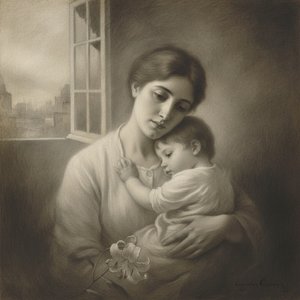
Eugène Carrière: The 'Peintre d'Âme' & Symbolist Portraiture’s Intimate Vision
Explore the haunting world of Eugène Carrière, a pivotal French Symbolist artist known for his deeply intimate portraits & 'peinture d'âme'. Discover his life, style, and lasting influence on modern masters like Picasso. Shop high-quality reproductions at OriginalUniqueArt.
Late Medieval Masterpieces: 10 Artworks That Defined an Era | OriginalUniqueArt
Journey through 10 defining Late Medieval masterpieces – from Giotto's frescoes to Jan van Eyck’s realism. Explore the stories, techniques & vibrant colors of Gothic art. Find museum-quality reproductions and elevate your home decor with OriginalUniqueArt.com! Discover all masterpieces on OriginalUniqueArt.com