 Pregledaj u prostoru
 Pošalji
 Podeli
 Detalji o delu

 Преузми
 Slični predmeti
 Rendgenski snimak
 Slajdovi
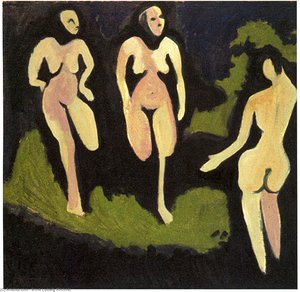
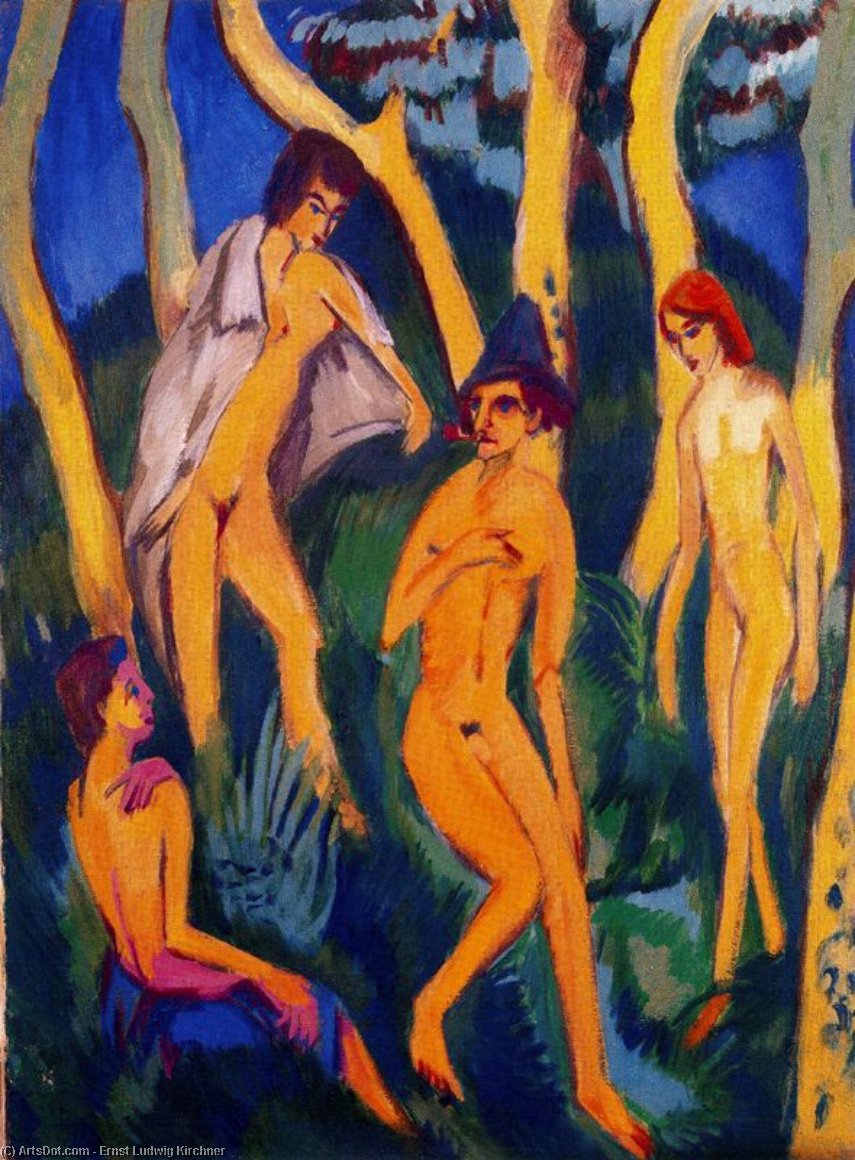
Four nudes under the trees

 Pročitaj više
Giclee štampa / Umetnički otisak
Giclée štampa ili print na platnu muzejskog kvaliteta uz brzu proizvodnju i fleksibilne opcije završne obrade. ( Kupi ručno naslikanu sliku Kupi digitalnu sliku)




P118B $10

P118H $10

P118W $10

P438Z $10

P508JH $12

P508YH $12

P805H $10

P805Z $10

P919BZ $10

P919G $10

P919XJ $10

P959ZH $10

P968JZ $12

W106C $8

W218G $10

W218JH $8

W218Y $10

W307PJ $10

W316G $10

W316PJ $8

W316Y $10

W398PJ $8

W4111J $10

W500HY $15

W500JH $15

W692G $12

W849H $8

W940BG $15

W953PJ $8




Izaberite jednu od naših unapred definisanih veličina koje odgovaraju originalnim proporcijama umetničkog dela.

Možete uneti sopstvene dimenzije kako biste umetničko delo prilagodili specifičnom okviru ili prostoru. Ako odabrani format ne odgovara proporcijama originalne slike, mi ćemo ili iscrtati deo dela ili proširiti sliku pomoću ogledane ivice ili jednobojnog popunjavanja. Digitalni prikaz će vam biti poslat na odobrenje pre početka proizvodnje.
Imajte na umu da pregled na ekranu ne odražava stvarno iscrtavanje ili proširivanje. Samo će prikaz (mockup) precizno pokazati finalnu kompoziciju.
Iako su prilagođene dimenzije dostupne, preporučujemo da odaberete dimenziju sa unapred definisane liste kako biste očuvali originalne proporcije.
Dostava širom sveta () za 2 nedelje umesto uobičajenih 4/5 nedelja. (13 август)

Besplatna ekspresna dostava širom sveta

Visokokvalitetno laneno platno

Kompletno osiguranje transporta

Garancija povraćaja carine i uvoznih dažbina

Garancija vernosti boja

Politika povrata u roku od 60 dana (samo u slučaju nedostataka)

Garancija povrata novca od 100%

Popust pri grupnoj kupovini
 Opcija sa staklom dostupna je samo za dimenzije manje od 110 cm

Four nudes under the trees
Giclee štampa / Umetnički otisak
Dimenzije reprodukcije
-


Konačna cena
$ 80
Opis predmeta
Four Nudes Under The Trees – A Window Into Expressionist Angst
Ernst Ludwig Kirchner’s “Four Nudes Under The Trees” isn't merely a depiction of figures amidst foliage; it’s a visceral embodiment of the anxieties simmering beneath the surface of Weimar Germany. Painted in 1912, during the formative years of Die Brücke – a group dedicated to rejecting academic conventions and exploring raw emotion – this artwork stands as a cornerstone of Expressionist painting.
- Subject Matter: The scene presents four nude figures positioned within a stylized forest. Kirchner deliberately eschewed idealized beauty, opting instead for an unflinching portrayal of human vulnerability against the backdrop of a seemingly serene landscape.
- Style & Technique: Marked by bold colors and simplified forms, “Four Nudes Under The Trees” exemplifies Expressionism’s core tenets. Kirchner employed oil paint on canvas with a technique characterized by thick brushstrokes—a deliberate rejection of blending—creating a textured surface that amplifies the painting's emotional intensity.
- Historical Context: Painted in the wake of World War I, the artwork reflects the pervasive disillusionment and psychological strain felt throughout Europe. The Expressionist movement sought to capture the inner turmoil of the human condition, mirroring the anxieties surrounding societal upheaval and personal uncertainty.
The color palette is deliberately jarring—dominant shades of yellow-orange dominate the skin tones, juxtaposed against deep blues representing the abstracted trees. These colors aren’t blended harmoniously but rather applied in blocks, intensifying the painting's unsettling atmosphere. Kirchner’s masterful use of lines contributes to this effect; thick, angular lines delineate the figures’ bodies and tree trunks, conveying a sense of dynamism and instability.
- Symbolism: The forest itself serves as a potent symbol—representing both isolation and confinement. The nude figures are positioned in vulnerable poses, suggesting exposure to an indifferent universe and highlighting themes of anxiety and psychological distress.
- Emotional Impact: “Four Nudes Under The Trees” succeeds in conveying profound emotional resonance. Kirchner’s deliberate distortion of form and color compels the viewer to confront uncomfortable truths about human experience—a testament to Expressionism's commitment to portraying subjective emotion rather than objective reality.
A visit to the Kirchner Museum Davos offers a chance to immerse oneself in this seminal artwork and explore the broader context of Kirchner’s artistic vision. Its enduring power lies not only in its visual boldness but also in its ability to provoke contemplation on themes of vulnerability, isolation, and the complexities of human emotion.
Biografija umetnika
Ernst Ludwig Kirchner (1880-1938): A Life Forged in Expression
Ernst Ludwig Kirchner, a name inextricably linked to the visceral heart of German Expressionism, wasn’t merely an artist; he was a conduit for anxieties simmering beneath the surface of early 20th-century Europe. Born into Bavaria's quiet countryside in 1880, his formative years instilled within him a profound awareness of displacement—a feeling that would become a cornerstone of his artistic vision. From Frankfurt’s bustling streets to Perlen’s serene lakes and finally settling in Chemnitz, Kirchner absorbed the accelerating pace of modernity, grappling with its promises and perils. Initially pursuing architecture at Dresden University, he swiftly recognized painting as his true calling – driven by an admiration for masters like Albrecht Dürer and a rebellious rejection of academic conventions. He found solace and camaraderie amongst fellow artists—Fritz Bleyl, Karl Schmidt-Rottluff, Erich Heckel—forming bonds that would propel them to forge a revolutionary artistic movement.The Genesis of Die Brücke: Seeking Authenticity Amidst Change
Kirchner’s artistic journey gained momentum in 1905 with the founding of *Die Brücke* (“The Bridge”), an artistic collective determined to transcend prevailing aesthetic norms and embrace raw emotional expression. This wasn't simply stylistic ambition; it was a philosophical crusade. The group drew inspiration from sources often dismissed by mainstream art circles—primitive art from Africa and Oceania, the turbulent hues of Vincent van Gogh, and Edvard Munch’s haunting explorations of psychological torment. Rejecting idealized beauty championed by academic painting, *Die Brücke* artists deliberately distorted forms, employed jarring color palettes, and utilized expressive brushwork to convey the pervasive anxieties surrounding urbanization and societal transformation. Kirchner's early canvases pulsed with restless energy—a reflection of the collective’s shared conviction that art could confront uncomfortable truths and challenge accepted ideologies. The studio became a crucible for experimentation, mirroring the broader cultural landscape of its time.A Painter's Palette: Style and Technique
Kirchner’s distinctive artistic style was immediately recognizable for its bold visual language. He eschewed meticulous realism in favor of conveying emotion—a deliberate rejection of academic precision. His palette embraced vibrant, often unconventional colors—drawing heavily from the influence of Henri Matisse and Edvard Munch—creating a dramatic contrast between light and dark that heightened the intensity of his compositions. Furthermore, Kirchner’s brushstrokes were energetic and visible, contributing to an overall feeling of immediacy and unfiltered emotion. Figures and objects appeared distorted or elongated, reflecting not objective observation but subjective experience—a hallmark of Expressionist aesthetics. Recurring motifs included urban landscapes—particularly Berlin street scenes—and nude figures—often depicted in intimate poses—serving as vehicles for exploring themes of isolation, vulnerability, and the human condition. He skillfully utilized woodblock printing techniques, reviving a tradition rooted in German artistic heritage while simultaneously rejecting academic conventions.Major Works: Capturing Modern Angst
Kirchner’s oeuvre encompasses a remarkable range of subjects—from haunting landscapes to psychologically charged portraits—each imbued with an unmistakable sense of unease and disillusionment. Paintings like *The Street* (1908) exemplify his masterful depiction of urban life, capturing the frenetic energy and emotional detachment characteristic of the era. Similarly, *Leaping Dancer* (1912) embodies Kirchner’s fascination with movement and dynamism—a deliberate departure from academic stillness—while simultaneously conveying a profound sense of psychological complexity. His exploration of human form—particularly nude figures—continues to resonate today, reflecting his conviction that art could illuminate the darker recesses of human consciousness. Notable prints include *The Bridge* (1908), *Five Women* (1913) and *Self-Portrait* (1910).Legacy: An Artist Amidst Darkness
Kirchner’s artistic career tragically intersected with the tumultuous political landscape of Nazi Germany. Despite his unwavering commitment to artistic integrity—a stance that contrasted sharply with the regime's embrace of “degenerate art”—he endured persecution and suffered debilitating illness. Over 600 of his artworks were confiscated and destroyed—a devastating blow that underscored the chilling consequences of ideological intolerance. Facing despair and failing health, Kirchner succumbed to suicide in Davos, Switzerland, in 1938—leaving behind a legacy as one of Germany’s most influential Expressionist artists. His work continues to inspire contemporary artists with its unflinching portrayal of human emotion and its bold rejection of artistic conventions—a testament to the enduring power of art to confront societal injustices and grapple with existential questions. Kirchner's influence extends beyond his own paintings; he championed primitive art, revitalized woodblock printing, and fostered a spirit of experimentation that profoundly shaped the trajectory of 20th-century art.
Ерnst Лудвиг Киршнер
1880 - 1938 , Германија
Osnovne informacije
- Artistic Movement Or Style: Изразхеизм
- Artists Who Influenced This Artist:
- Албрехт Дюрер
- Винсент ван Гох
- Эдвард Мунк
- Date Of Birth: 6 мај 1880.
- Date Of Death: 15 јуну 1938.
- Full Name: Ernst Ludwig Kirchner
- Nationality: Германија
- Notable Artworks:
- Улица (1908)
- Летећи танкеринен (1912)
- Портрет самог себе (1910)
- Пет жена (1913)
- Place Of Birth: Ашафењебург, Германија
Povezani članci

German Expressionism's 10 Defining Masterpieces | Art for Your Home
Explore 10 defining German Expressionism masterpieces – from Munch's 'The Scream' to Kandinsky’s abstracts. Discover the artists, stories & bold colors behind this powerful art movement. Find museum-quality reproductions at OriginalUniqueArt.com.
Beyond the Horizon: 10 Landscape Masterpieces for Your Home Decor
Journey through 10 breathtaking landscape paintings by Monet, Van Gogh & more! Explore iconic artworks, artistic techniques & find inspiration for your home decor. Museum-quality reproductions at OriginalUniqueArt.com. Discover all masterpieces on OriginalUniqueArt.com

Bold Strokes & Powerful Visions: 10 Artworks That Command Attention | OriginalUniqueArt
Experience art's raw power! Explore 10 iconic paintings – Van Gogh, Kahlo & more – that define 'bold'. Discover the stories behind these expressive masterpieces and find museum-quality reproductions for your home at OriginalUniqueArt.com.

Glavna dela koja su definisala Romantični pejzaž: 10 remek-dela za vaš dom
Otkrijte 10 remek-dela romantičnog pejzažnog slikarstva! Uronite u svet Claude Lorraina, Caspara David Friedricha i Turnera. Ispričane priče umetnosti, inspiracija za dekoraciju doma. Kvalitetne reprodukcije na OriginalUniqueArt.com – istražite celu kolekciju online!

Evocations of Place: A Historical Journey Through Landscape Art
Explore the rich history of landscape art with OriginalUniqueArt. Discover renowned artists, movements like Impressionism & Romanticism, and expert guidance for collecting timeless pieces. Find your perfect serene escape today!