
 Pregledaj u prostoru
 Pošalji
 Podeli
 Detalji o delu
 Vodič
Vodič

 Preuzmi
 Slični predmeti
 Rendgenski snimak
 Automatska prezentacija
 Pitanja i odgovori
 Statistika
Washington Bridge, Harlem River


 Pročitaj više
Giclee štampa / Umetnički otisak
Giclée štampa ili print na platnu muzejskog kvaliteta uz brzu izradu i raznovrsne opcije završne obrade. ( Kupite ručno oslikano delo Pređi na digitalnu sliku)




P118B дин10

P118H дин10

P118W дин10

P438Z дин10

P508JH дин12

P508YH дин12

P805H дин10

P805Z дин10

P919BZ дин10

P919G дин10

P919XJ дин10

P959ZH дин10

P968JZ дин12

W106C дин8

W218G дин10

W218JH дин8

W218Y дин10

W307PJ дин10

W316G дин10

W316PJ дин8

W316Y дин10

W398PJ дин8

W4111J дин10

W500HY дин15

W500JH дин15

W692G дин12

W849H дин8

W940BG дин15

W953PJ дин8




Izaberite jednu od naših unapred definisanih veličina koje odgovaraju originalnim proporcijama umetničkog dela.

Unesite željenu širinu i visinu kako bi se štampa uklopila u vaš ram ili zid. Štampu je moguće samo iseći, ali nikada povećati iznad dimenzija originalne slike, stoga format sa drugačijim proporcijama uzrokuje gubitak dela slike. Pre početka štampe, poslaćemo vam digitalni prikaz radi potvrde. Slika prikazana na ovoj stranici ne predstavlja stvarni isrez — to pokazuje samo digitalni prikaz.
Dostava širom sveta () za 2 nedelje umesto uobičajenih 4/5 nedelja. (5 новембар)

Besplatna ekspresna dostava širom sveta

Visokokvalitetno laneno platno

Potpuno osiguranje transporta

Garancija povraćaja carine i uvoznih dažbina

Garancija vernosti boja

Politika povraćaja u roku od 100 dana (samo u slučaju nedostataka)

Garancija povrata 100% novca

Popust na više proizvoda
 Opcija sa staklom dostupna je samo za dimenzije manje od 110 cm

Washington Bridge, Harlem River
Giclee štampa / Umetnički otisak
Dimenzije reprodukcije
-


Ukupna cena
дин 8493
A Moment Suspended in Light
The river flows with a quiet, heavy grace under an overcast sky, its surface catching the soft, diffused light of a day caught between shadows. In this view of the Harlem River, the water moves through a landscape where the boundaries between earth and air seem to blur. The Washington Bridge rises in the distance, its golden hue acting as a steady anchor amidst the shifting greens and browns of the foreground. Trees and rocks cling to the riverbanks, rendered with thick, mosaic-like strokes that give the scene a palpable texture. There is a sense of stillness here, as if the wind has momentarily ceased its movement, leaving only the slow pulse of the water and the hazy expanse of the sky above.
The atmosphere feels heavy with moisture, suggesting a cool, damp afternoon where the light does not strike so much as it settles. Every brushstroke contributes to this sense of weight and depth, building layers of color that mimic the way light filters through a mist. The composition draws the eye upward from the dark, organic shapes of the shoreline toward the structural presence of the bridge, creating a silent dialogue between the natural world and the hand of man.
The Language of Impressionism
The technique relies on visible, broken strokes that reject precise lines in favor of pure sensation. This approach captures the ephemeral quality of the atmosphere, using color to suggest form rather than hard outlines. Muted greens and deep browns ground the foreground, while the sky and water reflect a palette of cool tones, punctuated by the warmth of the bridge. The way the paint sits upon the canvas creates a rugged, tactile surface that mirrors the uneven textures of the riverbank itself.
This method reflects the influence of the Impressionist movement, where the goal is to record a fleeting impression of light and weather. By prioritizing the subjective experience of the scene, the work captures the way the eye perceives a landscape in flux. The bridge, though a massive feat of engineering, becomes part of the natural rhythm of the river, its presence softened by the hazy, atmospheric perspective that pushes the distant hills into a soft, blue-tinted blur.
Connections Between Nature and Progress
There is a quiet tension held within this landscape, a subtle meeting point between the wildness of the river and the encroaching reach of urban life. The bridge acts as a physical link between two shores, but symbolically, it represents the intersection of civilization and the natural environment. As the early 20th century brings rapid change to the surrounding landscape, this painting captures a sense of peace that feels fragile, as if the tranquility of the Harlem River is being observed in a rare moment of respite from the expansion of the city.
The emotional weight of the piece lies in this very stillness. It invites a slow, contemplative gaze, encouraging anyone who looks to find a sense of calm within the textured layers of paint. The scene does not demand attention through loud colors or dramatic action; instead, it offers a quiet space for reflection, where the simple beauty of light hitting water and stone remains the central focus.
Pitanja i odgovori
Koja boja dominira kompozicijom dela „Washington Bridge, Harlem River”, autor Ернест Лосон?
Boja koja najviše izdvaja se u delu "Washington Bridge, Harlem River" je Phthalo Green (#282c2c). Dominantna boja je korisna pri uklapanju umetničkog dela u enterijer.
Iz kog je doba "Washington Bridge, Harlem River"?
Istorijska epoha dela „Washington Bridge, Harlem River”, autor Ернест Лосон je Modern. Ova klasifikacija smešta delo u okvir istorije umetnosti.
Kakva su prava na reprodukciju dela "Washington Bridge, Harlem River" u muzeju High Museum of Art?
Originalno delo "Washington Bridge, Harlem River" čuva se u muzeju High Museum of Art, a rad je u javnom vlasništvu – autorska prava su istekla.
Biografija umetnika
Рани живот и образовање
Ернест Лавсон, значајна фигура америчког импресионистичког покрета, рођен је 22. марта 1873. године у Халифаксу, Нова Скотија, Канада. Већ 1888. године преселио се у Сједињене Државе, настанивши се у Канзас Ситију, а касније, 1891. године, кренуо је у Њујорк где се уписао на часове у Art Students League. Под менторством Џона Твактмана, Лавсон је упознат са импресионизмом, што ће значајно утицати на његове ране године и формирање стила. У том периоду, Лавсонов таленат се развијао кроз посвећен рад и изучавање техника које су обележиле овај узбудљиви уметнички правац.Уметнички развој и инспирације
Лавсонов стил, карактеристичан као мешавина импресионизма и реализма, обликован је интеракцијама са различитим уметницима и срединама. Студирао је на Académie Julian у Паризу 1893. године, где се упознао са Жан-Жозефом Бенжамен-Константом и Жан-Полом Лореном. Путовања и рад на отвореном – *ен плен ер* – у јужној Француској и Море-сур-Лоингу, где је сусрео енглеског импресионисту Алфреда Сислеја, додатно су обогатили његову уметничку перспективу. Ова искуства су му омогућила да развије прецизан осећај за светлу и сенку, као и способност да аутентично представи атмосферу природе. Лавсон је био посвећен тражењу свог личног израза у оквиру импресионистичке естетике, комбинујући спонтаност боје са реалистичким детаљима.Група Осам и значајне изложбе
Године 1908. Лавсон се придружио групи познатој као Осам, удружењу уметника који су протестовали против уског укуса и рестриктивних политике излагања Националне академије дизајна. Ова асоцијација је довела до кључне изложбе у Macbeth Galleries у Њујорку, која је привукла знажну пажњу медија и изазвала дебату о разноликости стилова и тема у америчкој уметности. Изложба је била преломни тренутак за Осам, пружајући им платформу да представе своје радове широј публици и изазову конвенционалне норме. Међу његовим значајнијим радовима су Градска предграђа, која се сада налази у Phillips Collection у Вашингтону, Д.Ц., демонстрирајући његов јединствени спој импресионизма и реализма. Друго дело, Прилазећа олуја, такође у Phillips Collection, показује Лавсонову мајсторску способност да заухвати суштину америчког пејзажа.Наслеђе и значај
Лавсонов пригушени али живописни стил, који је критичар Џејмс Гибонс Хунекер описао као онај који потиче из "палете здробљених драгуља", оставио је неизбрисив траг на америчкој уметности. Учешћем у групи Осам и његовим јединственим уметничким приступом, постао је значајна фигура у историји импресионизма. Његова способност да споји реалистичке детаље са импресионистичком техником боје створила је препознатљив стил који је инспирисао многе касније генерације уметника. Кључни моменти: * рођен: 22. марта 1873, Халифакс, Нова Скотија, Канада * умро: децембар 18, 1939 * значајна дела: Градска предграђа, Прилазећа олуја * утицаји: Џон Твактман, Жан-Жозеф Бенжамен-Констант, Алфред Сислеј * асоцијација: Осам * стил: спој импресионизма и реализма
Ернест Лосон
1873 - 1939 , Канада
Osnovne informacije
- Artistic Movement Or Style: Impresionizam i realizam
- Artists Or Movements Influenced By This Artist: ['The Eight']
- Artists Who Influenced This Artist:
- John Twachtman
- Alfred Sisley
- Date Of Birth: 22. mart 1873.
- Date Of Death: 18. decembar 1939.
- Full Name: Ernest Lawson
- Nationality: Kanadsko-američki
- Notable Artworks (List Of Titles):
- City suburbs
- Approaching storm
- Place Of Birth (City And Country): Halifax, Kanada
Povezani članci

Frederick Childe Hassam: American Impressionism's Chronicler of Light & Modern Life
Explore the captivating world of Frederick Childe Hassam, a pioneer of American Impressionism. Discover his iconic paintings capturing light, urban life & coastal beauty. Learn about his legacy and influence on American art history.
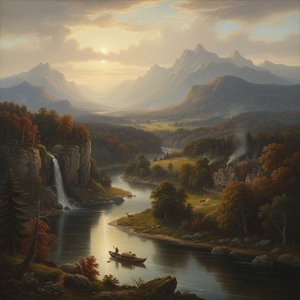
Capturing the American Spirit: A Journey Through Iconic Landscapes and the Legacy of the Hudson River School
Explore the profound beauty of American art history. From the Hudson River School to iconic landscapes, discover a curated journey through the masterpieces that defined a nation's spirit and the enduring legacy of American Romanticism.
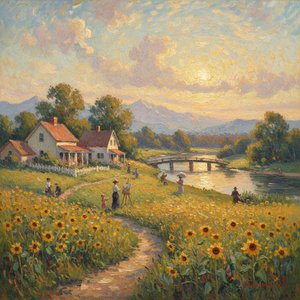
Capturing a Nation's Light: Exploring the American Impressionist Movement
Explore the captivating world of American Impressionism! Discover key artists, techniques & its lasting impact on art history. Find museum-quality reproductions and expert guidance at OriginalUniqueArt.
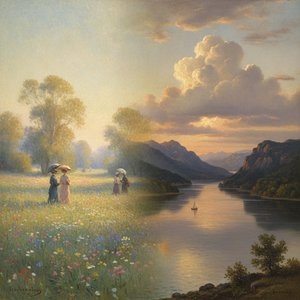
Capturing the Light: A Journey Through the Soul of American Impressionism and the Hudson River School
Explore the luminous beauty of American Impressionism and the Hudson River School. Discover a curated journey through light, landscape, and history, celebrating the enduring legacy of masters through exquisite, hand-painted oil reproductions for the discerning art lover.
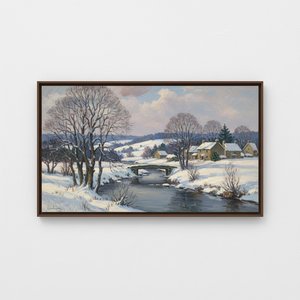
Ernest Lawson: A Pioneer of American Impressionism & His Vision of the Rural Landscape
Explore the life & art of Ernest Lawson, a pivotal figure in American Impressionism. Discover his evocative landscapes, influences, and lasting legacy with OriginalUniqueArt.