

 Pregledaj u prostoru
 Podeli
 Podeli
 Detalji
 Vodič
Vodič

 Preuzmi sliku
 Slični predmeti
 Rendgenski snimak
 Automatska prezentacija
 Statistika
Daniel Boone Fighting the Indians


 Pročitaj više
Giclee štampa / Umetnički otisak
Giclée štampa ili print na platnu muzejskog kvaliteta uz brzu izradu i raznovrsne opcije završne obrade. ( Naručite ručno oslikano reprodukciju Pređi na prodaju digitalnih slika)




































Izaberite jednu od naših unapred definisanih veličina koje odgovaraju originalnim proporcijama umetničkog dela.

Možete uneti sopstvene dimenzije kako biste umetničko delo prilagodili specifičnom okviru ili prostoru. Ako odabrani format ne odgovara proporcijama originalne slike, mi ćemo ili iscrtati deo dela ili proširiti sliku pomoću ogledane ivice ili jednobojnog popunjavanja. Digitalni prikaz će vam biti poslat na odobrenje pre početka proizvodnje.
Imajte na umu da pregled na ekranu ne odražava stvarno iscrtavanje ili proširivanje. Samo će prikaz (mockup) precizno pokazati finalnu kompoziciju.
Iako su prilagođene dimenzije dostupne, preporučujemo da odaberete dimenziju sa unapred definisane liste kako biste očuvali originalne proporcije.
Dostava širom sveta () za 2 nedelje umesto uobičajenih 4/5 nedelja. (26 септембар)

Besplatna ekspresna dostava širom sveta

Visokokvalitetno laneno platno

Sveobuhvatno osiguranje transporta

Garancija povraćaja carine i uvoznih dažbina

Garancija vernosti boja i autentičnosti pri reprodukciji

Politika povraćaja u roku od 100 dana (samo u slučaju nedostataka)

Garancija povrata 100% novca

Popust pri većoj količini
 Opcija sa staklom dostupna je samo za dimenzije manje od 110 cm

Daniel Boone Fighting the Indians
Giclee štampa / Umetnički otisak
Veličina reprodukcije
-


Ukupna cena
$ 80
Biografija umetnika
The Sculptor of American Frontier Visions
Enrico Causici remains a captivating, if somewhat enigmatic, figure within the grand tapestry of nineteenth-century art. Born in Verona, Italy, in 1790, his life was defined by a restless movement between the refined classical traditions of Europe and the raw, burgeoning energy of the American frontier. While much of his biographical detail remains shrouded in the mists of history, the traces of his talent are etched permanently into the stone and marble of early American monuments. Often identified as a pupil of the legendary Neoclassical master Antonio Canova, Causici carried the weight of Italian sculptural precision across the Atlantic, blending the idealized grace of the Old World with the rugged, dramatic narratives of the New.
His journey to the United States was not merely a change in geography but a profound artistic metamorphosis. Arriving in a nation that was still searching for its own visual identity, Causici found himself uniquely positioned to translate the American spirit into permanent form. Between 1822 and 1832, his presence was felt in major political and cultural hubs, from the bustling streets of New York City to the halls of power in Washington, D.C. He possessed a rare ability to marry the technical rigor of his Italian training with the epic, often violent, themes of American expansionism, creating works that were as much historical documents as they were aesthetic triumphs.
Mastery of Form and the American Narrative
The true brilliance of Causici lay in his capacity for dramatic dynamism. While his foundational training emphasized the smooth surfaces and anatomical accuracy characteristic of Neoclassicism, he was never content with mere stillness. His work often pulsed with a sense of captured motion, a quality essential for depicting the high-stakes conflicts of the American wilderness. This is perhaps most vividly realized in his celebrated sandstone reliefs intended for the U.S. Capitol, such as "Conflict Between Daniel Boone and the Indians." In these pieces, the artist moved beyond static portraiture to embrace a more expressive, Romantic sensibility, utilizing texture and composition to convey the tension of the frontier.
Beyond the smaller reliefs, Causici sought to immortalize the giants of American history through monumental sculpture. His ambitions were reflected in his large-scale commissions, including:
- The Equestrian Statue of George Washington: A commanding work that showcased his ability to handle complex anatomical structures and the grandeur of leadership.
- The Monument at Baltimore: An ambitious project featuring a statue of Washington that demonstrated his skill in creating civic landmarks intended to inspire national pride.
- Bas-reliefs for the Capitol Rotunda: Works such as "The Landing of the Pilgrims," which sought to weave the foundational myths of the United States into the very architecture of its government.
A Legacy Carved in Stone
Despite his significant contributions, Causici’s life was marked by a tragic brevity. After years of shaping the visual landscape of a young nation, he departed the United States in 1832. His journey led him to Havana, Cuba, where he succumbed to illness, leaving behind a legacy that was as much about his untimely departure as it was about his artistic achievements. Though his career was cut short, the impact of his work endured through the physical presence of his monuments in the heart of American democracy.
Today, art historians view Enrico Causici not merely as an itinerant sculptor, but as a vital bridge between two worlds. He brought the sophisticated language of Italian Neoclassicism to a landscape that was hungry for grandeur, providing the young United States with a sense of historical weight and permanence. His ability to capture the sublime—the mixture of beauty and terror found in the American wilderness—ensures that his name remains whispered with reverence among those who study the intersection of art, politics, and national identity.
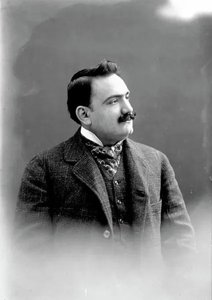
enrico causici
1790 - 1833 , Italy
Brzi pregled
- Artistic Movement Or Style: Romantic Painting
- Artists Or Movements Influenced By This Artist: ['']
- Artists Who Influenced This Artist: ['Canova']
- Date Of Birth: 1790
- Full Name: Enrico Causici
- Nationality: Italian
- Notable Artworks:
- Boone and Indians
- Daniel Boone Fighting the Indians
- Place Of Birth: Verona, Italy