

 Pregledaj u prostoru
 Pošalji
 Podeli
 Detalji o delu
 Vodič
Vodič

 Preuzmi
 Slični predmeti
 Rendgenski snimak
 Automatska prezentacija
 Statistika
Иде око света
 Akril na platnu
- Umetnost za zidove
- Catalan Modernism
 1890
1890 49.0 x 49.0 cm
 Muzej Cau Ferrat
 Pročitaj više
Giclee štampa / Umetnički otisak
Giclée štampa ili print na platnu muzejskog kvaliteta uz brzu izradu i raznovrsne opcije završne obrade. ( Kupite ručno oslikano delo Pređi na digitalnu sliku)




P118B дин10

P118H дин10

P118W дин10

P438Z дин10

P508JH дин12

P508YH дин12

P805H дин10

P805Z дин10

P919BZ дин10

P919G дин10

P919XJ дин10

P959ZH дин10

P968JZ дин12

W106C дин8

W218G дин10

W218JH дин8

W218Y дин10

W307PJ дин10

W316G дин10

W316PJ дин8

W316Y дин10

W398PJ дин8

W4111J дин10

W500HY дин15

W500JH дин15

W692G дин12

W849H дин8

W940BG дин15

W953PJ дин8




Izaberite jednu od naših unapred definisanih veličina koje odgovaraju originalnim proporcijama umetničkog dela.

Unesite željenu širinu i visinu kako bi se štampa uklopila u vaš ram ili zid. Štampu je moguće samo iseći, ali nikada povećati iznad dimenzija originalne slike, stoga format sa drugačijim proporcijama uzrokuje gubitak dela slike. Pre početka štampe, poslaćemo vam digitalni prikaz radi potvrde. Slika prikazana na ovoj stranici ne predstavlja stvarni isrez — to pokazuje samo digitalni prikaz.
Dostava širom sveta () za 2 nedelje umesto uobičajenih 4/5 nedelja. (28 октобар)

Besplatna ekspresna dostava širom sveta

Visokokvalitetno laneno platno

Potpuno osiguranje transporta

Garancija povraćaja carine i uvoznih dažbina

Garancija vernosti boja

Politika povraćaja u roku od 100 dana (samo u slučaju nedostataka)

Garancija povrata 100% novca

Popust na više proizvoda
 Opcija sa staklom dostupna je samo za dimenzije manje od 110 cm

Иде око света
Giclee štampa / Umetnički otisak
Dimenzije reprodukcije
-


Ukupna cena
дин 8266
Going Around The World - A Vision of Catalan Modernism
Enric Clarasó i Daudí’s “Going Around The World” is more than just a depiction of a man and his dog traversing the streets of Sitges; it's a poignant emblem of Catalan Modernism’s fascination with travel, exploration, and the pursuit of beauty amidst the complexities of the era. Painted in 1890, this sculpture embodies the spirit of its time—a period marked by artistic experimentation and a desire to capture fleeting moments of experience.The Artist's Context: A Sculptor's Journey
Enric Clarasó i Daudí (1857-1941) emerged from Sant Feliu del Racó, Catalonia, as a sculptor deeply influenced by the burgeoning modernist movement. His formative years were spent honing his craft under the tutelage of Joan Roig i Solé, where he absorbed the principles of Costumisme—a stylistic approach prioritizing meticulous observation and faithful representation of reality—combined with Symbolism’s exploration of inner emotions and spiritual themes. Collaborations with fellow artists like Miquel Carbonell and Santiago Rusiñol cemented his position within Barcelona's artistic vanguard, fostering a dialogue between tradition and innovation.A Detailed Examination Of The Artwork
The sculpture itself is crafted from bronze and wood, reflecting the prevalent materials of Catalan art during this period. Clarasó’s meticulous attention to detail—evident in the textured surface of the bronze and the subtle contours of the wooden base—demonstrates a commitment to capturing the essence of his subject matter. The man, depicted walking with his dog, is positioned centrally against a backdrop that suggests urban life, yet maintains an air of contemplative serenity. The suitcase nearby subtly hints at the journey undertaken, symbolizing aspiration and movement toward new horizons.Symbolism And Emotional Resonance
“Going Around The World” transcends mere visual representation; it speaks to broader themes of wanderlust and human connection. The dog serves as a companion—a symbol of loyalty and steadfastness—mirroring the man’s own determination. The sculpture's overall atmosphere evokes feelings of optimism and adventure, capturing the transformative potential inherent in encountering unfamiliar landscapes and cultures. It reflects the modernist preoccupation with portraying not just what is seen but also what is felt.A Legacy Of Catalan Art
Displayed prominently at the Cau Ferrat Museum in Sitges—a testament to Clarasó’s enduring influence—this artwork stands as a cornerstone of Catalan Modernism. Its exploration of human experience and its masterful execution continue to inspire artists and collectors alike, securing its place within the canon of 20th-century sculpture. The piece's serene composition invites contemplation on themes of travel, companionship, and the pursuit of beauty – values that resonate powerfully with audiences today.Pitanja i odgovori
Gde se danas može videti delo „Иде око света”, autor Enric Clarasó I Daudí?
Originalno delo „Иде око света”, autor Enric Clarasó I Daudí čuva se u muzeju Muzej Cau Ferrat, Sitges, Španija. Reprodukcija omogućava da se ovo umetničko delo izloži u vašem domu.
Kakvo je opšte raspoloženje dela „Иде око света”, autor Enric Clarasó I Daudí?
„Иде око света“ odiše Spokojno atmosferom.
Da li je delo „Иде око света”, autor Enric Clarasó I Daudí u javnom vlasništvu?
Status autorskih prava za „Иде око света”, autor Enric Clarasó I Daudí: delo je u javnom vlasništvu – autorska prava su istekla. Ovo određuje da li se reprodukcije slike mogu slobodno izrađivati.
Biografija umetnika
a modernist catalan sculptor's journey
enric clarasó i daudí, a prominent figure in catalan modernism, left an indelible mark on the world of sculpture. born in 1857 in sant feliu del racó, now a suburb of barcelona, his family's relocation to barcelona at the age of two would set the stage for his future artistic endeavors.early beginnings and influences
after a brief apprenticeship in a perfume store, clarasó i daudí's bout with yellow fever in 1869 led him to seek a position in the workshop of joan roig i solé, a pivotal moment that would define his artistic path. concurrently, he studied drawing and clay modeling at the escola de la llotja, laying the groundwork for his future masterpieces.artistic evolution and collaborations
notable collaborations include sharing a studio with painter miquel carbonell in 1880, followed by a brief stint with santiago rusiñol, which would later become the cau ferrat museum. his first exhibit at the sala parés in 1884 and participation in the 1888 barcelona universal exposition solidified his presence in the art world.legacy and enduring impact
clarasó i daudí's passing in 1941 marked the end of an era, but his contributions to modernist catalan sculpture continue to inspire. for a deeper dive into his works and the broader context of catalan art, explore these resources:- enric clarasó i daudí's profile on OriginalUniqueArt, featuring a selection of his notable works.
- the museu d'art contemporani (macba), a hub for contemporary art in barcelona, offers insights into the city's thriving art scene. [https://OriginalUniqueArt.com/@@/a@d3artz](museu d'art contemporani (barcelona, spain) - a comprehensive guide)
- delve into the fundació joan miró, a museum dedicated to the renowned surrealist artist, for a glimpse into another facet of catalan modernism. [https://OriginalUniqueArt.com/@@/a@d3bm3t](the museum fundació joan miró (barcelona, spain))

Enric Clarasó I Daudí
1857 - 1941 , Spain
Osnovne informacije
- Full Name: Enric Clarasó i Daudí
- Nationality: Catalan
- Date Of Birth: 1857
- Date Of Death: 1941
- Place Of Birth: Sant Feliu de Raones, Spain
- Notable Artworks:
- Catalan Blacksmith
- La Torre de Sant Francesc
- Artistic Movement Or Style: Modernism
- Artists Who Influenced This Artist:
- Joan Roig i Solé
- Henri Chapu
- Artists Or Movements Influenced By This Artist: ['Santiago Rusiñol']
Povezani članci

Bronze Age to Modern Masters: 10 Sculptures That Redefined Art | OriginalUniqueArt
Journey through art history with 10 legendary bronze sculptures – from Michelangelo's David to Rodin’s Thinker. Explore the stories, techniques & timeless beauty of these masterpieces. Find museum-quality reproductions & elevate your home decor on OriginalUniqueArt.com.

The Enduring Form: Exploring Themes & Techniques in Sculpture Across Historical Periods
Explore the rich history of sculpture from ancient masterpieces to contemporary innovations. Discover key techniques, influential artists & investment potential for discerning art collectors.

Bronze Sculptures That Defined Art History | OriginalUniqueArt
Journey through art history with our Top 10 bronze sculptures! Explore masterpieces by Rodin, Michelangelo & more. Discover stories behind iconic statues and find museum-quality reproductions for your home decor at OriginalUniqueArt.com.
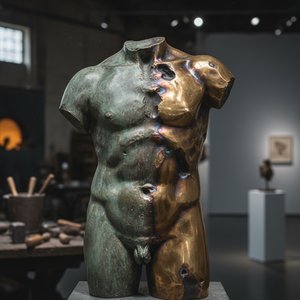
Nasleđe bronze: Istorija, tehnike i savremene interpretacije skulpture – vodič za kolekcionare
Istražite bogatu istoriju bronze i tehnike livenja skulptura. Saveti za kolekcionare, investiciono vrednovanje i savremene interpretacije aluminijumske bronze. OriginalUniqueArt – stručnjaci za umetnost.

The Enduring Form: Sculpture Across History, Technique & Emotional Resonance
Explore the rich history of sculpture with OriginalUniqueArt. Discover key techniques, influential artists & investment potential for discerning collectors. Expert insights into valuing and collecting timeless masterpieces.
