
 Pregledaj u prostoru
 Podeli
 Podeli
 Detalji
 Vodič
Vodič

 Preuzmi sliku
 Slični predmeti
 Rendgenski snimak
 Automatska prezentacija
 Statistika
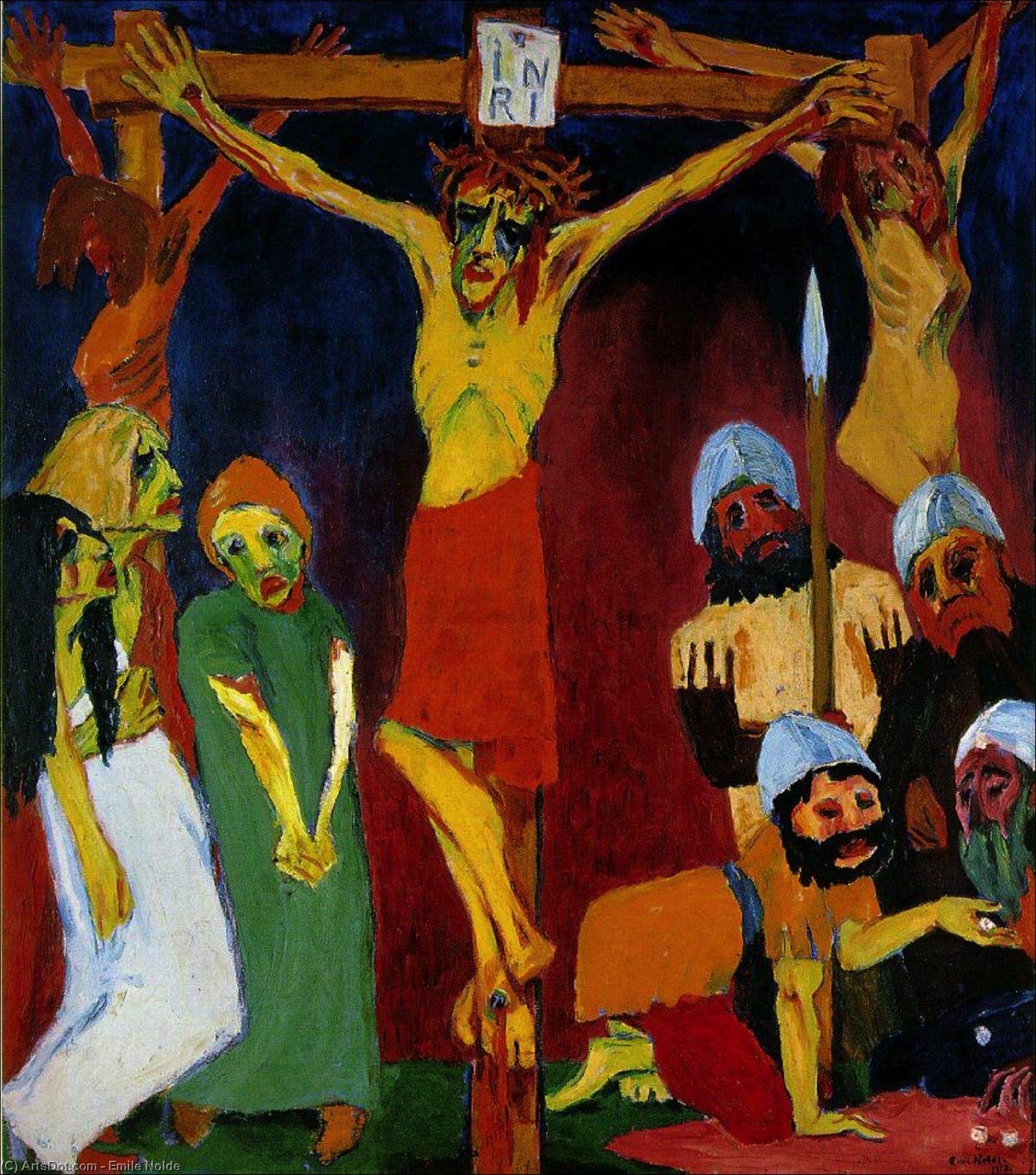
Crucifixion,
 Acrylic On Canvas
- WallArt
- Expressionist Symbolism
 1912
1912- 19th Century
 221.0 x 194.0 cm
 Pročitaj više
Ručno rađena uljana reprodukcija
Ručno oslikano uljanim bojama na platnu u dimenzijama i okviru po vašem izboru, izrađeno po porudžbini od strane naših umetnika. ( Pređi na prodaju štampanih primeraka Pređi na prodaju digitalnih slika)




P118B дин10

P118H дин10

P118W дин10

P438Z дин10

P508JH дин12

P508YH дин12

P805H дин10

P805Z дин10

P919BZ дин10

P919G дин10

P919XJ дин10

P959ZH дин10

P968JZ дин12

W106C дин8

W218G дин10

W218JH дин8

W218Y дин10

W307PJ дин10

W316G дин10

W316PJ дин8

W316Y дин10

W398PJ дин8

W4111J дин10

W500HY дин15

W500JH дин15

W692G дин12

W849H дин8

W940BG дин15

W953PJ дин8




Izaberite jednu od naših unapred definisanih veličina koje odgovaraju originalnim proporcijama umetničkog dela.

Type the width and the height you need, to fit your frame or your wall. This is hand-painted, so for a size with a different shape the artist can paint a bit more around the picture, or cut a bit — you choose. We send you a digital mockup to approve before the painting starts. The picture shown on this page does not show the real result — only the mockup does.
Nakon narudžbine, tim OriginalUniqueArt.com će klijentu putem e-pošte poslati uputstva i dostaviti prikaz predloženog rešenja
Svetska isporuka () za 3/4 nedelje umesto uobičajenih 5 nedelja. (14 октобар). Bez kompromisa po pitanju kvaliteta.

Besplatna ekspresna dostava širom sveta

Visokokvalitetno laneno platno

Sveobuhvatno osiguranje transporta

Garancija povraćaja carine i uvoznih dažbina

Garancija vernosti boja i autentičnosti pri reprodukciji

Politika povraćaja u roku od 100 dana (samo u slučaju nedostataka)

Garancija povrata 100% novca

Popust pri većoj količini
 Opcija sa staklom dostupna je samo za dimenzije manje od 110 cm

Crucifixion,
Tehnika izrade reprodukcije
Veličina reprodukcije
-


Ukupna cena
дин 30511
A Profound Meditation on Suffering: Emil Nolde's Crucifixion (1912)
Emil Nolde’s Crucifixion, painted in 1912, is not merely a depiction of a biblical event; it’s a visceral exploration of human suffering and faith rendered with an arresting intensity. Measuring 221 x 194 cm, this canvas immediately commands attention with its dramatic composition and the artist's signature use of bold, expressive color. Nolde, deeply influenced by the works of Van Gogh and Gauguin, alongside a fascination with primitive art forms – particularly the raw emotion conveyed through masks and carvings – sought to bypass representational accuracy in favor of conveying profound spiritual truths. The painting’s power resides not just in its subject matter but in the artist's ability to translate complex emotions onto the canvas with remarkable directness.
Subject Matter and Composition
The scene is unequivocally the crucifixion of Christ, a cornerstone event in Christian theology. Nolde meticulously portrays Jesus on the cross, his body contorted in agony, arms outstretched in a gesture both vulnerable and defiant. The surrounding figures – a solitary figure to the left and another to the right, along with a throng gathered around the base of the cross – are not simply observers; they are participants in this monumental drama. Their postures, expressions, and spatial arrangement contribute to the painting’s dynamic tension, reflecting the emotional weight of the moment. Notably, the inclusion of a knife adds an element of unsettling ambiguity, perhaps symbolizing betrayal or the inherent violence within human nature.
Technique and Color – A Language of Emotion
- Impasto Technique: Nolde employs a thick impasto technique, layering paint with considerable texture. This creates a palpable sense of physicality, emphasizing the roughness of the wood, the vulnerability of Christ’s body, and the raw emotion conveyed through the figures' expressions.
- Bold Color Palette: The artist utilizes a vibrant, almost jarring color palette – deep reds, blues, and yellows – to heighten the emotional impact. These colors are not used realistically but rather expressively, amplifying the sense of suffering and spiritual intensity.
- Simplified Forms: Nolde simplifies forms, reducing figures to their essential shapes, further intensifying the painting’s symbolic power. This stylistic choice aligns with his broader interest in exploring primal emotions and spiritual truths through a non-naturalistic lens.
Symbolism and Historical Context
Painted during a period of significant artistic experimentation and religious questioning, Crucifixion reflects the anxieties and spiritual searches of early 20th-century Europe. The painting’s raw emotionality speaks to a desire for authentic experience beyond traditional religious dogma. The scene itself is laden with symbolism – Christ's sacrifice representing redemption, faith, and hope amidst despair. Nolde’s deliberate rejection of academic conventions aligns him with the Expressionist movement, which sought to convey subjective emotions rather than objective reality. The painting was created in 1912, a year marked by social unrest and political upheaval, suggesting a deeper engagement with themes of human suffering and injustice.
Emotional Impact and Artistic Legacy
Crucifixion remains a profoundly moving work of art. Its power lies in its ability to evoke empathy and contemplation, prompting viewers to confront the fundamental questions of faith, suffering, and redemption. Nolde’s masterful use of color, texture, and composition creates an unforgettable image that continues to resonate with audiences today. This hand-painted reproduction offers a unique opportunity to experience the full force of Nolde's artistic vision – a testament to his enduring legacy as one of Germany’s most important Expressionist painters.
Pitanja i odgovori
Koja je dominantna nijansa dela „Crucifixion,”, Емил Нолде?
Golden Yellow Range nijansa prožima delo „Crucifixion,”, Емил Нолде.
Koje je postavljanje prikladno za format dela „Crucifixion,”, Емил Нолде?
Format (Portrait) i preporučeni prostor (Living Room) su dve navedene činjenice o postavljanju za „Crucifixion,”, Емил Нолде.
Da li su boje dela „Crucifixion,”, Емил Нолде živopisne ili prigušene?
„Crucifixion,”, Емил Нолде je zabeležen sa Clear Color Presence zasićenosti i Balanced intenzitetom.
Biografija umetnika
Емил Нолде: Живот и наслеђе
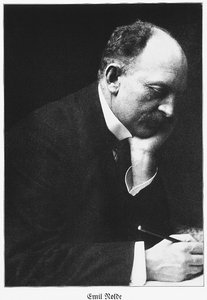
Емил Нолде, рођен као Ханс Емил Хансен 7. августа 1867. године у Нолдеу, Шлезвиг-Холштајн, Немачка, био је изузетан немачко-дански сликар чије име постало синоним за експресионистичку снагу и емоционалну дубину. Његов живот, обележен страственом посвећеношћу уметности и бунтом против конвенција, обликовао је јединствен стил који је оставио неизбрисив траг на историји сликарства.
Нолде није дошао из типичне уметничке породице. Његови родитељи су желели да га виде у практичнијој каријери, али његова жеља за стварањем била је неукротива. Након почетних покушаја као резбар и декоратер намештаја, посветио се сликању крајем двадесетих година, крећући се путем самообразовања и константног експериментисања.
Уметнички развој и утицаји
Нолдеов пут ка препознатљивом стилу био је испуњен путовањима и упознавањем различитих култура. Ранe утицаје су му пружили Винсент ван Гог, чија експресивна употреба боје и динамичне композиције су га фасцинирале, као и Пол Гоген, са његовом страшћу за примитивном уметношћу и егзотичним мотивима. Посебно је био опчињен традиционалним народном уметношћу – снажном изражајном моћи примитивних маски и резбарија, које су га инспирисале да тражи нове начине визуелног изражавања. Иако је почео са реализмом и импресионизмом, брзо се окренуо субјективном и експресивном приступу, тежећи да пренесе унутрашње емоције уместо објективног приказивања стварности.
"Мост" (Die Brücke) и експресионистички пробој
Године 1905. Нолде је био један од оснивача групе уметника “Мост” (Die Brücke), кључне формације немачког експресионизма. Ова група је тежила да се отргне од академских традиција и изрази унутрашње емоције кроз радикално уметничко експериментисање. Нолдеов допринос “Мосту” био је изузетан; његова интензивна употреба боје, деформација облика и слободна композиција су погурале границе репрезентације. Ипак, одржавао је извесну самосталност унутар групе, често се разликујући у тематици и стилу.
Кључне теме и уметнички стил
Нолдеово дело карактеришу поновљени мотиви: религиозни призори, пејзажи, морски простори и портрети. Посебно га је фасцинирала снага маски – како физичких објеката тако и симболичних представљања примитивних емоција. Његов уметнички стил се одликује:
- Смелим, виталним бојама које су служиле за преношење интензитета осећања
- Деформисаним облицима који су наглашавали изражајност уместо реалистичног приказивања
- Импасто техником – густим наносом боје, стварајући текстуру и појачавајући визуелни ефекат
- Фокусом на заробљавање унутрашњих психолошких стања
Запажена дела и достигнућа
Током своје каријере, Нолде је створио обимно дело. Нека од његових најпознатијих слика укључују:
- Маске (1906-1907) – демонстрирајући његово интересовање за примитивну уметност
- Исподијавање Христа (1909) – моћан и емотивно наелектрисан религиозни призор
- Јесење море (1908) - показујући његов експресионистички приступ пејзажном сликању.
- Цветна башта (Девојка и прање веша) (1907)
- Плес око Златног телета (1909)
Упркос критици и цензури током нацистичког режима – његово дело је проглашено “дегенерисаним” – Нолде је тајно наставио са сликањем. У том периоду је створио значајан корпус акварела, демонстрирајући своју непоколебљиву посвећеност уметничком изразу.
Историјски значај и наслеђе
Емилов Нолдеов иновативан приступ боји и експресивној четкици су дубоко утицали на генерације уметника. Његово дело је повезало традиционалну репрезентативну уметност са апстрактним покретима који су следили. Остаје централна фигура у историји немачког експресионизма, слављен по својој емоционалној интензивности, смелом експериментаришу и трајној визији. Његово наслеђе наставља да инспирише уметнике и љубитеље уметности широм света.
Емил Нолде
1867 - 1956 , Немачка
Brzi pregled
- Datum Rođenja: 7. avgust 1867.
- Datum Smrti: 1956.
- Istaknuta Dela:
- Maske
- Pobuđivanje Hrista
- Jesenje more
- Mesto Rođenja: Nolde, Nemačka
- Nacionalnost: Nemac-Danac
- Puno Ime: Emil Nolde
- Umetnici Koji Su Uticali:
- Van Gog
- Pol Gogen
- Umetnici Pod Uticajem: ['Nemački ekspresionisti']
- Umetnički Pokret: Ekspresionizam
Srodni članci

German Expressionism's 10 Defining Masterpieces | Art for Your Home
Explore 10 defining German Expressionism masterpieces – from Munch's 'The Scream' to Kandinsky’s abstracts. Discover the artists, stories & bold colors behind this powerful art movement. Find museum-quality reproductions at OriginalUniqueArt.com.

Giclée Prints: Archival Quality & Aesthetic Nuances for the Discerning Collector
Explore the world of giclée prints with OriginalUniqueArt. Learn about archival quality, aesthetic nuances & investment potential. Expert guidance for discerning art collectors seeking museum-quality reproductions and lasting value.

The Enduring Legacy of Fine Art Prints: Technique, History & Aesthetic Impact
Explore the rich history & techniques of fine art prints. Discover investment potential, assess authenticity, and learn how to preserve your collection with expert guidance. Trusted insights for discerning collectors.

Echoes of Time: Exploring the Enduring Appeal & Historical Context of Vintage Art Prints
Explore the captivating world of vintage art prints! Discover their history, collecting tips & enduring appeal. Expert insights on chromolithography and building a legacy collection with OriginalUniqueArt.

Bold Strokes & Powerful Visions: 10 Artworks That Command Attention | OriginalUniqueArt
Experience art's raw power! Explore 10 iconic paintings – Van Gogh, Kahlo & more – that define 'bold'. Discover the stories behind these expressive masterpieces and find museum-quality reproductions for your home at OriginalUniqueArt.com.

