
 Pregledaj u prostoru
 Pošalji
 Podeli
 Detalji o delu

 Преузми
 Slični predmeti
 Rendgenski snimak
 Slajdovi
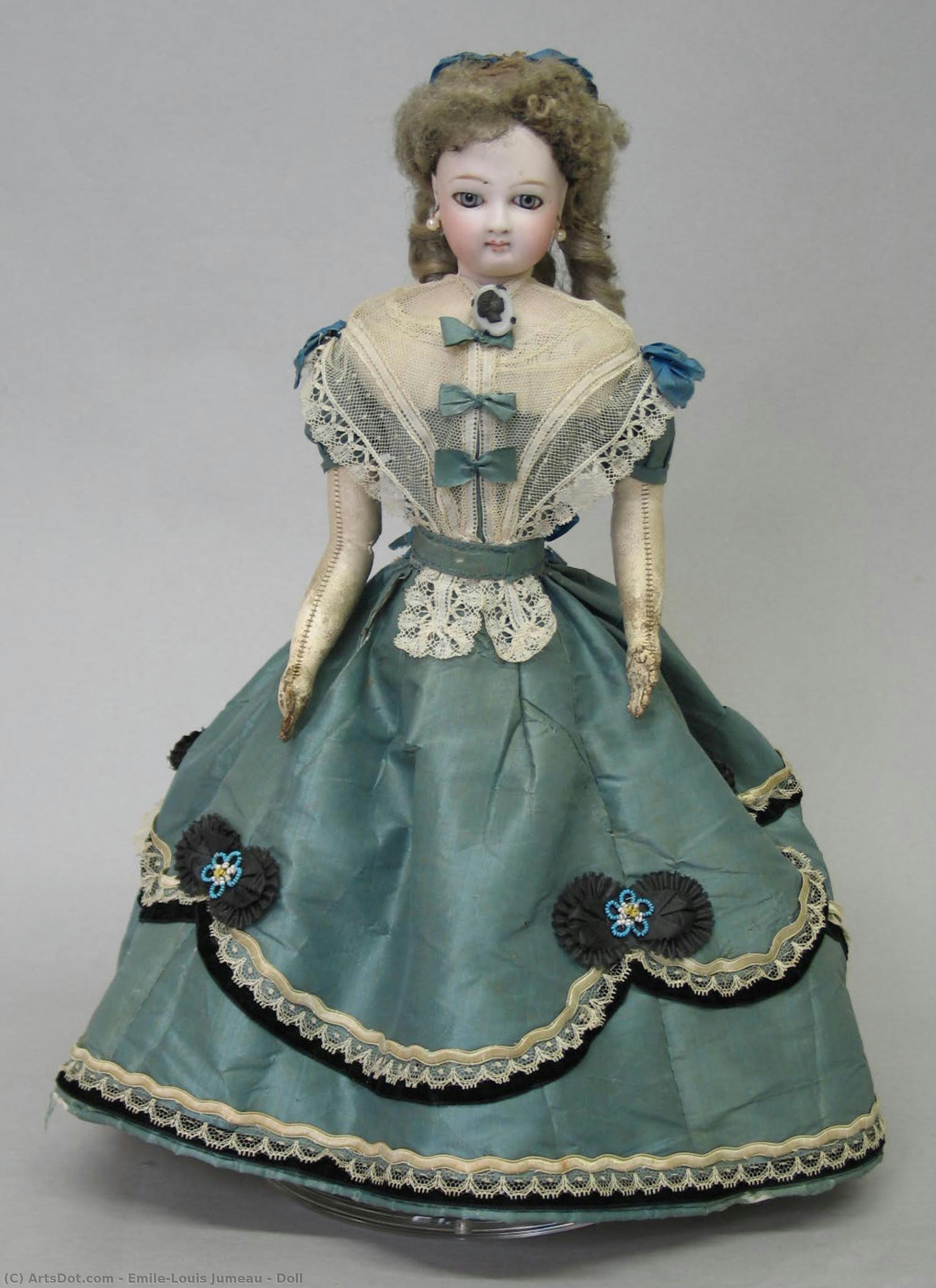
Doll
 1887
1887 38.0 x 30.0 cm
 Romantic Museum Can Llopis
 Pročitaj više
Ručno rađena uljana reprodukcija
Ručno oslikano uljanim bojama na platnu u dimenzijama i okviru po vašem izboru, izrađeno po porudžbini od strane naših umetnika. ( Kupi print Kupi digitalnu sliku)




































Izaberite jednu od naših unapred definisanih veličina koje odgovaraju originalnim proporcijama umetničkog dela.

Можете унети сопствене димензије како бисте прилагодили дело одређеном оквиру или простору. Ако одабрана величина не одговара пропорцијама оригинала, слика ће бити исечена или проширена додатним елементима који се ручно насликавају. Дигитални prikaz ће вам бити послат на одобрење пре почетка производње.
Имајте на уму да преглед на екрану не одражава стварно исецање или проширење. Само приказ (mockup) ће тачно приказати коначну композицију.
Иако су доступне прилагођене величине, препоручујемо да одаберете димензију из дефинисане листе како бисте сачували оригиналне пропорције.
Nakon narudžbine, tim OriginalUniqueArt.com će klijentu putem e-pošte poslati uputstva i dostaviti prikaz predloženog rešenja
Isporuka širom sveta () za 3/4 nedelje umesto uobičajenih 5 nedelja. (18 август). Bez kompromisa po pitanju kvaliteta.

Besplatna ekspresna dostava širom sveta

Visokokvalitetno laneno platno

Kompletno osiguranje transporta

Garancija povraćaja carine i uvoznih dažbina

Garancija vernosti boja

Politika povrata u roku od 60 dana (samo u slučaju nedostataka)

Garancija povrata novca od 100%

Popust pri grupnoj kupovini
 Opcija sa staklom dostupna je samo za dimenzije manje od 110 cm

Doll
Tehnika reprodukcije
Dimenzije reprodukcije
-


Konačna cena
$ 300
Biografija umetnika
Washington Allston: Pioneer of American Romanticism
Washington Allston (November 5, 1779 – July 9, 1843) stands as a pivotal figure in the early development of American landscape painting and a key innovator within the burgeoning Romantic movement. Born near Pawleys Island, South Carolina, into a family with roots deeply entwined with the rice plantations of the Lowcountry, Allston’s life was marked by both privilege and profound personal tragedy. His artistic journey began not in conventional academic settings but through self-directed study and extensive travel to Europe, experiences that profoundly shaped his unique vision and technique. Initially known for grand, theatrical landscapes depicting dramatic natural phenomena – towering mountains, tempestuous seas, and ethereal skies – Allston’s work evolved over time, reflecting a shift towards subjective emotion, psychological depth, and a fascination with the unseen realms of the imagination. He wasn't merely recording scenes; he was attempting to capture the *feeling* of nature, imbuing his canvases with an atmosphere of mystery and melancholy.Early Life and Influences: A Southern Gentleman’s Education
Allston’s early life provided a unique foundation for his artistic development. His family's history included both military service and mercantile ventures, exposing him to diverse cultural influences. He received a classical education at Harvard College in 1800, but found the rigid academic structure stifling. Following graduation, he embarked on a transformative journey to England in 1801, seeking artistic training and broadening his horizons. This period proved crucial; he was admitted to the Royal Academy Schools in London, an institution that offered unparalleled access to artistic knowledge and techniques. Crucially, he also cultivated friendships with prominent figures like Washington Irving and Samuel Taylor Coleridge, absorbing their intellectual currents and philosophical perspectives. The influence of the Romantic poets, particularly Coleridge’s exploration of the sublime—that feeling of awe and terror inspired by nature's grandeur—is readily apparent in Allston’s later works. His exposure to the art collections of Paris and Italy further fueled his artistic ambitions, introducing him to classical masters and inspiring a desire to emulate their techniques while forging his own distinctive style.Technique and Style: Light, Color, and the Subconscious
Allston’s artistic technique was characterized by an innovative use of light and color—a hallmark of the Romantic movement. He meticulously studied atmospheric effects, employing a layered approach to paint that created a sense of depth and luminosity. Unlike many of his contemporaries who focused on precise detail, Allston prioritized capturing the *impression* of light, often using thin glazes and delicate washes to evoke a hazy, dreamlike quality. His palette was rich and vibrant, dominated by blues, greens, and purples—colors he believed best conveyed the mood and atmosphere of nature. Furthermore, Allston experimented with unconventional methods, including the use of charcoal and pastel to create subtle tonal variations and textural effects. He wasn’t simply painting what he *saw*; he was attempting to translate his inner emotional state onto the canvas. This is particularly evident in his later works, which often depict solitary figures lost within vast, desolate landscapes—a reflection of his own personal struggles with loss and loneliness.Major Works and Legacy
Throughout his career, Allston produced a substantial body of work that showcases his artistic evolution. Early masterpieces like *Ann Channing* (1809-15) and *Margaret Remington Dana* (1830-43) established his reputation for dramatic landscapes featuring idealized figures within breathtaking natural settings. However, it was in the 1830s and 1840s that Allston truly distinguished himself with a series of intensely personal and psychologically complex paintings. Works such as *The Sylphs of the Seasons* (1813), *The Spectre*, and *The Haunted Palace* (all painted between 1842-1843) reveal a profound exploration of themes such as mortality, memory, and the subconscious mind. These later works are often characterized by their unsettling atmosphere, ambiguous symbolism, and haunting beauty—qualities that cemented Allston’s place as a visionary artist ahead of his time. Despite facing financial difficulties and personal tragedies, including the loss of his beloved wife, Ann Channing, Allston continued to paint until his death in 1843. His legacy endures not only through his paintings but also through his pioneering role in shaping American landscape painting and his influence on subsequent generations of artists.Historical Significance
Washington Allston’s contribution to the development of American art is undeniable. He was one of the first American painters to fully embrace the tenets of Romanticism, rejecting the Neoclassical emphasis on reason and order in favor of emotional expression and imaginative vision. His work helped to establish landscape painting as a legitimate genre within the American art world, paving the way for artists like Thomas Cole and Frederic Church. Furthermore, Allston’s exploration of psychological themes—particularly his depiction of solitude, melancholy, and the power of nature—resonates deeply with contemporary viewers, solidifying his status as an artist whose work continues to captivate and inspire. He is remembered not just as a painter of beautiful landscapes but as a profound observer of the human condition and a master of atmospheric illusion.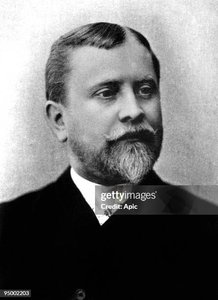
emile-louis jumeau
1843 - 1895 , France
Osnovne informacije
- Artistic Movement Or Style: Romantic Landscape
- Artists Or Movements Influenced By This Artist: ['Royal Academy']
- Artists Who Influenced This Artist: ['Benjamin West']
- Date Of Birth: November 5, 1779
- Date Of Death: July 9, 1843
- Full Name: Washington Allston
- Nationality: American
- Notable Artworks:
- Ann Channing
- Margaret Dana
- Place Of Birth: Waccamaw Parish, SC

