
 Pregledaj u prostoru
 Pošalji
 Podeli
 Detalji o delu
 Vodič
Vodič

 Preuzmi
 Slični predmeti
 Rendgenski snimak
 Automatska prezentacija
 Pitanja i odgovori
 Statistika
St Francis and Brother Rufus

- 102.0 x 65.0 cm


 Pročitaj više
Giclee štampa / Umetnički otisak
Giclée štampa ili print na platnu muzejskog kvaliteta uz brzu izradu i raznovrsne opcije završne obrade. ( Kupite ručno oslikano delo Pređi na digitalnu sliku)




P118B дин10

P118H дин10

P118W дин10

P438Z дин10

P508JH дин12

P508YH дин12

P805H дин10

P805Z дин10

P919BZ дин10

P919G дин10

P919XJ дин10

P959ZH дин10

P968JZ дин12

W106C дин8

W218G дин10

W218JH дин8

W218Y дин10

W307PJ дин10

W316G дин10

W316PJ дин8

W316Y дин10

W398PJ дин8

W4111J дин10

W500HY дин15

W500JH дин15

W692G дин12

W849H дин8

W940BG дин15

W953PJ дин8




Izaberite jednu od naših unapred definisanih veličina koje odgovaraju originalnim proporcijama umetničkog dela.

Unesite željenu širinu i visinu kako bi se štampa uklopila u vaš ram ili zid. Štampu je moguće samo iseći, ali nikada povećati iznad dimenzija originalne slike, stoga format sa drugačijim proporcijama uzrokuje gubitak dela slike. Pre početka štampe, poslaćemo vam digitalni prikaz radi potvrde. Slika prikazana na ovoj stranici ne predstavlja stvarni isrez — to pokazuje samo digitalni prikaz.
Dostava širom sveta () za 2 nedelje umesto uobičajenih 4/5 nedelja. (4 новембар)

Besplatna ekspresna dostava širom sveta

Visokokvalitetno laneno platno

Potpuno osiguranje transporta

Garancija povraćaja carine i uvoznih dažbina

Garancija vernosti boja

Politika povraćaja u roku od 100 dana (samo u slučaju nedostataka)

Garancija povrata 100% novca

Popust na više proizvoda
 Opcija sa staklom dostupna je samo za dimenzije manje od 110 cm

St Francis and Brother Rufus
Giclee štampa / Umetnički otisak
Dimenzije reprodukcije
-


Ukupna cena
дин 8487
A Portrait of Faith: Exploring El Greco’s “St Francis and Brother Rufus”
Doménikos Theotokópoulos, universally known as El Greco – “the Greek” – remains one of the most enigmatic figures in European art history. Born in Crete in 1541 amidst the Venetian dominion, his artistic trajectory took him through Venice and Rome before establishing a profound connection with Toledo, Spain, where he would spend the remainder of his life creating masterpieces that continue to captivate audiences centuries later. El Greco’s style wasn't simply adopted; it was painstakingly crafted from disparate influences—the solemn grandeur of Byzantine iconography blended seamlessly with Mannerist dynamism—resulting in an aesthetic utterly distinctive and remarkably prescient. This fusion anticipated movements like Expressionism and Cubism, demonstrating a visionary grasp of artistic trends far ahead of his time.- Early Training & Byzantine Roots:
- Venetian Influence: Light and Composition
- Toledo’s Spiritual Landscape: The Birth of El Greco’s Style
- Technique: Dramatic Use of Color and Texture
- Symbolism & Emotional Resonance:
Early Training & Byzantine Roots
El Greco's formative years in Crete instilled within him a meticulous dedication to detail, mirroring the exacting standards of Byzantine art. He studied under Andrea Pavlides, a Venetian artist who championed the stylistic conventions of Constantinople—characterized by flattened figures and luminous halos—a tradition that profoundly shaped El Greco’s artistic sensibilities. This grounding in Byzantine iconography ensured an unwavering focus on conveying spiritual truth through precise representation, influencing his approach to portraying saints and religious subjects throughout his career. The careful rendering of drapery and facial expressions speaks volumes about this foundational influence.Venetian Influence: Light and Composition
Despite his Cretan heritage, El Greco’s artistic development was undeniably impacted by the Venetian Republic. His time in Venice exposed him to the innovative techniques championed by artists like Titian and Tintoretto—particularly their masterful manipulation of light—which would become integral components of his distinctive style. Venetian painters favored dramatic chiaroscuro effects, highlighting contours and creating a sense of theatrical depth; El Greco skillfully adopted these principles, elevating the emotional impact of his paintings. The composition itself reflects this influence, favoring dynamic arrangements that draw the viewer’s eye towards key figures and conveying a palpable energy.Toledo’s Spiritual Landscape: The Birth of El Greco’s Style
El Greco's relocation to Toledo solidified his artistic identity. Situated in Castile during a period marked by fervent religious fervor, Toledo provided him with an environment conducive to exploring themes of piety and asceticism. Here, he honed his style—characterized by elongated figures, distorted perspectives, and vibrant colors—creating works that resonate deeply with the spiritual ethos of the era. The artist’s deliberate use of color – particularly reds and golds – served not merely as decorative embellishment but as symbolic representations of divine grace and illumination.Technique: Dramatic Use of Color and Texture
El Greco's technique was revolutionary for its time. He employed a layering process known as “alla prima,” applying paint directly onto the canvas without preliminary sketches, maximizing expressive potential. His masterful manipulation of color—often employing bold hues against muted backgrounds—created striking visual contrasts that intensified emotional impact. Furthermore, he achieved remarkable textural effects through meticulous brushwork, conveying the physicality and vulnerability of his subjects. The resulting surfaces shimmer with luminosity, capturing the ethereal quality so characteristic of El Greco’s oeuvre.Symbolism & Emotional Resonance
“St Francis and Brother Rufus” exemplifies El Greco's profound understanding of symbolism. The skull held by St. Francis serves as a poignant reminder of mortality—a central preoccupation in Christian art—inviting contemplation on the brevity of earthly existence and urging viewers to embrace spiritual virtue. Coupled with the solemn postures of the figures and the dark backdrop, the painting communicates an atmosphere of introspection and reverence. El Greco’s ability to evoke emotion through visual form transcends mere representation; it achieves a level of psychological depth that continues to inspire admiration and contemplation today. This artwork is more than just paint on canvas—it's a testament to the enduring power of faith and artistic vision.Pitanja i odgovori
Kolika je bojno ujednačena kompozicija dela „St Francis and Brother Rufus”, autor Ел Греко?
Harmonija boja dela "St Francis and Brother Rufus" opisana je kao Balanced Harmony.
Kakav je emocionalni ton dela „St Francis and Brother Rufus”, autor Ел Греко?
Emocionalni ton zabeležen za „St Francis and Brother Rufus”, autor Ел Греко je Spiritual, što sažima osećaj koji ovo delo izražava.
Kako se kontrast i harmonija spajaju u delu "St Francis and Brother Rufus"?
Analiza boja dela „St Francis and Brother Rufus”, autor Ел Греко beleži Serene kontrast i Balanced Harmony harmoniju.
Biografija umetnika
Доменикос Теотокoполос, познат као Ел Греко: Живот изграђен вером и пламеном
Доменикос Теотокoполос, свету познатији као Ел Греко – „Грк“ – био је сликар чији живот и дело надмашују лаке категоризације. Рођен 1541. године на острву Крит, тада под влашћу Венеције, његово уметничко путовање га је одвело преко Венеције и Рима, да би свој највећи израз доживео у духовном срцу Шпаније: Толеду. Ел Греко није био само производ ових места; он је синтетизовао њихове утицаје у нешто сасвим јединствено, стил који је најављивао емоционалну интензивност експресионизма и фрагментиране облике кубизма вековима касније. Његов рани тренинг у византијској традицији усадио му је пажњу за детаље и дубоко разумевање религиозне иконографије. Ова основа, међутим, није га ограничила. Подносио је своја дела на грчком, често додајући „Krḗs“ – Критски – као поносан израз свог порекла, чак док се упуштао у нове уметничке територије. Семена његовог препознатљивог стила била су посејана не само у техници, већ и у жутој религијској клими своје домовине и богатом тесању венецијанске уметности.Од Венеције до Толеда: Трансформација
Прелазак у Венецију око 1567. године означио је преломни тренутак. Укључен у нагли уметнички поглед, Ел Греко је проучавао мајсторе – Тицијан, Тинторето, Веронезе – апсорбујући њихову способност боје, композиције и драматичног осветљења. Научио је да пусти свој четкицу, да пригрли сензуалност уљне боје и да прикаже фигуре са новом динамиком. Овај венецијански утицај видљив је у раним делима као што је *Свети Себастијан* (1600), где се анатомски детаљи беспрекорно мешају са готово позоришним коришћењем светлости и сенке. Наредна станица у Риму представила га је мањеризму, стилу карактерисаном дугачким облицима, изобличеним перспективама и софистицираним композицијама. Иако је показао значајан таленат, Ел Греко је имао потешкоћа да добије широку признавање у конкурентном римском свету уметности. Управо његов прелазак у Толедо 1577. године коначно је омогућио напретку његове јединствене визије. Град, тада средиште верске жуте током Контрареформације, пружио је и покровитељство и атмосферу повољну за његову интензивно религиозну слику.Стил без премца
Уметнички стил Ел Грека одмах се препознаје – и сасвим задивљује. Његове фигуре су често драматично издужене, тела истегнута и искривљена у позе које преносе осећај духовне ектaзе или дубоке патње. Ово није једноставно стилско лудило; то је покушај да се прикаже непознато, емоционална и духовна реалност која лежи изван површине ствари. Мајсторски је користио боју – не нужно реалистичну боју, већ живе, често неуобичајене нијансе – како би појачао емотивни утисак свог рада. Драматично осветљење, са оштрим контрастом између светлости и сенке, ствара позоришни ефекат, увлачећи посматрача у срце сцене. *Полагање грофа од Оргаза* (1586-1588), сматра се његовим мајсторским делом, савршено илуструје ове особине. Слика приказује чудесни догађај – силазак светих да сахране благочестивог племића – са изузетном реалистичношћу у приказу савремених фигура поред етеричних, издужених облика који представљају божанску интервенцију. Он је спојио византијске традиције са техникама ренесансе, стварајући стил који је био иновативан и дубоко личан. Његова каснија дела постала су све мистичнија, одражавајући његове сопствене дубоке верске убеђења и растуће дистанцирање од уобичајених уметничких норми.Заоставштина и поновно откривање
Упркос значајном успеху који је постигао током свог живота – добијајући важне поруџбине од цркава и манастира у Толеду – рад Ел Грека пао је у релативну заборав након његове смрти 1614. године. Вековима је био углавном преглеђен од стране историчара уметности, одбачен као ексцентричан или провинцијски уметник. Једва је у 20. веку почела да се цени његова генијалност. Уметници попут Пикаса и Брака препознали су га као претечу модерне уметности, посебно кубизма, дивећи му се изобличеним облицима и неуобичајеним перспективама. Његов експресионистички стил резоновао је са експресионистима који су тражили да пренесу емоционалну интензивност смелим бојама и драматичним композицијама. Данас се Ел Греко слави као једна од најважнијих фигура у западном свету уметности – визионарски сликар чије дело наставља да задивљује публику својом духовном дубином, емотивном моћи и јединственом уметничком визијом. Његове слике нису само репрезентације религиозних сцена; они су прозори у душу, сведочанства о трајној моћи вере и прославе способности човечког духа за надраштавање.Истакнути радови
- Полагање грофа од Оргаза (1586-1588): Његово неспорно мајсторско дело, монументално дело које спојава реализам и духовну интензивност.
- Пут до Толеда (1596-1600): Драматичан пејзаж који приказује град у вртложачном, атмосферском стилу, хватајући његову суштину са готово визионарском квалитетом.
- Отварање петтег печата (1608-1614): Део серије инспирисане Књигом Откривања, ова слика илуструје Ел Грекову апокалиптичну визију и његову способност драматичне композиције.
- Свети Себастијан (1600): Моћна представа свеца, која комбинује анатомске детаље са позоришним осветљењем и емоционалном интензивношћу.
- Есполио (Основни део Христа) (1577-1579): Рано дело које приказује његове венецијанске утицаје и драматичну употребу боја и светлости.

Ел Греко
1541 - 1614 , Grčka
Osnovne informacije
- Datum Rođenja: 1 oktobar 1541.
- Datum Smrti: 7 april 1614.
- Mesto Rođenja: Krita, Grčka
- Nacionalnost: Grk-Španski
- Pokreti Pod Uticajem:
- Ekspresionizam
- Kubizam
- Puno Ime: Domenikos Teotokópoulos
- Umetnički Pokret: Manirizam, Barok
- Uticajni Umetnici:
- Titian
- Tintoretto
- Značajna Dela:
- Sahranjivanje grofa Orgaza
- Pogled na Toledo
- El Espolio
- Sveti Sebastijan
Povezani članci

Francis Bacon: 25 Remek-dela Ikoničnog Ekspresioniste | Reprodukcije i Inspiracija za Dom
Istražite 25 remek-dela Francis Bacon-a – ikona ekspresionizma. Otkrijte priče iza njegovih snažnih portreta, triptiha i tamne palete boja. Reprodukcije slika vrhunskog kvaliteta za vaš dom na OriginalUniqueArt.com!

Fra Anđeo: 25 Remek-dela Renesansnog Duha za Vaš Dom | OriginalUniqueArt
Uronite u svet Fra Anđela – 25 remek-dela renesansnog slikara. Otkrijte priče iza njegovih čuvenih fresaka i oltarskih slika, inspiracija za enterijer i duhovni mir. Kupite reprodukcije vrhunskog kvaliteta na OriginalUniqueArt.com!

El Greco: 25 Remek-dela koji definišu Viziju i Duh (Reprodukcije za vaš Dom)
Istražite 25 remek-dela El Greka! Otkrijte priče iza njegovih ikoničnih slika, baroknog stila i duboke spiritualnosti. Reprodukcije vrhunskog kvaliteta za vaš dom na OriginalUniqueArt.com.
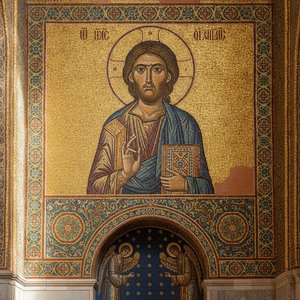
Byzantine Art Unveiled: The Divine Radiance of Golden Mosaics and Sacred Iconography
Journey through the luminous history of Byzantine art. Unveil the profound symbolism of sacred icons and the breathtaking brilliance of gold-leaf mosaics in this expert cultural retrospective. A soulful exploration for the discerning art lover.

Giotto di Bondone: 25 Remek-dela koji definišu renesansu | OriginalUniqueArt
Istražite 25 remek-dela Giotta di Bondonea i otkrijte renesansnu umetnost u punom sjaju. Freske, oltarske slike & istorija italijanske umetnosti na OriginalUniqueArt.com! Reprodukcije vrhunskog kvaliteta za vaš dom.


