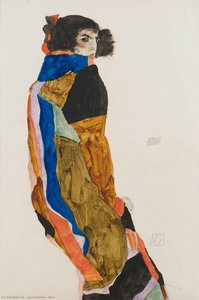
Pregledaj u prostoru
 Podeli
 Podeli
 Detalji
 Vodič
Vodič

 Preuzmi sliku
 Slični predmeti
 Rendgenski snimak
 Automatska prezentacija
 Statistika
Kraj Sinoćnjeg Neba
 Akril na platnu
- Umetnost za zidove
- Expressionist
 1913
1913- Moderna umetnost
 90.0 x 90.0 cm
 Leopold Museum
 Pročitaj više
Giclee štampa / Umetnički otisak
Giclée štampa ili print na platnu muzejskog kvaliteta uz brzu izradu i raznovrsne opcije završne obrade. ( Naručite ručno oslikano reprodukciju Pređi na prodaju digitalnih slika)




P118B дин10

P118H дин10

P118W дин10

P438Z дин10

P508JH дин12

P508YH дин12

P805H дин10

P805Z дин10

P919BZ дин10

P919G дин10

P919XJ дин10

P959ZH дин10

P968JZ дин12

W106C дин8

W218G дин10

W218JH дин8

W218Y дин10

W307PJ дин10

W316G дин10

W316PJ дин8

W316Y дин10

W398PJ дин8

W4111J дин10

W500HY дин15

W500JH дин15

W692G дин12

W849H дин8

W940BG дин15

W953PJ дин8




Izaberite jednu od naših unapred definisanih veličina koje odgovaraju originalnim proporcijama umetničkog dela.

Unesite širinu i visinu koja vam je potrebna, kako bi se uklopili u vaš ram ili na vaš zid. Štampa se može samo iseći, nikada ne može biti veća od originalne slike, stoga format sa drugačijim proporcijama gubi deo slike. Poslaćemo vam digitalni prikaz radi potvrde pre nego što započnemo štampu. Slika prikazana na ovoj stranici ne pokazuje stvarni rez — to pokazuje samo digitalni prikaz.
Dostava širom sveta () za 2 nedelje umesto uobičajenih 4/5 nedelja. (23 октобар)

Besplatna ekspresna dostava širom sveta

Visokokvalitetno laneno platno

Sveobuhvatno osiguranje transporta

Garancija povraćaja carine i uvoznih dažbina

Garancija vernosti boja i autentičnosti pri reprodukciji

Politika povraćaja u roku od 100 dana (samo u slučaju nedostataka)

Garancija povrata 100% novca

Popust pri većoj količini
 Opcija sa staklom dostupna je samo za dimenzije manje od 110 cm

Kraj Sinoćnjeg Neba
Giclee štampa / Umetnički otisak
Veličina reprodukcije
-


Ukupna cena
дин 8263
Setting Sun by Egon Schiele
Egon Schiele-јев *Setting Sun* (Залазак Сунца), завршен 1913. године, превазилази једноставну слику пейзажа; он садржи дубоке ствари и меланхоличну лепоту карактеристичне за аустријски експресионизам. Оволикарство се налази у Музеју Леополд у Бечу, Аустрија, а ова монументална маст на платну (90 x 90 цм) није само представница сумрака – то је витално истраживање смрти, изолације и неизбежног проласка времена, са Шилеовим значајним, оштрим линијама и узбурканом психологијом.Књижени контекст: Дух Експресионизма
Шиле је чврсто столовао у предвечерју виенског експресионистичког покрета, реагујући на декоративне конвенције Ар Ноува и прихватајући радикално субјективан приступ представљању ствари. Утицали су га уметници као што су Едвард Мунк и Оскар Кокошкова, а Шиле је тражио да пренесе унутрашње узбуде уместо спољних појава. Њени платна пуцају емоцијама – страхом, рањивошћу и свесци о разградњу – што одражава турбулентан саобраћајну и политичку климу Европе на почетку века, обележену ратним страховима и растућим модернистичким идејама. Главна вера у ове покрети била је да би уметност требало да изражава најдубље осећаје уметника, пружајући приоритет емоционалној интензивости уместо реалистичног претпостављања.Композиција и техника: Пейзаж Немира
Слика представља строго упроштршен пейзаж доминантан један само дрво са мало листова против пламенског заката. Планински лик се виђе у удаљеном хоризонту, пружајући осећај величине контраст са пустањем предњег дела. Два човека – позиционирана са обе стране композиције – су намирнито интегрисана у сцену, изгледајући као да су поглођени размишљањима или можда оптерећени нереченима страховима. Шилеова мастерска техника користи дебљи грунд преко четкица да пренесе текстуру и динамику, хватајући пролазну лепоту заката док истовремено указује на његову неизбежну побуду. Коришћење умирених румена и плава сачињава хармоничан али узбуркан палета, што одражава емоционални срце уметности.Симболизам: Ехо Разградње и Памти
Иза својих формалних елемената, *Setting Sun* је напуњен симболичким значењем. Орубано дрво представља рањивост и лакоћу – пажљив подсетник о смрти, док закат сам одражава пролеће и прихватње неизбежног промена. Шилеова намерна избор да прикаже човеке у умиреним тоновима појачава ову меланхолију и интроспекцију. Као што је Рудольф Леополд еуфорично запазио, "Сликарство само није довољно за мене; знам да се може користити бојом да се успоставе квалитети." Слика не посматра природу; она се бори са постојећим питањима о животу кратке и човечанске природе.Емоционални утицај: Портрет Унутрашњег Немира
У крајњу мери, *Setting Sun* успева да запамти дубоко емоционално резонансу. Она позива гледаоце да размишљају о темама губитка, појединачности и сукота са смрћу – теме које су централне за Шилеово уметничко виђење. Слика је немирна станост приморава на размишљање, подстичући нас да се суочимо са нашим страховима о времену и постојању. Као и многи од Шилеових дела, то говори о дубоком осећају човекове рањивости и неизбежне лепоте пронађене у моментима меланхолије. Њеј трајан моћ лежи у способности да изазове осећај тишине са страхом мешаним са прихватњем прелепог – сведок Шилеовог беспрекорног умета као уметника и његове непоколебљиве посвећености износу сложености човекове психике.- Покрет: Експресионизам
- Теме: Пейзаж, Закат, Човек, Презимљење, Меланхолија, Природа, Сумрак
- Креативна епоха: Ранљи Експресионизам
- Контекст корпуса: Ар Ноува мешање, Аустријски експресионизам, Размишљање о смрти, Пейзаж меланхолије, Истраживање човекове присутности
Pitanja i odgovori
Da li je dostupno preuzimanje "Kraj Sinoćnjeg Neba" u visokoj rezoluciji?
Da biste dobili digitalni fajl dela „Kraj Sinoćnjeg Neba”, Егон Шиле, poručite preuzimanje digitalne slike visoke rezolucije na njegovoj stranici Digitalna slika.
Koje boje dominiraju u delu „Kraj Sinoćnjeg Neba”, Егон Шиле?
Koloristički identitet dela „Kraj Sinoćnjeg Neba”, Егон Шиле: paleta u nijansama Zemljasti tonovi, sa dominacijom boje Zelena ftalocijanina (#181b19).
Da li „Kraj Sinoćnjeg Neba”, Егон Шиле koristi jake kontraste ili nežne harmonije?
U delu "Kraj Sinoćnjeg Neba", Izjava kontrast je uparen sa Strong Color Unity harmonijom.
Biografija umetnika
A Life Forged in Expression
Born in 1890 in the Austrian town of Tulln an der Donau, Egon Schiele’s life was a tempestuous journey marked by both extraordinary artistic vision and profound personal hardship. His early years were shadowed by illness and loss; his father succumbed to syphilis when Egon was just fourteen, a tragedy that would deeply resonate within his work, fueling an obsession with mortality and the fragility of existence. Raised initially by his mother and then under the somewhat controlling guardianship of his uncle Leopold Czihaczek, Schiele’s childhood lacked conventional stability but fostered a fiercely independent spirit. Even as a boy, he displayed an intense fascination with trains—a motif that subtly reappeared in later paintings—and a burgeoning talent for drawing, though this was initially met with disapproval from his father who saw it as a distraction from more practical pursuits. The early death of his sister Elvira also cast a long shadow over the young artist’s psyche. These formative experiences instilled within him a sensitivity and an emotional rawness that would become hallmarks of his artistic expression, a constant grappling with themes of life, death, and the human condition.
The Crucible of Vienna: Artistic Development
Schiele's formal artistic training began at the Kunstgewerbeschule (School of Arts and Crafts) in Vienna, but he quickly found himself stifled by its conservative approach. He transferred to the Akademie der bildenden Künste (Academy of Fine Arts), only to become further disillusioned with its rigid academic traditions. This dissatisfaction led him to abandon formal training altogether, choosing instead to forge his own path, a testament to his unwavering artistic conviction. The influence of Gustav Klimt was pivotal during these early years; Schiele admired Klimt’s decorative style and exploration of symbolism, even receiving mentorship from the established artist. However, Schiele soon diverged from Klimt's aesthetic, developing a distinctly individual voice characterized by its stark honesty and psychological intensity. He co-founded the Neues Wiener Kunstgruppe (New Viennese Art Group) in 1909, aligning himself with other progressive artists who challenged the prevailing artistic norms. His early works, often unsettling portraits and self-portraits, began to emerge as powerful statements of emotional turmoil, featuring distorted figures and a palpable sense of vulnerability. These paintings were not merely representations of physical form but explorations of the inner landscape—the anxieties, desires, and fears that haunted the human psyche.
Raw Emotion and Unflinching Truth
Egon Schiele’s art is immediately recognizable for its raw honesty and psychological depth. He fearlessly confronted themes often considered taboo – sexuality, death, anxiety, isolation – with an unflinching gaze. His distinctive style features elongated figures, contorted poses, and expressive lines that convey a sense of unease and emotional intensity. The human form, particularly the nude, became his primary subject, not as an object of idealized beauty but as a vessel for exploring the complexities of human experience. Self-portraits constitute a significant portion of his oeuvre, offering intimate glimpses into his inner world—a world often marked by loneliness and self-doubt. He didn’t shy away from depicting himself in unflattering or vulnerable poses, revealing a profound level of self-awareness and introspection. Beyond self-portraiture, Schiele created numerous portraits of others, capturing their likenesses with an unsettling realism that seemed to penetrate beneath the surface. His landscapes, while less central to his work than his figurative paintings, demonstrate his mastery of form and color, often reflecting the same emotional intensity as his portraits. The use of line is particularly striking in Schiele’s work; it's not merely a tool for defining shape but an expressive force that conveys emotion and psychological tension. Recurring motifs like the *Physalis plant* – symbolizing death and transience with its delicate, papery husk – further underscore this preoccupation with mortality.
A Legacy Cut Short: Achievements & Significance
Despite facing censorship and legal challenges – including a brief imprisonment for allegedly corrupting minors with his art – Schiele gained recognition within Vienna’s avant-garde circles. His work challenged the conventions of the time, provoking both admiration and outrage. By the time of his untimely death during the Spanish flu pandemic in 1918 at the age of twenty-eight, he had established himself as a leading figure in Austrian Expressionism. Significant works such as Self-Portrait with Physalis, Couple Embracing, and Field Landscape (Kreuzberg near Krumau) stand as testaments to his artistic genius. His influence on subsequent generations of artists is undeniable, particularly those interested in exploring psychological themes and challenging conventional artistic norms. Schiele’s bold approach to form and subject matter continues to resonate with audiences today, making him one of the most important and influential figures in early 20th-century art. His paintings are now held in major museum collections worldwide, including the Leopold Museum in Vienna and the Egon Schiele Art Centrum in Český Krumlov, ensuring his artistic legacy endures. He left behind a body of work that is not merely aesthetically compelling but profoundly human—a testament to the power of art to confront the complexities of existence with honesty, courage, and unwavering vision.
- Key Themes: Mortality, sexuality, isolation, psychological turmoil.
- Influences: Gustav Klimt, Viennese Secession, personal trauma.
- Style Characteristics: Elongated figures, contorted poses, expressive lines, raw emotion.

Егон Шиле
1890 - 1918 , Австрија
Brzi pregled
- Artistic Movement Or Style: Ekspresionizam
- Artists Who Influenced This Artist: ['Gustav Klimt']
- Date Of Birth: 1890
- Date Of Death: 1918
- Full Name: Egon Schiele
- Nationality: Austrijski
- Notable Artworks:
- Samoportret sa fizišalijom
- Par ljubavi
- Polje pejzaž
- Place Of Birth: Tulln, Austria
Srodni članci
Expressionist Painting: 10 Masterpieces That Defined a Movement | OriginalUniqueArt
Explore 10 Expressionist paintings that revolutionized art! Discover Munch, Kirchner & Kandinsky's iconic works. Find museum-quality reproductions and vibrant canvas prints to elevate your home decor on OriginalUniqueArt.com.
Egon Schiele: 25 Remek-dela Ekspresionizma za Vaš Dom | OriginalUniqueArt
Istražite 25 remek-dela Egona Schielea – ekspresionističkih portreta i slika koje odražavaju duboke emocije. Kupite reprodukcije vrhunskog kvaliteta za dekoraciju enterijera na OriginalUniqueArt.com! Otkrijte celu kolekciju online.
Glavna dela ekspresionizma: 10 remek-dela koja su definisala umetnički pokret
Otkrijte 10 remek-dela ekspresionizma! Uronite u svet Edvarda Muncha, Ernsta Ludwiga Kirchnera i drugih. Istaknute umetničke slike, intenzivne boje i emocionalni izraz. Pronađite inspiraciju za svoj enterijer na OriginalUniqueArt.com – vrhunski izbor reprodukcija slika!
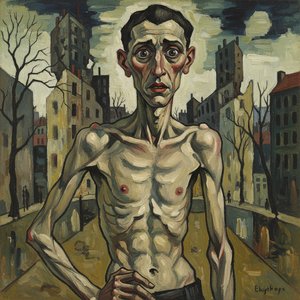
Egon Schiele: Expressionism, Anxiety & the Modern Condition – A Comprehensive Exploration
Explore the emotionally charged world of Egon Schiele (1890-1918). Discover his Expressionist masterpieces, psychological themes, and lasting impact on modern art. A comprehensive guide for collectors & enthusiasts.

The Vienna Secession: A Rebellion of Form & Spirit in Fin-de-Siècle Art
Discover the revolutionary Vienna Secession art movement! Explore Klimt, Olbrich & more. Learn about its history, characteristics & lasting influence on modern art. High-quality reproductions available.