

 Pregledaj u prostoru
 Podeli
 Podeli
 Detalji
 Vodič
Vodič

 Preuzmi sliku
 Slični predmeti
 Rendgenski snimak
 Automatska prezentacija
 Statistika
INTERIEUR DE LA GRANGE


 Pročitaj više
Giclee štampa / Umetnički otisak
Giclée štampa ili print na platnu muzejskog kvaliteta uz brzu izradu i raznovrsne opcije završne obrade. ( Naručite ručno oslikano reprodukciju Pređi na prodaju digitalnih slika)




P118B дин10

P118H дин10

P118W дин10

P438Z дин10

P508JH дин12

P508YH дин12

P805H дин10

P805Z дин10

P919BZ дин10

P919G дин10

P919XJ дин10

P959ZH дин10

P968JZ дин12

W106C дин8

W218G дин10

W218JH дин8

W218Y дин10

W307PJ дин10

W316G дин10

W316PJ дин8

W316Y дин10

W398PJ дин8

W4111J дин10

W500HY дин15

W500JH дин15

W692G дин12

W849H дин8

W940BG дин15

W953PJ дин8




Izaberite jednu od naših unapred definisanih veličina koje odgovaraju originalnim proporcijama umetničkog dela.

Unesite širinu i visinu koja vam je potrebna, kako bi se uklopili u vaš ram ili na vaš zid. Štampa se može samo iseći, nikada ne može biti veća od originalne slike, stoga format sa drugačijim proporcijama gubi deo slike. Poslaćemo vam digitalni prikaz radi potvrde pre nego što započnemo štampu. Slika prikazana na ovoj stranici ne pokazuje stvarni rez — to pokazuje samo digitalni prikaz.
Dostava širom sveta () za 2 nedelje umesto uobičajenih 4/5 nedelja. (24 октобар)

Besplatna ekspresna dostava širom sveta

Visokokvalitetno laneno platno

Sveobuhvatno osiguranje transporta

Garancija povraćaja carine i uvoznih dažbina

Garancija vernosti boja i autentičnosti pri reprodukciji

Politika povraćaja u roku od 100 dana (samo u slučaju nedostataka)

Garancija povrata 100% novca

Popust pri većoj količini
 Opcija sa staklom dostupna je samo za dimenzije manje od 110 cm

INTERIEUR DE LA GRANGE
Giclee štampa / Umetnički otisak
Veličina reprodukcije
-


Ukupna cena
дин 8248
A Window Into Rural Life: Egbert van der Poel’s *Interieur de la Grange*
Egbert van der Poel's 1640s drawing, *Interieur de la Grange*, isn’t merely a depiction of a barn; it’s a meticulously rendered snapshot of a vanished world – the heart of rural Dutch life before the sweeping changes of the 18th century. Born in Delft amidst the burgeoning prosperity and subsequent devastation of the Thirty Years' War, van der Poel witnessed firsthand the fragility of existence, an experience that profoundly shaped his artistic vision. This work, now faithfully reproduced as a stunning print by OriginalUniqueArt, offers a rare glimpse into a space brimming with quiet industry, domesticity, and a subtle undercurrent of melancholy – a poignant reminder of a simpler time.
The scene unfolds within the confines of a granary, its rough-hewn timbers dominating the composition. Van der Poel masterfully employs a monochrome palette, utilizing varying shades of gray to sculpt form and define texture with remarkable precision. The absence of vibrant color amplifies the sense of realism, drawing the viewer into an atmosphere thick with dust motes and the scent of grain. Notice how the artist skillfully uses light and shadow – diffused illumination filtering through unseen windows – to imbue the space with a tangible three-dimensionality. The meticulous rendering of wood grain, the subtle folds in fabric, and the rough surfaces of pottery all contribute to an intensely tactile experience, inviting us to almost reach out and touch the scene.
A Study in Detail: Technique and Composition
Van der Poel’s technique is characterized by a remarkable attention to detail. He achieves this through the extensive use of fine lines – a hallmark of his style – which delineate every crack, knot, and imperfection within the barn's structure. These delicate lines are juxtaposed with broader strokes that suggest the weight and solidity of the beams and walls. The composition itself is deliberately dense and complex, reflecting the chaotic yet purposeful activity within the granary. A large horizontal band created by the rafters anchors the scene, while a multitude of figures – some actively engaged in tasks like sweeping or tending to animals, others seemingly lost in thought – are scattered throughout the space. This layering creates a sense of depth and movement, suggesting a continuous flow of daily life.
The artist’s use of perspective is particularly noteworthy. Overlapping objects and variations in size create an illusion of spatial recession, drawing the eye deeper into the barn's interior. The receding lines of the rafters, combined with the diminishing scale of figures in the background, effectively convey a sense of depth and volume. This masterful control over perspective elevates the work beyond a simple depiction of a room; it becomes a carefully constructed illusion, inviting the viewer to lose themselves within its intricate details.
Historical Context and Symbolic Resonance
To fully appreciate *Interieur de la Grange*, it’s essential to consider its historical context. The mid-17th century in the Netherlands was a period of remarkable economic growth, fueled by trade and agriculture. Rural communities like those depicted by van der Poel were at the heart of this prosperity, providing sustenance for the burgeoning cities. However, this era was also marked by recurring disasters – floods, fires, and outbreaks of disease – which served as constant reminders of mortality. Van der Poel’s work subtly reflects this duality: it celebrates the vitality of rural life while simultaneously acknowledging its vulnerability.
The presence of various objects within the barn—pottery, barrels, tools—holds symbolic significance. They represent the practical necessities of daily life and the rhythms of agricultural labor. The clutter, far from being haphazard, suggests a space deeply intertwined with work and family. Furthermore, the scene evokes a sense of quiet industry and domesticity – a world away from the grand courts and opulent palaces that defined the lives of the wealthy elite. It’s a testament to the enduring value of simple pleasures and the importance of community.
A Timeless Masterpiece: Reproduction and Beyond
OriginalUniqueArt's faithful reproduction captures the essence of van der Poel’s original drawing with exceptional fidelity. The nuanced tonal variations, delicate lines, and subtle textures are all faithfully reproduced, allowing viewers to experience the work as if they were encountering it for the first time. Whether adorning a contemporary living room or adding a touch of rustic charm to a historic space, *Interieur de la Grange* offers a captivating glimpse into a bygone era – a timeless masterpiece that continues to resonate with its quiet beauty and profound symbolism.
Pitanja i odgovori
Koji umetnički pravac obuhvata „INTERIEUR DE LA GRANGE”, Egbert Van Der Poel?
Pokret koji se povezuje sa delom „INTERIEUR DE LA GRANGE”, Egbert Van Der Poel je Dutch Golden Age. Ova klasifikacija smešta rad među srodne umetnike i umetnička dela.
Da li je „INTERIEUR DE LA GRANGE”, Egbert Van Der Poel portret, pejzaž ili kvadratna kompozicija?
Format dela "INTERIEUR DE LA GRANGE" je Portrait. Ovo je korisno prilikom planiranja mesta na kojem će reprodukcija biti postavljena.
Koja je dominantna nijansa dela „INTERIEUR DE LA GRANGE”, Egbert Van Der Poel?
Green to Violet Spectrum nijansa prožima delo „INTERIEUR DE LA GRANGE”, Egbert Van Der Poel.
Biografija umetnika
Svedok katastrofe: Život i umetnost Egberta van der Poela
Egbert van der Poel, ime možda manje slavno od nekih njegovih savremenika iz holandskog zlatnog doba, ipak zauzima vitalan i dirljiv prostor unutar umetničkog pejzaža sedamnaestovegnih Holandije. Rođen u Delftu 1621. godine, u porodici zanatlija — čiji je otac bio zlatar — Van der Poelov život se odvijao na pozadini naglog prosperiteta i, tragično, razornog neuzdanog puta. Iako detalji o njegovom ranoj edukaciji ostaju donekle neuhvatljivi, istorijski zapisi sugerišu mogućnost učenja pod vodstvom Esaiasa van de Velde, poznatog po svojim prostranim pejzažima, i Aerta van der Neera, majstora atmosferskih efekata svetlosti. Postoje i veze sa slikarom Adrijenom Lievenszom van der Poelom, za koga se veruje da mu je bio brat, kao i studije kod Kornelisa Saftlivena u Roterdamu, što nagoveštava formativni period prožet raznovrsnim umetničkim uticajima. Ova rana izlaganja oblikovala bi Van der Poelov prepoznatljiv stil, spajajući detaljno posmatranje sa dramskom veštinom u dočaravanju kako mira svakodnevnog života, tako i haosa nepredviđenih događaja.Od pejzaža do elegije: Umetnički razvoj i ključne teme
Van der Poelovo umetničko putovanje počelo je fokusom na slikanje pejzaža, popularnog žanra tokom holandskog zlatnog doba. Međutim, on je brzo pokazao talenat za žanrovske scene — prikaze svakodnevice — prožete izuzetnom pažnjom posvećenom detaljima. Njegova rana dela otkrivaju suptilni uticaj njegovih potencijalnih mentora; odjekovi Van de Veldeovih panoramskih vidika i Van Neerove upečatljive upotrebe svetlosti mogu se uočiti u njegovim kompozicije. Dinamični aranžmani koje je favorizovao Saftleven verovatno su doprineli osećaju pokreta i drame koji će postati zaštitni znak Van der Poelovog stila. Godine 1650, zvanično se registrovao u esnaf Svetog Luke u Delftu kao pejzažni slikar, učvrstivši svoj profesionalni status u umetničkoj zajednici. Godinu dana kasnije, oženio se Aeltgen Willems van Linschooten u Maassluisu, blizu Roterdama, i zajedno su izgradili porodicu — sina i tri kćerke — dok su navigirali kroz složenosti života u brzom promenljivom svetu. Ali upravo je događaj koji je 1654. godine srušio mir Delfta neizbrisivo obeležio Van der Poelovo umetničko nasleđe.Eksplozija u Delftu: Trenutak zamrznut u vremenu
Dana 12. oktobra 1654. godine, katastrofalna eksplozija prožešla je Delft, detonirajući skladište baruta i sravnivši veliki deo grada sa zemljom. Živeći u tom pogođenom području u to vreme, Van der Poel je iz prve ruke svedočio nezamislivoj razaranja. Ovaj događaj postao je presudna tema njegovog umetničkog stvaralaštva. Za razliku od mnogih umetnika koji bi se možda uzdržali od prikazivanja takvog užasa, Van der Poel se suočio sa njim direktno, kreirajući seriju slika koje su služile i kao istorijski zapis i kao duboko dirljiva elegija za izgubljene živote i razoreni grad. Eksplozija delftskog magacina, možda njegovo najikoničnije delo, živopisno prikazuje neposredne posledice — scenu potpunog haosa, sa zgradama svedenim na ruševine, figurama koje se probijaju kroz gomilu krhotina i dimom koji se izvija ka nebu. Ove slike nisu samo prikazi uništenja; one su moćni dokazi ljudske otpornosti pred licem tragedije. Druga dela poput Scena u dvorištu i Požar u selu, iako naizgled različitih tema, pokazuju njegov neprestani fascinacioni odnos prema scenama poremećaja i dramatičnim događajima.Stil, značaj i trajno nasleđe
Van der Poelov umetnički stil karakterišu realizam, pedantna pažnja posvećena detaljima i generalno prigušena paleta boja koja njegovim radovima daje sombričan ton. Majstorstvo u upotrebi svetlosti i senke omogućavalo je stvaranje dubine i atmosfere, uvlačeći posmatrača u srce svake scene. Njegove kompozicije često sadrže dinamične rasporede figura i objekata, pojačavajući opšti osećaj drame i neposrednosti. Iako nije bio toliko slavljen tokom svog života kao neki od njegovih kolega, istorijski značaj Van der Poela leži u njegovoj jedinstvenoj dokumentaciji eksplozije baruta u Delftu — slikama koje služe kao neprocenjivi vizuelni zapisi ključnog trenutka u holandskoj istoriji. Umro je u Roterdamu 1664. godine, ostavivši za sobom korpus dela koji i danas rezonuje sa posmatračima. Njegove slike nude uvid u svet holandskog zlatnog doba, beležeći ne samo njegovu lepotu i prosperitet, već i njegovu ranjivost i podložnost tragediji. One nas podsećaju da čak i usred umetničkog veličanstva, uvek postoji prostor za svedočenje — za sećanje i za odavanje počasti onima čije bi priče inače mogle biti izgubljene u vremenu.- Rođen: Delft, Holandija (1621)
- Preminuo: Rotterdam, Holandija (1664)
- Poznat po: Žanrovskim scenama, pejzažima, prikazima eksplozije baruta u Delftu
- Uticaji: Esaias van de Velde, Aert van der Neer, Cornelis Saftleven

Egbert Van Der Poel
1621 - 1664 , Holandija
Brzi pregled
- Artistic Movement Or Style: Holandsko zlatno doba
- Artists Who Influenced This Artist:
- Esaias van de Velde
- Aert van der Neer
- Cornelis Saftleven
- Date Of Birth: 1621
- Date Of Death: 1664
- Full Name: Egbert van der Poel
- Nationality: Holandski
- Notable Artworks:
- Eksplozija delftskog magacina
- Scena u dvorištu
- Požar u selu
- Place Of Birth: Delft, Holandija
Srodni članci

Masterpieces of Light: A Definitive Guide to the Landscapes of the Dutch Golden Age
Discover the luminous mastery of Dutch Golden Age landscapes. Our expert guide explores the atmospheric realism of masters like Van Goyen and Cuyp. Elevate your space with museum-quality, hand-painted oil reproductions from OriginalUniqueArt.com. Art history, beautifully realized.

Rembrandt van Rijn: 25 Majstorstava Svetla i Senke za Vaš Dom | OriginalUniqueArt
Uronite u svet Rembrandta van Rijna! Otkrijte 25 najlepših dela holandskog majstora – portrete, istorijske scene i biblijska platna. Kvalitetne reprodukcije slika za dekoraciju enterijera dostupne na OriginalUniqueArt.com.

Golden Light & Dutch Skies: The Timeless Magic of Dutch Golden Age Landscapes
Discover the breathtaking beauty of Dutch Golden Age landscapes. Explore the mastery of light, chiaroscuro, and 17th-century realism through an expert art history lens, celebrating the enduring legacy of the Dutch Masters for discerning collectors and art lovers.
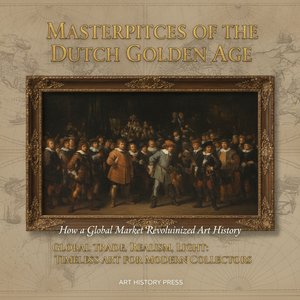
Masterpieces of the Dutch Golden Age: How a Global Market Revolutionized Art History
Explore the profound impact of the Dutch Golden Age. Discover how a global trade revolution transformed art history through breathtaking realism, masterful light, and the elevation of everyday life into timeless masterpieces for the modern collector.

Zlatno doba Holandske umetnosti: Top 10 remek dela za vaš dom
Otkrijte remek dela Holandskog zlatnog doba! Uronite u svet Rembrandta, Vermeera i drugih majstora. 10 ikoničnih slika koje su definisale umetnost. Inspiracija za vaš dom i kolekciju - ekskluzivne reprodukcije na OriginalUniqueArt.com!