
 Pregledaj u prostoru
 Podeli
 Podeli
 Detalji
 Vodič
Vodič

 Preuzmi sliku
 Slični predmeti
 Rendgenski snimak
 Automatska prezentacija
 Statistika
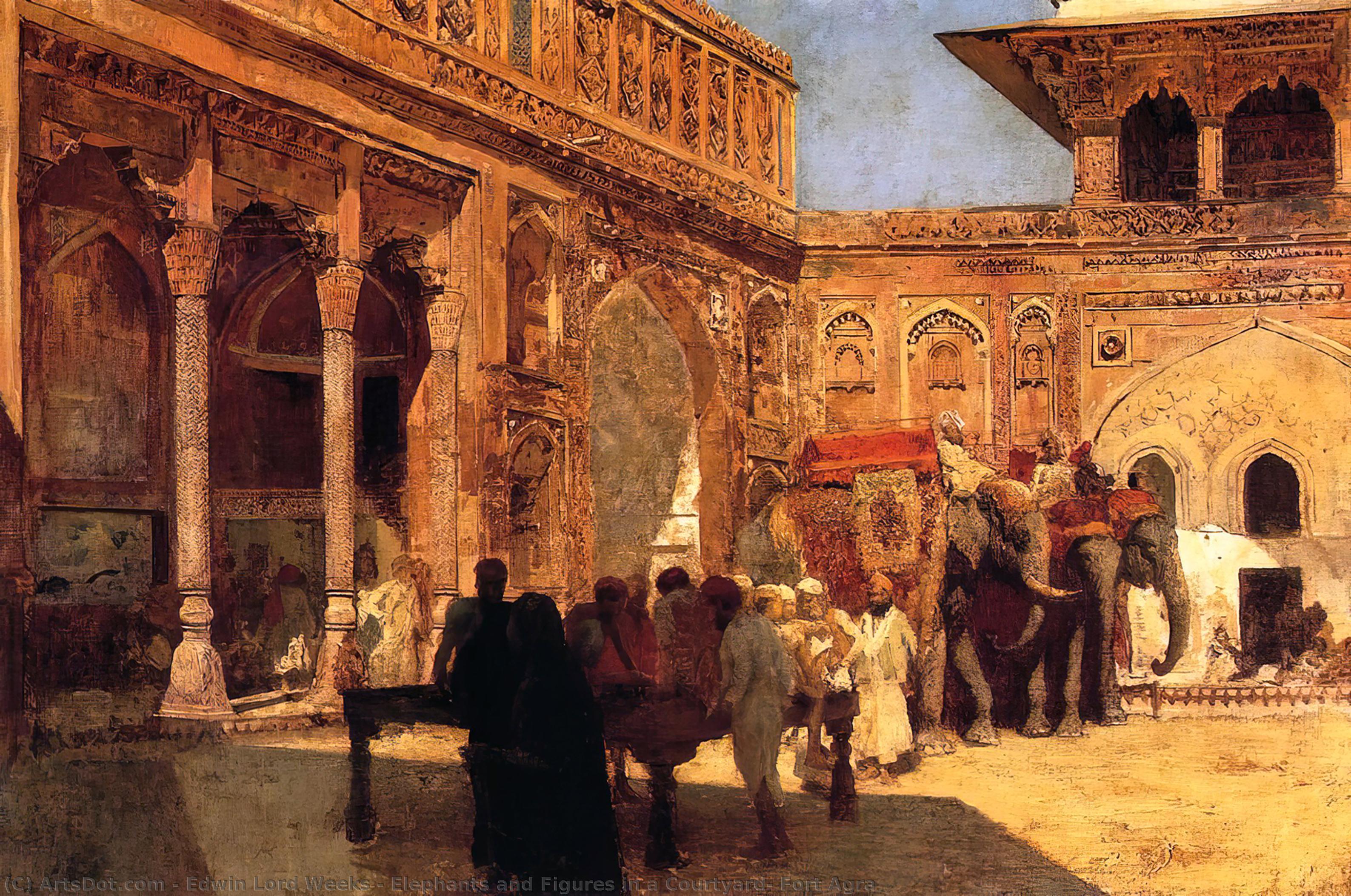
Elephants and Figures in a Courtyard, Fort Agra


 Pročitaj više
Giclee štampa / Umetnički otisak
Giclée štampa ili print na platnu muzejskog kvaliteta uz brzu izradu i raznovrsne opcije završne obrade. ( Naručite ručno oslikano reprodukciju Pređi na prodaju digitalnih slika)




P118B $10

P118H $10

P118W $10

P438Z $10

P508JH $12

P508YH $12

P805H $10

P805Z $10

P919BZ $10

P919G $10

P919XJ $10

P959ZH $10

P968JZ $12

W106C $8

W218G $10

W218JH $8

W218Y $10

W307PJ $10

W316G $10

W316PJ $8

W316Y $10

W398PJ $8

W4111J $10

W500HY $15

W500JH $15

W692G $12

W849H $8

W940BG $15

W953PJ $8




Izaberite jednu od naših unapred definisanih veličina koje odgovaraju originalnim proporcijama umetničkog dela.

Možete uneti sopstvene dimenzije kako biste umetničko delo prilagodili specifičnom okviru ili prostoru. Ako odabrani format ne odgovara proporcijama originalne slike, mi ćemo ili iscrtati deo dela ili proširiti sliku pomoću ogledane ivice ili jednobojnog popunjavanja. Digitalni prikaz će vam biti poslat na odobrenje pre početka proizvodnje.
Imajte na umu da pregled na ekranu ne odražava stvarno iscrtavanje ili proširivanje. Samo će prikaz (mockup) precizno pokazati finalnu kompoziciju.
Iako su prilagođene dimenzije dostupne, preporučujemo da odaberete dimenziju sa unapred definisane liste kako biste očuvali originalne proporcije.
Dostava širom sveta () za 2 nedelje umesto uobičajenih 4/5 nedelja. (25 септембар)

Besplatna ekspresna dostava širom sveta

Visokokvalitetno laneno platno

Sveobuhvatno osiguranje transporta

Garancija povraćaja carine i uvoznih dažbina

Garancija vernosti boja i autentičnosti pri reprodukciji

Politika povraćaja u roku od 100 dana (samo u slučaju nedostataka)

Garancija povrata 100% novca

Popust pri većoj količini
 Opcija sa staklom dostupna je samo za dimenzije manje od 110 cm

Elephants and Figures in a Courtyard, Fort Agra
Giclee štampa / Umetnički otisak
Veličina reprodukcije
-


Ukupna cena
$ 80
A Moment Frozen in Time: Exploring Edwin Lord Weeks’ “Elephants and Figures in a Courtyard, Fort Agra”
“Elephants and Figures in a Courtyard, Fort Agra,” painted circa 1899 by American artist Edwin Lord Weeks, stands as a captivating testament to the Orientalist movement and Weeks' masterful command of artistic technique. More than just a depiction of an exotic locale—the Fort Agra courtyard in India—the painting delves into themes of power, contemplation, and the interplay between humanity and nature, offering viewers a glimpse into the Victorian fascination with distant lands and their symbolic representations.The Painter’s Vision: Style and Technique
Weeks belonged to a generation deeply influenced by Impressionism and Japonisme, blending these stylistic currents to create his distinctive visual language. The painting exemplifies a meticulous approach to composition—a central elephant dominates the scene, balanced by figures positioned strategically around its base. Weeks employed oil paints on canvas with remarkable detail, capturing subtle tonal variations that imbue the courtyard with an atmosphere of diffused light and palpable stillness. His brushstrokes are deliberate yet fluid, conveying both precision and expressive energy – a hallmark of his oeuvre. The artist’s keen observation of natural forms is evident in the rendering of the elephant’s skin texture and the foliage surrounding it, demonstrating Weeks' commitment to realism informed by artistic innovation.Historical Context: Victorian Exoticism
The painting emerged during the height of the Victorian era, a period characterized by imperial expansion and an intense desire for sensory experiences beyond the confines of British society. Orientalist art flourished as artists sought inspiration from cultures perceived as “primitive” or “mysterious,” often portraying idealized visions of landscapes and peoples—a practice that has since been scrutinized for its problematic representations of colonized populations. However, "Elephants and Figures in a Courtyard" transcends mere exotic spectacle; it reflects the Victorian preoccupation with grandeur, spirituality, and the pursuit of knowledge through observation. The courtyard itself symbolizes serenity and contemplation, inviting viewers to consider the relationship between man and the natural world—a concept central to Victorian philosophical thought.Symbolism: Elephants and Human Presence
The elephant serves as a potent symbol of majesty and strength – qualities frequently associated with rulers and empires during the Victorian period. Its imposing stature underscores the dominance of power, yet it is juxtaposed with the presence of human figures engaged in quiet contemplation. These individuals represent humanity's capacity for introspection and spiritual awareness—a counterpoint to the outward displays of imperial ambition. The positioning of the figures around the elephant suggests a hierarchy of influence, mirroring social structures prevalent at the time. Furthermore, the courtyard’s lush vegetation symbolizes fertility and renewal, reinforcing the painting’s overarching message about harmony between humankind and the environment.Emotional Resonance: Capturing Tranquility
Ultimately, “Elephants and Figures in a Courtyard” succeeds in conveying a profound sense of tranquility—a rare achievement in art history given its subject matter. Weeks skillfully captures the stillness of the scene, inviting viewers to linger on the canvas and absorb its contemplative mood. The muted color palette contributes to this effect, fostering an atmosphere of serenity and understated beauty. More than just aesthetically pleasing, the painting prompts reflection on themes of power, spirituality, and human connection—leaving a lasting impression on those who encounter it. It remains a remarkable example of Victorian artistic vision and Weeks’ enduring legacy as one of America's foremost Orientalist painters.Biografija umetnika
život ispunjen umetničkim istraživanjima
Edvin Lord Viks, američki umetnik, ostavio je neizbrisiv trag u svetu umetnosti svojim očaravajućim delima. Rođen 1849. godine u Bostonu, u Masačusetsu, Viksov život bio je svedočanstvo bogatstva njegove porodice, koje mu je omogućilo da se posveti svojoj strasti prema slikarstvu i putovanjima.rane godine i umetnički razvoj
Kao mladić, Viks je posećivao Florida Keys kako bi crtao, čime je dodatno učvrstio svoje umetničke temelje. Njegova najranija poznata dela datiraju iz 1867. godine, kada mu je bilo osamnaest godina. Značajno je, međutim, da tek od njegovog pejsaža sa plavom čapljom, datiranog 1871. godine i naslikanog u Evergladesu, Viks počinje da pokazuje veštinu tehnike i oko za kompoziciju.pariski boravak i orijentalističke teme
Godine 1872, Viks se preselio u Pariz, postajući učenik Leon Bonata i Žan-Leon Žeroma. Ovo je označilo početak njegovog uspona kao jednog od najznačajnijih američkih slikara orijentalističkih tema. Tokom celog svog odraslog doba, bio je neumorni putnik, putujući u Južnu Ameriku (1869), Egipat i Persiju (1870), Maroko (često između 1872. i 1878.) i Indiju (1882–83).istaknuta dela i publikacije
Neka od najznačajnijih Viksovih dela uključuju:- Marata koji odlazi u lov sa tvrđave Gwalior
- Marata kralj Gwaliora u svojoj palati
- Restoran na otvorenom blizu džamije Vazir Han, Lahor
- Kraljevski slon na ulazu u džamiju Jama Masjid, Mathura
nagrade i nasleđe
Viks je osvojio brojne priznanja, uključujući orden za zasluge 1884. godine, medalju trećeg reda 1889. godine, zlatnu medalju na Međunarodnoj izložbi 1889. godine i Legion d'honneur 1896. godine. Takođe je bio član francuskog Legiona časti, oficir Reda Svetog Mihaela (Bavarska) i član Minhenskog secesije. Pogledajte umetnička dela Edvina Lorda Viksa na OriginalUniqueArt: [https://OriginalUniqueArt.com/@/edwinlordweeks](https://OriginalUniqueArt.com/@/edwinlordweeks) Istražite više o orijentalističkim temama na OriginalUniqueArt: /sr/art/list/
Edwin Lord Viks
1849 - 1903 , Сједињене Америчке Државе
Brzi pregled
- Artistic Movement Or Style: Оријентализам
- Artists Who Influenced This Artist:
- Jean-Léon Gérôme
- Léon Bonnat
- Date Of Birth: 1849.
- Date Of Death: Новембар 1903.
- Full Name: Edwin Lord Weeks
- Nationality: Американац
- Notable Artworks:
- A Maratha
- An Open-Air Kitchen
- Moguls Elephant
- Place Of Birth (City And Country): Бостон, САД
Srodni članci
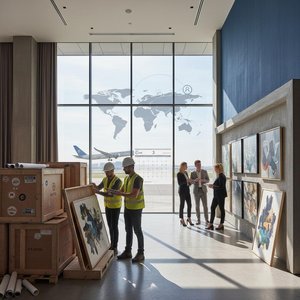
Brza svetska dostava umetničkih reprodukcija: 3–4 nedelje uz okvir ili 3 nedelje bez okvira – ekskluzivno za hotel dizajnere
Uživajte u brzi dostavi hand‑painted reprodukcija za hotel enterijere – 3–4 nedelje uz okvir ili 3 nedelje bez okvira. Naša ekspertiza, pouzdana logistika i garancija kvaliteta osiguravaju vrednost i eleganciju svakom prostoru.
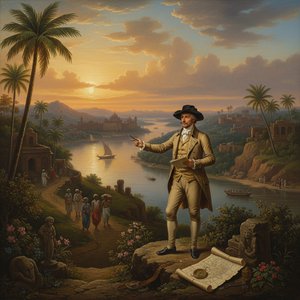
Thomas Daniell: Navigating Light, Landscape & Cultural Exchange in Early 19th-Century India
Explore the captivating landscapes of Thomas Daniell, a pioneering artist who documented India's beauty in the 19th century. Discover his 'Oriental Scenery,' aquatint technique & lasting legacy. Hand-painted reproductions available at OriginalUniqueArt.

The Alluring Gaze: Orientalism in 19th-Century Art – Representation, Reception & Construction of the 'Orient'
Explore the complex history of Orientalism in 19th-century art. Discover how Western artists depicted the 'Orient,' its cultural impact, and Edward Said's critical analysis. A deep dive for art lovers & historians.
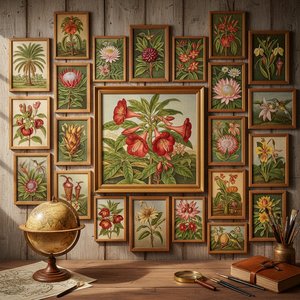
Marianne North's Masterpieces: 25 Botanical Paintings That Bloom With Adventure | OriginalUniqueArt
Journey through the vibrant world of Marianne North’s botanical paintings! Explore 25 iconic artworks from this Victorian artist, celebrating exotic flora & travel. Find museum-quality reproductions and curated decor ideas at OriginalUniqueArt.com.

Panoramic Visions of Empire: The Daniells’ Artistic Collaboration & Legacy
Explore the captivating 'Oriental Scenery' by Thomas & William Daniell. Discover their pioneering aquatint prints of India, imperial context, artistic collaboration, and lasting legacy. A deep dive for history lovers.
