
() ·
A painting made for you, by hand
Ručno rađena uljana reprodukcija
Ručno oslikano uljanim bojama na platnu u dimenzijama i okviru po vašem izboru, izrađeno po porudžbini od strane naših umetnika. ( Pređi na štampu Pređi na digitalnu sliku)
Opis predmeta
Discover 'Frederick Shum' by Edward Newling (1920). A stunning oil portrait of an elderly gentleman in formal attire. Realistic style, rich textures & classic composition. Ideal for art collectors.
Biografija umetnika
Edward Newling (1890-1964) was a British artist renowned for his portraits of WWI heroes & nobility. Explore his paintings of figures like Albert Ball & McCudden.
 Pročitaj više
from ·
Chapter 1
How large should it be?
Slide to change the size; the picture on the left shows the frame at its real width. The proportions of the original are kept.
Izaberite jednu od naših unapred definisanih veličina koje odgovaraju originalnim proporcijama umetničkog dela.

Unesite potrebnu širinu i visinu kako bi se slika uklopila u vaš ram ili zid. Pošto je ovo ručno oslikano delo, umetnik može za dimenzije drugačijeg oblika naslikati malo više prostora oko slike ili malo skratiti ivice — izbor je na vama. Pre početka rada, poslaćemo vam digitalni prikaz radi potvrde. Slika prikazana na ovoj stranici ne predstavlja konačan rezultat — samo digitalni prikaz pokazuje stvarnu sliku.
Chapter 2
How should it arrive?
Choose the edges of the stretched canvas
Choose your frame

White дин1

Blurside дин1

Extended дин1

P118B дин10

P118H дин10

P118W дин10

P438Z дин10

P508JH дин12

P508YH дин12

P805H дин10

P805Z дин10

P919BZ дин10

P919G дин10

P919XJ дин10

P959ZH дин10

P968JZ дин12

W106C дин8

W218G дин10

W218JH дин8

W218Y дин10

W307PJ дин10

W316G дин10

W316PJ дин8

W316Y дин10

W398PJ дин8

W4111J дин10

W500HY дин15

W500JH дин15

W692G дин12

W849H дин8

W940BG дин15

W953PJ дин8

H24-GOLD дин30

H24-SILVER дин30

H36-GOLD дин45

H36-SILVER дин45
Uokvireno
Moulding: . Overall size with the frame: .
Chapter 3
Who paints it, and should anything change?
After order, OriginalUniqueArt.com team will email client for instructions and provide a mockup preview
Svetska isporuka () za 3/4 nedelje umesto uobičajenih 5 nedelja. (30 октобар). Bez kompromisa po pitanju kvaliteta.
Chapter 4
The finishing touches
A nameplate, as in a museum?
Detalji gravirane bronze ploče
This elegant plaque features the artist's name and the title of the artwork, finely engraved for a timeless presentation.
It is made from bronze with a refined, elegant finish. The text is precisely laser-engraved for a sharp and permanent result. Measuring 9x2 cm, the plaque is compact yet easy to read. It's built to be durable and scratch-resistant, offering a professional, museum-quality look. Mounting is simple thanks to the included adhesive backing.
Detalji prozirne akrilne pločice
The plaque includes essential engraved details such as the artist's name, the title of the artwork, the date it was created, the type of media used-like oil on canvas or watercolor-a brief description of the piece, and a QR code that links to the complete artwork information.
It is crafted from clear acrylic, offering a sleek, modern appearance. The text is UV-engraved in black to ensure strong visual contrast. With a size of 10x15 cm, it ensures optimal readability. It comes equipped with two metal hooks for secure wall mounting. The plaque is designed to be weather-resistant, making it suitable for various environments, and it includes interactive features that work seamlessly with smartphone scanning.
Detalji crne akrilne pločice
This elegant plaque includes engraved information such as the artist's name, the title of the artwork, the date it was created, the type of media used (like oil on canvas or watercolor), a short description of the artwork, and a QR code for quick access to more information.
The plaque itself is made from refined black acrylic with a premium finish. The text is laser-engraved in white for high contrast and readability. Its size is 10x15 cm, designed to be easy to read. It comes with two metal hooks for professional mounting. The design is sleek and fits any interior style. It is also weather-resistant and durable, with built-in digital integration for mobile compatibility.
A protective varnish?
When do you need it?
Chapter 5
Your painting, as you ordered it

Frederick Shum
Tehnika reprodukcije
Dimenzije reprodukcije
-

Vrhunski maestri umetnosti
Više detalja, prefinjenosti i dodatnog vremena za izradu
-

Okvir za reprodukciju
-
-
Za umetnička dela ili reprodukcije čija je bilo koja strana veća od 105 cm (približno 41 inč), okvir će biti isporučen u obliku rastavljenog seta za sklapanje. Ovaj metod osigurava bezbednu dostavu i sprečava oštećenja tokom transporta.
Potrebna je profesionalna montaža – ovo nije proizvod namenjen samostalnoj izradi.
Set mora sastaviti i platno zategnuti iskusni profesionalni ramitelj, koristeći drveni lepak (nije uključen u set), hvataljku za zatezanje platna i stege kako bi se održao prav ugao okvira dok se lepak suši. Nepravilno sklapanje ili neravnomerno zategnuto platno mogu trajno oštetiti umetničko delo, što nije pokriveno našom garancijom.
 Za umetnička dela ili reprodukcije čija je bilo koja strana veća od 105 cm (približno 41 inč), okvir će biti isporučen u obliku rastavljenog seta za sklapanje. Ovaj metod osigurava bezbednu dostavu i sprečava oštećenja tokom transporta.
Sve šipke od masivnog drveta su uključene, precizno isečene po veličini.
Montira se pomoću priloženih šrafova, uz dodatno korišćenje lepka za drvo za spojeve u uglovima, koji nije uključen u set i koji vaš čuvar okvira mora obezbediti.
Potreban je profesionalni alat koji nije uključen u set: klešta za zatezanje platna (zatezač) i stege za održavanje pravih uglova letvica tokom sušenja lepka.
Važno:
Za spojeve u uglovima neophodan je lepak za drvo, šipke se moraju pričvrstiti stezgama dok lepak potpuno ne osuši, a za zatezanje platna na sklopljenom ramu potrebne su hvataljke za zatezanje platna. Nijedan od ovih alata nije uključen u komplet. Pre naručivanja ove veličine, molimo Vas da unapred obezbedite iskusnog profesionalca za ramačenje.

Kratki opis natpisa
-
-

Zaštitni lak
Sjajni lak (pojačava intenzitet boja, štiti od svetlosti i vlage)
-

Personalizujte svoje umetničko delo
Primeri mogućnosti izmene: Zamena lica fotografijom kupca; Dodavanje ljubimca (npr. zamena mačke psom); Uključivanje skrivene poruke u pozadini; Promena pejzaža ili elemenata pozadine.
-

Hitna dostava
Svetska isporuka () za 3/4 nedelje umesto uobičajenih 5 nedelja. (30 октобар). Bez kompromisa po pitanju kvaliteta.
-
Brza dostava
Dostava širom sveta () u roku od 5 nedelja. (6 новембар).
Uključeno u cenu
Ukupna cena
дин 31059
Opcija sa staklom dostupna je samo za dimenzije manje od 110 cm
Included with every order
- Besplatna ekspresna dostava širom sveta
- Visokokvalitetno laneno platno
- Potpuno osiguranje transporta
- Garancija povraćaja carine i uvoznih dažbina
- Garancija vernosti boja
- Politika povraćaja u roku od 100 dana (samo u slučaju nedostataka)
- Garancija povrata 100% novca
- Popust na više proizvoda


 Pregledaj u prostoru
 Pošalji
 Podeli
 Detalji o delu
 Vodič
Vodič

 Preuzmi
 Slični predmeti
 Rendgenski snimak
 Automatska prezentacija
 Q&A
Q&A Statistika
In numbers
- 1920the year it was painted
- 29frames to choose from
- standard sizes, in its own proportions
- 5weeks to paint and deliver it
About the original
 Contemporary Realism
 1920
1920 101.0 x 75.0 cm
 Victoria Art Gallery
Ovo umetničko delo je zaštićeno autorskim pravima
Umetničko delo prikazano na ovoj stranici zaštićeno je autorskim pravima, što znači da zakonski nismo u mogućnosti da kreiramo niti prodajemo identičnu reprodukciju. Ova zaštita se sprovodi u skladu sa međunarodnim sporazumima kao što su Bernska konvencija i nacionalnim zakonima, uključujući i one koji su definisani u Američki zakon o autorskom pravu – Naslov 17.
Kao poštovana i legalna alternativa, nudimo prilagođene, ručno oslikane umetničke radove inspirisane originalom. Naši stručni i profesionalni umetnici pažljivo proučavaju stil, ambijent i umetničku suštinu originala kako bi kreirali novo, unikatno delo koje budi istu emociju – ostajući pritom potpuno autentično stvaranje.
Ovaj metod je u potpunosti usklađen sa regulativama o autorskim pravima jer ne podrazumeva kopiranje ili dupliranje zaštićenih umetničkih dela. Umesto toga, reč je o kreativnoj reinterpretaciji – novom slikarskom delu koje je inspirisano originalom, ali nije identično njemu.

Edward Newling
1890 - 1964
Quick facts about Edward Newling
- Full Name: Edward Newling
- Nationality: British
- Date Of Birth: 1890
- Date Of Death: 1964
- Place Of Birth: WahooArt
- Notable Artworks:
- Albert Ball
- McCudden
- Artistic Movement Or Style: Portraiture
Biografija umetnika
The Painter of Victorian Valor: The Life and Legacy of Edward Newling
Edward Newling (1890-1964) stands as a quietly significant figure in 20th-century British art, primarily remembered for his evocative and dignified portraits of WWI heroes and members of the aristocracy. Born in Melbourne, Australia, in 1890, he later relocated to England, establishing himself as a respected artist specializing in capturing the solemnity and inherent dignity of those who served their country during a period of immense national upheaval. His work offers a poignant glimpse into the Victorian sensibilities that persisted even amidst the horrors of modern warfare, blending traditional portraiture techniques with an understated emotional depth.
Newling’s artistic journey began with a formal education in art, though details remain somewhat sparse. He honed his skills primarily through self-study and observation, developing a distinctive style characterized by meticulous detail, subtle tonal gradations, and a remarkable ability to convey both physical presence and inner character. Unlike many of his contemporaries who embraced the bold brushstrokes and expressive distortions of modernism, Newling remained firmly rooted in academic traditions, favoring a controlled and refined approach that lent an air of timelessness to his subjects. His portraits were not flamboyant celebrations; they were quiet meditations on duty, sacrifice, and the weight of experience.
A Mastery of Character and Tradition
The essence of Newling's oeuvre revolves around his profound depictions of military figures, particularly those involved in the First World War. He produced a substantial body of work featuring legendary aviators such as Albert Ball, a Royal Flying Corps officer whose tragic death during a training flight left a void in the hearts of many, and McCudden, another celebrated pilot of the era. These portraits are far more than mere likenesses; they are imbued with a profound sense of respect and sorrow. Newling meticulously researched his subjects, often obtaining photographs and personal accounts to ensure an accurate representation of their character and the gravity of their service.
Beyond the battlefield, Newling’s talent extended to the depiction of the British upper echelons, capturing the essence of the aristocracy with a similar level of reverence. His ability to render textures—from the crispness of a military uniform to the soft folds of formal attire—demonstrates his technical prowess. Notable works such as Sir Arbuthnot Lane and Frederick Shum showcase his capacity for realism and his skill in creating compositions that feel both intimate and monumental.
Historical Significance and Artistic Impression
The historical significance of Edward Newling lies in his role as a visual chronicler of an era defined by transition. As the world moved away from the structured certainties of the Victorian age into the fragmented reality of the modern era, Newling’s art provided a sense of continuity. His work serves as a bridge, preserving the dignity of a vanishing social order and the heroism of those who faced the unprecedented challenges of the early 20th century.
To study Newling's collection is to encounter a legacy of:
- Academic Precision: A commitment to the classical techniques of portraiture that eschewed the fleeting trends of modernism.
- Emotional Resonance: The ability to translate historical tragedy into deeply moving, humanized imagery.
- Historical Documentation: Providing a vital visual record of key figures in British military and social history.
Ultimately, Newling’s contribution to the art world is found in his restraint. By avoiding the sensationalism of his age, he created works that possess an enduring, quiet power, ensuring that the faces of the past remain etched in the collective memory with all their original grace and solemnity.
Povezani članci
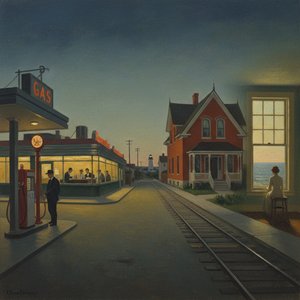
Edward Hopper: 25 Remek-dela Američkog Realizma za Vaš Dom | OriginalUniqueArt
Istražite 25 ремек-дела Edward Hopper-a! Otkrijte приче иза његових најпознатијих слика, симболизма америчког реализма и уметничке технике. Купите висококвалитетне репродукције на OriginalUniqueArt.com.

Oil on Canvas: A Historical & Technical Exploration of a Timeless Artistic Medium
Explore the rich history & enduring techniques of oil painting on canvas. Discover the science behind its longevity, conservation practices, and contemporary relevance. Expert insights for art enthusiasts.

The Enduring Power of Painting: A Historical & Contemporary Exploration of Form and Emotion
Explore the rich history & enduring techniques of oil painting with OriginalUniqueArt. Discover masterpieces, learn about art collecting, and find authentic handmade reproductions crafted by skilled artists.

Trajnu Ostavština Uljanih Boja na Platnu: Tehnika, Istorija i Savremena Praksa
Istražite bogatu istoriju i savremene tehnike uljanog slikarstva. Saveti stručnjaka, analiza radova velikih majstora i vodiči za biranje kvalitetnih materijala. Otkrijte tajne očuvanja umetničkih dela!