

 Pregledaj u prostoru
 Podeli
 Podeli
 Detalji
 Vodič
Vodič

 Preuzmi sliku
 Slični predmeti
 Rendgenski snimak
 Automatska prezentacija
 Statistika
Room in Brooklyn


 Pročitaj više
Umetničko delo prikazano na ovoj stranici zaštićeno je autorskim pravima, što znači da zakonski nismo u mogućnosti da kreiramo niti prodajemo identičnu reprodukciju. Ova zaštita se sprovodi u skladu sa međunarodnim sporazumima kao što su Bernska konvencija i nacionalnim zakonima, uključujući i one koji su definisani u Američki zakon o autorskom pravu – Naslov 17.
Ovaj metod je u potpunosti usklađen sa regulativama o autorskim pravima jer ne podrazumeva kopiranje ili dupliranje zaštićenih umetničkih dela. Umesto toga, reč je o kreativnoj reinterpretaciji – novom slikarskom delu koje je inspirisano originalom, ali nije identično njemu.
Giclee štampa / Umetnički otisak
Giclée štampa ili print na platnu muzejskog kvaliteta uz brzu izradu i raznovrsne opcije završne obrade. ( Naručite ručno oslikano reprodukciju Pređi na prodaju digitalnih slika)




P118B дин10

P118H дин10

P118W дин10

P438Z дин10

P508JH дин12

P508YH дин12

P805H дин10

P805Z дин10

P919BZ дин10

P919G дин10

P919XJ дин10

P959ZH дин10

P968JZ дин12

W106C дин8

W218G дин10

W218JH дин8

W218Y дин10

W307PJ дин10

W316G дин10

W316PJ дин8

W316Y дин10

W398PJ дин8

W4111J дин10

W500HY дин15

W500JH дин15

W692G дин12

W849H дин8

W940BG дин15

W953PJ дин8




Izaberite jednu od naših unapred definisanih veličina koje odgovaraju originalnim proporcijama umetničkog dela.

Možete uneti sopstvene dimenzije kako biste umetničko delo prilagodili specifičnom okviru ili prostoru. Ako odabrani format ne odgovara proporcijama originalne slike, mi ćemo ili iscrtati deo dela ili proširiti sliku pomoću ogledane ivice ili jednobojnog popunjavanja. Digitalni prikaz će vam biti poslat na odobrenje pre početka proizvodnje.
Imajte na umu da pregled na ekranu ne odražava stvarno iscrtavanje ili proširivanje. Samo će prikaz (mockup) precizno pokazati finalnu kompoziciju.
Iako su prilagođene dimenzije dostupne, preporučujemo da odaberete dimenziju sa unapred definisane liste kako biste očuvali originalne proporcije.
Dostava širom sveta () za 2 nedelje umesto uobičajenih 4/5 nedelja. (11 октобар)

Besplatna ekspresna dostava širom sveta

Visokokvalitetno laneno platno

Sveobuhvatno osiguranje transporta

Garancija povraćaja carine i uvoznih dažbina

Garancija vernosti boja i autentičnosti pri reprodukciji

Politika povraćaja u roku od 100 dana (samo u slučaju nedostataka)

Garancija povrata 100% novca

Popust pri većoj količini
 Opcija sa staklom dostupna je samo za dimenzije manje od 110 cm

Room in Brooklyn
Giclee štampa / Umetnički otisak
Veličina reprodukcije
-


Ukupna cena
дин 8087
A Moment of Quietude: Exploring Edward Hopper’s “Room in Brooklyn”
Edward Hopper's "Room in Brooklyn," painted in 1932, isn’t merely a depiction of an interior space; it’s a distilled essence of American loneliness and the quiet contemplation that often accompanies modern life. The painting immediately draws us into a scene of profound stillness – a woman seated by a window, seemingly lost in observation of the distant cityscape sprawling beneath her. This work, created during a pivotal period in Hopper's career, exemplifies his signature style: a masterful blend of realism and psychological insight, capturing not just what is seen but also what remains unsaid.
Hopper’s technique is deceptively simple yet remarkably effective. He employs a restrained palette – muted browns, grays, and the pale blues of the reflected city light – to create an atmosphere of subdued melancholy. The brushstrokes are smooth and controlled, contributing to the painting's sense of stillness and solidity. Notice how he uses light to sculpt the forms; the window’s glow illuminates the woman’s face and hands, drawing our attention while simultaneously casting deep shadows that hint at the solitude within. The composition itself is carefully considered: the chair positioned directly in front of the window creates a direct line of sight, inviting us into her private world, while the potted plants offer small, organic counterpoints to the rigid geometry of the room and the expansive urban landscape.
Decoding the Symbolism of Isolation
“Room in Brooklyn” is deeply resonant with the anxieties and uncertainties of the 1930s. The painting emerged during the Great Depression, a time marked by economic hardship and widespread social displacement. Hopper’s work frequently explored themes of isolation, alienation, and the disconnect between individuals and their surroundings – feelings that were acutely felt during this era. The woman herself is an enigmatic figure; her gaze fixed on the city below suggests a yearning for connection or perhaps simply a detachment from immediate concerns. She's not actively engaged in any activity, adding to the sense of suspended time and quiet introspection.
The window acts as a crucial symbolic element. It’s more than just a portal to the outside world; it’s a barrier, separating the woman from the bustling city beyond. This visual division reinforces the theme of isolation – she observes, but doesn't participate. The cityscape itself, rendered in hazy blues and grays, represents the impersonal nature of modern urban life, further emphasizing her solitude.
Historical Context and Hopper’s Artistic Evolution
To understand “Room in Brooklyn,” it’s essential to consider Edward Hopper’s broader artistic trajectory. Following his early training with Chase and Henri, Hopper developed a distinctive style characterized by its stark realism and psychological depth. He moved away from overtly narrative scenes, instead focusing on capturing fleeting moments of human experience – often imbued with a sense of melancholy or unspoken longing. This period saw him increasingly interested in the urban landscape and the lives of ordinary people within it.
The painting’s creation coincided with Hopper's growing recognition as a significant American artist. He was beginning to explore themes that would become hallmarks of his oeuvre, including loneliness, alienation, and the beauty found in everyday moments. “Room in Brooklyn” stands as a powerful example of this emerging style, demonstrating his ability to evoke complex emotions through simple, carefully constructed compositions.
Bringing "Room in Brooklyn" into Your Space
A hand-painted reproduction of Edward Hopper’s “Room in Brooklyn” offers a remarkable opportunity to bring this iconic image into your home or office. OriginalUniqueArt.com meticulously recreates the painting's nuanced details, color palette, and atmospheric quality using traditional oil painting techniques. The result is a stunningly accurate representation that captures the essence of Hopper’s vision – a poignant meditation on solitude, observation, and the quiet beauty of an ordinary moment. Whether you are drawn to its evocative symbolism or simply appreciate Hopper's masterful technique, this reproduction provides a timeless piece of art that will undoubtedly spark conversation and contemplation.
Pitanja i odgovori
Kada je "Room in Brooklyn" nastalo?
Delo „Room in Brooklyn”, Едвард Хопер nastalo je 1932.
Ko je umetnik koji stoji iza dela "Room in Brooklyn"?
Delo "Room in Brooklyn" pripisuje se umetniku Едвард Хопер.
Mogu li da naručim uljanu reprodukciju dela "Room in Brooklyn"?
Ručno oslikanu reprodukciju dela „Room in Brooklyn”, Едвард Хопер možete naručiti direktno na ova stranica: ručno oslikana uljana reprodukcija na lanenom platnu, izrađenu po porudžbini.
Koliki je intenzitet boja kod dela „Room in Brooklyn”, Едвард Хопер?
Intenzitet boja dela "Room in Brooklyn" je Balanced. Intenzitet opisuje koliko boje deluju snažno.
Gde mogu pronaći vodič za "Room in Brooklyn"?
Stranica Vodič za delo „Room in Brooklyn”, Едвард Хопер nudi štampani informativni list u dve stranice: sam rad sa tabelom identifikacije, vremensku traku koja ga smešta u period života umetnika, druga dela istog umetnika, izmerenu paletu boja i citate spremne za kopiranje u četiri stila.
Kako se kontrast i harmonija spajaju u delu "Room in Brooklyn"?
Koloristička kompozicija dela „Room in Brooklyn”, Едвард Хопер spaja Statement kontrast sa Discordant Palette harmonijom.
U kojoj godini i u okviru kog pravca je nastalo delo "Room in Brooklyn"?
Delo "Room in Brooklyn" nastalo je 1932. godine u okviru Contemporary Realism pravca. Datum i umetnički pravac čine temelj ovog dela u istoriji umetnosti.
Biografija umetnika
Primećena samoća: Život i umetnost Edvarda Hopera
Edvard Hoper, ime neraskidivo vezano za tišinu i suptilnu melanholiju koja je prožimala američki život 20. veka, nije bio samo slikar scena; bio je pesnik svetlosti i senke, hroničar moderne izolacije. Rođen u Njaku, u Njujorku, 1882. godine, u srednjem sloju društva od roditelja holandskog porekla, Hoperovo ranije godine pružile su stabilno odrastanje koje je negovalo njegove umetničke sklonosti. Već se iz dečjih skica, pažljivo datiranih i potpisanih, moglo videti da su oštro zapažanje i urođeni talenat za crtanje bili suštinski deo njegovog bića. Iako je u početku bio podstican na komercijalnu ilustraciju – što je bio pragmatičan predlog njegovih roditelja – Hoperove ambicije naginjale su se ka umetničkoj slikarstvu, što ga je dovelo do Škole umetnosti u Njujorku, gde je studirao kod Vilijama Merita Čejse i Roberta Henrija. Ove formativne godine nisu ugradile samo tehničku veštinu, već i poštovanje prema realizmu i posvećenost prikazivanju sveta onakvim kakvim ga je video – neukrasnim i iskrenim. Spisi Ralfa Valda Emersona duboko su odjekivali u Hoperu, učvršćujući njegov osećacija individualizma i oštro zapažanje – kvalitete koji će postati obeležja njegove umetničke vizije. Rani boravci u Parizu izložili su ga impresionizmu, ali se Hoper brzo odmaknuo od njegovih prolaznih poteza četkicom, stvarajući put koji je bio jedinstveno njegov.Pronalaženje sopstvenog glasa: Realizam i američki pejzaž
Hoperov umetnički put nije bio trenutan niti lak. Borio se sa otkrivanjem svog prepoznatljivog glasa, eksperimentišući sa različitim stilovima pre nego što se skrasio u realizmu koji će definisati njegovu karijeru. To nije bilo puko reprodukovanje stvarnosti; bila je to destilacija njene suštine, uklanjanje suvišnih detalja kako bi se otkrila duboka emocionalna istina. Njegove slike počele su da se fokusiraju na svakodnevne scene – kuće, restorane, kancelarije, hotelske sobe – prožete osećajem mirovanja i često, usamljenosti. Posedovao je izvanrednu sposobnost da uhvati psihološka stanja svojih subjekata, nagoveštavajući narative bez njihove eksplicitne izmene. Precizno prikazivanje svetlosti i senke postalo je ključno, ne samo kao opisni elementi, već kao emocionalni znaci koji stvaraju atmosfere koje su istovremeno očaravaju i uznemirujuće. Kuća pored železnice (1925), rano remek-delo, exemplifikuje ovaj pristup – naizgled jednostavna kompozicija koja zrači dubokim osećanjem izolacije i misterije. Hoperov print, koji se često zanemaruje, išao je paralelno sa njegovim slikarstvom, deleći slične teme i stilsku svojstva, demonstrirajući njegovo majstorstvo kroz različite medije. Nije bio zainteresovan za velike istorijske narative ili alegorijski simbolizam; fokusirao se na svakodnevicu, uzdižući je kroz pažljivo zapažanje i emocionalnu rezonancu.Ikonične vizije: Noćni ptičari i šire
Iako se Hoperova karijera odvijala postepeno, određena dela su ga lansirala u široku prepoznatljivost. Noćni ptičari (1942), nesumnjivo njegova najpoznatija slika, postali su trenutna ikona američke kulture. Scena u restoranu kasno u noći, okupana oštrim fluorescentnim svetlom, savršeno sažima otuđenost i anonimnost modernog urbanog života. Figure unutra su izgubljene u sopstvenim mislima, nepovezane jedne sa drugima uprkos blizini – što je dirljiv komentar na ljudsku suštinu. Benzinska pumpa (1940), sa svojim upečatljivim prikazom benzinske stanice pored puta, pokazuje Hoperovu fascinaciju američkim pejzažima i rastućom kulturom automobila. Druga značajna dela poput *Automat*, *Kancelarija u malom gradu* i *Letnje vreme* nude jedinstvene uvide u složenost američkog društva 20. veka. Ove slike nisu bile samo prikazi mesta; bile su istraživanja raspoloženja, psihologije i suptilnih drama koje se odvijaju u običnim okruženjima. Njegova supruga, Džozefin Nivison Hoper, igrala je vitalnu ulogu ne samo kao njegova životna saputnica, već i kao čest model, značajno doprinoseći karakterizaciji njegovih ženskih figura.Teme i nasleđe: Trajni uticaj
Nekoliko ponavljajućih tema prožima Hoperovo delo. Urbana izolacija je možda najistaknutija – osećaj usamljenosti koji doživljavaju pojedinci čak i usred gomile. Istraživao je američki pejzaž, kako ruralni tako i urbani, često naglašavajući njegovu krutost i prazninu. Njegov rad prodire u psihološki realizam, ispitujući unutrašnje živote svojih subjekata sa osetljivošću koja prevazilazi puko predstavljanje. Tu je i podtekst nostalgije za jednostavnijom prošlošću, upoređen sa priznavanjem složenosti i anksioznosti modernog života. Hoperov uticaj na umetnike koji su došli posle njega je neosporan. Njegov jedinstveni stil inspirisao je bezbrojne slikare, uključujući Pierre Sanford Ross-a, i nastavlja da rezonuje sa savremenim umetnicima koji žele da uhvate suštinu ljudskog iskustva. Njegove slike ostaju veoma tražene od strane kolekcionara i izlažu se u glavnim muzejima širom sveta, učvršćujući njegovo mesto kao ključne figure u istoriji američke umetnosti. Više od običnog umetnika, Edvard Hoper je bio vizuelni filozof, nudeći duboke uvide u ljudsku sudbinu kroz svoje majstorstvo u korišćenju svetlosti, senke i kompozicije.- Njegovo nasleđe ne leži samo u lepoti njegovih slika, već i u njihovoj trajnoj sposobnosti da podstaknu razmišljanje, izazovu emociju i podsete nas na tihu samoću koja često definiše naše živote.
- Hoperovo delo nastavlja da očarava publiku jer govori o univerzalnim temama usamljenosti, izolacije i potrage za smislom u svetu koji se brzo menja.
- Njegove slike su postale ikonični prikazi američke kulture, često korišćeni kao simbol anksioznosti i težnji 20. veka — i nakon njega.
- Hoperova estetika je duboko uticala na filmske redatelje (poput Alfreda Hičkoka) i pisce, inspirišući bezbrojna dela koja istražuju slične teme otuđenosti i psihološke tenzije.
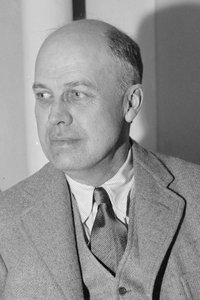
Едвард Хопер
1931 - 1967 , САД
Brzi pregled
- Artistic Movement Or Style: Реализам
- Artists Who Influenced This Artist:
- Вилијам Мерерит Чис
- Роберт Хенри
- Date Of Birth: 22. јули 1882.
- Date Of Death: 15. мај 1967.
- Full Name: Edward Hopper
- Nationality: Американац
- Notable Artworks:
- Ноћица
- Кућа код пута
- Гас
- Автомат
- Place Of Birth: Њак, САД
Srodni članci

Grant Wood & American Regionalism: Identity, Myth & the Rural Landscape
Explore the world of Grant Wood & American Regionalism with OriginalUniqueArt. Discover the symbolism behind 'American Gothic', recurring themes, and the movement's lasting impact on art history. High-quality reproductions available.
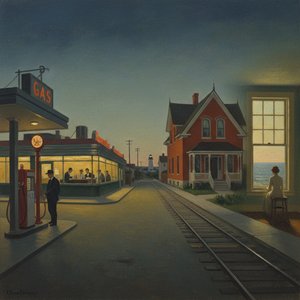
Edward Hopper: 25 Remek-dela Američkog Realizma za Vaš Dom | OriginalUniqueArt
Istražite 25 ремек-дела Edward Hopper-a! Otkrijte приче иза његових најпознатијих слика, симболизма америчког реализма и уметничке технике. Купите висококвалитетне репродукције на OriginalUniqueArt.com.

Shadow Catcher: Edward S. Curtis & the Ethnographic Portraiture of a Vanishing West
Explore the life & work of Edward S. Curtis, the 'Shadow Catcher,' and his groundbreaking photographic documentation of Native American cultures. Discover iconic images from *The North American Indian* and a critical look at his lasting legacy.

American Realism's Defining Works: 10 Masterpieces for Your Home
Explore 10 defining American Realism masterpieces – Hopper, Homer & more. Discover the stories behind these iconic paintings and bring timeless art to your home with OriginalUniqueArt's museum-quality reproductions. Explore the full collection online.

Edward Hicks’ ‘Peaceable Kingdom’: American Folk Art & the Shaping of a National Identity
Explore the profound symbolism & historical context of Edward Hicks’ ‘Peaceable Kingdom.’ Discover how this iconic American folk art masterpiece reflects Quaker values and shaped a nation's identity. Learn more at OriginalUniqueArt.


