

 Pregledaj u prostoru
 Podeli
 Podeli
 Detalji
 Vodič
Vodič

 Preuzmi sliku
 Slični predmeti
 Rendgenski snimak
 Automatska prezentacija
 Statistika
Гас
 Ulje na platnu
- Umetnost za zidove
- Modern American Realism
 1940
1940- Moderna umetnost
 102.0 x 66.0 cm
 Pročitaj više
Kupite digitalnu sliku visoke rezolucije i poboljšanog kvaliteta, koja je znatno superiornija od onoga što vidite u online prikazu.
Svaka datoteka je pedantno pripremljena od strane naših stručnjaka koristeći napredne alate i profesionalnu ručnu retušu. Osiguravamo da svaka slika ima izuzetnu oštrinu, preciznu reprodukciju boja i fine detalje.
Konačna datoteka se dostavlja putem e-pošte u roku od 72 sata, optimizovana za neposrednu upotrebu u profesionalnim, izdavačkim i štamparskim okruženjima. To je isti kvalitet kojem veruju vrhunski studiji dizajna, izdavači i galerije.
Digitalna slika
Preuzmite datoteku visoke rezolucije za ličnu upotrebu, štampanje i kreativne projekte. ( Pređi na prodaju štampanih primeraka Naručite ručno oslikano reprodukciju)
Uključeno uz svaku porudžbinu digitalne slike
Ekspertska digitalna isporuka, zagarantovana
Kada odaberete OriginalUniqueArt.com, ne dobijate samo sliku – vi primate profesionalno unapređeno digitalno umetničko delo, izrađeno sa najvećom preciznošću i uz garanciju zadovoljstva. Evo svega što automatski dolazi uz vašu porudžbinu:

Brza dostava putem e-pošte
Vaša digitalna slika visoke rezolucije biće vam poslata putem e-pošte u roku od 72 sata od poručivanja – spremna za trenutnu upotrebu.

Digitalna datoteka unapređena veštačkom inteligencijom
Vaše umetničko delo je profesionalno optimizovano primenom naprednih AI alata i ručne obrade, čime se osiguravaju maksimalni detalji, oštrina i preciznost boja.

Besplatna doživotna ponovna isporuka
Slučajno ste obrisali ili izgubili svoju datoteku? Ne brinite – poslaćemo vam je ponovo u bilo kom trenutku, potpuno besplatno.

Bez troškova uvoza – zauvek
Uživajte u svojim umetničkim delima trenutno, bez carine, akciza ili troškova dostave – digitalni download je uvek bez poreza.

Garancija preciznosti boja
Uz pomoć profesionalnih alata i upravljanja bojama, osiguravamo da vaša digitalna slika što vernije odražava originalne boje.

Garancija zadovoljstva u roku od 100 dana
Ako niste zadovoljni svojom digitalnom slikom, izvršićemo reviziju ili ćemo vam vratiti 100% novca u roku od 100 dana – bez ikakvih pitanja.

100% garancija povrata novca
Niste zadovoljni? Dobijte puni povraćaj novca u roku od 100 dana od prijema digitalne datoteke – bez suvišnih pitanja.

Popusti na velike porudžbine
Kupite 3 slike, uštedite 10% - Kupite 5 slika, uštedite 15% - Kupite 10+ slika, uštedite 20%. Odlično za kreativne projekte, galerije i agencije.
Vremenski neprevaziđen prikaz američke samoće
Edward Hopperovo delo „Gas“ (1940) predstavlja majstorsko istraživanje samoće i nostalgije, beležeći staromodnu benzinsku pumpu okupljenu mekom, prirodnom svetlošću. Ova upečatljiva slika poziva posmatrače u trenutak zamrznut u vremenu, gde je tišina ruralne Amerike gotovo opipljiva. Scena zrači osećajem introspekcije, čineći je neodoljivim dodatkom svakoj umetničkoj kolekciji ili unutrašnjem prostoru.Kompozicija i stil: Studija ravnoteže i kontrasta
Hopperova kompozicija je pedantno uravnotežena, sa benzinskim pumpama centralno postavljenim duž dijagonalne linije koja vodi oko posmatračevo oko kroz scenu. Desna strana prikazuje malu belu zgradu sa crvenim krovom, verovatno kabinu službenika, dok se leva strana otvara ka prostranstvu otvorene zemlje sa visokom travom i drvećem u daljini. Ova suprotnost stvara osećaj dubine i spokojstva. Paleta boja dominiraju prigušene zemljane zelene i braon nijanse, koje su oštro suprotstavljene živopisnoj crvenoj boji pumpi i beloj zgradi. Nebo, naslikano u nežnim plavo-sivim tonovima, doprinosi spokojnoj, ali pomalo melanholičnoj atmosferi. Hopperova upotreba snažnih horizontalnih linija, stvorenih putem puta i horizonta, doprinosi osećaju smirenosti slike, dok dijagonalne linije, uvedene položajem pumpi i svetlosnog stuba, vode pogled posmatrača kroz celu scenu.Tehnika i materijali: Majstorstvo svetlosti i senke
Hopperova tehnika karakteriše glatki potezi četkicom uz pažljivu pažnju posvećenu svetlosti i senki, stvarajući osećaj realizma uz očuvanje umetničke interpretacije. Teksture su glatke, ali detaljne, naročito u prikazu pumpi i površina zgrade. Travnato polje ima teksturiraniji izgled sa vidljivim potezima četkice koji sugerišu kretanje i život. Osvetljenje je meko i difuzno, što verovatno ukazuje na oblačan dan ili rano veče. Senke su suptilne, ali prisutne, dodajući dubinu sceni bez preterane dramatičnosti. Perspektiva je linearna, privlačeći oko posmatrača iz prvog plana sa benzinskim pumpama u pozadinu, gde se drveće i otvoreno polje povlače u daljinu.Istorijski kontekst: Snimak američkog života
Naslikan 1940. godine, „Gas“ odražava prepoznatljiv Hopperov stil beleženja modernog američkog života sa fokusom na samoću i introspekciju. Tokom ovog perioda, Hopper je već bio priznati umetnik poznat po svojim realističnim, ali stilizovanim prikazima svakodnevnih scena. Ovo delo je deo šireg korpusa radova koji istražuju teme izolacije i prolaznosti vremena unutar američkog pejzaža.Simbolizam i emocionalni uticaj: Priča o tihoj refleksiji
Tema se vrti oko usamljene figure na staromodnoj benzinskoj pumpi, prizivajući teme samoće, nostalgije i možda prolaznosti vremena. Prazan put i tiha okolina sugerišu trenutak zastajanja ili razmišljanja. Benzinske pumpe, sa svojim vintage dizajnom, simbolizuju prošlu eru američkog života. „Gas“ se izdvaja po svojoj sposobnosti da prenese snažnu emocionalnu atmosferu kroz naizgled običnu temu. Kontrast između živopisne crvene boje pumpi i prigušenih tonova okruženja stvara vizuelni interes. Usamljena figura dodaje ljudski element koji poziva posmatrače da nagađaju priču koja stoji iza ove scene.Zašto kolekcionari i dizajneri vole ovo delo
Ljubiteljima umetnosti, kolekcionarima i dizajnerima enterijera, „Gas“ nudi vanvremensko delo koje spaja istorijski značaj sa emocionalnom dubinom. Njegova prigušena paleta boja i spokojna kompozicija čine ga svestranim za različite stilove enterijera, od modernog minimalizma do rustičnog šarma. Sposobnost slike da izazove osećaj tihe refleksije čini je izvrsnom fokusnom tačkom u bilo kom prostoru. Bilo da želite da dodate dodir nostalgije svom domu ili tražite značajno delo za svoju kolekciju, „Gas“ Edvarda Hopera je očaravajući izbor koji će inspirisati i angažovati decenijama.Pitanja i odgovori
Koji su datum nastanka i stil dela „Гас”, Едвард Хопер?
Delo "Гас" nastalo je 1940. godine u okviru Modern American Realism pravca. Datum i umetnički pravac čine temelj ovog dela u istoriji umetnosti.
Koja je preporučena veličina štampe za „Гас”, Едвард Хопер?
Za rad "Гас" preporučena je veličina štampe Srednja veličina. Dostupne su i druge veličine istih proporcija.
Kolika je luminansa dela „Гас”, Едвард Хопер?
Boje dela "Гас" pokazuju Umerena luminancija luminancu.
Biografija umetnika
Primećena samoća: Život i umetnost Edvarda Hopera
Edvard Hoper, ime neraskidivo vezano za tišinu i suptilnu melanholiju koja je prožimala američki život 20. veka, nije bio samo slikar scena; bio je pesnik svetlosti i senke, hroničar moderne izolacije. Rođen u Njaku, u Njujorku, 1882. godine, u srednjem sloju društva od roditelja holandskog porekla, Hoperovo ranije godine pružile su stabilno odrastanje koje je negovalo njegove umetničke sklonosti. Već se iz dečjih skica, pažljivo datiranih i potpisanih, moglo videti da su oštro zapažanje i urođeni talenat za crtanje bili suštinski deo njegovog bića. Iako je u početku bio podstican na komercijalnu ilustraciju – što je bio pragmatičan predlog njegovih roditelja – Hoperove ambicije naginjale su se ka umetničkoj slikarstvu, što ga je dovelo do Škole umetnosti u Njujorku, gde je studirao kod Vilijama Merita Čejse i Roberta Henrija. Ove formativne godine nisu ugradile samo tehničku veštinu, već i poštovanje prema realizmu i posvećenost prikazivanju sveta onakvim kakvim ga je video – neukrasnim i iskrenim. Spisi Ralfa Valda Emersona duboko su odjekivali u Hoperu, učvršćujući njegov osećacija individualizma i oštro zapažanje – kvalitete koji će postati obeležja njegove umetničke vizije. Rani boravci u Parizu izložili su ga impresionizmu, ali se Hoper brzo odmaknuo od njegovih prolaznih poteza četkicom, stvarajući put koji je bio jedinstveno njegov.Pronalaženje sopstvenog glasa: Realizam i američki pejzaž
Hoperov umetnički put nije bio trenutan niti lak. Borio se sa otkrivanjem svog prepoznatljivog glasa, eksperimentišući sa različitim stilovima pre nego što se skrasio u realizmu koji će definisati njegovu karijeru. To nije bilo puko reprodukovanje stvarnosti; bila je to destilacija njene suštine, uklanjanje suvišnih detalja kako bi se otkrila duboka emocionalna istina. Njegove slike počele su da se fokusiraju na svakodnevne scene – kuće, restorane, kancelarije, hotelske sobe – prožete osećajem mirovanja i često, usamljenosti. Posedovao je izvanrednu sposobnost da uhvati psihološka stanja svojih subjekata, nagoveštavajući narative bez njihove eksplicitne izmene. Precizno prikazivanje svetlosti i senke postalo je ključno, ne samo kao opisni elementi, već kao emocionalni znaci koji stvaraju atmosfere koje su istovremeno očaravaju i uznemirujuće. Kuća pored železnice (1925), rano remek-delo, exemplifikuje ovaj pristup – naizgled jednostavna kompozicija koja zrači dubokim osećanjem izolacije i misterije. Hoperov print, koji se često zanemaruje, išao je paralelno sa njegovim slikarstvom, deleći slične teme i stilsku svojstva, demonstrirajući njegovo majstorstvo kroz različite medije. Nije bio zainteresovan za velike istorijske narative ili alegorijski simbolizam; fokusirao se na svakodnevicu, uzdižući je kroz pažljivo zapažanje i emocionalnu rezonancu.Ikonične vizije: Noćni ptičari i šire
Iako se Hoperova karijera odvijala postepeno, određena dela su ga lansirala u široku prepoznatljivost. Noćni ptičari (1942), nesumnjivo njegova najpoznatija slika, postali su trenutna ikona američke kulture. Scena u restoranu kasno u noći, okupana oštrim fluorescentnim svetlom, savršeno sažima otuđenost i anonimnost modernog urbanog života. Figure unutra su izgubljene u sopstvenim mislima, nepovezane jedne sa drugima uprkos blizini – što je dirljiv komentar na ljudsku suštinu. Benzinska pumpa (1940), sa svojim upečatljivim prikazom benzinske stanice pored puta, pokazuje Hoperovu fascinaciju američkim pejzažima i rastućom kulturom automobila. Druga značajna dela poput *Automat*, *Kancelarija u malom gradu* i *Letnje vreme* nude jedinstvene uvide u složenost američkog društva 20. veka. Ove slike nisu bile samo prikazi mesta; bile su istraživanja raspoloženja, psihologije i suptilnih drama koje se odvijaju u običnim okruženjima. Njegova supruga, Džozefin Nivison Hoper, igrala je vitalnu ulogu ne samo kao njegova životna saputnica, već i kao čest model, značajno doprinoseći karakterizaciji njegovih ženskih figura.Teme i nasleđe: Trajni uticaj
Nekoliko ponavljajućih tema prožima Hoperovo delo. Urbana izolacija je možda najistaknutija – osećaj usamljenosti koji doživljavaju pojedinci čak i usred gomile. Istraživao je američki pejzaž, kako ruralni tako i urbani, često naglašavajući njegovu krutost i prazninu. Njegov rad prodire u psihološki realizam, ispitujući unutrašnje živote svojih subjekata sa osetljivošću koja prevazilazi puko predstavljanje. Tu je i podtekst nostalgije za jednostavnijom prošlošću, upoređen sa priznavanjem složenosti i anksioznosti modernog života. Hoperov uticaj na umetnike koji su došli posle njega je neosporan. Njegov jedinstveni stil inspirisao je bezbrojne slikare, uključujući Pierre Sanford Ross-a, i nastavlja da rezonuje sa savremenim umetnicima koji žele da uhvate suštinu ljudskog iskustva. Njegove slike ostaju veoma tražene od strane kolekcionara i izlažu se u glavnim muzejima širom sveta, učvršćujući njegovo mesto kao ključne figure u istoriji američke umetnosti. Više od običnog umetnika, Edvard Hoper je bio vizuelni filozof, nudeći duboke uvide u ljudsku sudbinu kroz svoje majstorstvo u korišćenju svetlosti, senke i kompozicije.- Njegovo nasleđe ne leži samo u lepoti njegovih slika, već i u njihovoj trajnoj sposobnosti da podstaknu razmišljanje, izazovu emociju i podsete nas na tihu samoću koja često definiše naše živote.
- Hoperovo delo nastavlja da očarava publiku jer govori o univerzalnim temama usamljenosti, izolacije i potrage za smislom u svetu koji se brzo menja.
- Njegove slike su postale ikonični prikazi američke kulture, često korišćeni kao simbol anksioznosti i težnji 20. veka — i nakon njega.
- Hoperova estetika je duboko uticala na filmske redatelje (poput Alfreda Hičkoka) i pisce, inspirišući bezbrojna dela koja istražuju slične teme otuđenosti i psihološke tenzije.
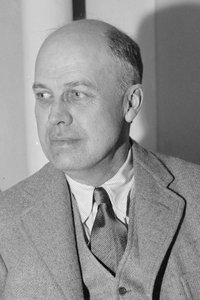
Едвард Хопер
1931 - 1967 , САД
Osnovne informacije
- Artistic Movement Or Style: Реализам
- Artists Who Influenced This Artist:
- Вилијам Мерерит Чис
- Роберт Хенри
- Date Of Birth: 22. јули 1882.
- Date Of Death: 15. мај 1967.
- Full Name: Edward Hopper
- Nationality: Американац
- Notable Artworks:
- Ноћица
- Кућа код пута
- Гас
- Автомат
- Place Of Birth: Њак, САД