

 Pregledaj u prostoru
 Pošalji
 Podeli
 Detalji o delu

 Преузми
 Slični predmeti
 Rendgenski snimak
 Slajdovi
 Statistika
El Station

 Pročitaj više
Kupite digitalnu sliku visoke rezolucije i poboljšanog kvaliteta, koja je znatno superiornija od onoga što vidite u online prikazu.
Svaka datoteka je pedantno pripremljena od strane naših stručnjaka koristeći napredne alate i profesionalnu ručnu retušu. Osiguravamo da svaka slika ima izuzetnu oštrinu, preciznu reprodukciju boja i fine detalje.
Konačna datoteka se dostavlja putem e-pošte u roku od 72 sata, optimizovana za neposrednu upotrebu u profesionalnim, izdavačkim i štamparskim okruženjima. To je isti kvalitet kojem veruju vrhunski studiji dizajna, izdavači i galerije.
Digitalna slika
Preuzmite datoteku visoke rezolucije za ličnu upotrebu, štampanje i kreativne projekte. ( Pređi na štampu Kupi ručno naslikanu sliku)
Uključeno uz svaku porudžbinu digitalne slike
Profesionalna digitalna isporuka, zagarantovana
Kada odaberete OriginalUniqueArt.com, ne dobijate samo sliku – vi primate profesionalno unapređeno digitalno umetničko delo, izrađeno sa najvećom preciznošću i uz garanciju zadovoljstva. Evo svega što automatski dolazi uz vašu porudžbinu:

Brza dostava putem e-pošte
Vaša digitalna slika visoke rezolucije biće vam poslata putem e-pošte u roku od 72 sata od poručivanja – spremna za trenutnu upotrebu.

Digitalna datoteka unapređena veštačkom inteligencijom
Vaše umetničko delo je profesionalno optimizovano korišćenjem naprednih AI alata i ručne obrade, čime se osiguravaju maksimalni detalji, oštrina i preciznost boja.

Besplatna ponovna isporuka doživotno
Slučajno ste obrisali ili izgubili svoju datoteku? Ne brinite – poslaćemo vam je ponovo u bilo kom trenutku, potpuno besplatno.

Bez troškova uvoza – zauvek
Uživajte u svojim umetničkim delima trenutno, bez carine, dažbina ili troškova dostave – digitalni download je uvek bez poreza.

Garancija vernosti boja
Uz pomoć profesionalnih alata i upravljanja bojama, osiguravamo da vaša digitalna slika što vernije odražava originalne boje.

Garancija zadovoljstva od 100 dana
Ako niste zadovoljni svojom digitalnom slikom, izvršićemo reviziju ili ćemo vam vratiti 100% novca u roku od 100 dana – bez ikakvih pitanja.

100% garancija povrata novca
Niste zadovoljni? Dobijte puni povraćaj novca u roku od 100 dana od prijema digitalne datoteke – bez suvišnih pitanja.

Popusti na velike porudžbine
Kupite 3 slike, uštedite 10% - Kupite 5 slika, uštedite 15% - Kupite 10+ slika, uštedite 20%. Odlično za kreativne projekte, galerije i agencije.
A Snapshot of Rural Isolation: Examining Edward Hopper’s ‘El Station’
Edward Hopper, born in Nyack, New York, in 1882, embodies the quintessential American spirit—a quiet contemplation amidst the bustling pace of modernity. His artistic journey began with meticulous sketches from childhood, demonstrating an early aptitude for observation and drawing that would define his lifelong pursuit of realism. Encouraged by his parents to pursue commercial illustration – a pragmatic consideration given their modest means – Hopper nevertheless gravitated towards fine art, enrolling at the New York School of Art under William Merritt Chase and Robert Henri. These formative influences instilled not only technical prowess but also a profound appreciation for capturing the essence of human experience within recognizable landscapes.- Subject Matter: ‘The El Station,’ completed in 1908, presents a deceptively simple scene – a solitary building perched on the edge of a riverbank, bathed in diffused daylight. Hopper eschews grand narratives; instead, he focuses on capturing a moment of quietude, conveying the pervasive feeling of loneliness that characterized early 20th-century urban life.
- Style: Hopper’s work firmly resides within the New Realism movement, prioritizing accurate representation over idealized beauty. However, it transcends mere imitation through subtle impressionistic touches—particularly evident in the loose brushstrokes and slightly blurred details – creating an atmosphere of palpable stillness.
Technique & Material Considerations
The painting’s execution is masterful, utilizing oil paint applied with broad strokes to achieve a textured surface that emphasizes materiality. Thick impasto techniques are prominently employed on the roof and chimney sections, lending depth and visual richness to the composition. This deliberate layering of pigment contributes significantly to the artwork's overall impact, inviting viewers to contemplate not just what is depicted but also *how* it is rendered. The artist’s careful attention to light and shadow further enhances the scene’s dimensionality, mirroring Hopper’s fascination with capturing fleeting moments of perception.- Color Palette: Dominated by warm browns and ochres—colors reminiscent of weathered wood and autumnal foliage—the palette is subtly accented by shades of gray and white. These muted tones reinforce the painting's melancholic mood, reflecting Hopper’s ability to distill emotion into visual form.
- Perspective & Composition: Hopper employs a flattened perspective typical of representational painting, prioritizing clarity and stability over illusionistic depth. Horizontal lines dominate the canvas, mirroring the structure of the building and anchoring the viewer’s gaze—a compositional choice that underscores the artwork's sense of quiet contemplation.
Symbolism & Emotional Resonance
Beyond its visual qualities, ‘The El Station’ resonates with deeper symbolic meanings. The solitary figure within the building represents a universal yearning for connection amidst an increasingly impersonal world—a theme that recurs throughout Hopper's oeuvre. The abandoned station itself symbolizes obsolescence and disconnection from tradition, prompting reflection on themes of displacement and alienation. Hopper’s ability to evoke such profound emotional responses speaks volumes about his artistic genius – he doesn’t merely depict a place; he captures a feeling, an unspoken narrative residing within the stillness of the scene.A Timeless Reflection
‘The El Station’ continues to captivate audiences today precisely because it transcends its historical context. Hopper's masterful technique—characterized by meticulous observation and expressive brushwork—produces an image that feels remarkably contemporary, resonating with our own anxieties about solitude and the complexities of modern existence. It serves as a poignant reminder that beauty can be found in simplicity, and that art possesses the power to illuminate the human condition with remarkable sensitivity.Biografija umetnika
Primećena samoća: Život i umetnost Edvarda Hopera
Edvard Hoper, ime neraskidivo vezano za tišinu i suptilnu melanholiju koja je prožimala američki život 20. veka, nije bio samo slikar scena; bio je pesnik svetlosti i senke, hroničar moderne izolacije. Rođen u Njaku, u Njujorku, 1882. godine, u srednjem sloju društva od roditelja holandskog porekla, Hoperovo ranije godine pružile su stabilno odrastanje koje je negovalo njegove umetničke sklonosti. Već se iz dečjih skica, pažljivo datiranih i potpisanih, moglo videti da su oštro zapažanje i urođeni talenat za crtanje bili suštinski deo njegovog bića. Iako je u početku bio podstican na komercijalnu ilustraciju – što je bio pragmatičan predlog njegovih roditelja – Hoperove ambicije naginjale su se ka umetničkoj slikarstvu, što ga je dovelo do Škole umetnosti u Njujorku, gde je studirao kod Vilijama Merita Čejse i Roberta Henrija. Ove formativne godine nisu ugradile samo tehničku veštinu, već i poštovanje prema realizmu i posvećenost prikazivanju sveta onakvim kakvim ga je video – neukrasnim i iskrenim. Spisi Ralfa Valda Emersona duboko su odjekivali u Hoperu, učvršćujući njegov osećacija individualizma i oštro zapažanje – kvalitete koji će postati obeležja njegove umetničke vizije. Rani boravci u Parizu izložili su ga impresionizmu, ali se Hoper brzo odmaknuo od njegovih prolaznih poteza četkicom, stvarajući put koji je bio jedinstveno njegov.Pronalaženje sopstvenog glasa: Realizam i američki pejzaž
Hoperov umetnički put nije bio trenutan niti lak. Borio se sa otkrivanjem svog prepoznatljivog glasa, eksperimentišući sa različitim stilovima pre nego što se skrasio u realizmu koji će definisati njegovu karijeru. To nije bilo puko reprodukovanje stvarnosti; bila je to destilacija njene suštine, uklanjanje suvišnih detalja kako bi se otkrila duboka emocionalna istina. Njegove slike počele su da se fokusiraju na svakodnevne scene – kuće, restorane, kancelarije, hotelske sobe – prožete osećajem mirovanja i često, usamljenosti. Posedovao je izvanrednu sposobnost da uhvati psihološka stanja svojih subjekata, nagoveštavajući narative bez njihove eksplicitne izmene. Precizno prikazivanje svetlosti i senke postalo je ključno, ne samo kao opisni elementi, već kao emocionalni znaci koji stvaraju atmosfere koje su istovremeno očaravaju i uznemirujuće. Kuća pored železnice (1925), rano remek-delo, exemplifikuje ovaj pristup – naizgled jednostavna kompozicija koja zrači dubokim osećanjem izolacije i misterije. Hoperov print, koji se često zanemaruje, išao je paralelno sa njegovim slikarstvom, deleći slične teme i stilsku svojstva, demonstrirajući njegovo majstorstvo kroz različite medije. Nije bio zainteresovan za velike istorijske narative ili alegorijski simbolizam; fokusirao se na svakodnevicu, uzdižući je kroz pažljivo zapažanje i emocionalnu rezonancu.Ikonične vizije: Noćni ptičari i šire
Iako se Hoperova karijera odvijala postepeno, određena dela su ga lansirala u široku prepoznatljivost. Noćni ptičari (1942), nesumnjivo njegova najpoznatija slika, postali su trenutna ikona američke kulture. Scena u restoranu kasno u noći, okupana oštrim fluorescentnim svetlom, savršeno sažima otuđenost i anonimnost modernog urbanog života. Figure unutra su izgubljene u sopstvenim mislima, nepovezane jedne sa drugima uprkos blizini – što je dirljiv komentar na ljudsku suštinu. Benzinska pumpa (1940), sa svojim upečatljivim prikazom benzinske stanice pored puta, pokazuje Hoperovu fascinaciju američkim pejzažima i rastućom kulturom automobila. Druga značajna dela poput *Automat*, *Kancelarija u malom gradu* i *Letnje vreme* nude jedinstvene uvide u složenost američkog društva 20. veka. Ove slike nisu bile samo prikazi mesta; bile su istraživanja raspoloženja, psihologije i suptilnih drama koje se odvijaju u običnim okruženjima. Njegova supruga, Džozefin Nivison Hoper, igrala je vitalnu ulogu ne samo kao njegova životna saputnica, već i kao čest model, značajno doprinoseći karakterizaciji njegovih ženskih figura.Teme i nasleđe: Trajni uticaj
Nekoliko ponavljajućih tema prožima Hoperovo delo. Urbana izolacija je možda najistaknutija – osećaj usamljenosti koji doživljavaju pojedinci čak i usred gomile. Istraživao je američki pejzaž, kako ruralni tako i urbani, često naglašavajući njegovu krutost i prazninu. Njegov rad prodire u psihološki realizam, ispitujući unutrašnje živote svojih subjekata sa osetljivošću koja prevazilazi puko predstavljanje. Tu je i podtekst nostalgije za jednostavnijom prošlošću, upoređen sa priznavanjem složenosti i anksioznosti modernog života. Hoperov uticaj na umetnike koji su došli posle njega je neosporan. Njegov jedinstveni stil inspirisao je bezbrojne slikare, uključujući Pierre Sanford Ross-a, i nastavlja da rezonuje sa savremenim umetnicima koji žele da uhvate suštinu ljudskog iskustva. Njegove slike ostaju veoma tražene od strane kolekcionara i izlažu se u glavnim muzejima širom sveta, učvršćujući njegovo mesto kao ključne figure u istoriji američke umetnosti. Više od običnog umetnika, Edvard Hoper je bio vizuelni filozof, nudeći duboke uvide u ljudsku sudbinu kroz svoje majstorstvo u korišćenju svetlosti, senke i kompozicije.- Njegovo nasleđe ne leži samo u lepoti njegovih slika, već i u njihovoj trajnoj sposobnosti da podstaknu razmišljanje, izazovu emociju i podsete nas na tihu samoću koja često definiše naše živote.
- Hoperovo delo nastavlja da očarava publiku jer govori o univerzalnim temama usamljenosti, izolacije i potrage za smislom u svetu koji se brzo menja.
- Njegove slike su postale ikonični prikazi američke kulture, često korišćeni kao simbol anksioznosti i težnji 20. veka — i nakon njega.
- Hoperova estetika je duboko uticala na filmske redatelje (poput Alfreda Hičkoka) i pisce, inspirišući bezbrojna dela koja istražuju slične teme otuđenosti i psihološke tenzije.
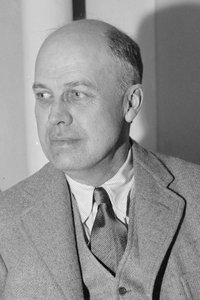
Едвард Хопер
1931 - 1967 , САД
Kratke činjenice
- Artistic Movement Or Style: Реализам
- Artists Who Influenced This Artist:
- Вилијам Мерерит Чис
- Роберт Хенри
- Date Of Birth: 22. јули 1882.
- Date Of Death: 15. мај 1967.
- Full Name: Edward Hopper
- Nationality: Американац
- Notable Artworks:
- Ноћица
- Кућа код пута
- Гас
- Автомат
- Place Of Birth: Њак, САД