

 Pregledaj u prostoru
 Pošalji
 Podeli
 Detalji o delu
 Vodič
Vodič

 Preuzmi
 Slični predmeti
 Rendgenski snimak
 Automatska prezentacija
 Statistika
The Band
 Acrylic On Canvas
- WallArt
- Surrealist Vision
 1934
1934- 19th Century
 760.0 x 555.0 cm
 British Council
 Pročitaj više
Umetničko delo prikazano na ovoj stranici zaštićeno je autorskim pravima, što znači da zakonski nismo u mogućnosti da kreiramo niti prodajemo identičnu reprodukciju. Ova zaštita se sprovodi u skladu sa međunarodnim sporazumima kao što su Bernska konvencija i nacionalnim zakonima, uključujući i one koji su definisani u Američki zakon o autorskom pravu – Naslov 17.
Kao poštovana i legalna alternativa, nudimo prilagođene, ručno oslikane umetničke radove inspirisane originalom. Naši stručni i profesionalni umetnici pažljivo proučavaju stil, ambijent i umetničku suštinu originala kako bi kreirali novo, unikatno delo koje budi istu emociju – ostajući pritom potpuno autentično stvaranje.
Ovaj metod je u potpunosti usklađen sa regulativama o autorskim pravima jer ne podrazumeva kopiranje ili dupliranje zaštićenih umetničkih dela. Umesto toga, reč je o kreativnoj reinterpretaciji – novom slikarskom delu koje je inspirisano originalom, ali nije identično njemu.
Ručno rađena uljana reprodukcija
Ručno oslikano uljanim bojama na platnu u dimenzijama i okviru po vašem izboru, izrađeno po porudžbini od strane naših umetnika. ( Pređi na štampu Pređi na digitalnu sliku)




P118B дин10

P118H дин10

P118W дин10

P438Z дин10

P508JH дин12

P508YH дин12

P805H дин10

P805Z дин10

P919BZ дин10

P919G дин10

P919XJ дин10

P959ZH дин10

P968JZ дин12

W106C дин8

W218G дин10

W218JH дин8

W218Y дин10

W307PJ дин10

W316G дин10

W316PJ дин8

W316Y дин10

W398PJ дин8

W4111J дин10

W500HY дин15

W500JH дин15

W692G дин12

W849H дин8

W940BG дин15

W953PJ дин8




Izaberite jednu od naših unapred definisanih veličina koje odgovaraju originalnim proporcijama umetničkog dela.

Unesite potrebnu širinu i visinu kako bi se slika uklopila u vaš ram ili zid. Pošto je ovo ručno oslikano delo, umetnik može za dimenzije drugačijeg oblika naslikati malo više prostora oko slike ili malo skratiti ivice — izbor je na vama. Pre početka rada, poslaćemo vam digitalni prikaz radi potvrde. Slika prikazana na ovoj stranici ne predstavlja konačan rezultat — samo digitalni prikaz pokazuje stvarnu sliku.
Nakon narudžbine, tim OriginalUniqueArt.com će klijentu putem e-pošte poslati uputstva i dostaviti prikaz predloženog rešenja
Svetska isporuka () za 3/4 nedelje umesto uobičajenih 5 nedelja. (27 октобар). Bez kompromisa po pitanju kvaliteta.

Besplatna ekspresna dostava širom sveta

Visokokvalitetno laneno platno

Potpuno osiguranje transporta

Garancija povraćaja carine i uvoznih dažbina

Garancija vernosti boja

Politika povraćaja u roku od 100 dana (samo u slučaju nedostataka)

Garancija povrata 100% novca

Popust na više proizvoda
 Opcija sa staklom dostupna je samo za dimenzije manje od 110 cm

The Band
Tehnika reprodukcije
Dimenzije reprodukcije
-


Ukupna cena
дин 30998
Edward Burra’s ‘The Band’: A Captivating Glimpse into Harlem’s Jazz Age
Edward Burra's "The Band," completed in 1934, is more than just a depiction of an African-American jazz band; it’s a vibrant snapshot of a transformative moment in American culture and a testament to Burra’s unique artistic vision. Painted during his immersive journey into Harlem’s burgeoning cultural scene in October 1933, the artwork pulsates with energy, capturing the intoxicating rhythms of jazz and the spirit of liberation that defined the era. Burra, deeply influenced by Surrealism and Dadaist principles – a fact reflected in his eclectic approach to subject matter – doesn't simply record; he actively constructs a scene brimming with personality and intrigue. The painting’s off-center composition immediately draws the viewer into this contained world, creating an immediate sense of voyeuristic observation.
- Subject Matter: A lively jazz band performance in Harlem, New York City.
- Key Figures: An exaggerated conductor, a sultry songstress, and a jovial bystander, each contributing to the painting’s eccentric charm.
- Instrumentation: Detailed depictions of musical instruments – a drum set, violins, cellos – essential elements in conveying the heart of the jazz experience.
Technique and Materials: Watercolors and Burra's Unique Process
Created primarily using luminous watercolors on paper, “The Band” showcases Burra’s masterful control of color and his innovative approach to composition. Notably, due to chronic arthritis that plagued him throughout his life, Burra found oil paints too cumbersome to use, opting instead for the fluidity of watercolor. This decision profoundly shaped the painting's character – its delicate washes, luminous highlights, and a sense of immediacy. The artist’s meticulous attention to detail is evident in the rendering of costume, facial expressions, and skin tones, creating an atmosphere of intense vibrancy. The use of reflected stage lights, particularly on the sousaphone player’s glasses, adds a dramatic element, further emphasizing the performance's energy. Burra’s process involved spending hours observing the scene in bars and cafes before translating his memories onto the paper, a technique that imbued the work with a palpable sense of authenticity.
Historical Context and Symbolism: A Window into the 1930s
“The Band” is inextricably linked to the social and cultural landscape of Harlem during the 1930s. Harlem, at this time, was experiencing a remarkable renaissance – a flourishing of music, art, and literature fueled by the Great Migration of African Americans from the South. Burra’s presence in this vibrant environment, facilitated by his friendship with Olivia Wyndham and Edna Lloyd Thomas, reflects a genuine engagement with the era's artistic currents. The painting subtly evokes themes of social mobility, cultural exchange, and the allure of escape – all powerfully represented within the scene. The incongruous figure in the old-fashioned attire can be interpreted as a commentary on the clash between tradition and modernity, further enriching the artwork’s symbolic layers.
Emotional Impact and Artistic Legacy
“The Band” possesses an undeniable emotional resonance, capturing not just a musical performance but also the spirit of excitement, exuberance, and perhaps even a touch of melancholy that characterized this pivotal moment in American history. Burra's ability to blend observation with imagination, combined with his distinctive style, has secured his place as one of the most intriguing figures of Surrealist art. This large-scale watercolor reproduction offers an exceptional opportunity to experience the captivating energy and artistic brilliance of Edward Burra’s vision – a timeless piece that continues to resonate with collectors and art enthusiasts alike.
Pitanja i odgovori
Gde mogu videti originalno delo „The Band”, autor Edward Burra?
Originalno delo "The Band" možete videti u muzeju British Council, London, Ujedinjeno Kraljevstvo.
Koliko su intenzivne boje dela "The Band"?
Boje dela „The Band”, autor Edward Burra odlikuju se Balanced Soft zasićenosti i Balanced intenzitetom.
Kojoj tonaciji teži "The Band"?
Dominantna nijansa dela „The Band”, autor Edward Burra je Amber to Saffron. Ova nijansa predstavlja osnovni ton palete.
Biografija umetnika
Edward Burra: A Life in Surreal Visions
Early Life and Education
- Born: South Kensington, United Kingdom, 1905.
- Edward Burra demonstrated artistic talent early on, particularly as a draughtsman.
- He received his formal training at the Royal College of Art from 1923 to 1925, honing his skills in drawing and painting.
Early Travels and Influences (1920s)
- During the latter half of the 1920s, Burra travelled extensively throughout France.
- He focused on depicting detailed urban scenes, often portraying the harsh realities of life in cities like Toulon and Marseille.
- These early works reveal a keen observational eye and a sensitivity to social conditions.
- A pivotal moment came in 1927 when he met Paul Nash, who introduced him to avant-garde periodicals.
- Exposure to artists like George Grosz through these publications profoundly influenced Burra, inspiring him to experiment with collage and drawing within a Dadaist spirit.
Artistic Development & Key Themes (1930s-1940s)
- The Jungle (1931) exemplifies Burra’s fascination with the exotic and forbidden. The painting depicts a lavish dinner party set in a fantastical tropical world, blending sensuality with premonitions of death.
- Burra was among the first British artists to embrace Surrealism, creating a distinctive universe populated by extravagantly dressed women, workers, sailors, and soldiers—often situated in imaginary locales.
- His physical health, compromised from childhood, led him to favor watercolor as his primary medium due to its relative ease of use compared to oil paints.
- He held his first solo exhibition at the Leicester Galleries in 1930.
- The impact of Picasso’s Guernica was significant, prompting a shift in Burra's artistic style.
World War II and Later Life (1940s-1976)
- During World War II, travel restrictions led Burra to work as a stage designer for theatrical productions and ballets, achieving some recognition in this field.
- He declined an invitation to become a Royal Academician in 1963 but accepted the Order of the British Empire in 1971.
- A major retrospective of his work was organized by the Tate Gallery in 1973, solidifying his place within British art history.
- He died in Hastings on March 22, 1976, as a result of complications from a fractured iliac bone.
Artistic Style and Historical Significance
- Burra’s style is characterized by its unsettling atmosphere, vivid colors, and distorted figures.
- He masterfully blended elements of Dadaism and Surrealism with a uniquely British sensibility.
- His work offers a critical commentary on social issues, exploring themes of alienation, decadence, and the darker aspects of human nature.
- Though not always widely recognized during his lifetime, Edward Burra is now considered a pioneering figure in 20th-century British art, influencing subsequent generations of artists with his distinctive vision.

Edward Burra
1905 - 1976 , United Kingdom
Osnovne informacije
- Name: Edward Burra
- Movement:
- Surrealism
- Dadaism
- Birth Date: 1905
- Death Date: 1976
- Birth Place: South Kensington, United Kingdom
- Nationality: British
- Date Of Birth: 1905
- Date Of Death: 1976
- Influenced By: Paul Nash, George Grosz
- Notable Works:
- The Jungle
- Dancing Skeletons
- The Snack Bar
- Soldiers at Rye
- Place Of Birth: South Kensington, United Kingdom
Povezani članci

Ephemeral Visions: Exploring the Artistic Legacy & Contemporary Practice of Watercolor Painting
Explore the captivating world of watercolor painting! Discover its rich history, essential techniques, influential artists & collecting tips. A comprehensive guide for art enthusiasts from OriginalUniqueArt.

Ephemeral Visions: Exploring the Artistic Legacy & Nuances of Watercolor Painting
Explore the captivating world of watercolor painting! Discover its rich history, essential techniques, influential artists & collecting tips from art experts. A comprehensive guide for enthusiasts.

Watercolor Wonders: 10 Masterpieces That Redefined Art History | OriginalUniqueArt
Journey through 10 legendary watercolor masterpieces by Sargent, Turner & Homer! Explore iconic landscapes, portraits & floral art that redefined history. Find museum-quality reproductions and curated decor ideas at OriginalUniqueArt.com.

Ephemeral Visions: Exploring the History & Emotional Resonance of Watercolor Painting
Explore the captivating history of watercolor painting, from ancient techniques to modern masters like Kandinsky & Blake. Discover essential artists, collecting tips & the emotional power of this luminous medium. Expert insights for art enthusiasts.
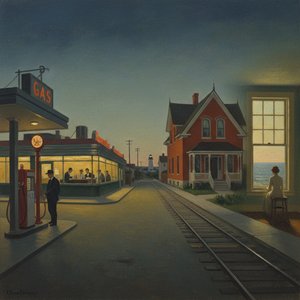
Edward Hopper: 25 Remek-dela Američkog Realizma za Vaš Dom | OriginalUniqueArt
Istražite 25 ремек-дела Edward Hopper-a! Otkrijte приче иза његових најпознатијих слика, симболизма америчког реализма и уметничке технике. Купите висококвалитетне репродукције на OriginalUniqueArt.com.